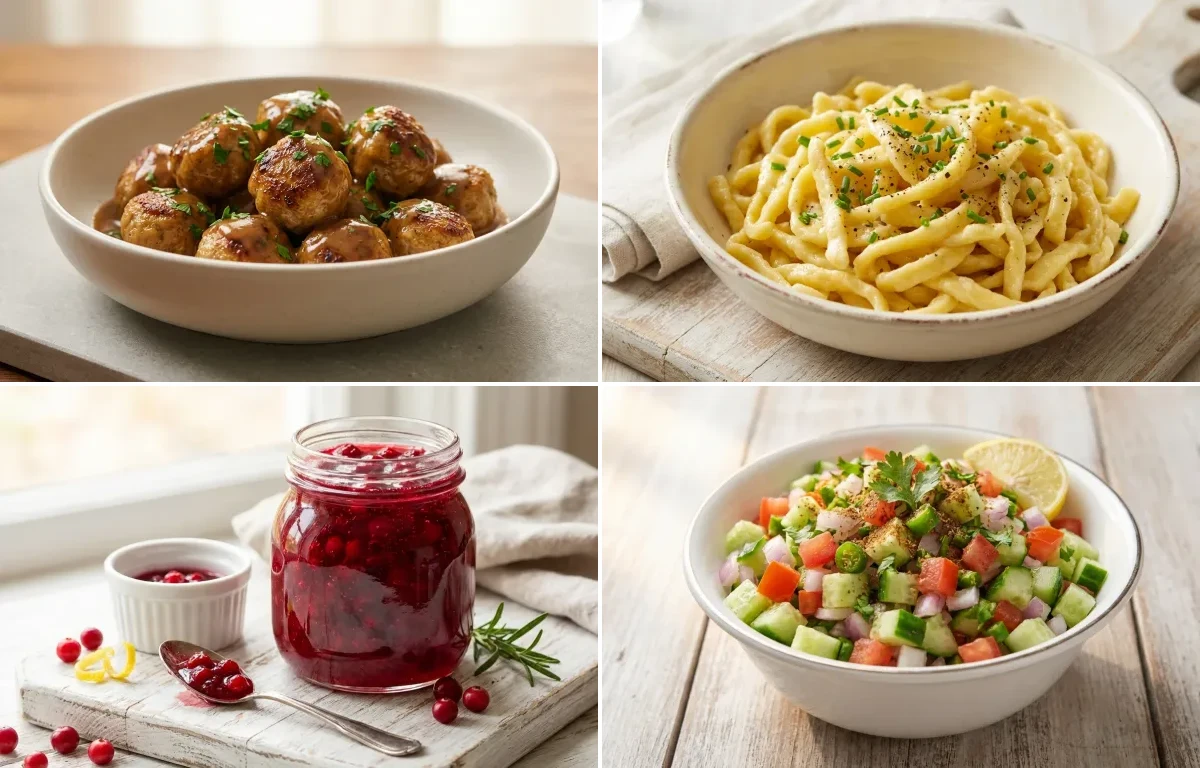
Tender, spiced beef and pork meatballs simmered in a rich, savory cream gravy. This beloved comfort food classic is perfect over egg noodles or mashed potatoes for a hearty, satisfying meal.
Prep20 min
Cook30 min
Servings4
Serving size: 1 serving
811cal
48gprotein
18gcarbs
61g
Ingredients
450 g Ground Beef (80/20 lean to fat ratio recommended)
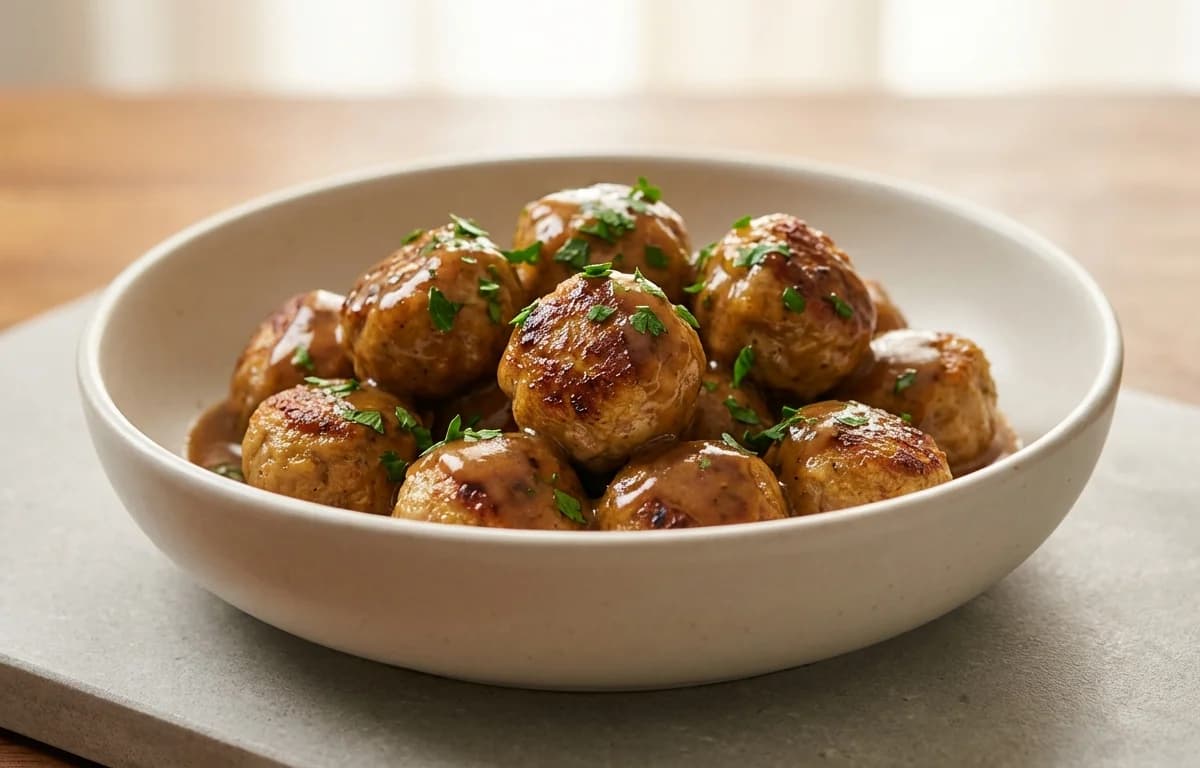
Forget store-bought! These homemade egg noodles are tender, chewy, and surprisingly easy to make. They elevate any soup, stew, or simple butter and cheese sauce into a comforting masterpiece.
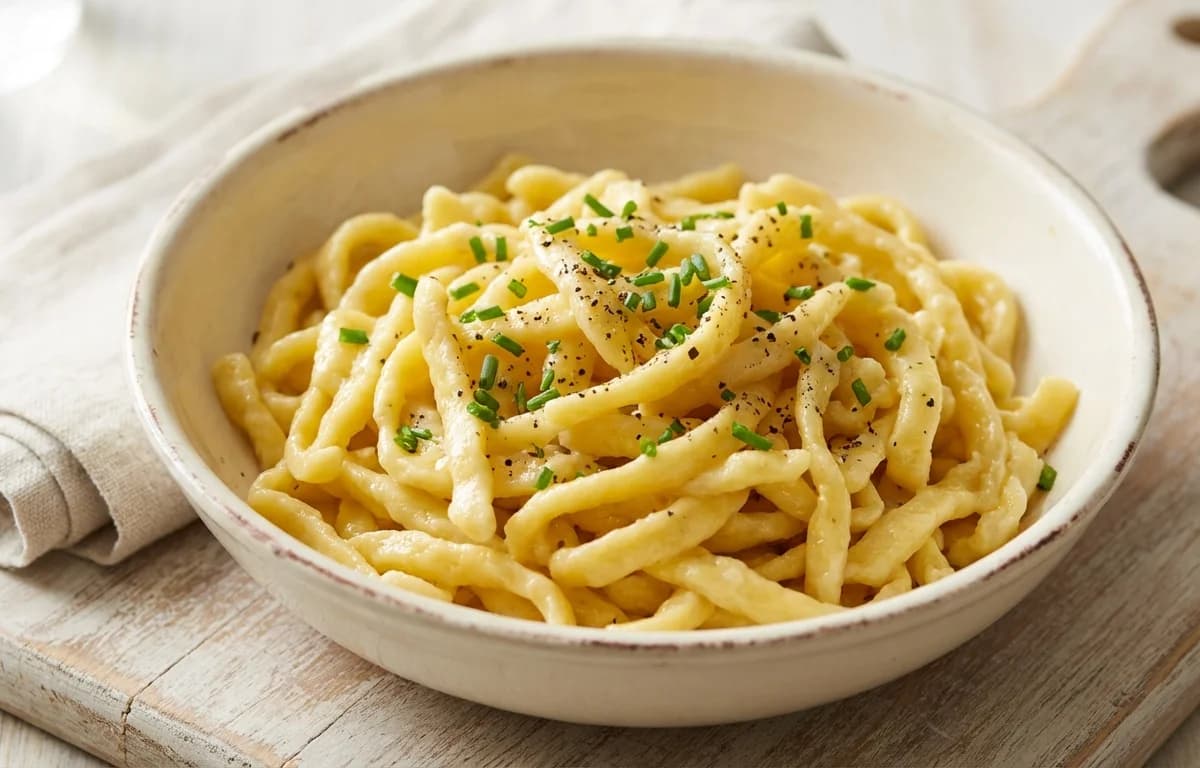
A classic Scandinavian treasure, this homemade lingonberry jam balances the wild, tart flavor of lingonberries with simple sweetness. In just 30 minutes, create a vibrant, jewel-toned condiment perfect for Swedish meatballs, game meats, pancakes, or yogurt.
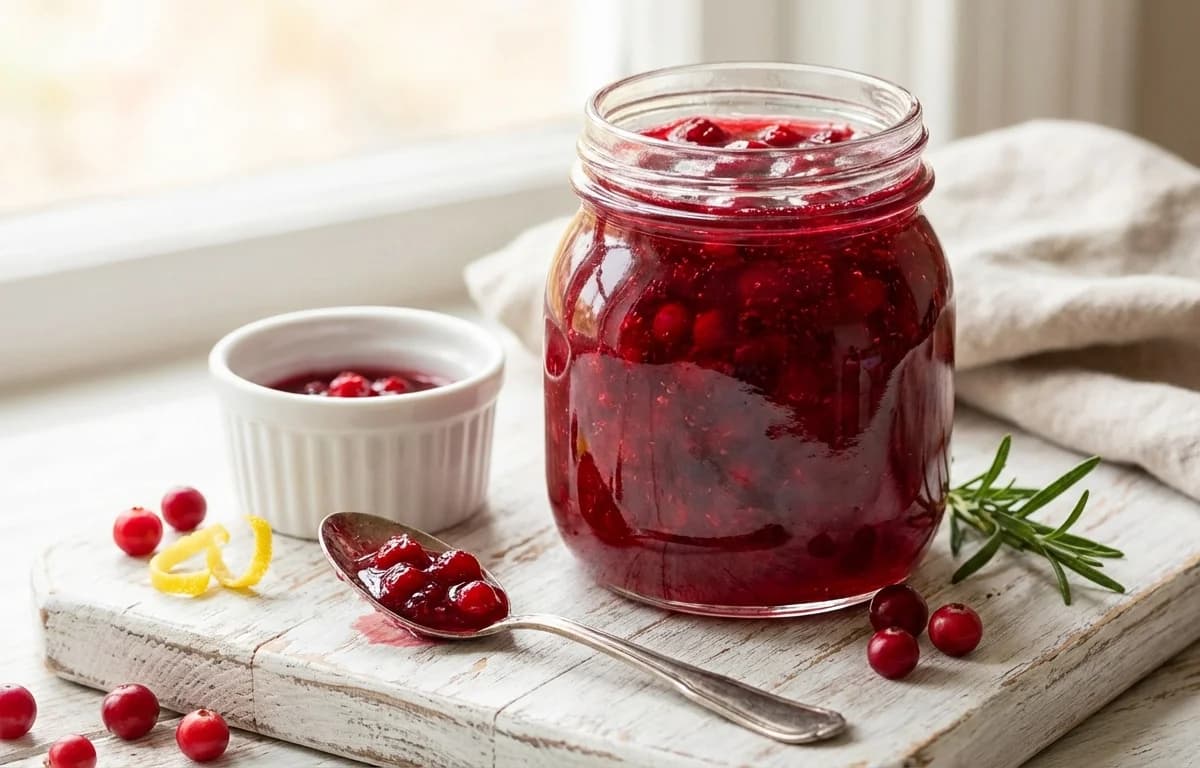
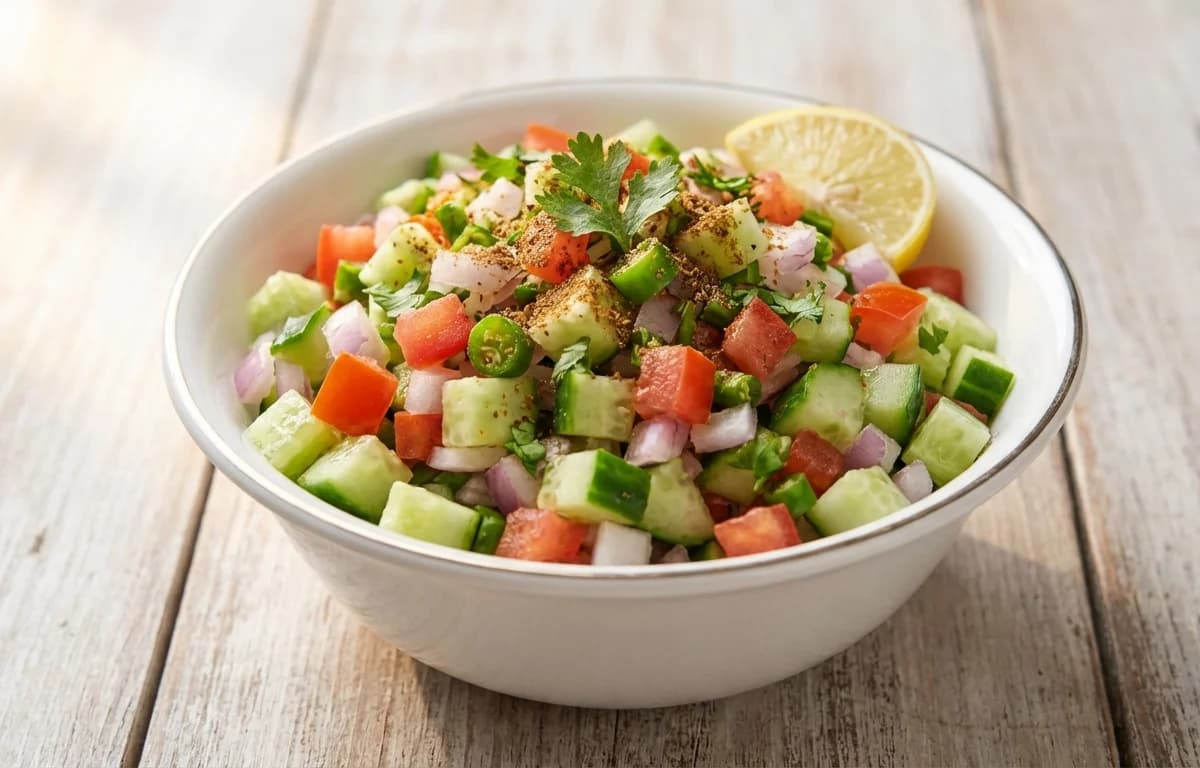
A refreshing and crunchy Indian salad made with finely chopped cucumber, tomato, and onion. It's lightly seasoned with spices and lemon juice, making it the perfect cool side dish to balance any spicy meal.
Prep10 min
Cook0 min
Servings4
Serving size: 1 serving
About Swedish Meatballs, Egg Noodles, Lingonberry Jam and Kachumber
Aromatic Swedish meatballs with tender noodles, tangy lingonberry jam, and a fresh cucumber salad. Delicious comfort!
This midwest dish is perfect for dinner. With 1184.81 calories and 59.87g of protein per serving, it's a nutritious choice for your meal plan.
Other Cuisines to Explore
Discover authentic meals from cuisines around the world.
In a large bowl, combine the panko breadcrumbs and milk. Let it sit for 5 minutes to form a paste (panade).
Add the ground beef, ground pork, grated onion, beaten egg, allspice, nutmeg, 1 tsp of salt, and 0.5 tsp of black pepper to the bowl.
Using your hands, gently mix until just combined. Overmixing can result in tough meatballs.
Roll the mixture into uniform meatballs, about 1 to 1.5 inches in diameter. A small cookie scoop works well for this.
2
Brown the Meatballs
Heat 2 tbsp of butter in a large, heavy-bottomed skillet or Dutch oven over medium-high heat.
Working in batches to avoid crowding the pan, carefully place the meatballs in the skillet and brown them on all sides, about 5-7 minutes per batch. The goal is to get a deep brown crust for flavor; they do not need to be cooked through.
Once browned, transfer the meatballs to a clean plate and set aside.
3
Create the Cream Gravy
Reduce the heat to medium. Add the remaining 4 tbsp of butter to the same skillet. As it melts, use a wooden spoon to scrape up any browned bits (fond) from the bottom of the pan.
Whisk in the all-purpose flour and cook for 1-2 minutes, stirring constantly, until it forms a smooth, lightly golden paste (roux).
Slowly pour in the beef broth, about a cup at a time, whisking continuously to prevent lumps. Once all the broth is incorporated, bring the mixture to a simmer.
Stir in the heavy cream, Worcestershire sauce, and Dijon mustard. Continue to simmer for 2-3 minutes, allowing the gravy to thicken slightly.
4
Simmer and Finish
Gently return the browned meatballs to the skillet with the gravy.
Reduce the heat to low, cover the skillet, and let the meatballs simmer gently for 10-15 minutes, or until they are cooked through and have reached an internal temperature of 160°F (71°C).
Taste the gravy and season with the remaining 0.5 tsp salt and 0.25 tsp pepper, or more to your preference.
Garnish with fresh parsley before serving.
291cal
11gprotein
48gcarbs
5gfat
Ingredients
2 cup all-purpose flour (plus more for dusting)
3 pcs large eggs (room temperature)
0.5 tsp salt (for the dough)
1 tsp olive oil
1 tbsp water (if needed)
Instructions
1
Prepare the Dough Base
In a large bowl or on a clean work surface, whisk together 2 cups of all-purpose flour and 0.5 tsp of salt.
Create a deep well in the center of the flour mixture.
2
Combine Wet and Dry Ingredients
Crack the 3 large eggs into the well and add 1 tsp of olive oil.
Using a fork, gently beat the eggs and oil, then gradually start incorporating the flour from the inner walls of the well.
Continue mixing until a shaggy, clumpy dough forms.
3
Knead the Dough
Turn the dough out onto a lightly floured surface.
Knead for 8-10 minutes until the dough transforms into a smooth, firm, and elastic ball. It should spring back slowly when poked.
If the dough feels too dry and crumbly, add water, one teaspoon at a time. If it's too sticky, add a little more flour.
4
Rest the Dough
Wrap the dough ball tightly in plastic wrap or place it in a covered bowl.
Let the dough rest at room temperature for at least 30 minutes, and up to 2 hours. This crucial step allows the gluten to relax, making the dough much easier to roll out.
5
Roll and Cut the Noodles
Unwrap the rested dough and cut it into four equal pieces. Keep the pieces you aren't working with covered to prevent them from drying out.
On a well-floured surface, use a rolling pin to roll one piece of dough into a very thin sheet, about 1/16-inch thick. The dough should be almost translucent.
Generously flour the entire surface of the rolled-out dough sheet.
Loosely roll the sheet up into a log (like a jelly roll).
Using a sharp knife or pizza cutter, slice the log into noodles of your desired width (e.g., 1/4-inch for standard noodles).
6
Cook the Noodles
Gently unfurl the cut noodles and toss them with a little more flour to prevent sticking. You can cook them immediately or let them air-dry for 15-30 minutes.
Bring a large pot of water to a rolling boil and add 2 tbsp of salt.
Carefully add the fresh noodles to the boiling water. Cook for 2-4 minutes, or until they are tender and float to the surface. Fresh pasta cooks very quickly, so taste one to check for doneness.
Drain the noodles well and immediately toss with your favorite sauce, butter, or add to a soup to prevent sticking.
In a medium, heavy-bottomed, non-reactive saucepan (like stainless steel or enamel), combine the lingonberries, granulated sugar, and water.
Stir gently to coat the berries and moisten the sugar. If using frozen berries, there is no need to thaw them first.
2
Cook the Jam
Place the saucepan over medium-high heat and bring the mixture to a rolling boil, stirring occasionally.
Once boiling, reduce the heat to medium-low to maintain a steady, active simmer.
Cook for 20-25 minutes, stirring every few minutes to prevent sticking. Use a spoon to skim off any foam that rises to the surface for a clearer jam.
The berries will burst and the mixture will thicken. The jam is ready when it reaches 220°F (105°C) on a candy thermometer, or when it coats the back of a spoon and a drop placed on a frozen plate wrinkles when pushed.
3
Finish and Cool
Remove the saucepan from the heat. Stir in the freshly squeezed lemon juice.
Let the jam cool in the saucepan for 15-20 minutes. It will thicken considerably as it cools down.
4
Store the Jam
Carefully pour the warm jam into a clean, sterilized glass jar with a tight-fitting lid.
Seal the jar and allow it to cool completely to room temperature before transferring to the refrigerator.
The jam will keep in the refrigerator for up to 3-4 weeks.
0.25 tsp Black Salt (optional, for a tangy flavor)
Instructions
1
Prepare the vegetables. Finely chop the cucumber, deseeded tomato, and red onion into small, uniform pieces (about 1/4-inch). This ensures a balanced bite and texture. Finely chop the green chilli and coriander leaves.
2
In a medium-sized mixing bowl, combine the chopped cucumber, tomato, red onion, green chilli (if using), and coriander leaves. Gently toss them together.
3
Just before you are ready to serve, add the seasonings. Sprinkle the salt, black salt (if using), chaat masala, and roasted cumin powder over the vegetables.
4
Drizzle the fresh lemon juice over the salad. Gently toss everything together until the vegetables are evenly coated with the spices and lemon juice. Serve immediately to enjoy its maximum crunch and freshness.