Alligator Sausage
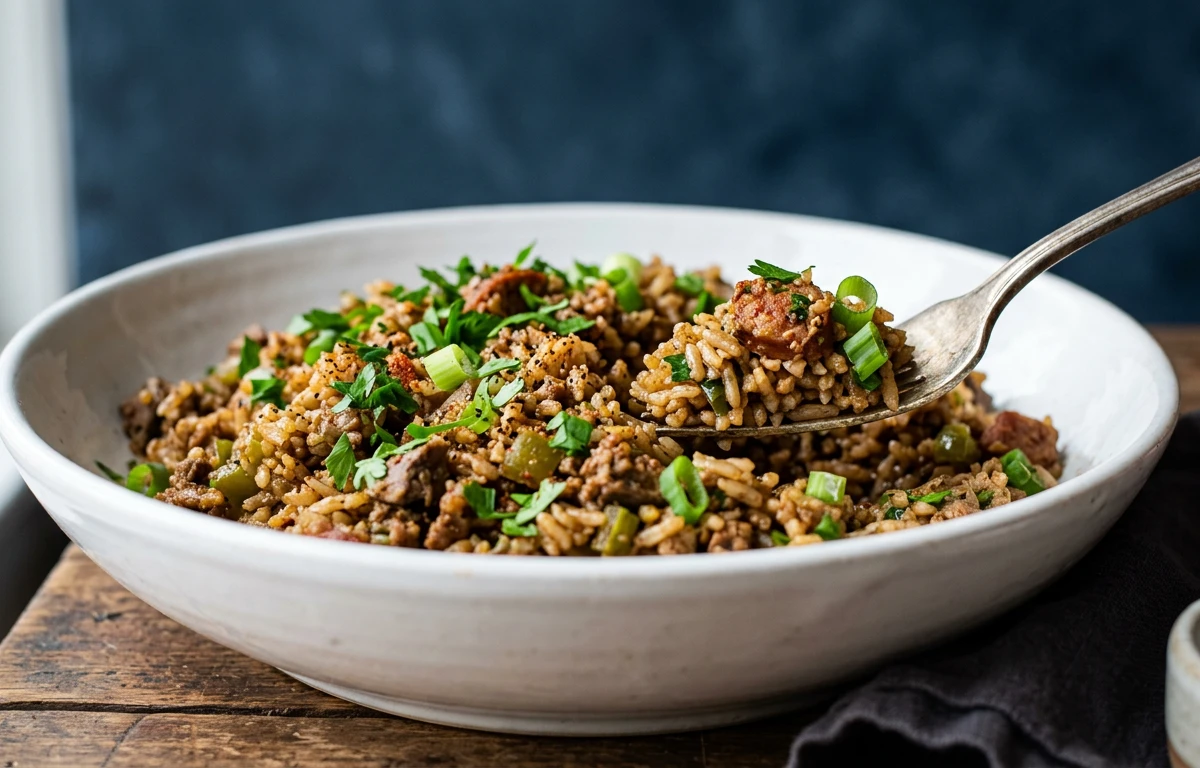
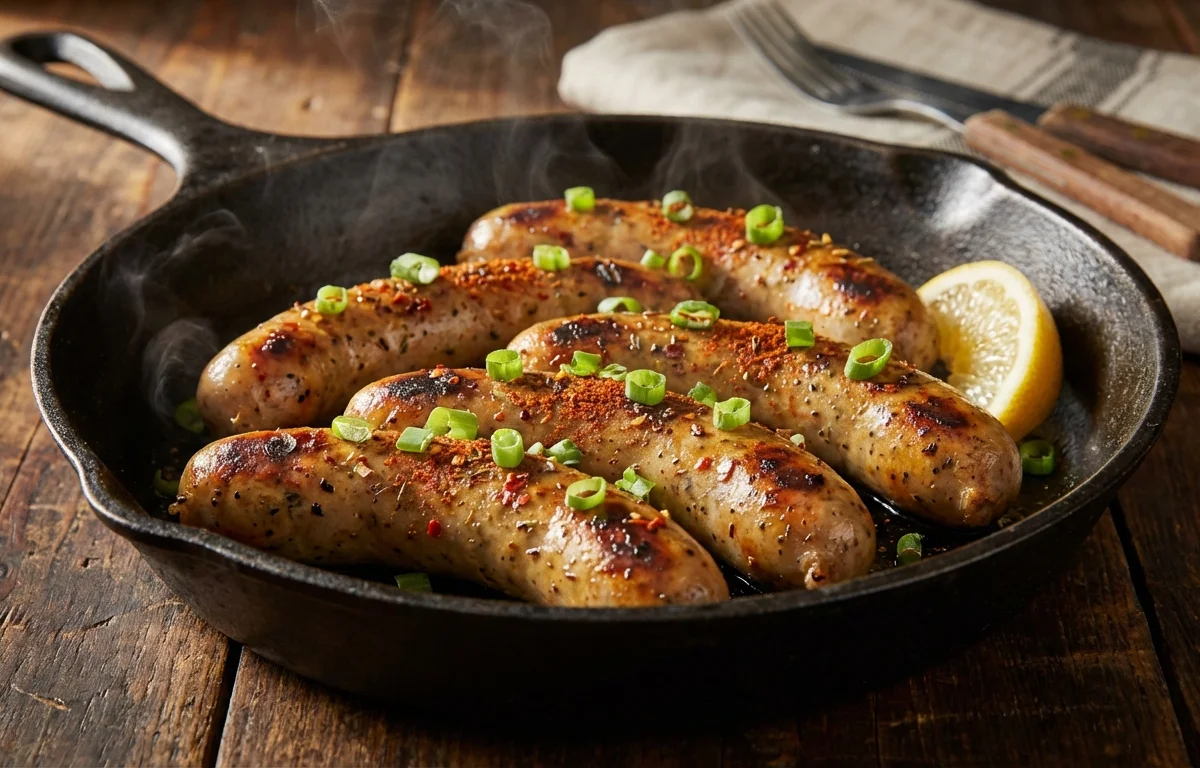
Smoky, juicy sausages with a uniquely tender bite from alligator meat blended with pork for richness. Seasoned with classic Cajun spices and a touch of garlic, these links deliver a taste of the Louisiana bayou. Perfect on the grill or pan-seared until beautifully browned.
For 4 servings
- prep
Soak and rinse the hog casings.
1.Rinse salt from the casings under cool running water.2.Soak in a bowl of cool water for 30 minutes.3.Flush each casing by running water through it, then keep in fresh water until needed.TIPChange the water once during soaking to remove excess salt. - prep · ~20 min
Chill the meat, fat, and equipment.
Place alligator meat, pork shoulder, pork fat, grinder parts, and mixing bowl in the freezer for 20 minutes. Everything must be very cold to get the right texture.
TIPSemi-frozen meat grinds cleaner and stays emulsified. Don't skip this step. - prep
Grind the meats and fat.
1.Pass alligator meat, pork shoulder, and pork fat through the medium die of the meat grinder.2.Catch the ground mixture in a bowl set over ice to keep it cold. - mix · ~2 min
Mix the sausage filling.
1.Add garlic, green onion, smoked paprika, cayenne, black pepper, thyme, and salt to the ground meat.2.Pour in the ice water.3.Mix with your hands or a wooden spoon for 2 minutes until the mixture turns sticky and holds together.TIPStop when the mixture clings to your palm when you turn your hand upside down — that's the sign of a good bind. - prep
Test a small patty for seasoning.
Cook a small tablespoon of the mixture in a skillet over medium heat. Taste and adjust salt or spice in the remaining mix if needed.
- prep
Stuff the casings.
1.Thread one soaked casing onto the sausage stuffer tube, leaving a 6-inch tail hanging free.2.Feed the meat mixture through the stuffer, filling the casing firmly but not to the point of bursting.3.Prick any air bubbles with a sterilized needle.4.Leave a 6-inch tail at the other end, then twist the filled casing into 8-inch links.TIPKeep the casing lubricated with a little water; it slides on easier and won't tear. - grill · ~12 min
Cook the sausages.
1.Brush sausages lightly with oil.2.Place on a preheated grill or cast-iron skillet over medium heat.3.Cook for about 12 minutes, turning every 3 minutes, until deeply browned and the internal temperature reaches 165°F.TIPUse medium heat — high heat splits the casings before the center cooks. - rest · ~2 min
Rest the sausages briefly.
Let the sausages rest off the heat for 2 minutes before serving.
TIPResting lets the juices redistribute — cut right away and they'll be dry. - serve
Serve hot on a platter with Creole mustard and crusty bread.
What to keep in mind.
6 tips from the recipe — small details that make a real difference to the final dish.
- 1Keep all meat and equipment well-chilled (even semi-frozen) to ensure a smooth, emulsified texture that doesn't crumble.
- 2Test a small patty of the seasoned mixture before stuffing — adjust salt and cayenne to your taste at this stage.
- 3When stuffing, fill the casing firmly but not overly tight; leave room to twist into links without bursting.
- 4Prick any visible air bubbles in the stuffed casing with a sterilized needle to prevent uneven cooking and bursting.
- 5Grill or pan-sear over medium heat, not high — high heat splits the casing before the center reaches 165°F.
- 6Let the cooked sausages rest for 2 minutes off the heat before slicing; this keeps them juicy and prevents dryness.
Adapt it for your goals.
Turducken-style
Substitute half the alligator with finely chopped duck or chicken thigh for a milder, more familiar poultry-forward sausage with the same Cajun kick.
extra spicyExtra-spicy
Double the cayenne and add 1 teaspoon of crushed red pepper flakes for a fiery version that stands up to bold Creole mustards.
smoked variationSmoked variation
After stuffing and linking, cold-smoke the sausages at 180°F for 1 hour before grilling to deepen the smoky paprika flavor with real wood smoke.
Why this is on our healthy list.
Lean Protein Source
Alligator meat is naturally low in fat and high in protein, making this sausage a lighter alternative to traditional pork-only links.
Rich in B Vitamins
Pork shoulder and alligator both provide B vitamins (especially B12 and niacin) that support energy metabolism and nervous system health.
Moderate in Saturated Fat
By blending lean alligator with a smaller amount of pork fat, this recipe keeps saturated fat lower than all-pork sausages while still delivering moisture.
Frequently asked questions
Check specialty butcher shops, online exotic meat retailers, or Louisiana-based seafood markets. Frozen alligator meat is widely available and works perfectly.