Egg Ghotala
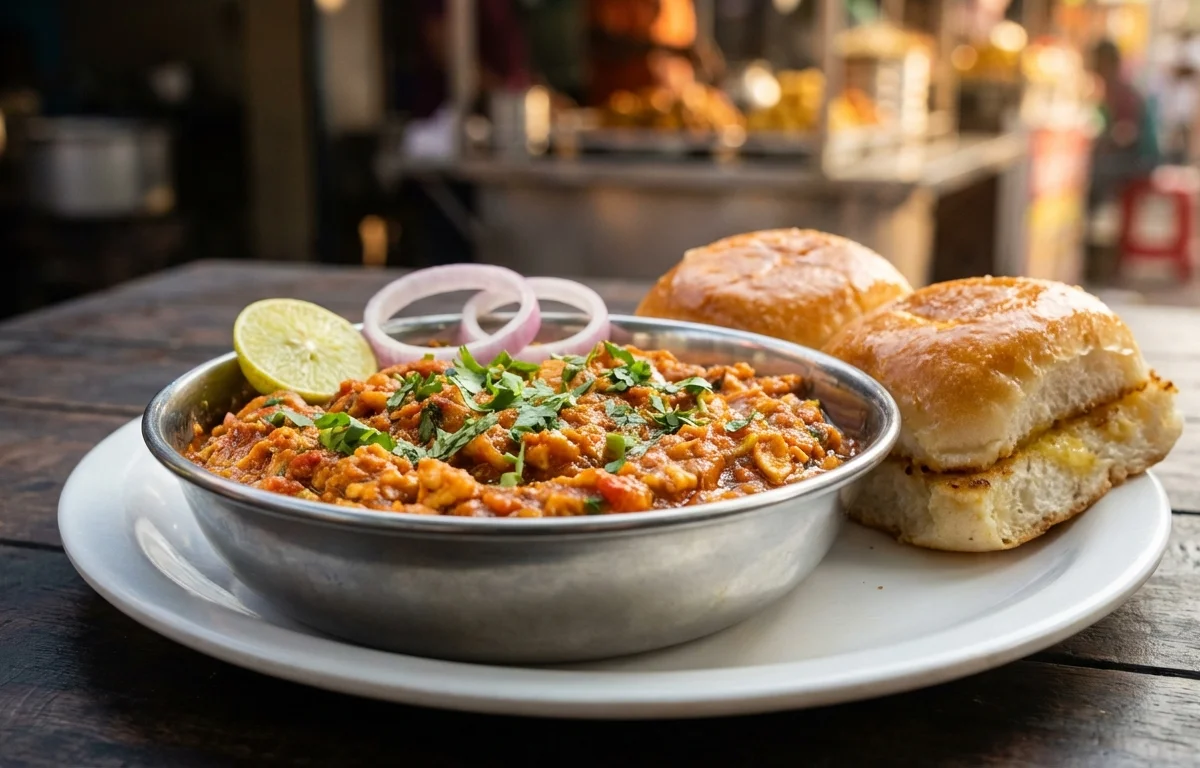
A lively street-style egg dish from western India, this recipe layers bhurji-style masala with grated boiled eggs for a rich, spicy finish. It is quick to cook, deeply savory, and perfect with pav or roti as part of a full meal.
For 4 servings
- boil · ~15 min
Boil and prepare the eggs.
1.Place 6 eggs in a saucepan and cover with water.2.Bring to a boil, then cook until hard-boiled (10-11 min).3.Cool, peel, and grate 4 eggs.4.Halve or roughly chop the remaining 2 boiled eggs.TIPCooling the eggs before peeling helps the shells come off cleanly. - prep · ~5 min
Chop the vegetables and crack the remaining eggs.
Finely chop the onion, tomato, green chili, and coriander leaves. Crack the 2 raw eggs into a bowl and beat lightly.
- saute · ~7 min
Cook the onion base.
1.Heat oil and butter in a pan over medium heat.2.Add onion and green chili.3.Cook until the onion turns soft and lightly golden (5-6 min).4.Add ginger-garlic paste and cook until the raw smell fades (1 min).TIPKeep the heat medium so the onion sweetens without burning. - saute · ~6 min
Make the masala.
1.Add tomato and salt to the pan.2.Cook until the tomato softens and turns pulpy (4-5 min).3.Add red chili powder, turmeric powder, coriander powder, pav bhaji masala, and garam masala.4.Mix well and cook for 1 minute. - simmer · ~2 min
Loosen the masala.
Add water and simmer for 2 minutes until the masala looks saucy but still thick.
- mix · ~2 min
Scramble in the raw eggs.
Pour in the beaten raw eggs and stir continuously over low to medium heat until they set softly into the masala.
TIPDo not overcook here; the eggs should stay soft for the best texture. - assemble · ~2 min
Fold in the boiled eggs.
1.Add the grated boiled eggs and chopped boiled eggs to the pan.2.Mix gently so the eggs stay fluffy.3.Cook for 1-2 minutes until heated through.4.Stir in lemon juice. - garnish
Finish with coriander leaves.
- serve
Serve hot.
Spoon the Egg Ghotala into katoris and serve hot with pav, roti, or toast as part of a meal.
What to keep in mind.
7 tips from the recipe — small details that make a real difference to the final dish.
- 1Grate the boiled eggs on the large holes of a box grater so they stay fluffy and blend evenly into the masala.
- 2Cook the tomatoes until the oil-butter mixture starts separating slightly; that is when the masala tastes fully cooked, not raw.
- 3Keep the heat low when adding the beaten eggs so they scramble into soft ribbons instead of turning dry and rubbery.
- 4Add the lemon juice only at the end to keep its brightness from dulling during cooking.
- 5If the masala thickens too much before the eggs go in, loosen it with a splash of hot water so the ghotala stays spoonable.
- 6Toast the pav in a little butter while the final garnish goes on; the crisp edges pair especially well with the soft egg mixture.
- 7This dish is best eaten fresh, but you can make the onion-tomato masala ahead and add the eggs just before serving.
Adapt it for your goals.
Low-oil
Reduce the oil and butter, use a good nonstick pan, and add a little extra water to keep the masala loose with less fat.
extra spicyExtra-spicy
Add more chopped green chili and a little extra red chili powder for a sharper, hotter street-food style version.
cheesyCheesy
Finish with a little grated cheese on top for a richer, Mumbai-stall style serving that melts into the hot eggs.
high proteinHigh-protein
Use 2-4 extra eggs, keeping some boiled and some raw, for a heartier version with even more egg in every bite.
Why this is on our healthy list.
Protein-Rich Main Dish
With several eggs used in two forms, this dish provides satisfying protein that helps make the meal filling.
Tomato and Onion Base
The masala includes tomatoes, onions, chilies, and coriander, adding vegetables and plant compounds along with savory depth.
Fresh Herb and Citrus Finish
Coriander leaves and lemon juice add freshness and brightness without needing heavy cream or rich gravies.
Frequently asked questions
Yes. The flavor will be a little different, but you can increase coriander powder and garam masala slightly to keep the masala robust.