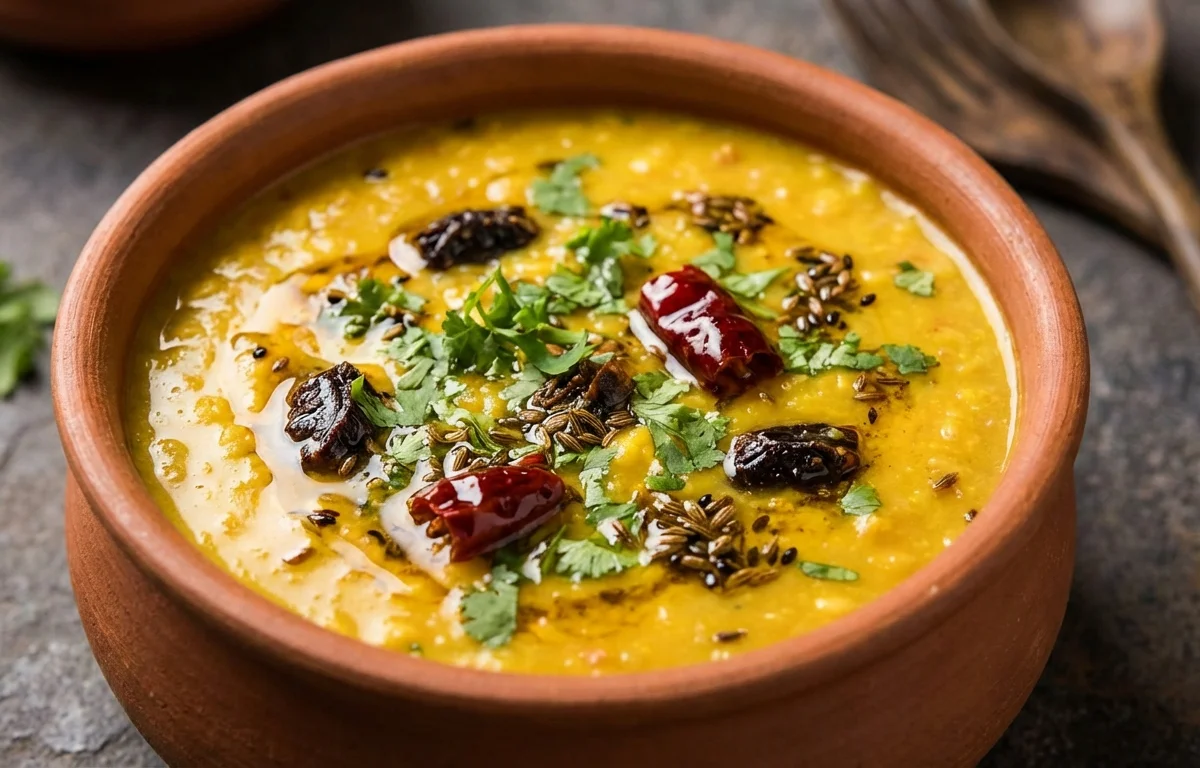
Thekera Di Dali
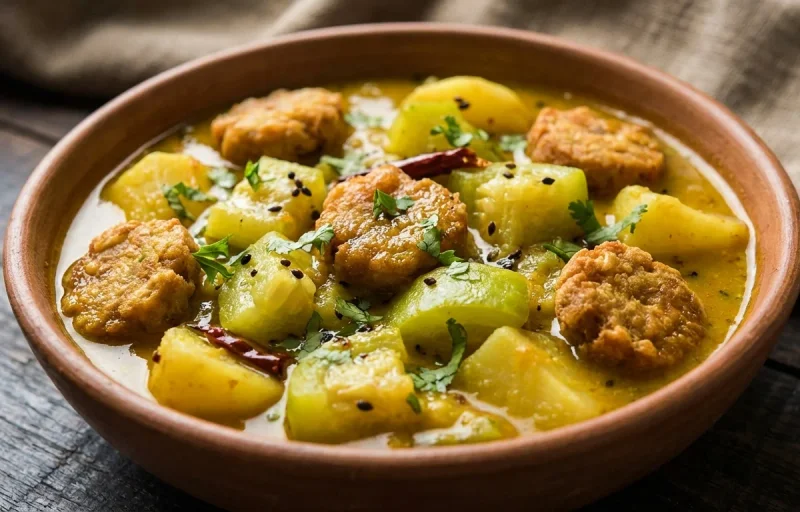
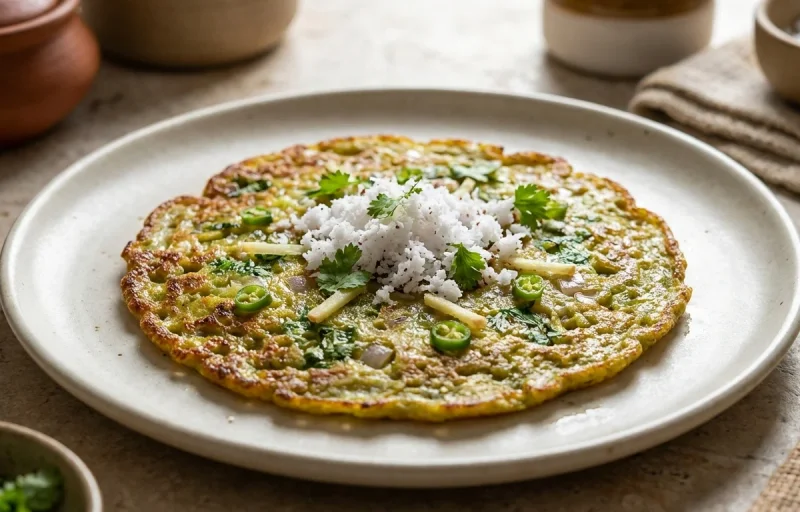
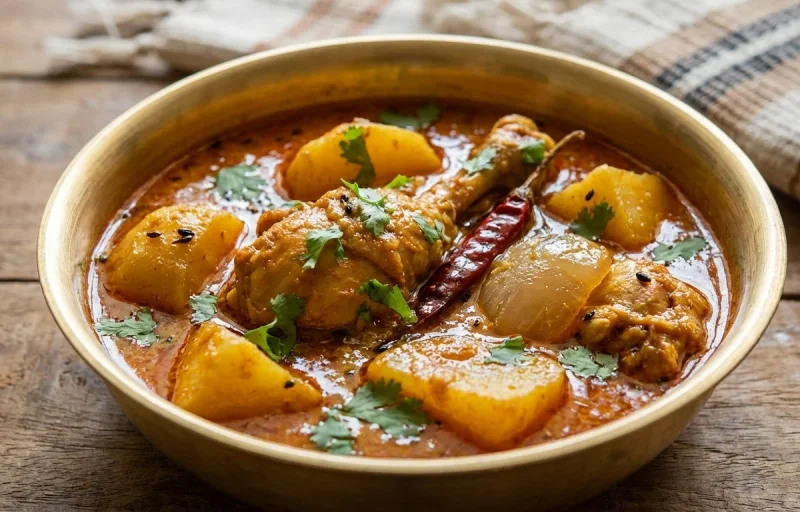
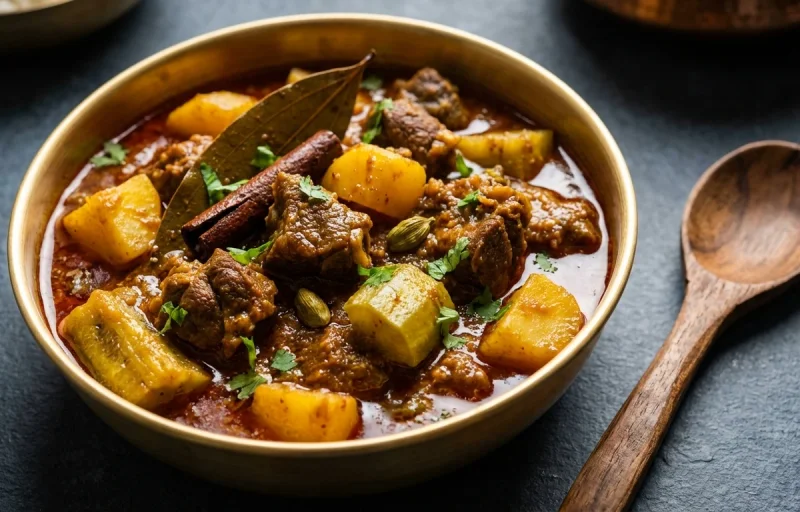
A soulful Assamese-style dal with a bright, distinctive tang from elephant apple. Slow-simmered pigeon peas meet the gentle warmth of ginger and green chilies in a rustic tempering of mustard oil and panch phoron. Simple, comforting, and packed with the earthy flavors of Assam's home kitchens.
For 4 servings
- prep · ~10 min
Soak the thekera and prep the dal.
1.Soak dried thekera in warm water for 10 minutes until softened.2.Wash toor dal thoroughly in 3-4 changes of water until water runs clear.3.Drain the dal and set aside.TIPRub the thekera while soaking to release its tangy pulp into the water. - boil · ~25 min
Cook the dal with turmeric.
1.Add washed toor dal, turmeric powder, and 3 cups of water to a deep pot.2.Bring to a rolling boil over high heat, then skim off any foam that rises to the surface.3.Reduce heat to low, cover partially, and simmer for 25 minutes until dal is soft and mushy.4.Whisk the cooked dal briskly with a wooden spoon to break down any remaining lentils.TIPA partially covered pot prevents boil-overs while allowing evaporation for a good consistency. - mix · ~5 min
Mash the thekera and add to dal.
1.Squeeze the soaked thekera pieces by hand into the dal pot, extracting all the pulp.2.Discard the tough fibrous cores left behind.3.Stir in salt and slit green chilies.4.Simmer the dal with thekera for 5 minutes so the tangy flavor melds.TIPTaste after adding thekera — the tangy punch should be bright and distinct without overpowering the dal's earthiness. - temper · ~3 min
Make the mustard oil tempering.
1.Heat mustard oil in a small pan over medium-high heat until it starts to smoke lightly.2.Lower heat, add panch phoron, and let it crackle and pop (30 seconds).3.Add dried red chilies and crushed garlic. Sauté until garlic turns golden (1 minute).4.Add grated ginger and stir for another 30 seconds until fragrant.TIPMustard oil must reach its smoking point to mellow its raw pungency before adding spices. - mix · ~5 min
Pour tempering over the dal and simmer.
1.Carefully pour the sizzling tempering directly into the pot of simmering dal.2.Stir well to combine and let it bubble together for 2 minutes.3.Turn off heat. Let the dal rest for 3 minutes so the flavors settle.TIPPour the tempering into the dal, not the dal into the tempering pan — the sizzle releases aromatic oils into the dal instantly. - garnish
Garnish with coriander leaves and serve hot.
1.Sprinkle chopped coriander leaves on top.2.Serve hot with steamed rice.
What to keep in mind.
6 tips from the recipe — small details that make a real difference to the final dish.
- 1Rub the thekera while soaking to release its tangy pulp into the soaking water.
- 2Skim any foam off the dal during the initial boil to keep the final texture clean.
- 3Whisk the cooked dal briskly to break down lentils for a creamy, cohesive consistency.
- 4Taste the dal after adding thekera pulp; adjust water if the tang is too sharp.
- 5Heat mustard oil until it just begins to smoke to tame its raw bite before tempering.
- 6Let the finished dal rest for 3 minutes off heat so the tempering flavors fully meld.
Adapt it for your goals.
Creamy coconut twist
Add 1/2 cup coconut milk in step 3 along with the thekera pulp for a richer, slightly sweet dal that balances the sourness beautifully.
no onion garlic (jain friendly)No-onion garlic (jain-friendly)
Skip the crushed garlic in the tempering and add a pinch of asafoetida (hing) with the panch phoron — ideal for those avoiding alliums.
spicier versionSpicier version
Increase green chilies to 4 and add 1/2 teaspoon red chili powder with the turmeric for a fiery kick that suits Assamese heat-lovers.
Why this is on our healthy list.
High in Plant Protein
Toor dal provides a solid source of plant-based protein, supporting muscle repair and satiety.
Rich in Dietary Fiber
Pigeon peas deliver soluble fiber that aids digestion and helps maintain steady blood sugar levels.
Antioxidants from Spices
Turmeric, ginger, and panch phoron all contain antioxidants that combat oxidative stress and inflammation.
Iron Boost
Lentils and mustard oil contribute iron and healthy fats, aiding energy production and nutrient absorption.
Frequently asked questions
Soak 1 teaspoon dried mango powder (amchur) or 1 tablespoon tamarind paste — dilute with water and add gradually to mimic thekera's tang.