Carrots get stuck with two big stories: that they help you see in the dark (wartime propaganda, mostly) and that they're 'full of sugar' (just plain wrong). Let's clear the air on that second one. A raw carrot is crunchy, refreshing, and only faintly sweet. It's also a nutritional powerhouse, packing more vitamin A than almost any other vegetable, alongside a decent amount of fibre for very few calories. The idea that this humble root is a sugar bomb is one of the most persistent myths in nutrition.
↑ Carrots are one of the best whole-food sources of Vitamin A on the planet.
The crunchy, not-sugary root
A carrot is mostly water (about 88%), which is why it's so crisp and refreshing. The rest is almost all carbohydrate, but that's where people get tripped up. Because they taste sweet, especially when cooked, carrots have a reputation for being a 'sugary' vegetable. In reality, a whole medium carrot has only about 5-6 grams of sugar, bundled with plenty of fiber.
The theme of this profile is simple: carrots are one of the most versatile, affordable, and nutrient-dense vegetables you can eat. The sugar 'problem' isn't a problem at all.
IN ONE LINE
Carrots are a low-calorie, low-GI vegetable packed with Vitamin A and fiber. The myth that they're 'sugary' is based on their sweet taste, not their nutritional reality.
Carrot nutrition facts
Here's the nutritional breakdown for 100 grams of raw carrot — about one medium-to-large carrot, or a cup of chopped carrots.
The standout number is, of course, Vitamin A. Carrots are one of the richest sources of beta-carotene, the antioxidant pigment that gives them their color and which our bodies convert into Vitamin A. Just one medium carrot gets you close to your entire daily need for this essential nutrient, which is vital for vision, immune function, and skin health.
Carrot's glycemic index
The fear around carrots and blood sugar comes from a simple misunderstanding. Raw carrots have a very low glycemic index (GI), often cited as low as 16-35. Cooking makes the starches more digestible, raising the GI, but it's still in the low-to-medium range (around 39-49).
But here’s the crucial part: because carrots are so low in total carbohydrates, their glycemic load (GL) — a measure that accounts for portion size and is a much better real-world indicator — is tiny. A 100g serving of cooked carrots has a GL of about 3. For context, anything under 10 is considered low. You'd have to eat a huge amount of carrots to make a real dent in your blood sugar.
GLYCEMIC INDEX · CARROT vs COMMON FOODS
Carrots sit firmly in the low-GI band
Cherries
whole fruit
LOW
Carrot (raw)
whole vegetable
LOW
Apple
whole fruit
LOW
Watermelon
whole fruit
HIGH
White bread
refined
HIGH
SCALE 0–90
04590
Raw vs. cooked: Which is better?
This is a classic nutrition question with a simple answer: both are great. You don't have to choose.
01
Eat them raw for fiber and crunch.
Raw carrots are fantastic for gut health. Their tough fibrous structure means you have to chew them well, which promotes satiety. They're perfect for dipping, shredding into salads, or just snacking on.
02
Cook them to unlock beta-carotene.
Cooking (especially with a little fat, like olive oil) breaks down the carrot's tough cell walls, making the beta-carotene more available for your body to absorb. Roasting, steaming, or adding them to soups are all excellent methods.
03
Don't overdo the additions.
A carrot is perfectly healthy. A carrot drowned in a cup of creamy ranch dressing or glazed with a quarter-cup of brown sugar is a different story. Let the carrot's natural sweetness shine.
04
Avoid juicing (mostly).
Carrot juice strips out the fiber, concentrating the sugar. This is where you can run into blood sugar issues. A small glass is fine, but eating the whole carrot is always better.
What carrots are good for
01
Vision and immune health
This is the big one. The massive dose of beta-carotene is converted to Vitamin A, which is essential for maintaining good vision (especially in low light) and a robust immune system.
93%
Vit A DV
02
Weight management
At only 41 calories per 100g and packed with water and fiber, carrots are a perfect food for feeling full without consuming a lot of energy. The crunch also helps with satisfaction.
41
calories
03
Digestive regularity
With nearly 3 grams of fiber per serving, carrots contribute to a healthy gut by feeding beneficial bacteria and adding bulk to stool, which helps prevent constipation.
2.8 g
fiber
04
Heart and blood pressure
Carrots are a good source of potassium, which helps counteract the effects of sodium and relax blood vessels. Plus, their fiber can help manage cholesterol levels.
320mg
potassium
What to pair carrots with
Carrots are a team player. Their mild sweetness works in both savory and sweet dishes, and pairing them with a little fat or protein makes for a more balanced snack.
Eat freely — or be mindful?
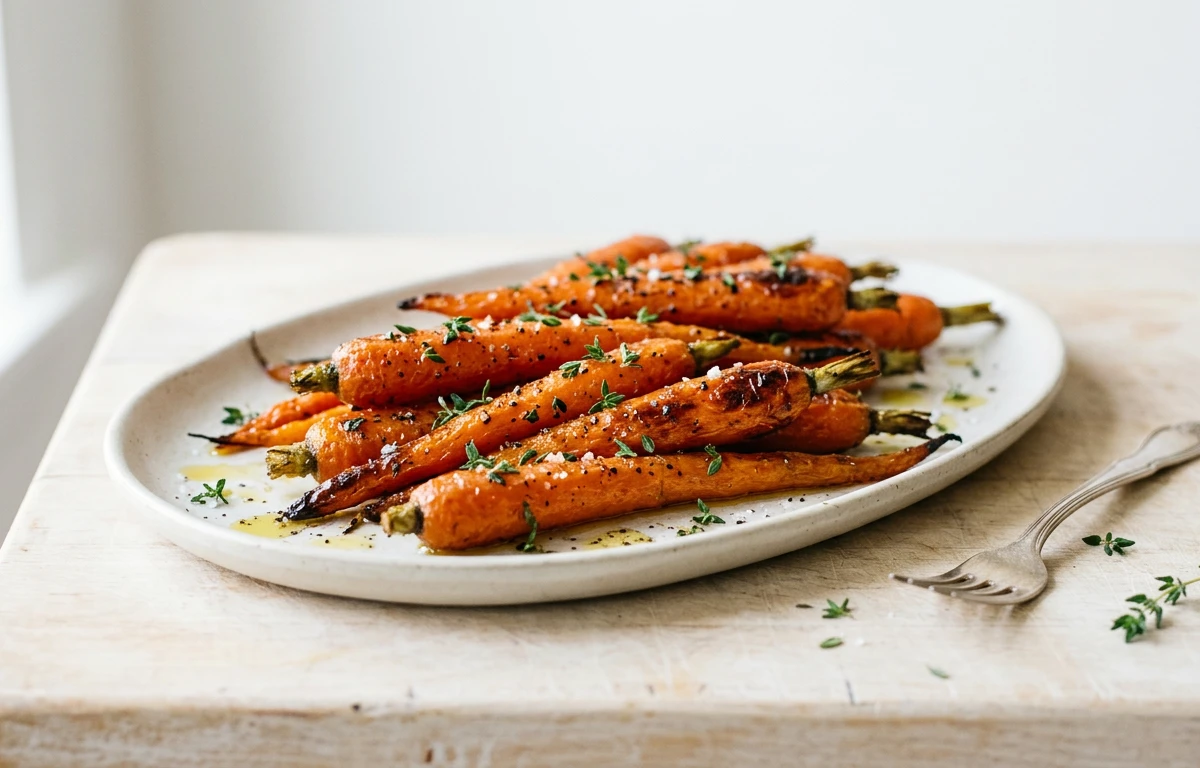
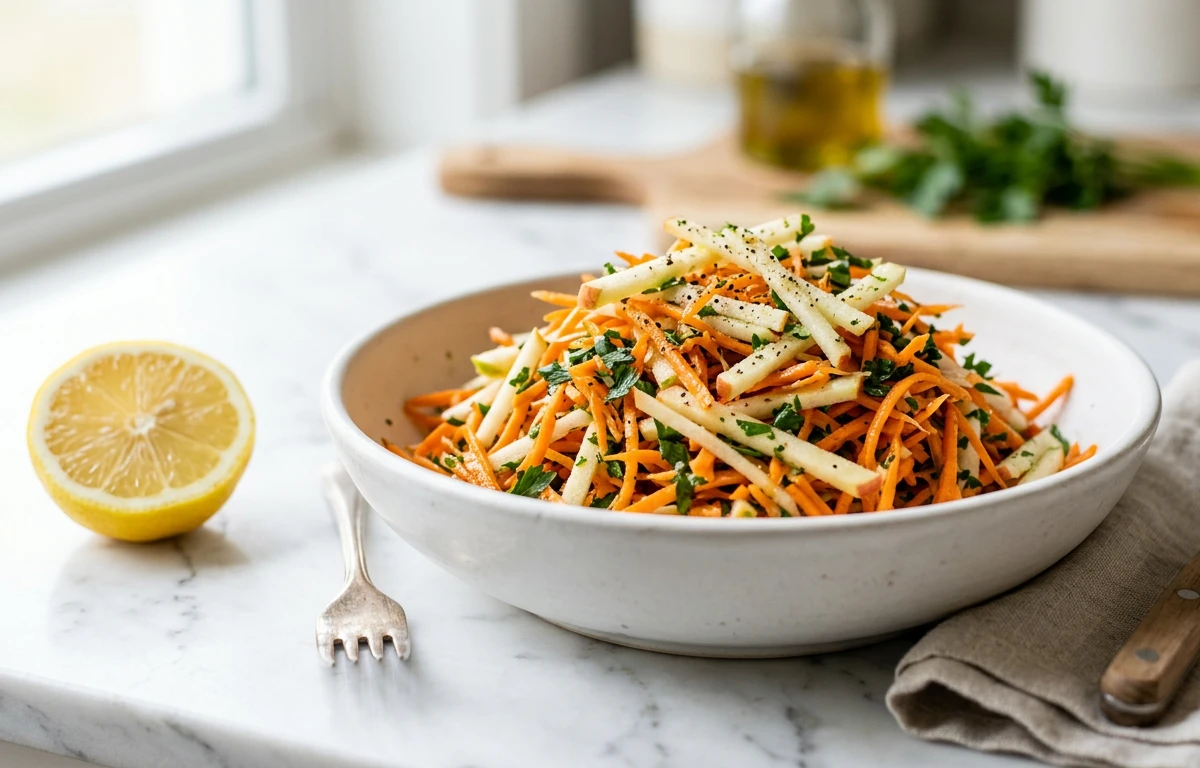
Three simple carrot recipes
Three easy ways to enjoy carrots that let their natural flavor shine, without adding a lot of fuss.

Want more smart vegetable choices in your week?
Our meal planner builds balanced weeks of eating, using versatile ingredients like carrots in healthy, satisfying meals. Get your plan, with macros calculated and a single grocery list ready to go.
Build my weekly plan →This guide is general information, not medical advice. If you have a health condition or take medication, consult your doctor or a registered dietitian before making big changes to your diet.
SOURCES & REFERENCES · 3
One more thing
Eating well is rarely about willpower. It’s about having a short list of dinners you actually want to eat. Pick two from this list. Make them next week. The rest will follow.
If you want these on autopilot, our weekly meal planner can drop the picks above into your calendar with one click and build a single grocery list from the merged ingredients.
FREQUENTLY ASKED QUESTIONS
Frequently asked questions
Are cooked carrots less healthy than raw?
No, they're just different. Cooking slightly reduces the Vitamin C content but makes the beta-carotene (Vitamin A) much easier for your body to absorb. The glycemic index rises, but the glycemic load remains very low. Eating a mix of both raw and cooked carrots is the best approach.
Are carrots sugary and bad for diabetes?
This is a common myth. While carrots taste sweet, they are low in sugar and carbohydrates. Their glycemic load is very low, meaning they have a minimal impact on blood sugar levels, making them an excellent choice for people with diabetes.
Do carrots really help you see in the dark?
Sort of. The idea was popularized as British propaganda during WWII. However, the high Vitamin A content in carrots is essential for good vision and helps prevent night blindness, a condition caused by Vitamin A deficiency. They won't give you superhuman night vision, but they support overall eye health.
Can you eat too many carrots?
It's possible, but you'd have to eat a very large amount. The most likely side effect is a harmless condition called carotenemia, where your skin can take on a slight orange tint from all the beta-carotene. It's temporary and fades when you cut back.
METHODOLOGY
How this article was created
Built using verified nutrition databases, culinary research, and traditional cooking knowledge — every claim is cross-referenced against the sources listed in the article.
· USDA data· Culinary research· Quality reviewed
Read our methodology →TRANSPARENCY
About this content
Articles are curated using trusted food databases (USDA FoodData Central, IFCT), culinary literature, and dietary guidelines, then structured by our editorial team for clarity, accuracy, and usefulness.
· Verified data sources· Culinary research· Quality reviewed
Read our editorial policy →RELATED RECIPES
Cook from this article
EXPLORE OUR MEALS
Meals that fit this article

AMERICAN · 1677 CAL
Almonds with Sliced Apple + supplement + iron
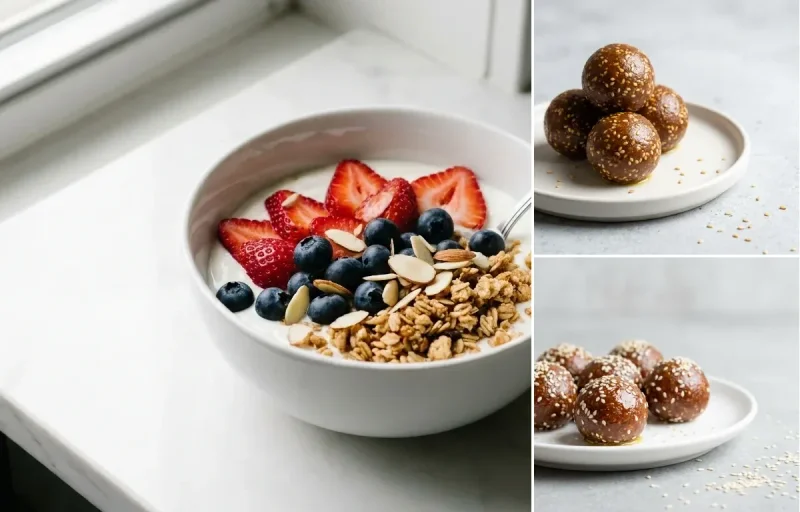
MEDITERRANEAN · 809 CAL
Greek Yogurt with Berries Almonds and Granola + supplement + iron

GENERAL_HEALTHY · 705 CAL
Banana with Peanut Butter Pregnancy + supplement + iron

MODERN · 982 CAL
Hummus with Crudits and Pita with Fresh Orange Snack + supplement + iron
TAGGED
KEEP READING