A 7-Day Diabetic-Friendly Meal Plan: Delicious Meals Under 1800 Calories
Discover a delicious 7-day diabetic-friendly meal plan with recipes under 1800 calories. Find balanced, low-glycemic meals to help manage blood sugar.

Loading...
Discover a delicious 7-day diabetic-friendly meal plan with recipes under 1800 calories. Find balanced, low-glycemic meals to help manage blood sugar.
Managing blood sugar levels through diet is a cornerstone of diabetes care, but it doesn't have to mean sacrificing flavor or enjoyment. This 7-day meal plan is designed to show how delicious, satisfying, and easy diabetic-friendly eating can be. By focusing on whole foods, lean proteins, healthy fats, and fiber-rich carbohydrates, these meals may help support stable blood glucose levels.
This plan is structured to provide approximately 1800 calories per day, a common target for many adults, but portion sizes can be adjusted to meet individual needs. We'll explore a week of balanced breakfasts, lunches, and dinners that are packed with nutrients and flavor. According to the American Diabetes Association, a key strategy for managing diabetes is creating a balanced plate, which emphasizes non-starchy vegetables, lean protein, and carbohydrate foods [1]. This meal plan is built on that very principle.
Managing a diet for diabetes goes beyond just avoiding sweets. Hidden sugars and refined carbohydrates are often found in processed foods, including bread, sauces, dressings, and even seemingly healthy yogurts. These ingredients can cause unexpected spikes in blood sugar. Furthermore, high sodium levels in packaged meals can contribute to high blood pressure, a common concern for individuals with diabetes. By focusing on home-cooked meals using whole ingredients, you gain complete control over what goes on your plate. This allows you to build flavor with herbs, spices, and healthy fats instead of relying on added sugar and salt, supporting both blood sugar management and heart health.
Following a diabetic-friendly eating pattern is a journey of making consistent, mindful choices. This 7-day plan provides a template for creating balanced, delicious meals that support overall wellness and may help in managing blood sugar. The key principles—prioritizing non-starchy vegetables, lean protein, healthy fats, and whole-grain carbohydrates—can be applied to countless other recipes. Remember to listen to your body, monitor your blood glucose levels as advised by your doctor, and consult with a healthcare professional or registered dietitian to create a personalized plan that works for you.
Built using verified nutrition databases, culinary research, and traditional cooking knowledge — every claim is cross-referenced against the sources listed in the article. Last reviewed May 2026.
Articles are curated using trusted food databases (USDA FoodData Central, IFCT), culinary literature, and dietary guidelines, then structured by our editorial team for clarity, accuracy, and usefulness.
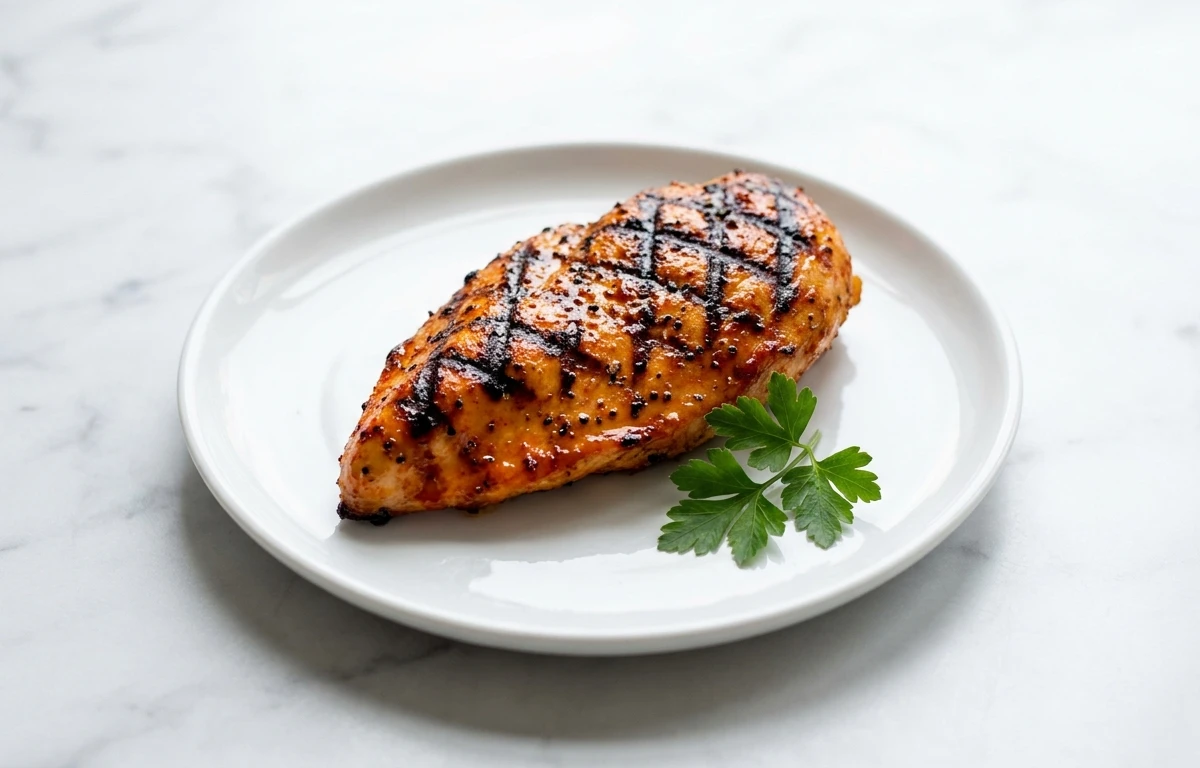
This meal exemplifies the Diabetes Plate Method by filling the majority of the plate with non-starchy vegetables [1]. The lean protein from chicken helps maintain muscle mass and promotes satiety without impacting blood sugar levels.
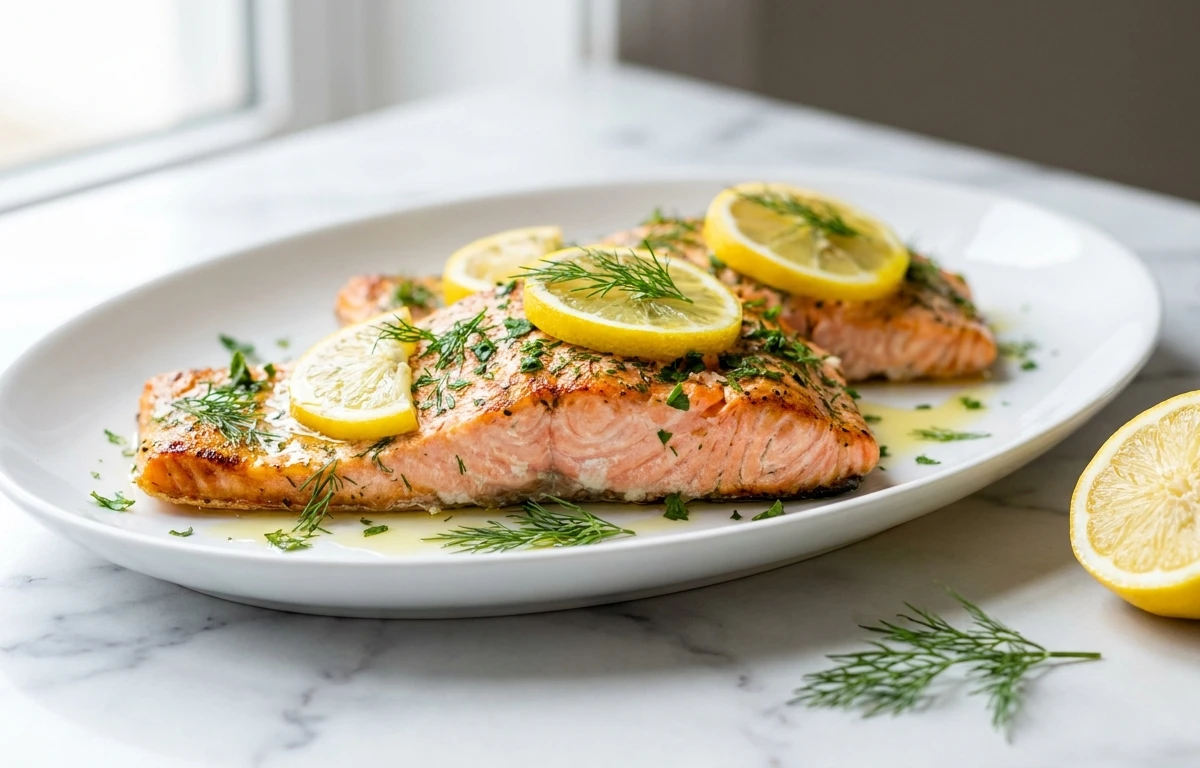
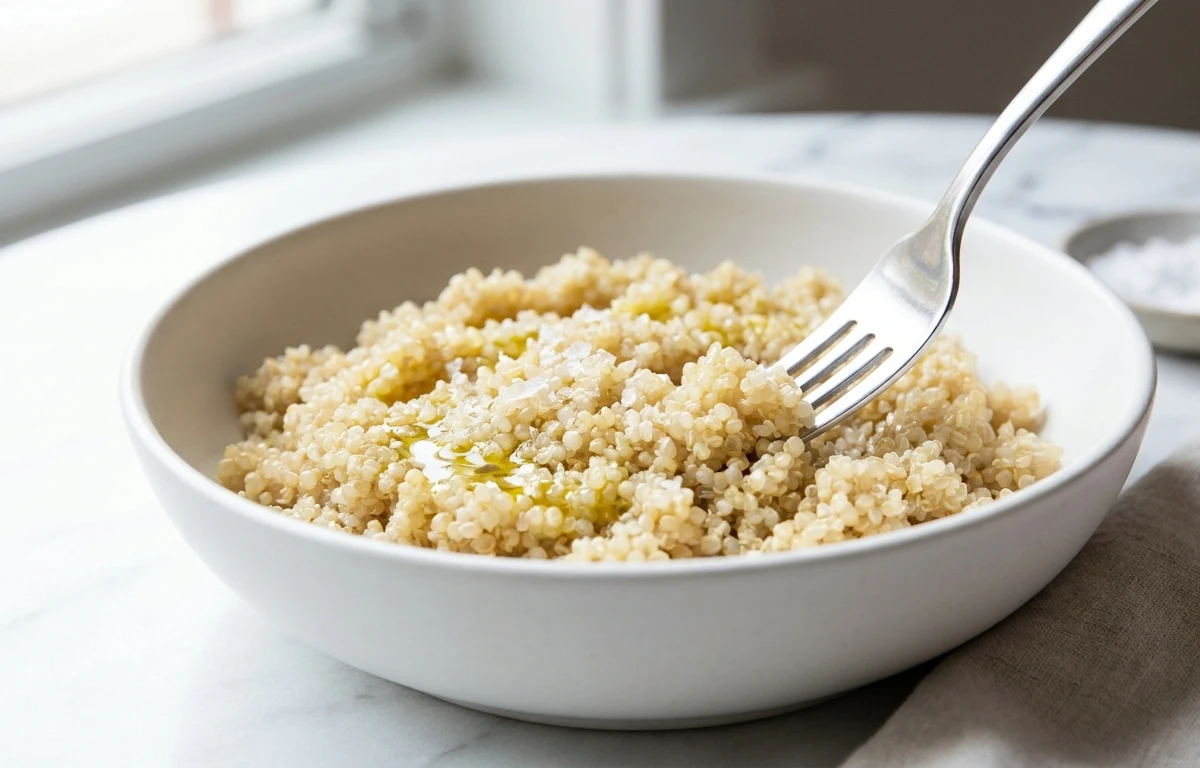
This meal is particularly beneficial due to the salmon's high content of omega-3 fatty acids, which research indicates may support cardiovascular health, a key consideration in diabetes management [3]. Quinoa provides a slow-release carbohydrate source, preventing sharp blood sugar spikes.
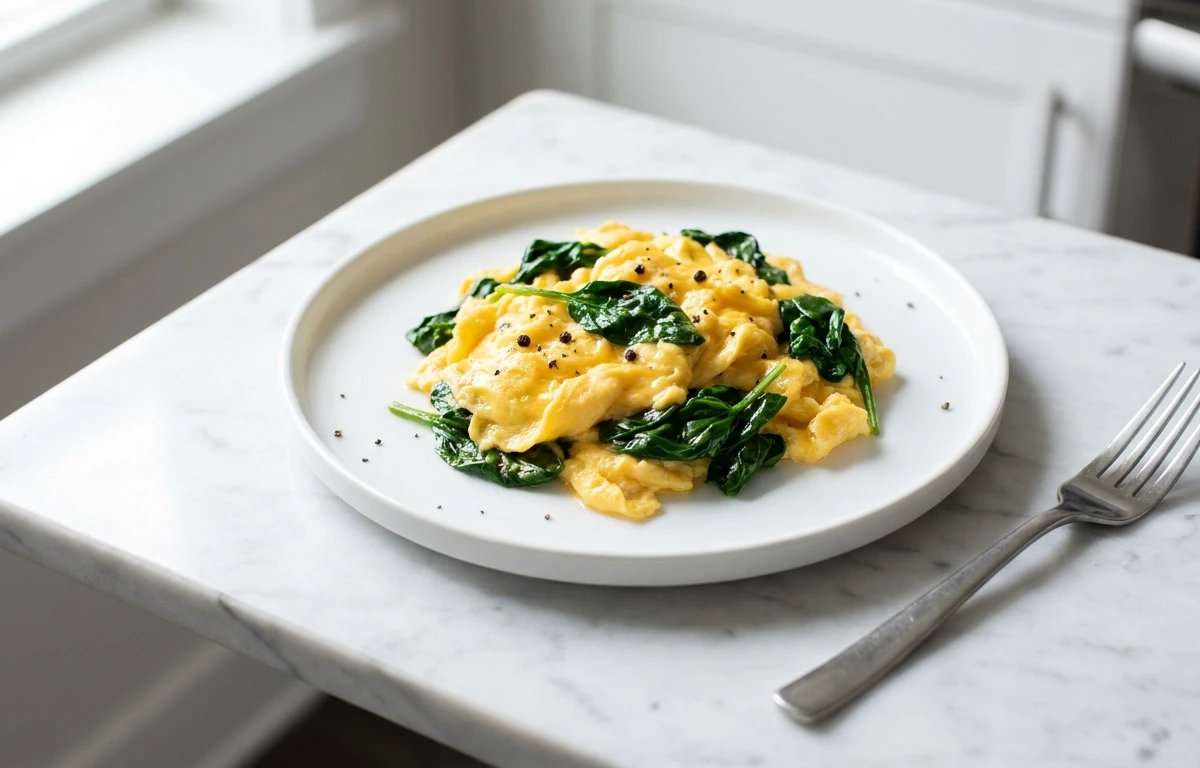
Eggs are a fantastic protein source for people with diabetes as they have a minimal impact on blood sugar. Pairing them with a high-fiber, whole-grain carbohydrate source like 100% whole-wheat toast provides sustained energy without a rapid glucose spike [2].
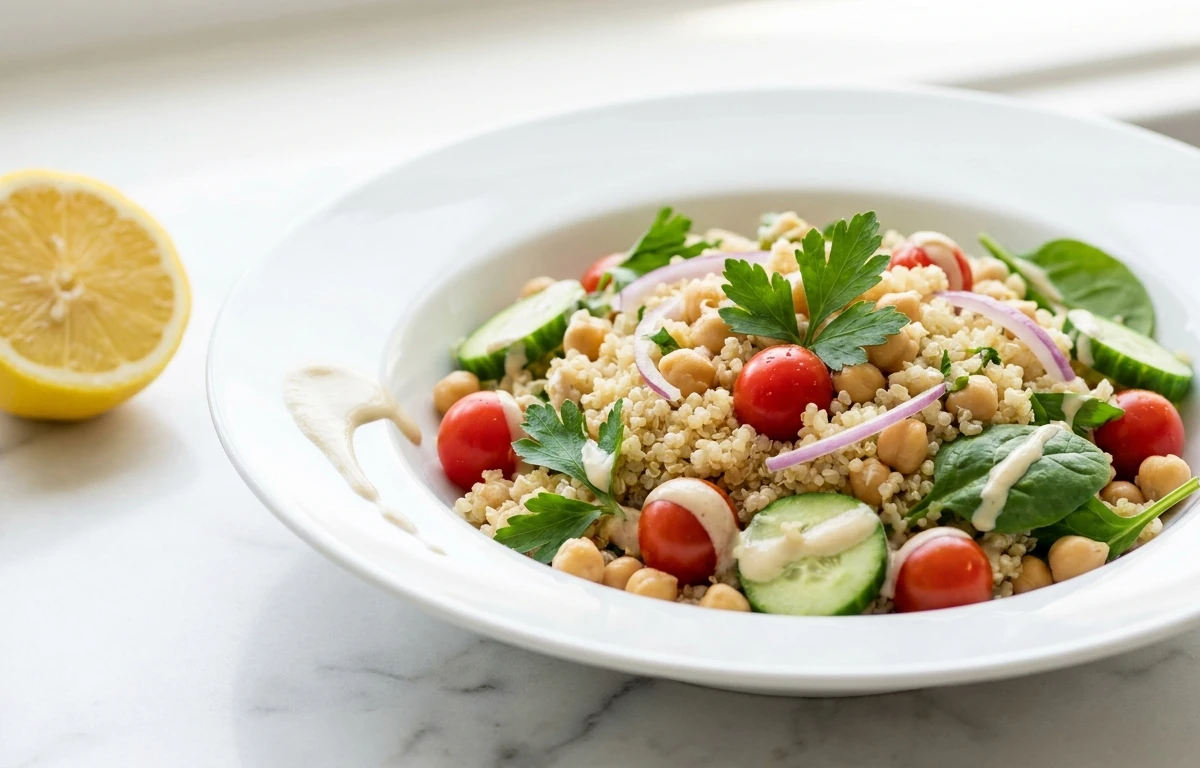
This plant-based meal delivers a double dose of fiber and protein from both quinoa and chickpeas. The healthy fats from the tahini dressing contribute to satiety and slow the overall absorption of the meal, which is beneficial for blood glucose management [3].