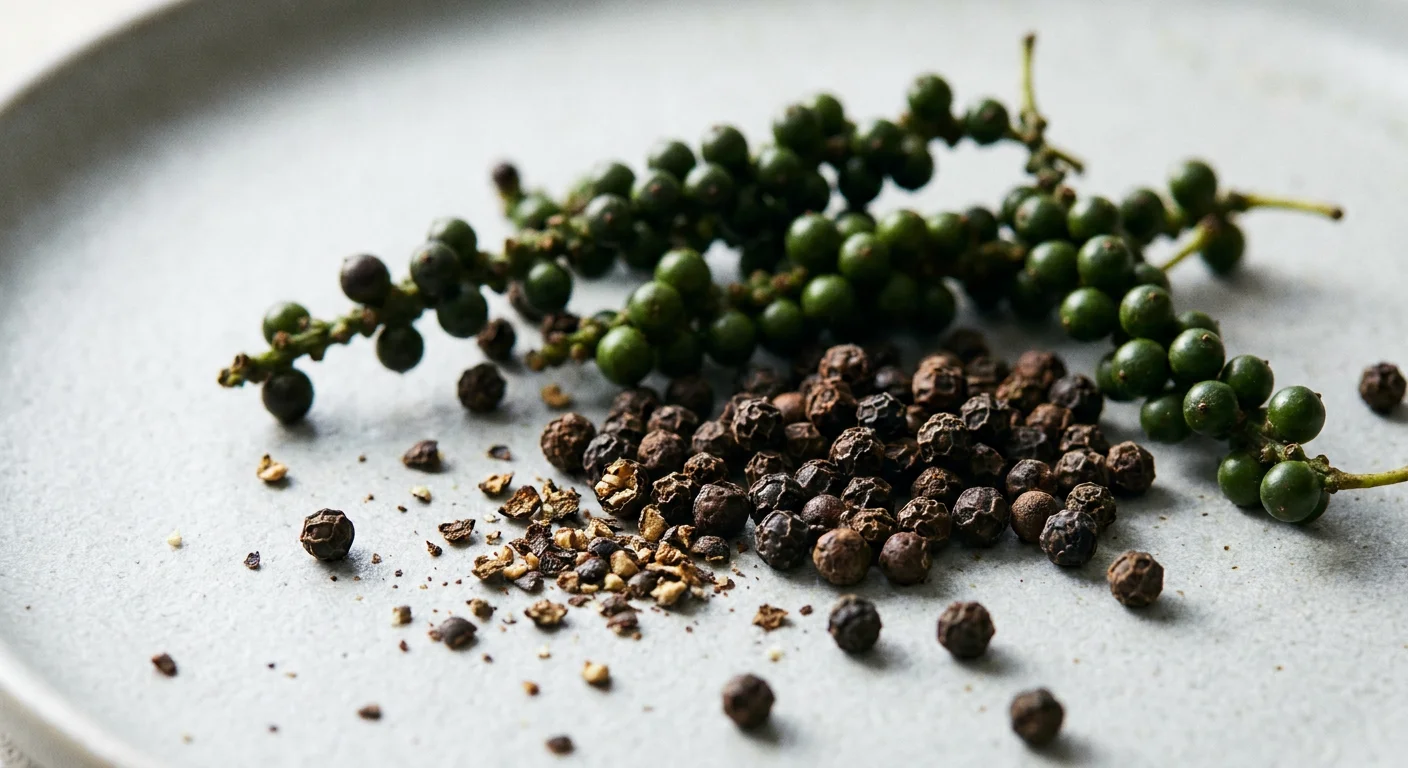
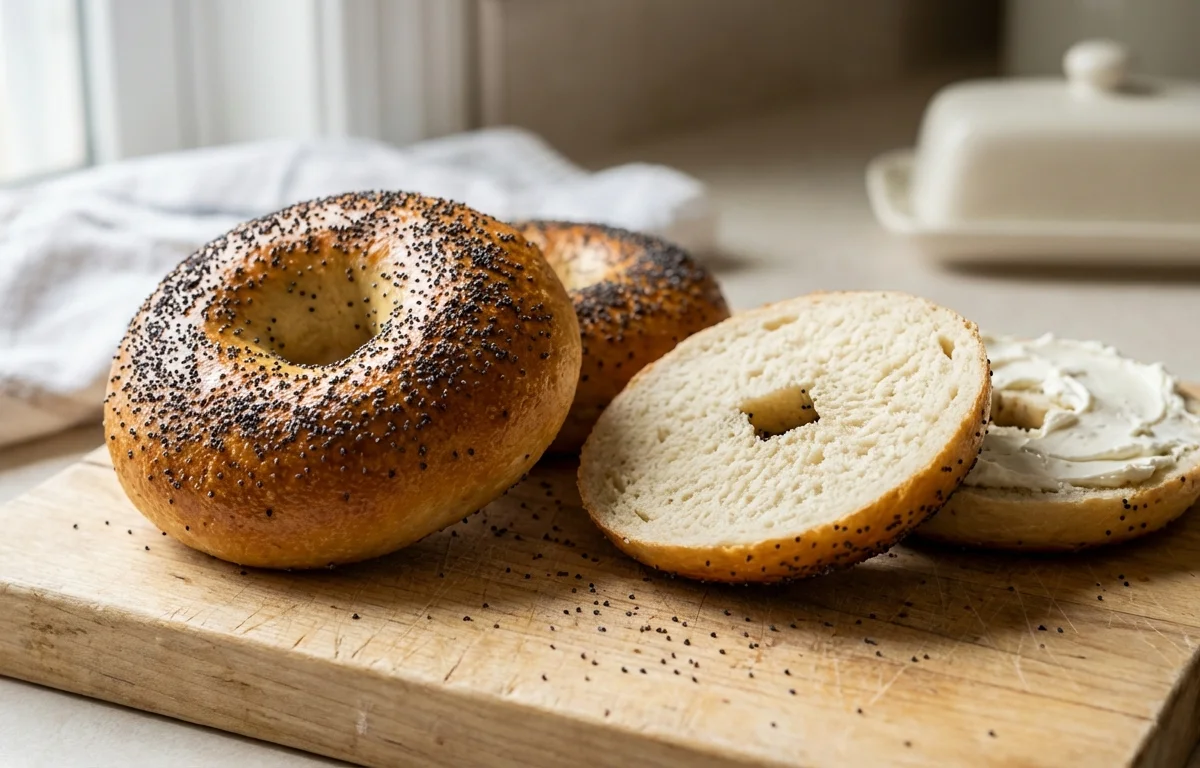
Those tiny black specks on your bagel are so much more than a decoration. Poppy seeds are surprisingly potent, packing a serious amount of fiber, healthy fats, and minerals into a very small package. People sometimes worry about where they come from, but the culinary kind are perfectly safe. They're one of the most underrated ingredients in the pantry — a nutty, crunchy sprinkle that adds real nutritional heft to everything from salads to curries.
↑ Poppy seeds are tiny, but nutritionally dense.
The tiny seed doing big work
Let's get the obvious question out of the way first. The poppy seeds you buy for cooking come from the same plant as opium (Papaver somniferum), but they are harvested from ripe seed pods after the opium gum is gone. They are then washed and processed, leaving them with only trace, harmless amounts of opioid compounds. You cannot get high from eating a poppy seed bagel. It is, however, theoretically possible to fail a drug test if you eat a very large amount, so be mindful if that's a concern for your job.
With that cleared up, we can focus on what they are: a fantastic source of dietary fiber, minerals like calcium and magnesium, and healthy unsaturated fats. They have a subtly nutty, earthy flavor and a satisfying, gritty crunch.
IN ONE LINE
Think of poppy seeds as a mineral and fiber supplement in food form. A single tablespoon adds nearly 2 grams of fiber for under 50 calories.
Poppy seed nutrition facts
The numbers for 100 grams of poppy seeds are impressive, but also a bit misleading since you'd never eat that much at once. A more realistic serving is one tablespoon (about 9 grams). I've included the 100g data below, but remember to think in tablespoon-sized portions.
The standout number is the fiber: 19.5 grams per 100g is enormous. Even in a single tablespoon, you get almost 2 grams. They're also remarkably rich in minerals, especially calcium, iron, and magnesium. The fat content is high, but it's primarily the healthy unsaturated kind, similar to other nuts and seeds.
The Glycemic Index of Poppy Seeds
Poppy seeds have not been formally tested for their glycemic index (GI). But we don't need a formal test to know where they stand. With a huge amount of fiber and fat, and very few net carbohydrates (total carbs minus fiber), their effect on blood sugar is minimal. Any food this low in digestible carbs will have a very, very low GI.
For anyone managing blood sugar, poppy seeds are an excellent addition. They add flavor, texture, and nutrients without creating any cause for concern.
GLYCEMIC INDEX · WHERE POPPY SEEDS FIT
Poppy seeds have a negligible blood sugar impact
Cherries
whole fruit
LOW
Apple
whole fruit
LOW
Pineapple
whole fruit
MEDIUM
White bread
refined
HIGH
Cornflakes
refined
HIGH
SCALE 0–90
04590
How to use them
A little goes a long way. You don't need much to get the benefits and the pleasant, nutty crunch.
01
Sprinkle them whole.
The easiest way. Toss a teaspoon over salads, yogurt, oatmeal, or roasted vegetables. They're a classic on bagels and breads for a reason.
02
Whisk into dressings.
A tablespoon of poppy seeds gives a lovely texture and nutty flavor to a simple lemon vinaigrette.
03
Grind them into a paste.
In many Central European and South Asian cuisines, poppy seeds are ground (often after soaking) to create a creamy, thick paste used as a filling for pastries or a base for curries.
04
Bake with them.
Lemon and poppy seed is a classic combination for a reason. They add a wonderful texture and mild flavor to muffins, cakes, and scones.
What poppy seeds are good for
01
Supporting gut health
With nearly 2 grams of fiber per tablespoon, poppy seeds are a simple way to boost your intake and promote digestive regularity.
1.8 g
fiber/tbsp
02
Building strong bones
They are exceptionally rich in calcium and also provide phosphorus and magnesium, all of which are critical minerals for building and maintaining bone density.
126 mg
calcium/tbsp
03
Heart-healthy fats
The majority of the fat in poppy seeds is linoleic acid, an omega-6 polyunsaturated fat, which is beneficial for heart health when part of a balanced diet.
3.7 g
fat/tbsp
04
Blood sugar control
The combination of high fiber, healthy fat, and very low net carbs means poppy seeds have a negligible impact on blood sugar levels.
<1 g
net carb/tbsp
What to pair poppy seeds with
Poppy seeds have a mild, nutty flavor that pairs well with both sweet and savory dishes. Here are a few ideas.
Eat freely — or be mindful?
Three ways to use them
Here are three simple recipes that put poppy seeds to good use, moving beyond a simple sprinkle.
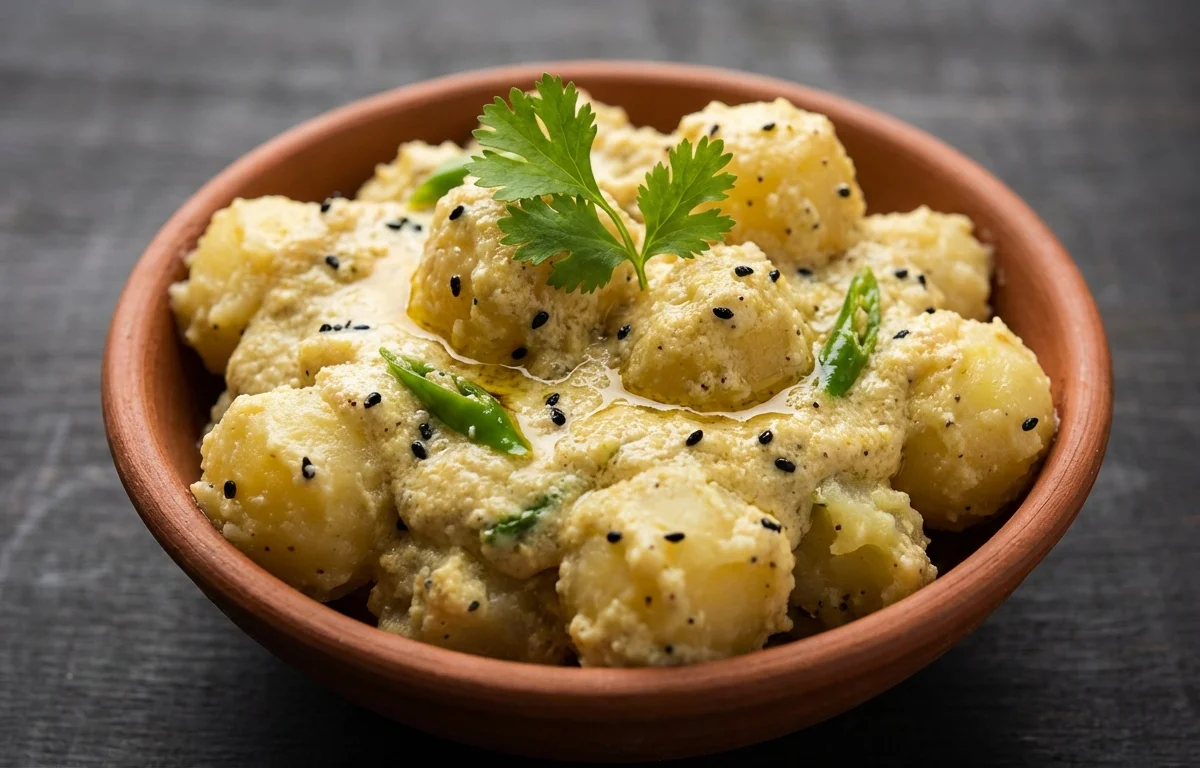
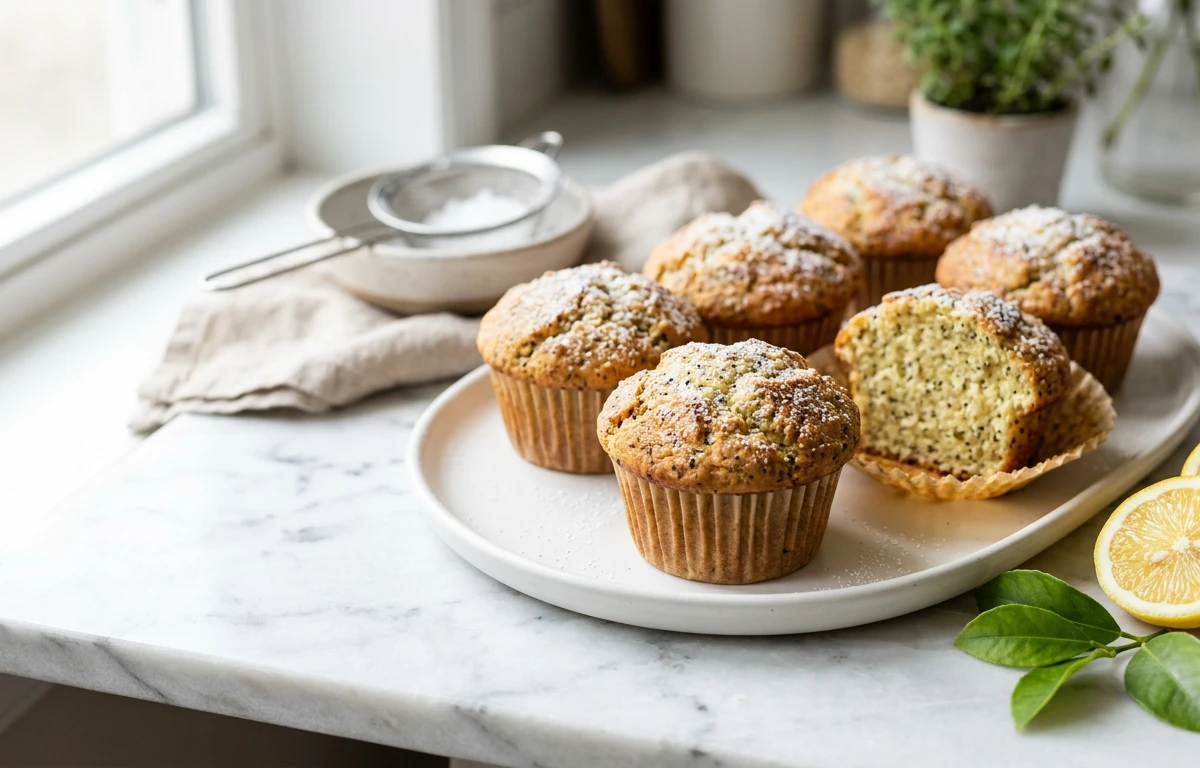
Want more healthy fats and fiber in your diet, without the guesswork?
Our meal planner makes it easy to incorporate nutrient-dense foods like seeds into your week. Get balanced recipes, smart grocery lists, and macros calculated for you.
Build my weekly plan →SOURCES & REFERENCES · 3
One more thing
Eating well is rarely about willpower. It’s about having a short list of dinners you actually want to eat. Pick two from this list. Make them next week. The rest will follow.
If you want these on autopilot, our weekly meal planner can drop the picks above into your calendar with one click and build a single grocery list from the merged ingredients.
FREQUENTLY ASKED QUESTIONS
Frequently asked questions
Are poppy seeds safe to eat?
Yes, culinary poppy seeds are safe. They are harvested from ripe seed pods and washed, containing only negligible, harmless trace amounts of opiate alkaloids. They are not the same as the unwashed seeds used to make poppy tea.
Can poppy seeds make you fail a drug test?
It's highly unlikely but theoretically possible if you consume a very large quantity. The tiny amounts of codeine and morphine can sometimes be detected. If you are subject to sensitive, routine drug testing, it may be best to avoid them.
Are poppy seeds good for weight loss?
They can be, in moderation. They are very calorie-dense, so large amounts can hinder weight loss. However, their high fiber and protein content is very satiating, so a small sprinkle can help you feel full and satisfied.
What's the difference between white and black poppy seeds?
They are very similar nutritionally. Black poppy seeds (common in European cuisine) have a slightly more robust, earthy flavor. White poppy seeds (common in Indian cuisine, known as khus khus or posto) are milder and are often ground to thicken sauces and curries.

ABOUT THE AUTHOR
Shreya Chatterjee
NUTRITION WRITER
Shreya is a nutrition writer and the voice behind The Nutrition Pen, where she turns evidence-based nutrition into simple, repeatable eating habits. Her writing focuses on practical food guidance — what to actually put on the plate — for readers who want to eat well without the noise.
Meet the editorial team →METHODOLOGY
How this article was created
Built using verified nutrition databases, culinary research, and traditional cooking knowledge — every claim is cross-referenced against the sources listed in the article.
· USDA data· Culinary research· Quality reviewed
Read our methodology →TRANSPARENCY
About this content
Articles are curated using trusted food databases (USDA FoodData Central, IFCT), culinary literature, and dietary guidelines, then structured by our editorial team for clarity, accuracy, and usefulness.
· Verified data sources· Culinary research· Quality reviewed
Read our editorial policy →RELATED RECIPES
Cook from this article
EXPLORE OUR MEALS
Meals that fit this article

AMERICAN · 1677 CAL
Almonds with Sliced Apple + supplement + iron

MEDITERRANEAN · 809 CAL
Greek Yogurt with Berries Almonds and Granola + supplement + iron

GENERAL_HEALTHY · 705 CAL
Banana with Peanut Butter Pregnancy + supplement + iron

MODERN · 982 CAL
Hummus with Crudits and Pita with Fresh Orange Snack + supplement + iron
TAGGED
KEEP READING