
non-vegetariansoy-free
odia
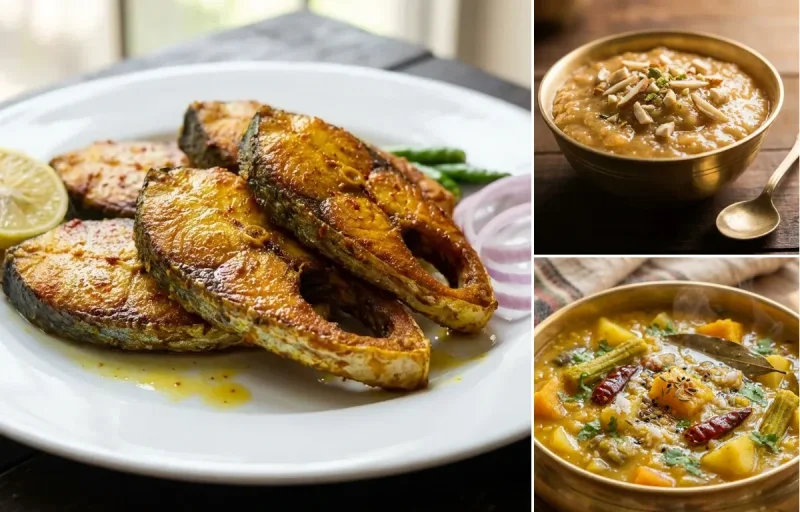
Macha Bhaja, Bihari Arna and Odia Dalma
Crispy Macha Bhaja with protein-packed, gut-friendly Dalma & Arna – a delicious, soul-satisfying combo!
45 min
981 cal
46gProtein
131gCarbs
32gFat
3Recipes
Loading...

Creamy, gut-friendly Dahi Nadia Tarkari with iron-boosting greens and spiced dumplings. Yum!
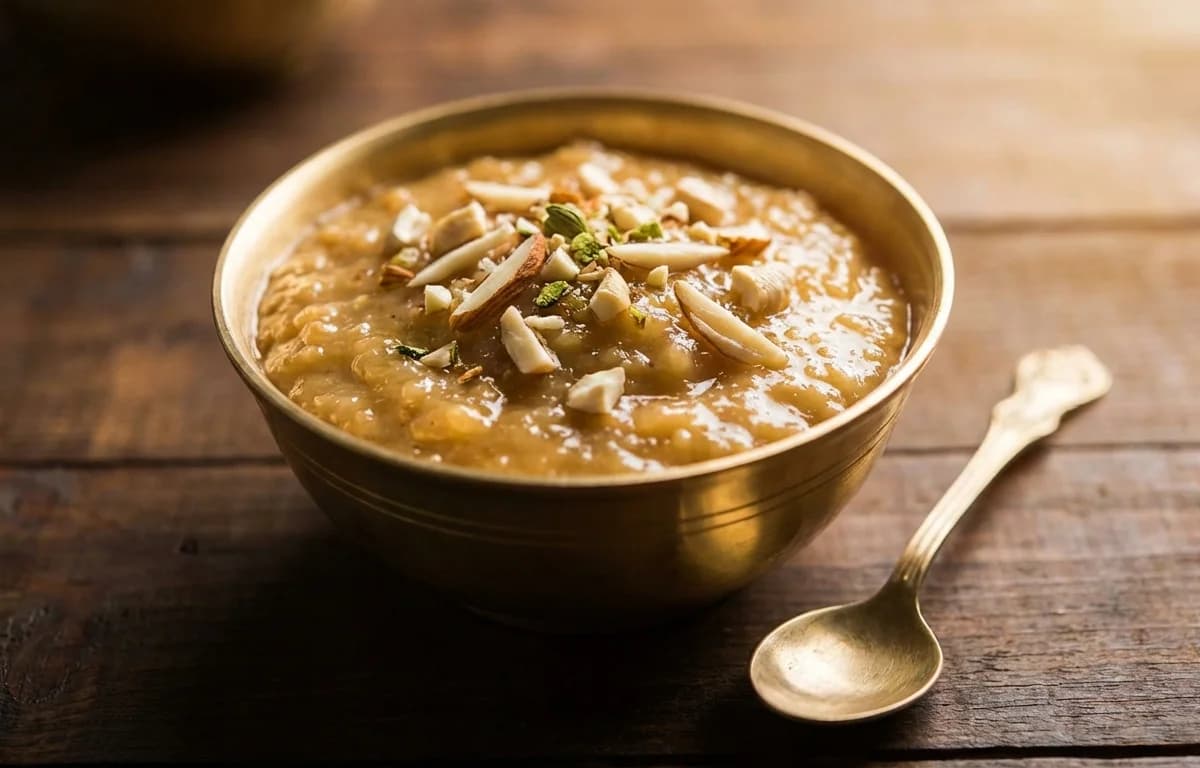
A traditional sweet rice pudding from Bihar, slow-cooked with fragrant rice, rich jaggery, and creamy milk. This comforting dessert, flavored with cardamom, is a festive favorite.
Serving size: 1 serving
Prepare the Rice
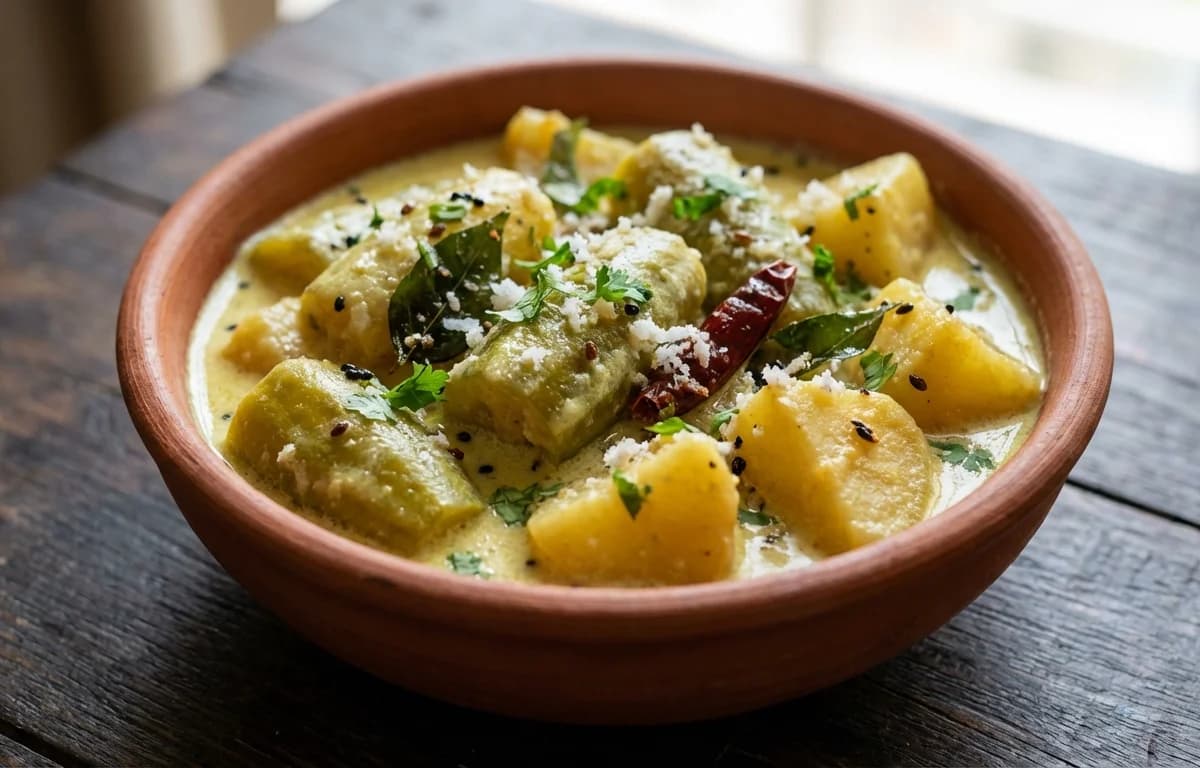
A creamy and tangy curry from Odisha, featuring tender vegetables simmered in a yogurt and fresh coconut gravy. This comforting dish, tempered with classic pancha phutana, is a beautiful accompaniment to steamed rice.
Serving size: 1 serving
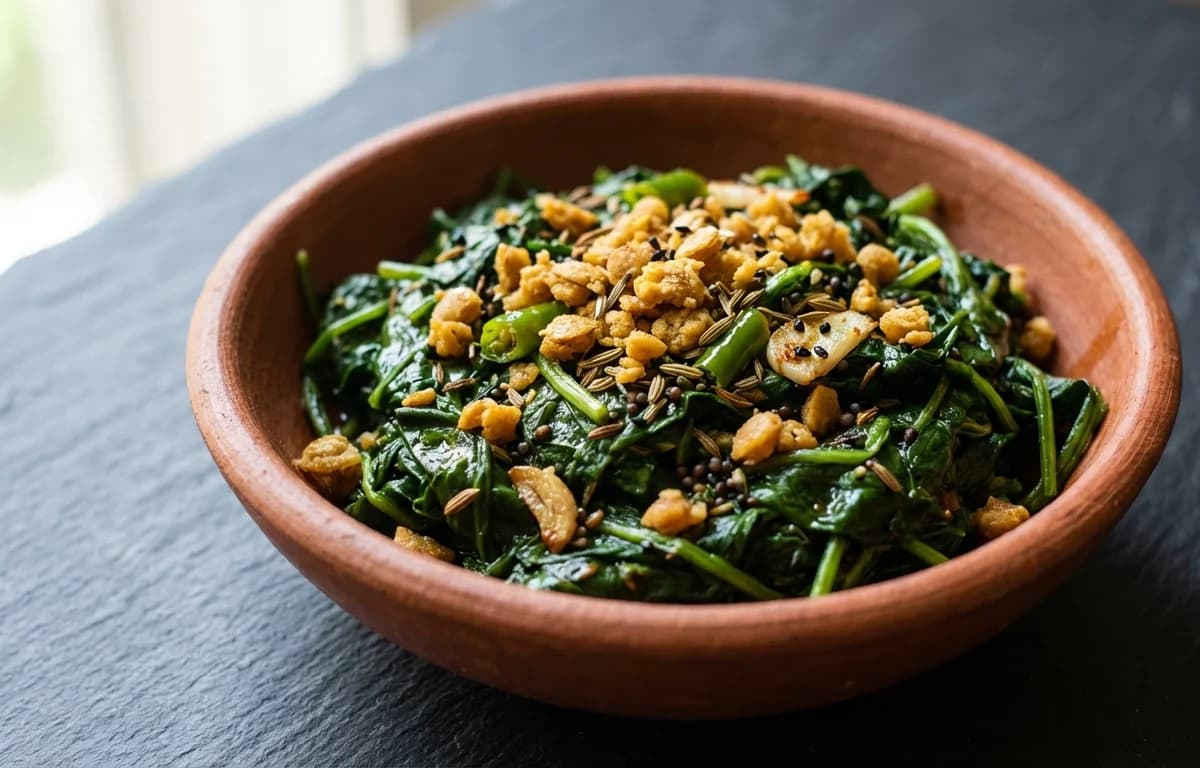
A simple and nutritious Odia stir-fry made with fresh amaranth leaves, garlic, and chilies. This quick and healthy side dish brings a rustic, earthy flavor to any meal and is ready in minutes.
Serving size: 1 serving
Creamy, gut-friendly Dahi Nadia Tarkari with iron-boosting greens and spiced dumplings. Yum!
This odia dish is perfect for dinner. With 1030.71 calories and 28.939999999999998g of protein per serving, it's a nutritious choice for your meal plan.
Discover authentic meals from cuisines around the world.
Find meals that fit your dietary preferences.
Find meals optimized for your goal.
Cook the Rice
Make the Jaggery Syrup
Simmer with Milk
Combine Jaggery and Milk (Crucial Step)
Finish and Thicken
Garnish and Serve
Prepare the yogurt base. In a mixing bowl, combine the whisked curd, besan, sugar, and 1/2 teaspoon of salt. Whisk vigorously until the mixture is completely smooth and free of lumps. For best results, ensure the curd is at room temperature. Set aside.
Sauté the vegetables. Heat 2 tablespoons of mustard oil in a kadai or heavy-bottomed pan over medium heat. Once the oil is hot, add the cubed potatoes and potala. Sauté for 8-10 minutes, stirring occasionally, until they are lightly browned and about 80% cooked. Remove the vegetables from the pan and set them aside.
Prepare the tempering (Tadka). In the same pan, add the remaining 1 tablespoon of mustard oil. Once hot, add the pancha phutana and dried red chilies. Allow the seeds to splutter, which should take about 30 seconds. Then, add the curry leaves and hing, and sauté for another 15 seconds until fragrant.
Cook the aromatics and spices. Add the ginger paste and slit green chilies to the pan. Sauté for about a minute until the raw aroma of the ginger disappears. Lower the heat and add the turmeric powder, red chili powder, cumin powder, and coriander powder. Stir for 30 seconds, being careful not to burn the spices. Add the grated coconut and sauté for 2-3 minutes until it becomes aromatic.
Combine and simmer the curry. Reduce the heat to the absolute lowest setting. Slowly pour in the whisked yogurt mixture while stirring continuously and vigorously. This is crucial to prevent the curd from splitting. Once the yogurt is fully incorporated into the spice base, add the sautéed vegetables, the remaining 3/4 teaspoon of salt, and 1 cup of water. Mix gently.
Prepare the Greens
Temper Spices and Sauté Aromatics
Cook the Saga
Finish the curry. Increase the heat slightly to bring the curry to a gentle simmer. Do not allow it to come to a rolling boil. Let it simmer for 5-7 minutes, or until the gravy thickens to your desired consistency and the vegetables are fully cooked. Taste and adjust salt if needed.
Garnish and serve. Turn off the heat. Garnish with freshly chopped coriander leaves. Let the curry rest for 5 minutes before serving hot with steamed rice or roti.
Finish and Serve
Crispy Macha Bhaja with protein-packed, gut-friendly Dalma & Arna – a delicious, soul-satisfying combo!
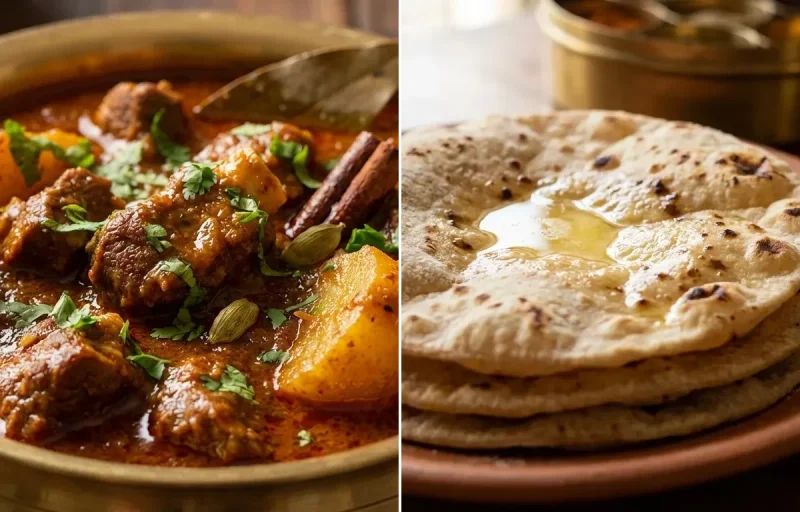
Protein-packed, aromatic Mansa Tarkari with soft rotis – a perfectly spiced, soul-satisfying comfort food!
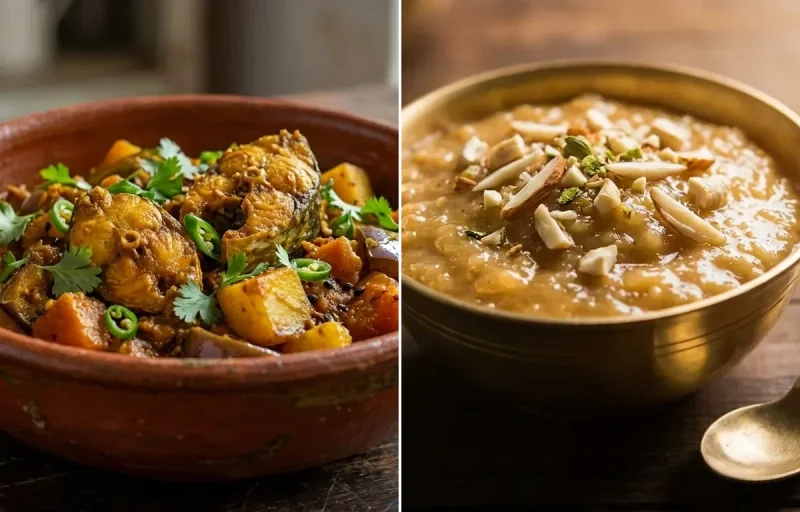
Hearty, fiber-rich Macha Chencheda with energy-giving Arna – a perfectly spiced, soul-satisfying meal!
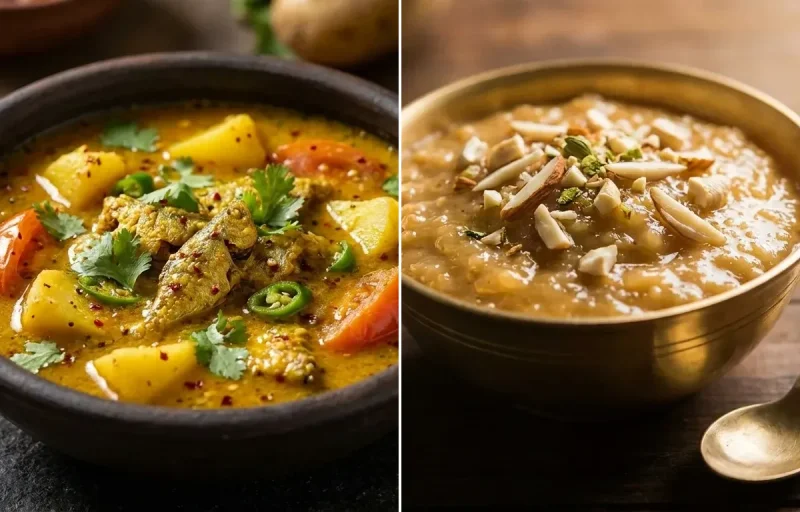
Aromatic Pohala Macha Jhola with energy-giving Arna – a perfectly spiced and protein-packed dinner!
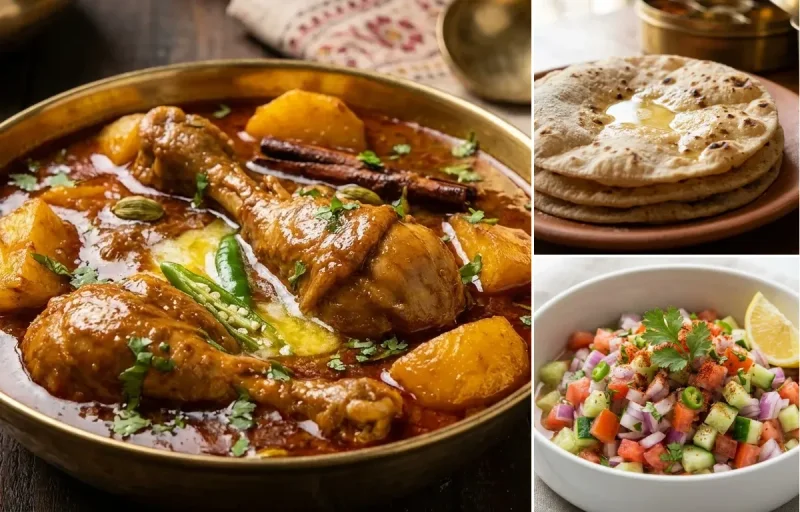
Protein-packed, aromatic Chicken Kalia with soft rotis and fresh salad – a perfectly spiced comfort food!
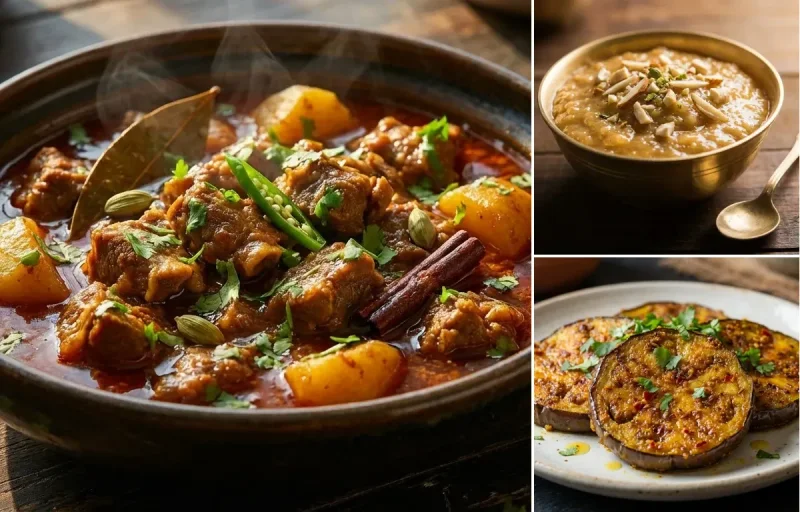
Aromatic Khasi Mansa Jhola with crispy Baigana Bhaja & Arna – a perfectly spiced, soul-satisfying feast!