Pappu Annam
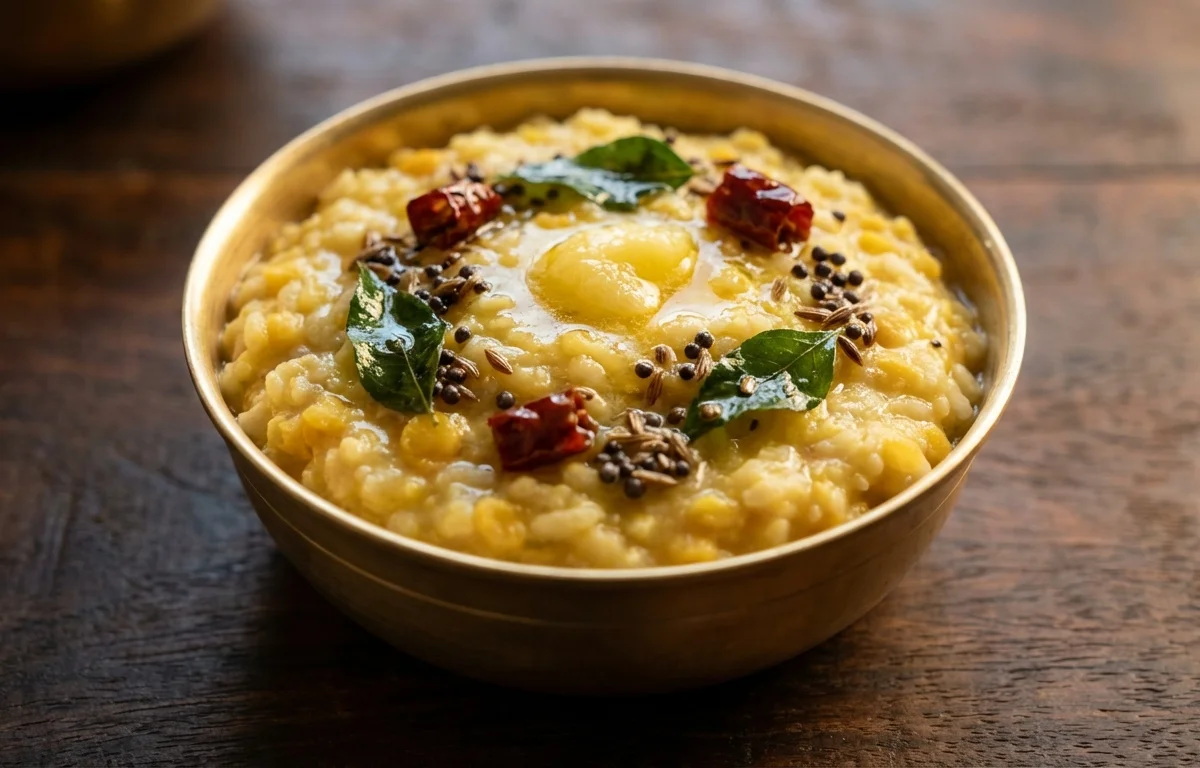
A comforting one-plate meal from Andhra Pradesh where soft, pressure-cooked toor dal is mashed with steamed rice, then drizzled with a fragrant ghee tempering of mustard seeds, cumin, curry leaves, and dried red chilies. Simple, rustic, and deeply satisfying with a dollop of fresh pickle or curd on the side.
For 4 servings
- prep · ~3 min
Wash the rice and dal.
Wash the rice in 2-3 changes of water until water runs clear. Wash the toor dal separately under running water. Soak both in fresh water while you get the cookers ready.
TIPSona masoori rice gives the best soft, fluffy texture for Annam. Aged basmati is too firm. - pressure cook · ~20 min
Pressure cook the dal with turmeric.
Add the washed toor dal to a pressure cooker with 2.5 cups water and a pinch of turmeric. Close the lid and cook on medium heat until you hear 3-4 whistles, then reduce heat and cook 5 more minutes. Let the pressure release naturally.
TIPNatural release is key — the dal continues to soften as the pressure drops. Forced release leaves it slightly grainy. - steam · ~18 min
Cook the rice.
Drain the soaked rice and add it to a rice cooker or pot with 3 cups of water and a pinch of salt. Cook until tender and all water is absorbed — about 15-18 minutes on stovetop or one rice cooker cycle.
TIPThe rice should be soft but not mushy. A slight mashability is perfect for Pappu Annam. - mix · ~2 min
Mash the dal and mix with rice.
Once the pressure releases, open the cooker. Add the remaining salt to the dal and mash it well with a ladle until smooth and creamy. Add the hot cooked rice and fold gently until the dal and rice are evenly combined into a soft, yellow-flecked mixture.
TIPMash while hot — cold dal turns lumpy. The heat from the dal wilts the rice into a cohesive, homestyle texture. - temper · ~2 min
Make the ghee tempering.
1.Heat ghee in a small tempering pan over medium heat until it shimmers.2.Add mustard seeds and let them pop for 20 seconds.3.Add cumin seeds and let them sizzle until fragrant (10 seconds).4.Add dried red chili, slit green chili, crushed garlic, and curry leaves. Fry until garlic turns golden and curry leaves crisp up (30-40 seconds).5.Switch off heat, add a pinch of asafoetida, and stir — it blooms in the residual hot ghee.TIPDon't let the garlic burn — golden is the target. Burnt garlic will make the whole tadka bitter. - mix · ~1 min
Pour the tempering over the dal-rice and fold through.
Immediately pour the hot ghee tempering over the dal-rice mixture. Use a spatula to gently fold it in until the golden ghee streaks appear throughout. Transfer to a serving bowl.
TIPFold, don't stir vigorously — you want pockets of tempered ghee to hit the palate unexpectedly. - serve
Serve Pappu Annam warm.
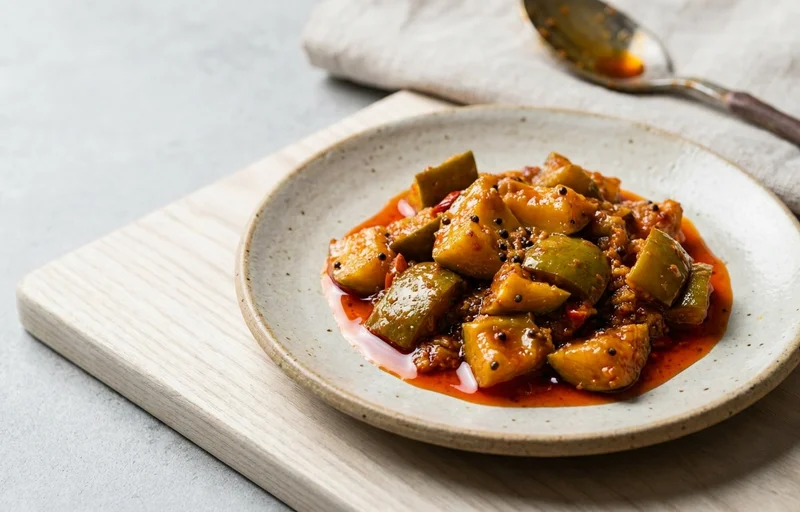
Serve the Pappu Annam warm in individual katoris. Place a dollop of fresh Andhra mango pickle (avakaya) or a spoonful of plain yogurt on the side, and offer a papad for crunch. The dish tastes best when eaten within 20 minutes of tempering.
TIPAndhra-style serving: make a small well in the center with the back of a spoon and pour a teaspoon of raw ghee in before the first bite.
What to keep in mind.
5 tips from the recipe — small details that make a real difference to the final dish.
- 1Use sona masoori or ponni rice for the ideal soft, mashable texture that absorbs the dal well.
- 2Natural pressure release for the dal is essential — it ensures a creamy, lump-free consistency.
- 3Mash the dal thoroughly while it's still hot; cold dal will turn lumpy and won't blend smoothly with the rice.
- 4Do not skip blooming the asafoetida in the residual hot ghee after switching off the flame — it removes raw odor.
- 5Fold the tempering gently into the dal-rice to leave pockets of fragrant ghee for bursts of flavor in every bite.
Adapt it for your goals.
Low-oil
Reduce ghee for tempering to 1 teaspoon and skip the garlic — ideal for those watching their fat intake or following a lighter digestive routine.
high proteinHigh-protein
Add ½ cup of cooked mung bean sprouts or crumbled paneer into the dal-rice mixture before tempering for an extra protein punch.
jainJain
Omit garlic and asafoetida (replace hing with a pinch of turmeric), and use only mustard seeds, cumin, and curry leaves in the tadka. Suitable for Jain dietary restrictions.
veganVegan
Substitute ghee with coconut oil or a neutral oil for the tempering — the result is still deeply aromatic and entirely plant-based.
spicySpicy
Crush 2 extra dried red chilies into the tadka and add a teaspoon of red chili powder along with the asafoetida for a fiery Andhra-style kick.
Why this is on our healthy list.
Rich in Plant Protein
Toor dal (pigeon pea lentils) provides a solid plant-based protein source, essential for muscle repair and satiety.
High in Dietary Fiber
The combination of whole lentils and rice delivers a good amount of fiber, supporting healthy digestion and steady energy release.
Anti-Inflammatory Spices
Turmeric, asafoetida, and curry leaves are rich in antioxidants and anti-inflammatory compounds that support joint and immune health.
Healthy Fats from Ghee
Ghee in the tempering supplies fat-soluble vitamins A, D, E, K and butyrate, which is beneficial for gut health.
Frequently asked questions
Yes, masoor dal (red lentils) or moong dal (split yellow mung) work well — adjust water slightly as they cook faster and yield a softer texture.



.webp)