Teetor Tenga
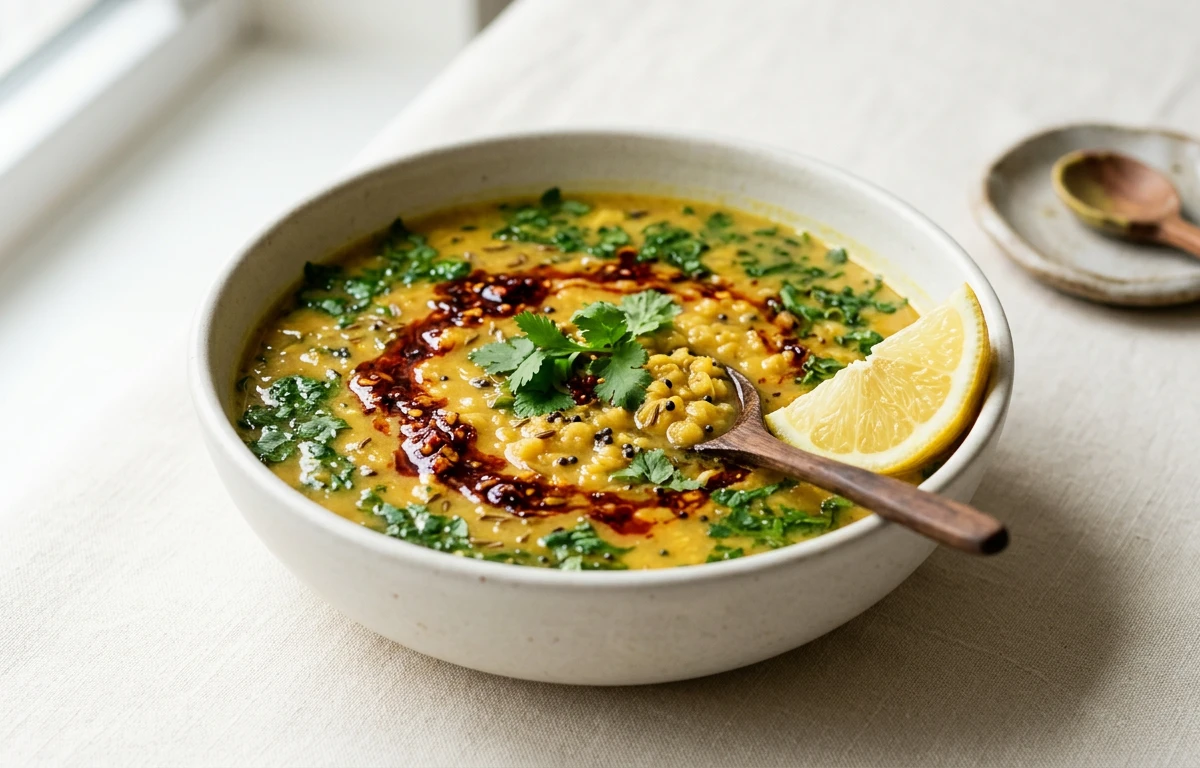
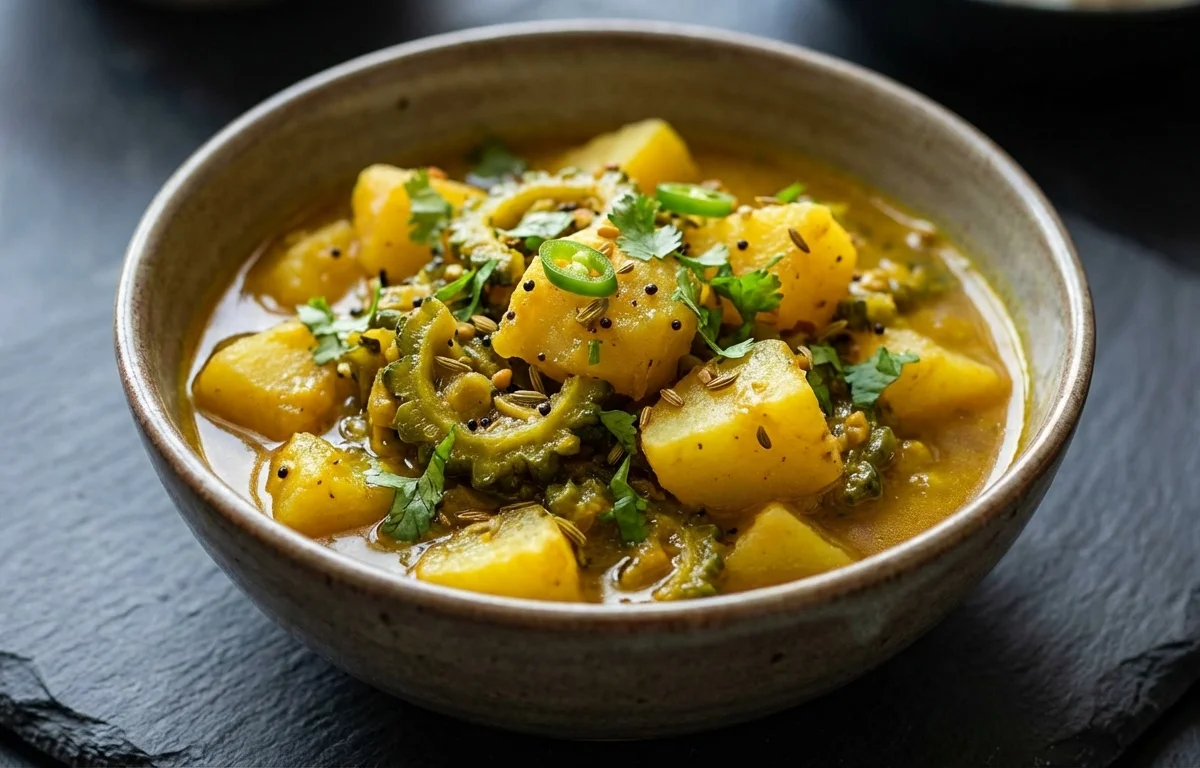
This light Assamese pigeon curry balances gentle spices with a pleasantly tangy finish from lemon. The gravy stays thin and comforting, letting the gamey richness of teetor shine without feeling heavy.
For 4 servings
- prep · ~10 min
Prepare the pigeon and vegetables.
1.Wash the pigeon pieces well and drain them fully.2.Slice the onion, crush the garlic and ginger, and chop the tomatoes.3.Peel the potato and cut it into 4 large pieces.4.Slit the green chilies and keep the lemon juice ready.TIPDraining the pigeon well helps it brown better in the oil. - saute · ~6 min
Brown the pigeon lightly.
1.Heat the mustard oil in a pan until it just starts to smoke lightly.2.Lower the heat and add the pigeon pieces.3.Cook, turning often, until the outside changes color and picks up light browning, 5 to 6 minutes.TIPDo not crowd the pan too much or the meat will steam instead of brown. - saute · ~6 min
Cook the onion, garlic, and ginger.
1.Add the sliced onion to the pan and cook until soft and light golden, 4 to 5 minutes.2.Add the crushed garlic and ginger.3.Stir for 1 minute until fragrant. - saute · ~5 min
Add the tomatoes and seasonings.
1.Add the chopped tomato, turmeric powder, black pepper, and salt.2.Cook until the tomatoes soften and turn pulpy, 4 to 5 minutes.3.Stir in the potato pieces and green chilies. - simmer · ~20 min
Simmer the curry until tender.
Pour in the water and bring the curry to a gentle boil. Lower the heat, cover, and simmer until the pigeon and potato are tender and the broth is light and flavorful, 18 to 20 minutes.
TIPKeep the gravy thin, as tenga is meant to be light rather than thick. - garnish · ~1 min
Finish with lemon juice and cilantro.
Turn off the heat and stir in the lemon juice. Taste the broth and adjust the sourness with a little more lemon juice if needed, then scatter the cilantro on top.
- serve
Serve the teetor tenga hot.
Serve hot with plain rice so the light, tangy broth can be spooned over the rice.
What to keep in mind.
7 tips from the recipe — small details that make a real difference to the final dish.
- 1Smoke the mustard oil briefly, then lower the heat before adding the pigeon to tame its raw sharpness.
- 2Drain the pigeon very well before browning so the pieces sear lightly instead of releasing water.
- 3Keep the onion only light golden; deep browning can make this tenga taste too heavy and sweet.
- 4Add the lemon juice only after switching off the heat so the sourness stays fresh and bright.
- 5The broth should remain thin and pourable; if it reduces too much, add a splash of hot water before serving.
- 6Bone-in pigeon can vary in age, so simmer until the meat near the joints feels tender when pierced.
- 7This curry often tastes even better after a short rest, once the light broth absorbs the meat and chili flavors.
Adapt it for your goals.
Less-spicy
Use fewer green chilies or leave them whole for a gentler heat while keeping the broth fragrant and balanced.
tomato forwardTomato-forward
Add one extra tomato for a slightly fruitier, softer tang if you want less dependence on lemon alone.
duck tengaDuck-tenga
Swap pigeon for duck pieces for a richer game-bird version; the light sour broth helps balance the extra fat.
no potatoNo-potato
Skip the potato for a lighter, brothier curry that lets the flavor of the pigeon stand out more clearly.
Why this is on our healthy list.
Protein-Rich Main Dish
Pigeon provides substantial protein, making this light curry filling without relying on a heavy cream or nut base.
Light, Non-Creamy Broth
The gravy is built from water, tomato, aromatics, and lemon rather than rich dairy, so the dish stays lighter on the palate.
Aromatic Digestive Ingredients
Ginger, garlic, black pepper, and green chili add flavor intensity while keeping the broth lively and warming.
Fresh Citrus Finish
Lemon juice adds bright acidity at the end, helping balance the richness of the meat and making the curry feel less heavy.
Frequently asked questions
Yes, duck works especially well for a similar gamey richness. Chicken can be used too, but the flavor will be milder and less distinctive.