Tschok Mutsch
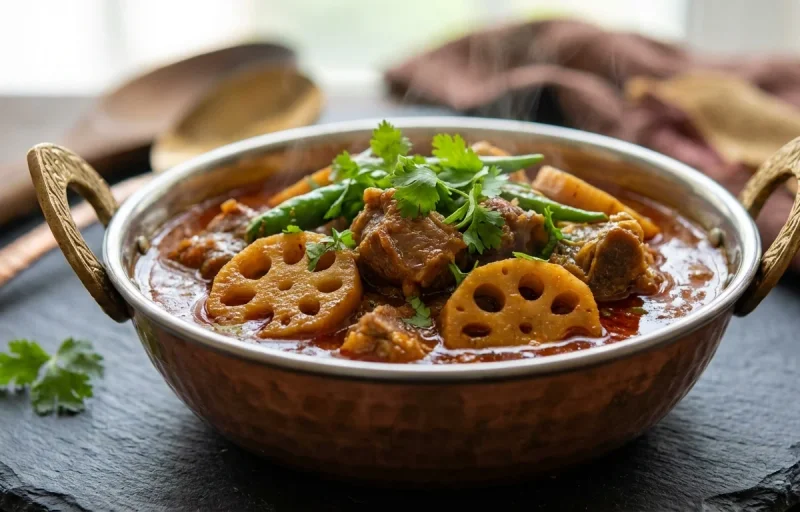
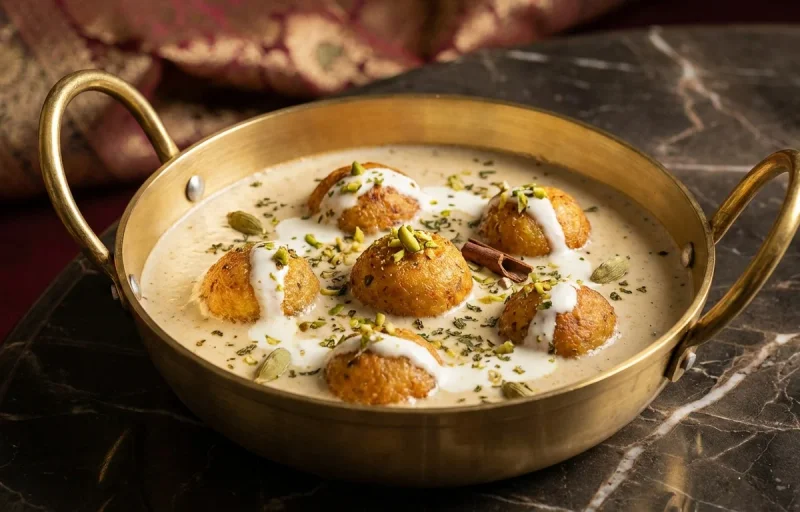
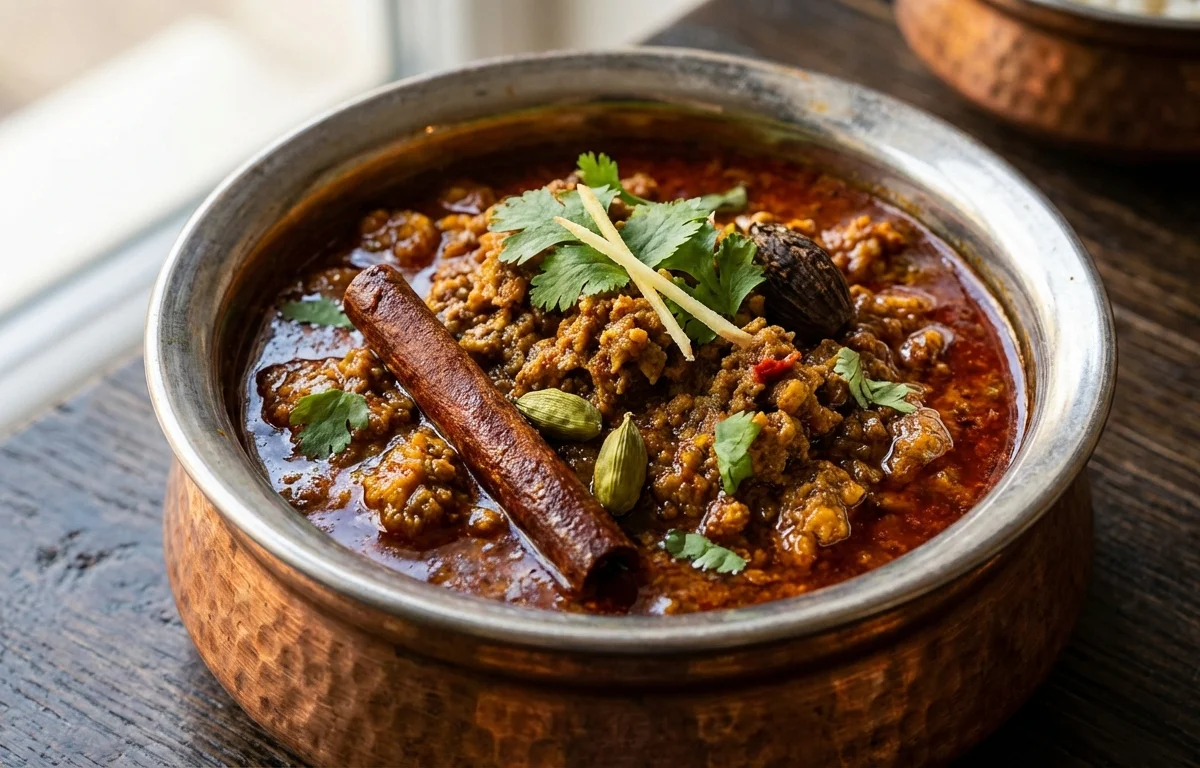
A classic Kashmiri delicacy featuring succulent mutton meatballs simmered in a tangy, aromatic gravy. The unique sourness from tamarind and the warmth of fennel and ginger powder make this dish truly unforgettable.
For 4 servings
Prepare the Meatballs (Mutsch)
1.In a large bowl, combine the mutton mince, finely chopped shallots, 1 tsp fennel powder, 1 tsp ginger powder, 0.5 tsp garam masala, 0.75 tsp salt, and 1 tbsp of mustard oil.2.Using your hands, mix the ingredients gently until just combined. Avoid overworking the mixture to keep the meatballs tender.3.Divide the mixture into 16-20 equal portions and roll them into smooth, compact balls, about 1.5 inches in diameter. Set them aside on a plate.Create the Aromatic Base (Tael-Daag)
1.Heat the remaining 4 tbsp of mustard oil in a heavy-bottomed pot or handi over medium-high heat until it reaches its smoking point. Immediately turn off the heat and let it cool for a minute. This process removes the oil's pungency.2.Turn the heat back to low. Add the hing, cinnamon stick, black and green cardamoms, and cloves. Sauté for 30-40 seconds until the spices release their aroma.3.In a small bowl, whisk the Kashmiri red chilli powder with 1/4 cup of water to form a smooth paste. This prevents the chili from burning.4.Pour the chili paste into the pot and cook for 1-2 minutes, stirring constantly, until the oil begins to separate from the paste, indicating it's well-cooked.Simmer the Meatballs
1.Add the remaining 1.5 tsp fennel powder, 1 tsp ginger powder, and 0.25 tsp turmeric powder to the pot. Stir for 30 seconds to cook the raw spices.2.Pour in 4 cups of water, add the remaining 1 tsp of salt, and bring the gravy to a vigorous, rolling boil.3.Gently slide the prepared meatballs into the boiling gravy one by one. CRITICAL: Do not stir for the first 5-7 minutes. This allows the meatballs to firm up and prevents them from breaking apart.4.After 7 minutes, you can gently shake the pot. Reduce the heat to low, cover with a lid, and let it simmer for 30-35 minutes, or until the meatballs are fully cooked and tender.Finish with Tamarind and Serve
1.Uncover the pot and gently stir in the tamarind pulp. The amount can be adjusted depending on how tangy you prefer the curry.2.Allow the curry to simmer uncovered for another 5-7 minutes, letting the sour flavor meld with the spices and the gravy to slightly thicken.3.Taste and adjust the salt if necessary. The final gravy should be thin, aromatic, and flavorful.4.Serve Tschok Mutsch hot, traditionally accompanied by steamed white rice to soak up the delicious gravy.
What to keep in mind.
5 tips from the recipe — small details that make a real difference to the final dish.
- 1For the most authentic flavor, do not skip the step of smoking the mustard oil. It's a hallmark of Kashmiri cooking.
- 2Ensure the gravy is at a rolling boil when you add the meatballs. The initial high heat helps to seal them instantly.
- 3If your mince is very lean, you can add a tablespoon of roasted gram flour (besan) as a binder, but traditionally it's not used.
- 4This dish develops more flavor over time. It tastes even better the next day.
- 5To make tamarind pulp, soak a small lemon-sized ball of tamarind in 1/2 cup of hot water for 15 minutes, then squeeze and strain the liquid.
Adapt it for your goals.
Protein Swap
You can make this dish with chicken or lamb mince. Adjust the cooking time accordingly; chicken will cook faster than mutton.
Add VegetablesAdd Vegetables
For a variation, you can add turnips (gogji) or lotus stem (nadru) to the gravy along with the meatballs. They will absorb the tangy flavors beautifully.
Milder VersionMilder Version
If you prefer less heat, reduce the amount of Kashmiri red chilli powder. The color will be less intense, but the flavor will still be delicious.
Why this is on our healthy list.
Rich in Protein
Mutton is an excellent source of high-quality protein, which is vital for building and repairing tissues, muscle growth, and overall body function.
Aids Digestion
The use of fennel powder (saunf) and ginger powder (sonth) is a key feature of Kashmiri cooking. These spices are known for their digestive properties, helping to reduce bloating and improve gut health.
Excellent Source of Iron
Mutton is rich in heme iron, a form of iron that is more easily absorbed by the body. Adequate iron intake is crucial for preventing anemia and maintaining high energy levels.
Anti-inflammatory Spices
The curry is flavored with spices like turmeric, ginger, and cloves, which contain compounds known for their potent anti-inflammatory and antioxidant properties.
Frequently asked questions
'Tschok' means sour in Kashmiri, and 'Mutsch' refers to minced meat meatballs. So, the name literally translates to 'Sour Meatballs'.