Loading...
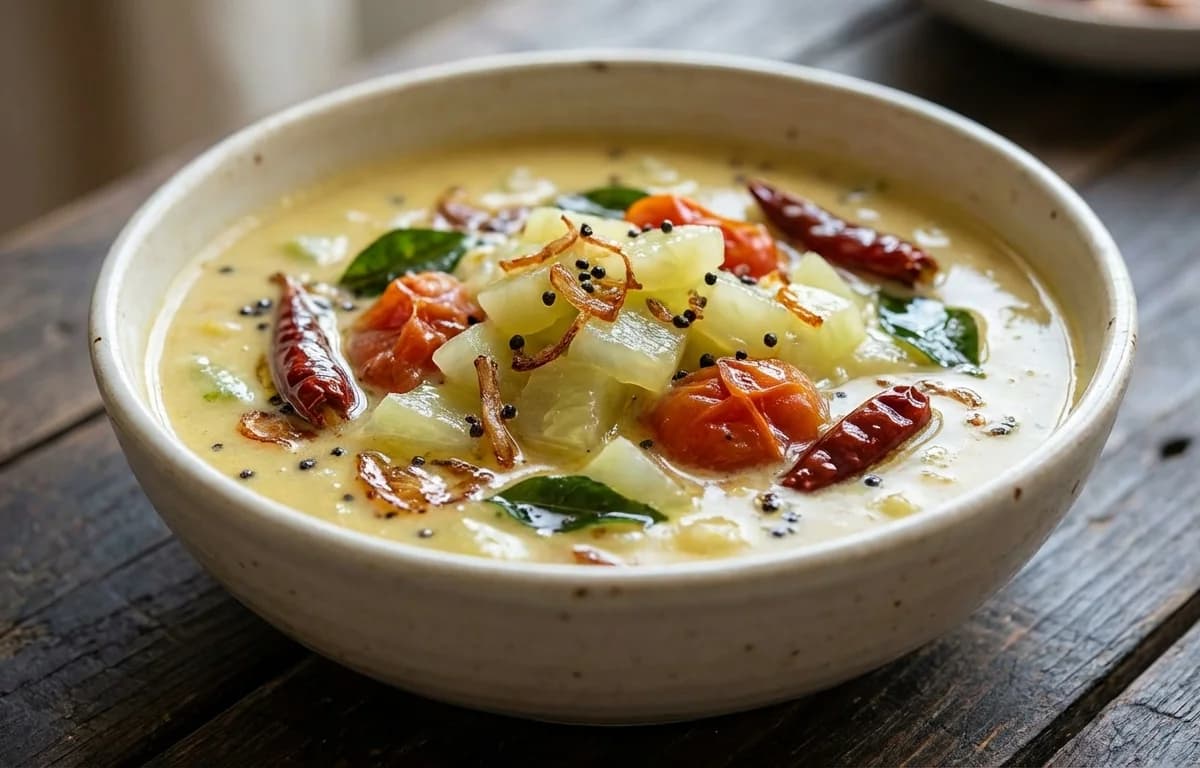
A light, comforting lentil and cucumber stew from Kerala. The mild sweetness of yellow cucumber and creamy coconut make it a perfect accompaniment for steamed rice. It's a simple, everyday dish that's both healthy and delicious.
For 4 servings
Pressure Cook the Dal
Prepare Coconut Paste
Cook the Cucumber
A light, comforting lentil and cucumber stew from Kerala. The mild sweetness of yellow cucumber and creamy coconut make it a perfect accompaniment for steamed rice. It's a simple, everyday dish that's both healthy and delicious.
This kerala recipe takes 40 minutes to prepare and yields 4 servings. At 284.49 calories per serving with 10.21g of protein, it's a beginner-friendly recipe perfect for lunch or dinner.
Discover authentic recipes from cuisines around the world.
Find recipes that fit your dietary preferences.
Find recipes optimized for your goal.
Combine and Simmer
Gentle Simmer
Prepare the Tempering (Tadka)
Finalize and Serve
Replace toor dal with moong dal for a lighter, quicker-cooking version. The cooking time for moong dal will be shorter.
Add vegetables like drumsticks (moringa) or raw banana along with the cucumber for extra flavor and texture.
For a richer curry, use 1/2 cup of thin coconut milk instead of water to adjust the final consistency.
Toor dal is an excellent source of protein and essential amino acids, which are crucial for muscle repair, growth, and overall body function.
The high fiber content from both lentils and cucumber aids digestion, prevents constipation, and supports a healthy gut microbiome.
Yellow cucumber has high water content, which helps in keeping the body hydrated. In Ayurvedic tradition, it's considered a cooling food, making this dish perfect for warmer weather.
The use of coconut and coconut oil provides medium-chain triglycerides (MCTs), a type of healthy fat that is easily digested and can provide a quick source of energy.
Yes, it's a very healthy dish. It's rich in plant-based protein from lentils, fiber from both lentils and cucumber, and healthy fats from coconut. It's a balanced, wholesome meal when served with rice.
One serving (approximately 1 cup or 400g) contains around 250-300 calories, depending on the amount of coconut and oil used. It's a relatively low-calorie main dish.
Vellarikka is a yellow cucumber, also known as Madras cucumber. It's less watery and holds its shape well when cooked. You can substitute it with zucchini or bottle gourd (lauki), but the taste and texture will be different. Regular green cucumbers are not recommended as they become too mushy.
Absolutely. You can cook the toor dal in an open pot. It will take longer, about 45-60 minutes, and you'll need to add more water as it evaporates. Ensure the dal is fully cooked and soft before proceeding.
Leftover curry can be stored in an airtight container in the refrigerator for up to 2 days. The curry may thicken upon cooling; add a splash of warm water while reheating on the stovetop or in the microwave.
Yes, moong dal (split yellow lentils) is a common substitute. It cooks faster and gives the curry a slightly different, lighter texture and flavor.

A creamy, comforting Kerala-style curry where eggs are gently poached in a fragrant coconut milk gravy. Spiced with classic South Indian flavors, it's a quick and delicious dish best served with rice or appam.
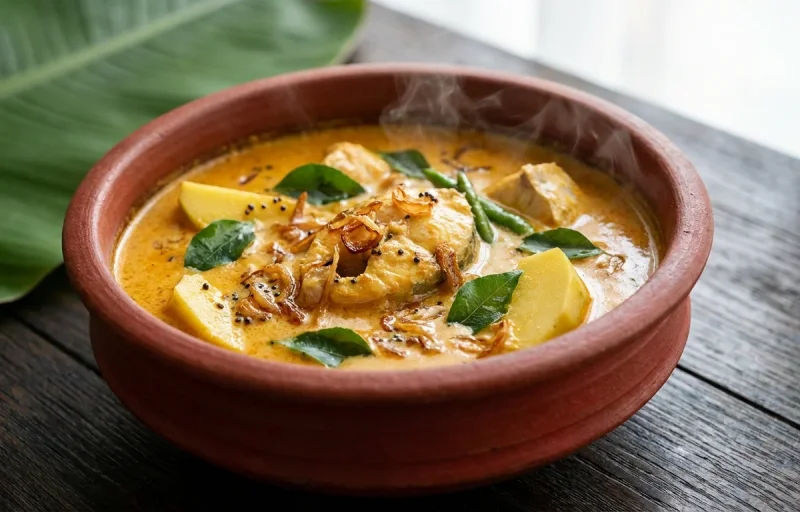
A classic Kerala fish curry from the backwaters of Alleppey. Tender fish simmered in a creamy coconut milk gravy, made tangy with raw mangoes. A perfect side for steamed rice.

A creamy and fragrant egg curry from the heart of Kerala, made with hard-boiled eggs simmered in a spiced coconut milk gravy. This authentic 'Mutta Curry' is a perfect side for appam, idiyappam, or steamed rice.
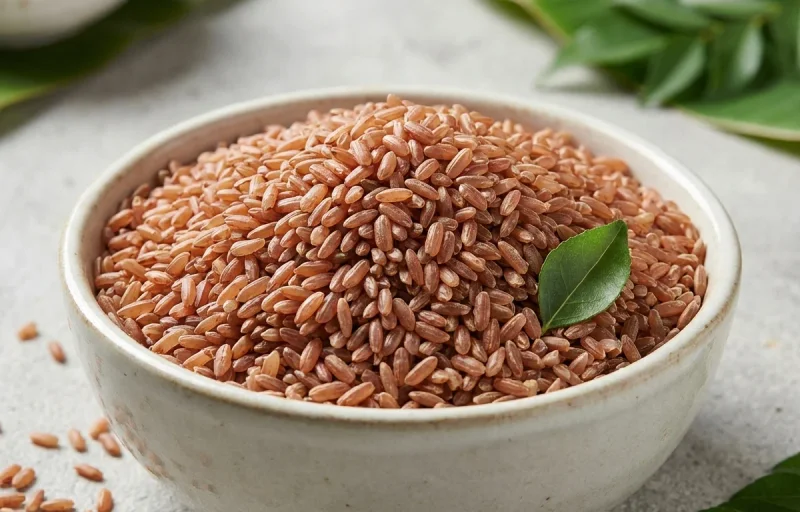
An authentic guide to cooking perfect Kerala Matta Rice, a traditional parboiled red rice with a unique earthy flavor and delightfully chewy texture. This nutrient-packed staple is the ideal accompaniment for classic South Indian curries like sambar and avial.