Chicken Breast: Nutrition, Protein, Glycemic Index & How to Cook It Right: verified nutrition facts, glycemic context, serving guidance, and practical cooking ideas.
↑ A simple chicken breast, cooked well, is one of the most versatile proteins you can eat.
The ultimate lean protein
Let's be honest: nobody gets excited about chicken breast. It's the sensible shoe of the food world. But its 'boring' reputation comes from one simple, repeated mistake: overcooking. When you cook it just right, it’s tender, juicy, and incredibly versatile.
Its real superpower is its nutritional simplicity. It's almost pure protein. This makes it an incredibly efficient food for building muscle, staying full, and anchoring a meal without adding carbs or a lot of fat. It's less a finished product and more a perfect starting point.
IN ONE LINE
A 100g serving of chicken breast is almost pure protein, with zero carbs and a glycemic index of 0. The secret isn't fancy marinades; it's not overcooking it.
Chicken breast nutrition facts
Here's the nutritional breakdown for a 100-gram (about 3.5 ounces) serving of raw, boneless, skinless chicken breast. Remember that cooking methods can add fat and sodium.
The numbers speak for themselves. With 31 grams of high-quality, complete protein and only 3.6 grams of fat in a 165-calorie package, chicken breast has one of the highest protein-to-calorie ratios of any common food. It's a straight-up protein delivery system, which is why it's a fixture in athlete and fitness diets.
Chicken breast's glycemic index
What's the glycemic index (GI) of chicken breast? It’s a bit of a trick question. The answer is zero. The glycemic index measures how quickly a food containing carbohydrates raises your blood sugar. Since chicken breast has no carbs, it has no GI value and will not raise your blood sugar levels on its own. This makes it a fantastic food for anyone managing blood sugar, from people with diabetes to those on a ketogenic diet.
GLYCEMIC INDEX · CHICKEN vs COMMON FOODS
Chicken breast has no impact on blood sugar
Chicken Breast
no carbs
ZERO
Apple
whole fruit
LOW
Pineapple
whole fruit
MEDIUM
White bread
refined
HIGH
Cornflakes
refined
HIGH
SCALE 0–90
04590
How to cook it perfectly
The difference between dry, stringy chicken and juicy, tender chicken is about 10 degrees and 5 minutes. It's that simple. Forget complex recipes and focus on technique.
01
Use a meat thermometer.
This is non-negotiable. Pull the chicken from the heat when the thickest part reads 160-165°F (71-74°C). It will continue to cook as it rests.
02
Try a quick brine.
Soaking chicken breast in a simple saltwater solution (1/4 cup salt to 4 cups water) for just 30-60 minutes makes it dramatically juicier.
03
Pound it to an even thickness.
Place the breast between two pieces of plastic wrap and gently pound the thick end until it matches the thin end. This ensures even cooking.
04
Let it rest before slicing.
After cooking, let the chicken rest on a cutting board for 5-10 minutes. This allows the juices to redistribute, keeping it moist.
05
Slice against the grain.
Look for the direction the muscle fibers run, and slice perpendicular to them. This creates shorter fibers and a more tender bite.
What chicken breast is good for
01
Muscle growth and repair
With 31g of complete protein, chicken breast provides all the essential amino acids your body needs to build and maintain lean muscle.
31g
protein
02
Effective weight management
Protein is the most satiating macronutrient. A high-protein meal keeps you feeling full for longer, helping to reduce overall calorie intake.
165
calories
03
Stable blood sugar
Since it contains zero carbohydrates, chicken breast has no impact on blood sugar levels, making it a perfect anchor for any meal.
GI 0
zero carbs
04
Strong bones and tissues
Protein isn't just for muscles. It's a fundamental component of bones, skin, and connective tissues throughout the body.
62%
protein DV
What to pair chicken with
Chicken breast is a team player. Its mild flavor means it pairs well with almost anything. The goal is to add fiber, healthy fats, and complex carbs to build a balanced plate.
Eat freely — or be mindful?
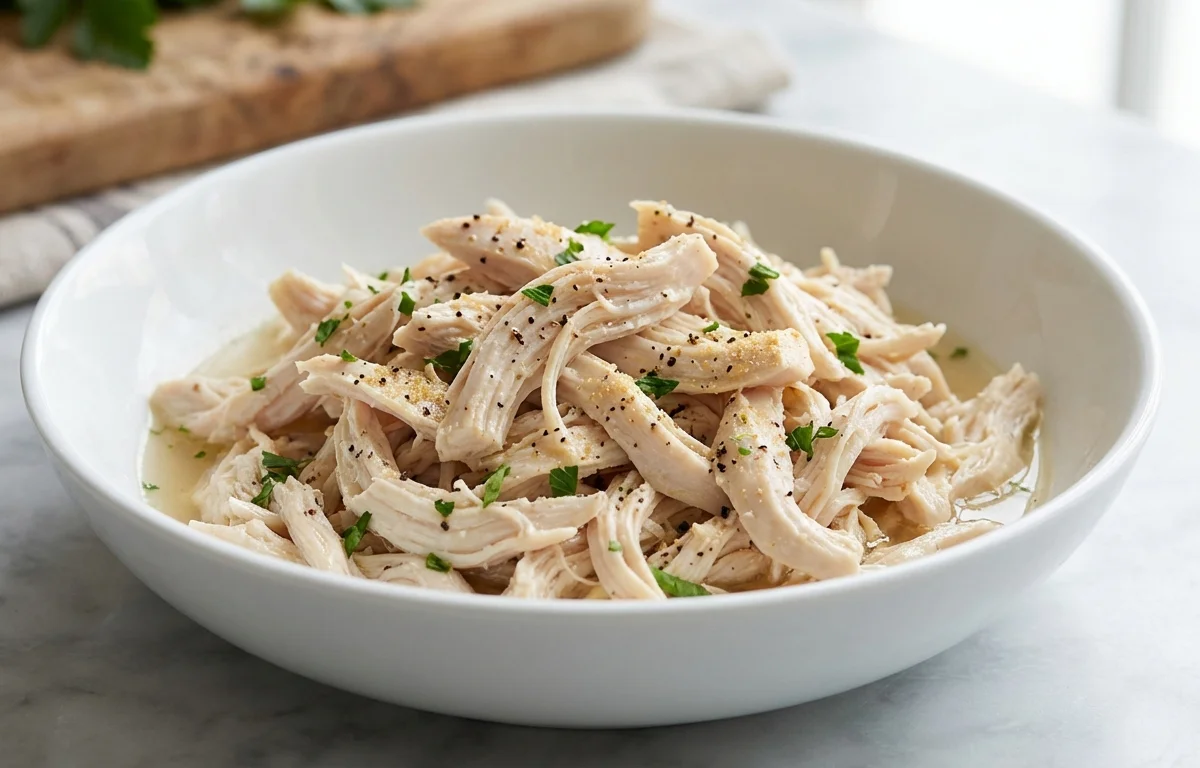
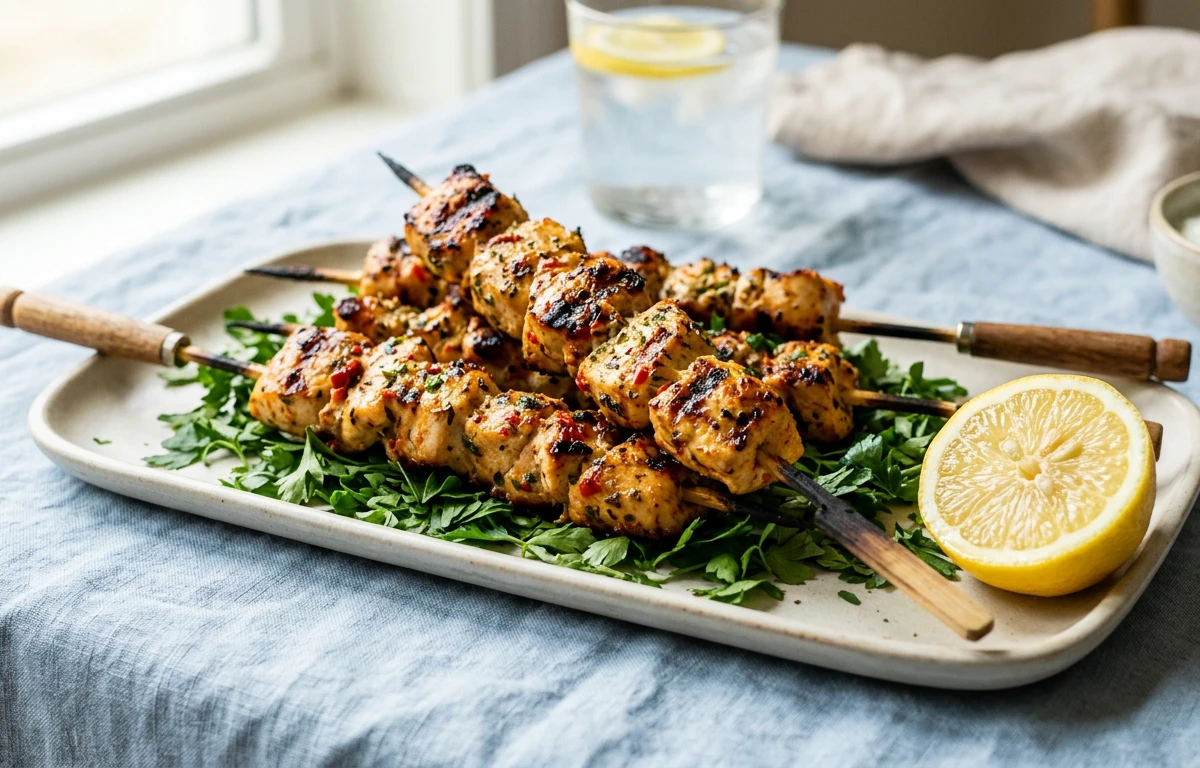
Three simple recipes
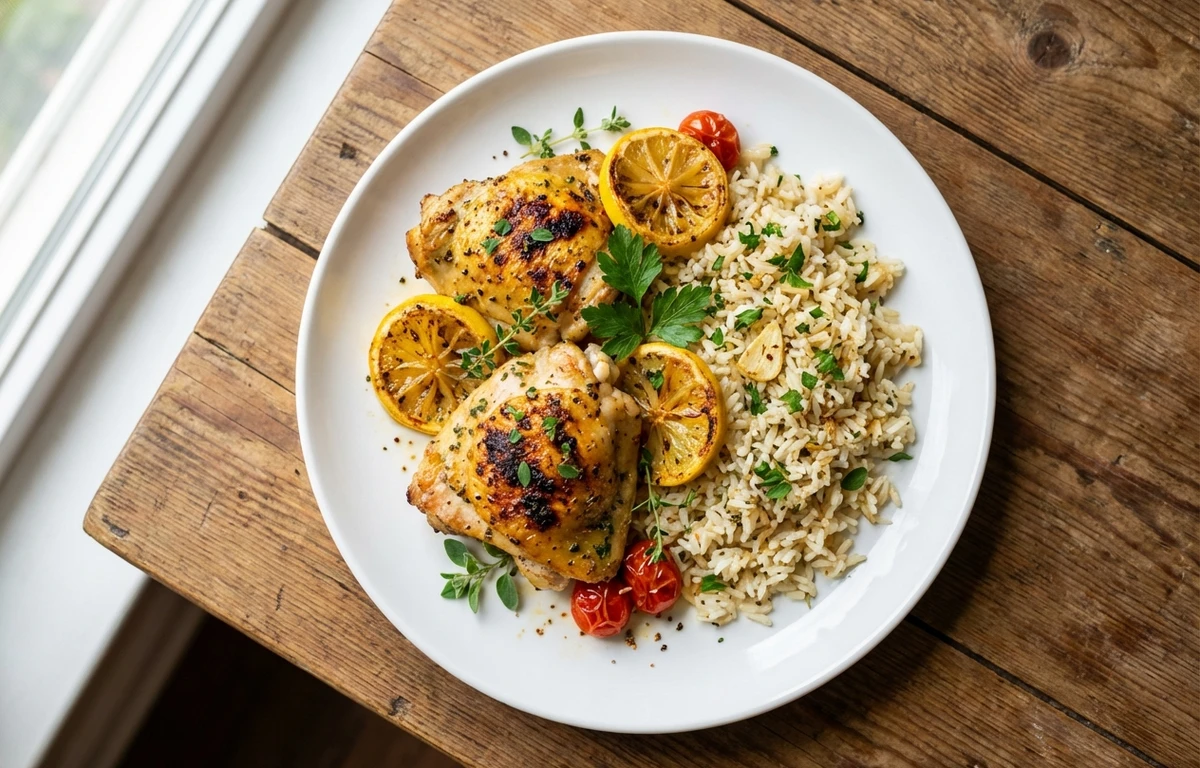
Here are three foolproof ways to prepare chicken breast that keep it juicy and flavorful, making it a staple you'll actually enjoy eating.
Want lean protein worked into a balanced week — without the planning?
Our meal planner builds delicious, easy meals around high-quality proteins like chicken breast, pairing them with the right carbs and fats for steady energy. Get a plan with macros already calculated and a single grocery list.
Build my weekly plan →SOURCES & REFERENCES · 3
One more thing
Eating well is rarely about willpower. It’s about having a short list of dinners you actually want to eat. Pick two from this list. Make them next week. The rest will follow.
If you want these on autopilot, our weekly meal planner can drop the picks above into your calendar with one click and build a single grocery list from the merged ingredients.
FREQUENTLY ASKED QUESTIONS
Frequently asked questions
Is chicken breast good for weight loss?
Yes, it's one of the best foods for weight loss. It's high in protein, which helps you feel full and satisfied, and it's relatively low in calories. This combination makes it easier to maintain a calorie deficit without feeling hungry.
How much protein is in one chicken breast?
A standard 100g (3.5 oz) serving of raw, boneless, skinless chicken breast contains about 31 grams of protein. The exact amount can vary slightly depending on the size and specific cut.
Why is my chicken breast always dry?
The most common reason is overcooking. Chicken breast is very lean, so it dries out quickly. Use a meat thermometer and pull it from the heat at 165°F (74°C). Also, try a quick 30-minute brine or pounding it to an even thickness before cooking.
Is it healthier than chicken thighs?
Healthier depends on your goals. Chicken breast is leaner, with fewer calories and less fat, making it ideal for weight loss. Chicken thighs have more fat, which makes them more flavorful and harder to overcook. Both are excellent sources of protein.
METHODOLOGY
How this article was created
Built using verified nutrition databases, culinary research, and traditional cooking knowledge — every claim is cross-referenced against the sources listed in the article.
· USDA data· Culinary research· Quality reviewed
Read our methodology →TRANSPARENCY
About this content
Articles are curated using trusted food databases (USDA FoodData Central, IFCT), culinary literature, and dietary guidelines, then structured by our editorial team for clarity, accuracy, and usefulness.
· Verified data sources· Culinary research· Quality reviewed
Read our editorial policy →RELATED RECIPES
Cook from this article
EXPLORE OUR MEALS
Meals that fit this article

AMERICAN · 1677 CAL
Almonds with Sliced Apple + supplement + iron

MEDITERRANEAN · 809 CAL
Greek Yogurt with Berries Almonds and Granola + supplement + iron

GENERAL_HEALTHY · 705 CAL
Banana with Peanut Butter Pregnancy + supplement + iron
MODERN · 982 CAL
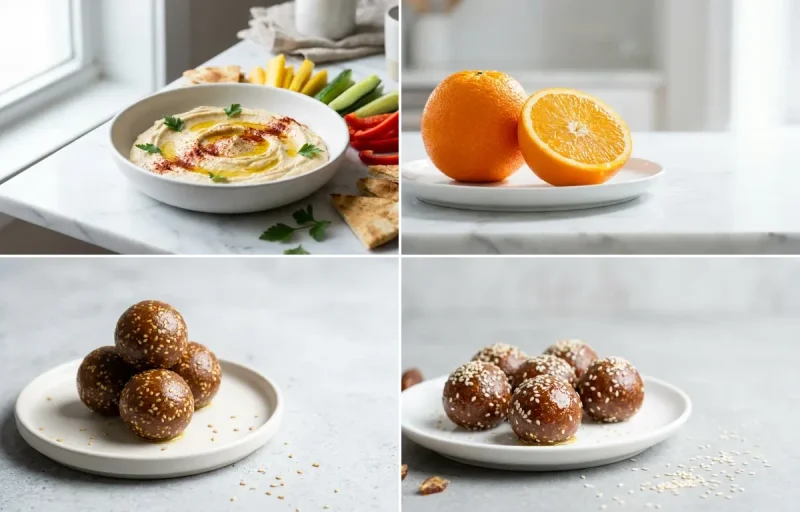
Hummus with Crudits and Pita with Fresh Orange Snack + supplement + iron
TAGGED
KEEP READING