Health & Nutrition · 8 MIN READ
7 Kidney-Friendly Snacks for Non-Dialysis CKD: A Dietitian-Informed Guide
Seven dietitian-informed snack ideas for non-dialysis CKD, with potassium, sodium and phosphorus context per serving and clear traps to avoid.
Loading...
Seven dietitian-informed snack ideas for non-dialysis CKD, with potassium, sodium and phosphorus context per serving and clear traps to avoid.
For people living with chronic kidney disease (CKD), the gap between meals is often where dietary plans quietly unravel. Crackers, chips, pretzels, trail mix and flavored yogurts are engineered for convenience, not for kidneys, and most of them deliver outsized amounts of the three minerals nephrologists watch most closely: sodium, potassium and phosphorus.
The 2024 KDIGO Clinical Practice Guideline for CKD recommends keeping sodium below roughly 2 g per day (about 5 g of salt) for adults with non-dialysis CKD, and KDOQI 2020 echoes a similar target [2][3]. Potassium and phosphorus needs are more individualized and depend on labs, medications and stage, but the National Kidney Foundation flags one consistent rule for snacking: avoid foods with inorganic phosphate additives, which are absorbed almost completely, unlike the phosphorus naturally bound in plants [4].
The seven ideas below are built around whole or minimally processed foods with predictable mineral loads. They are written for adults with stage 3-4 CKD who are not yet on dialysis. Anyone with a potassium binder, fluid restriction, diabetes or active hyperkalemia should review portions with their nephrologist or renal dietitian before adopting them.
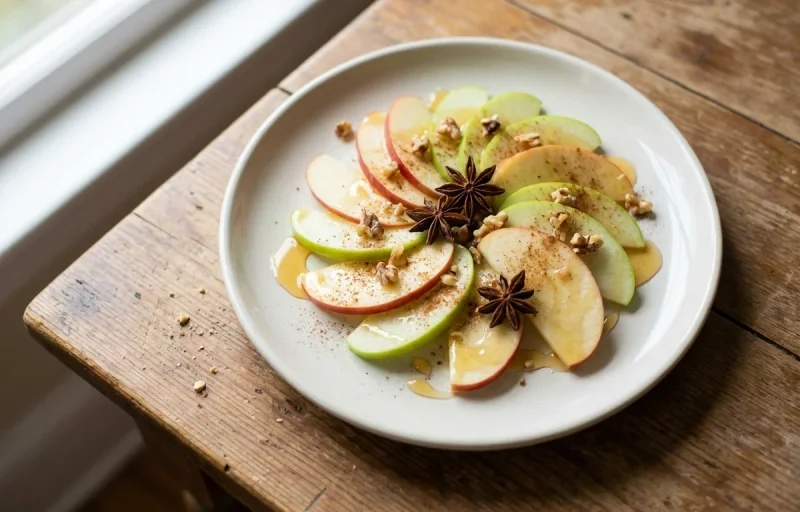
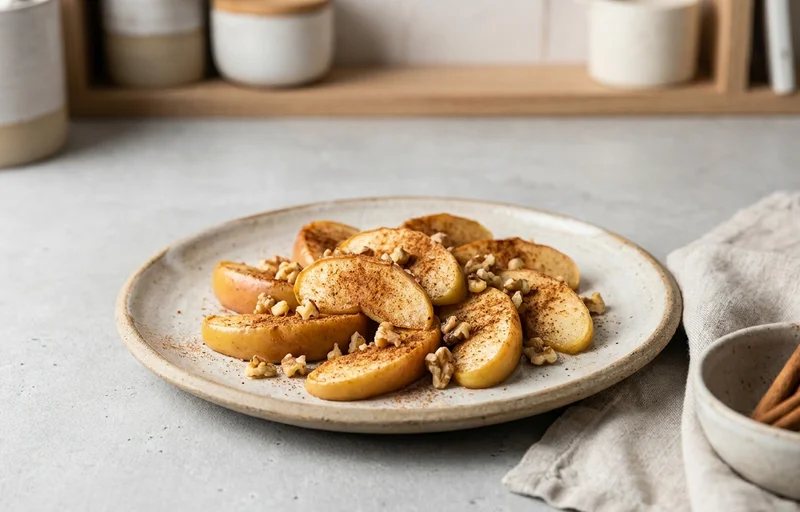
These snacks are sized to land roughly under 200 mg sodium, 250 mg potassium and 150 mg phosphorus per serving — conservative defaults for non-dialysis stage 3-4 CKD. Actual targets vary by stage, labs and medications; your nephrologist or renal dietitian should set yours. If you eat two snacks in a day, halve the portions or alternate a higher-protein option (egg white muffin, cottage cheese) with a lower-mineral option (apple slices, air-popped popcorn).
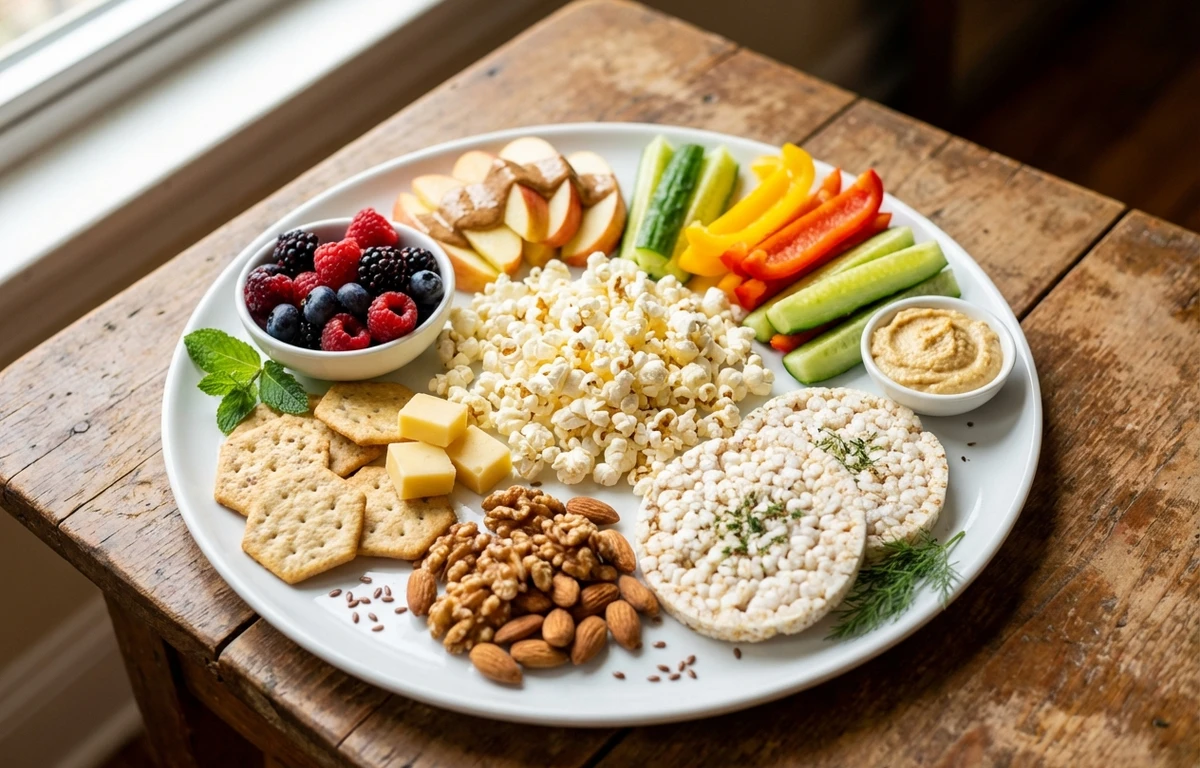
Snacking with CKD is less about deprivation and more about predictability: portions you can measure, ingredient lists you can read, and minerals you can roughly count. Air-popped popcorn, apple slices, unsalted rice cakes, egg whites and low-sodium cottage cheese all fit that brief; salted pretzels, potato chips, processed crackers with 'PHOS' additives and large servings of cashews or hummus generally do not. Use the numbers in this guide as starting points, not prescriptions, and let your nephrologist or registered renal dietitian translate them into a plan that matches your labs, medications and stage.

Kayte is a nutrition writer, food and recipe content creator, and wellness educator. She bridges evidence-based nutrition science with everyday cooking — translating research into practical recipes, meal ideas, and wellness habits that readers can actually use in their kitchens.
Meet the editorial team →Built using verified nutrition databases, culinary research, and traditional cooking knowledge — every claim is cross-referenced against the sources listed in the article. Last reviewed May 2026.
Articles are curated using trusted food databases (USDA FoodData Central, IFCT), culinary literature, and dietary guidelines, then structured by our editorial team for clarity, accuracy, and usefulness.