7 Safe and Delicious CKD-Friendly Lunch Ideas (American Style)
Discover 7 safe and tasty American-style lunch ideas for non-dialysis CKD (stages 3-4). Find meals controlled in protein, sodium, potassium, and phosphorus.
Loading...
Discover 7 safe and tasty American-style lunch ideas for non-dialysis CKD (stages 3-4). Find meals controlled in protein, sodium, potassium, and phosphorus.
Use this as a planning starting point, then adjust portions and food choices to the guidance from your care team.
Lunch is where a kidney-friendly eating plan most often slips. A weekday sandwich, a deli wrap, a fast-casual rice bowl — each can quietly carry a day's worth of sodium and a load of inorganic phosphate additives that the failing kidney cannot clear. For adults with non-dialysis chronic kidney disease (CKD) stages 3–4, the 2020 KDOQI nutrition guidelines recommend restricting protein to roughly 0.55–0.60 g/kg of ideal body weight per day in metabolically stable patients (0.6–0.8 g/kg if diabetes is also present) to slow progression to kidney failure [1]. The National Kidney Foundation and American Kidney Fund add that sodium should stay under about 2,300 mg/day, phosphorus around 800–1,000 mg/day when blood levels run high, and potassium is individualized based on lab values rather than capped by default [2][3].
The seven American-style lunches below are built around those targets: lean protein in measured portions (2–3 oz cooked), refined grains chosen specifically because they carry less plant-bound phosphorus and potassium than their whole-grain counterparts [4], and fresh produce in place of processed deli meats, which routinely contain highly absorbable phosphate additives (90–100% bioavailable versus 40–60% for natural animal phosphorus) [5]. None of this replaces a personalized prescription. Confirm portion sizes and any potassium restriction with your nephrologist or renal dietitian before changing your routine.
Each meal in this plan is designed with kidney-friendly portions in mind. Serving sizes are carefully calculated to keep sodium under 500mg and potassium under 700mg per meal, making them suitable for CKD stages 3-4. Always adjust portions based on your individual dietary restrictions and consult your healthcare provider for personalized guidance.
A workable CKD lunch is less about a single "safe" food than about three habits: weighing protein (2–3 oz of cooked poultry, fish, or egg whites is a typical lunch serving at 0.55–0.60 g/kg IBW/day) [1], reading the ingredient label for any word containing "phos" before buying bread, deli meat, or flavored beverages [5], and cooking from fresh so you control the salt shaker rather than the manufacturer. The seven lunches above are templates, not prescriptions — your nephrologist or renal dietitian should set your individual protein, potassium, and phosphorus targets based on your eGFR, recent labs, comorbidities (especially diabetes), and whether you are approaching dialysis. If you are already on hemodialysis, your protein needs roughly double (1.0–1.2 g/kg/day) and the portion guidance here will be too low [1]. Anyone who is pregnant, on prescription medication, or managing a comorbid condition should review meal plans with a clinician before adopting them.
Built using verified nutrition databases, culinary research, and traditional cooking knowledge — every claim is cross-referenced against the sources listed in the article. Last reviewed May 2026.
Articles are curated using trusted food databases (USDA FoodData Central, IFCT), culinary literature, and dietary guidelines, then structured by our editorial team for clarity, accuracy, and usefulness.
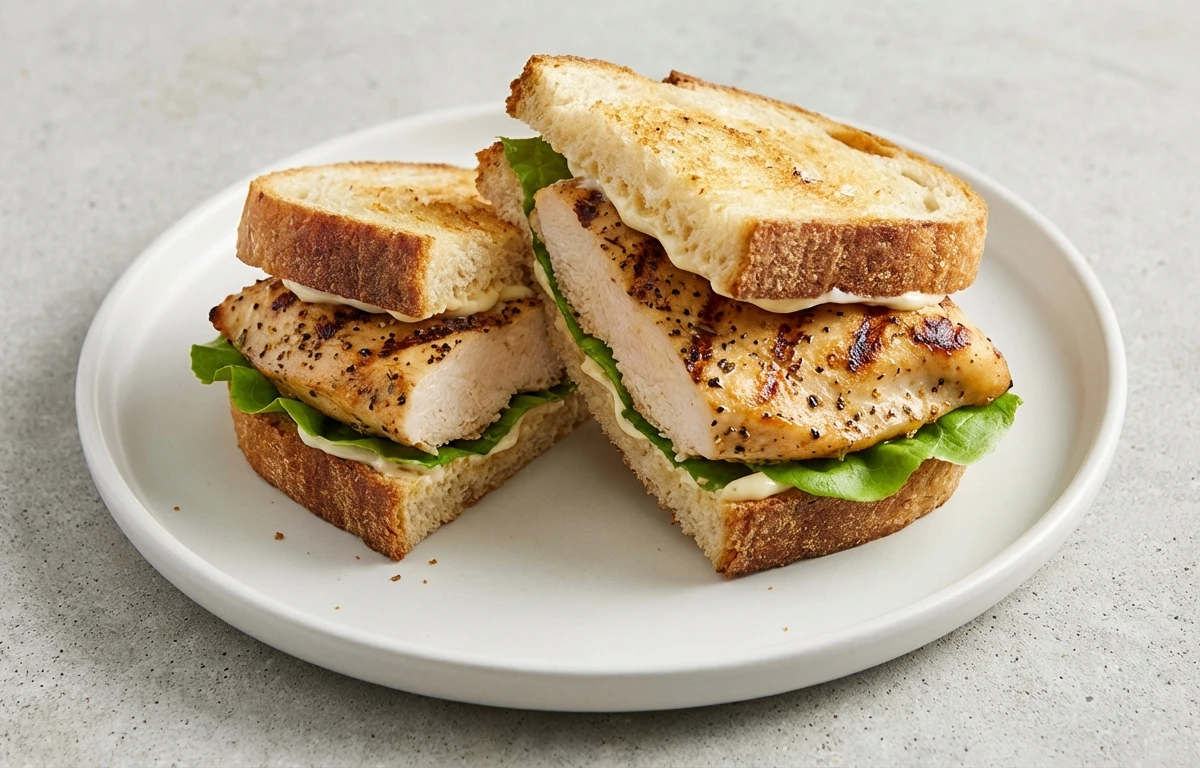
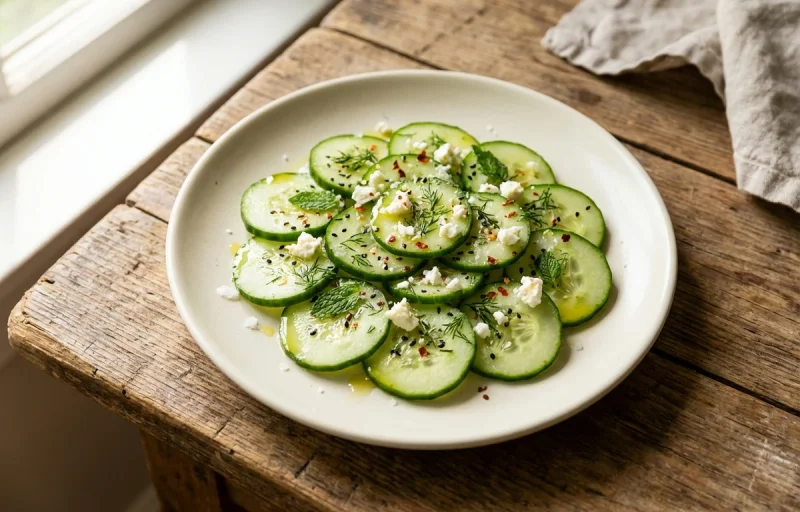
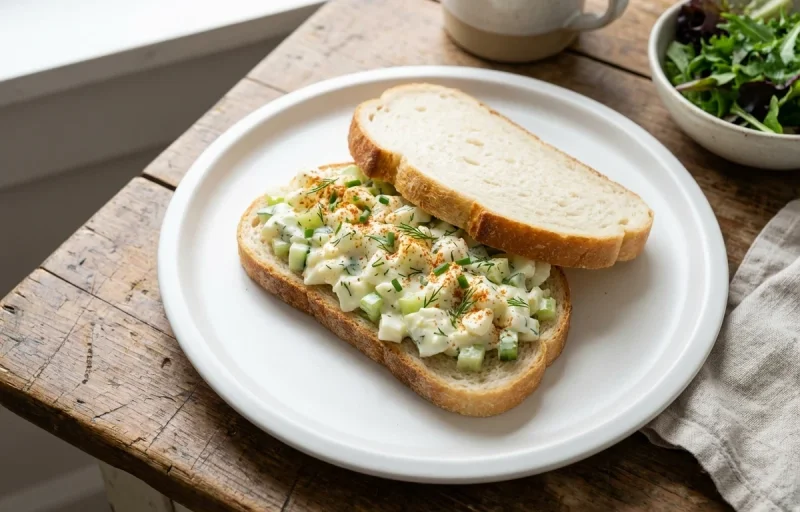
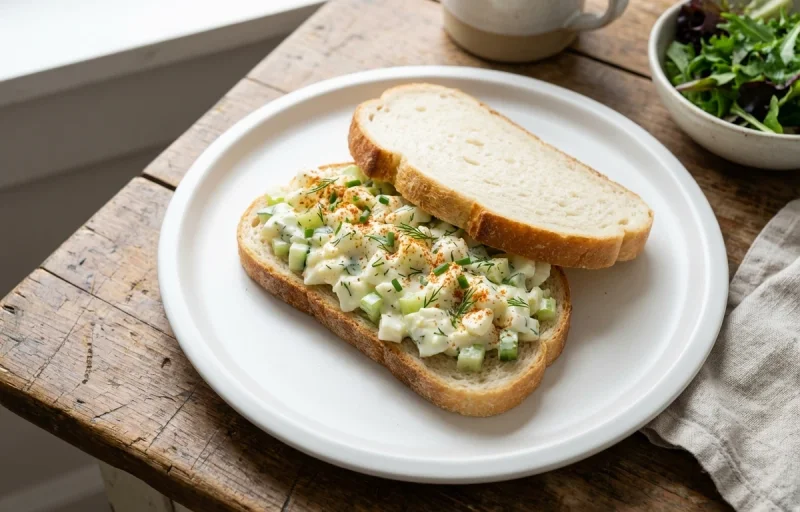
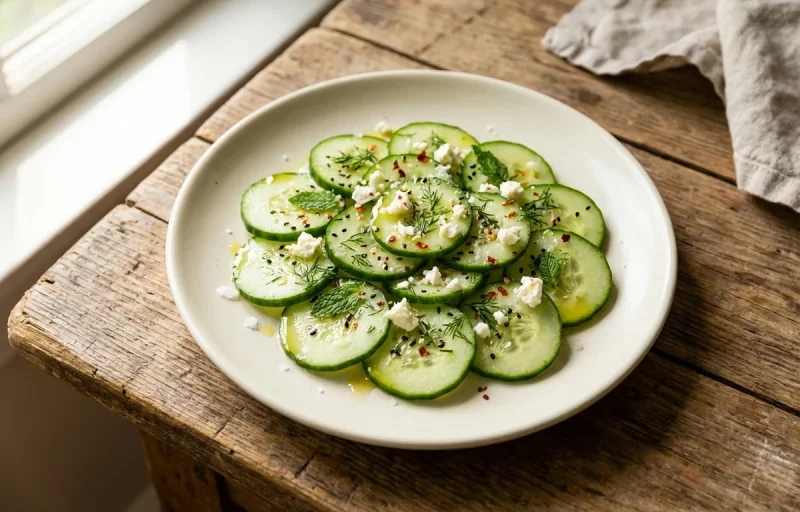
This meal is an excellent choice as it provides high-quality protein in a controlled portion (approx. 21g). Using white bread is intentional, as it is lower in phosphorus and potassium than whole wheat bread, a key consideration in renal diets [2]. Cucumbers add crunch and hydration without contributing significant potassium or sodium.
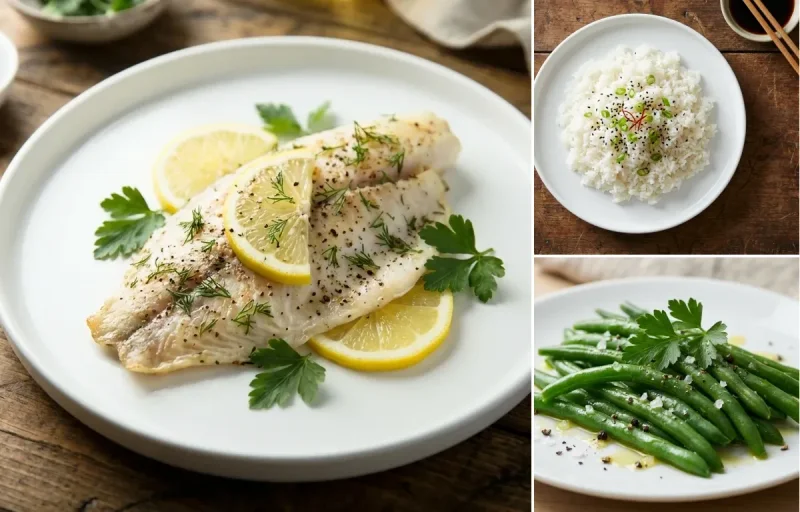
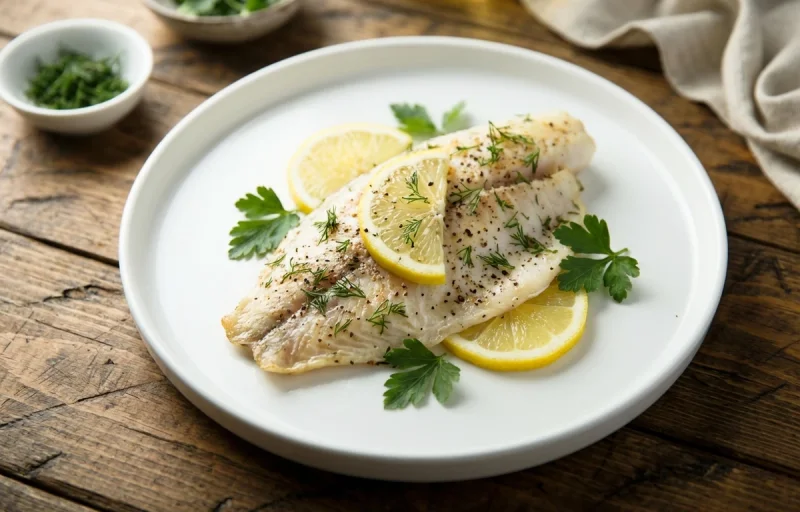
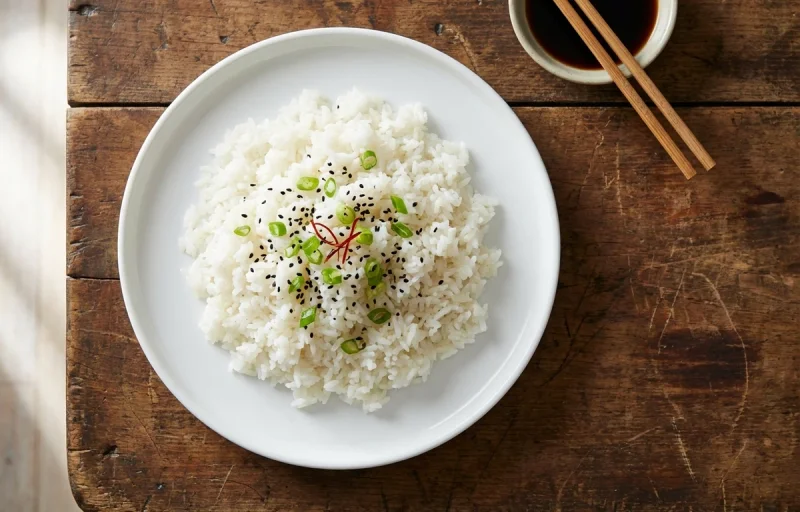
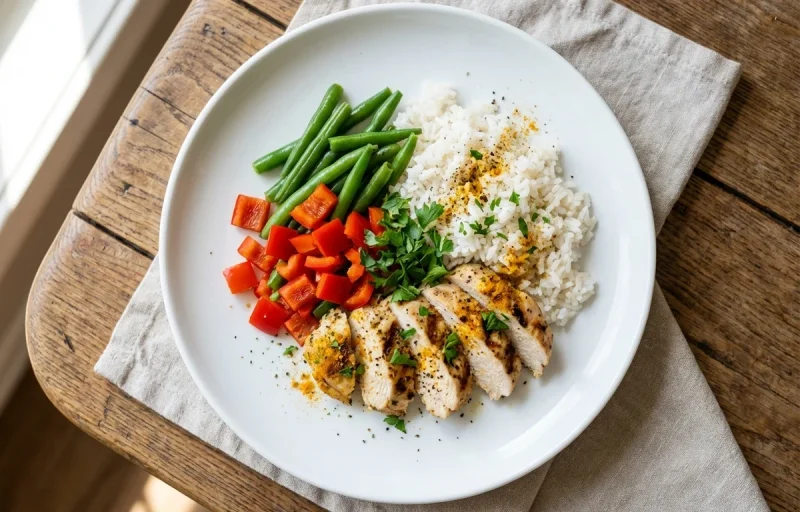
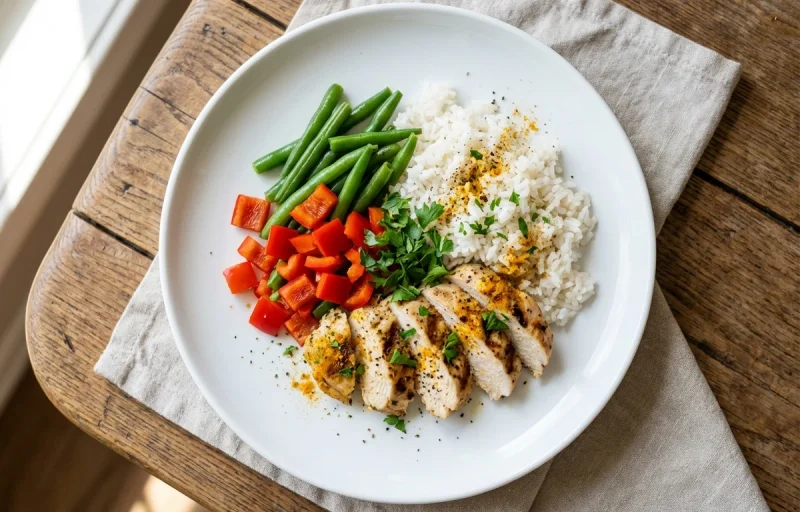
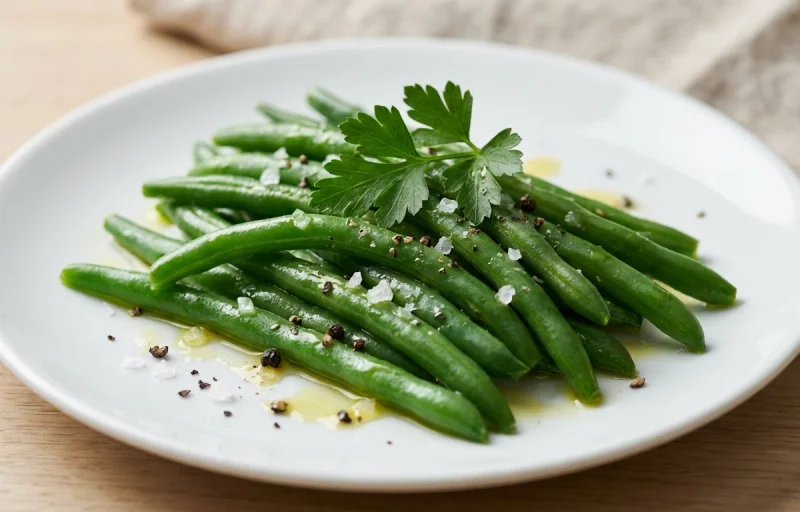
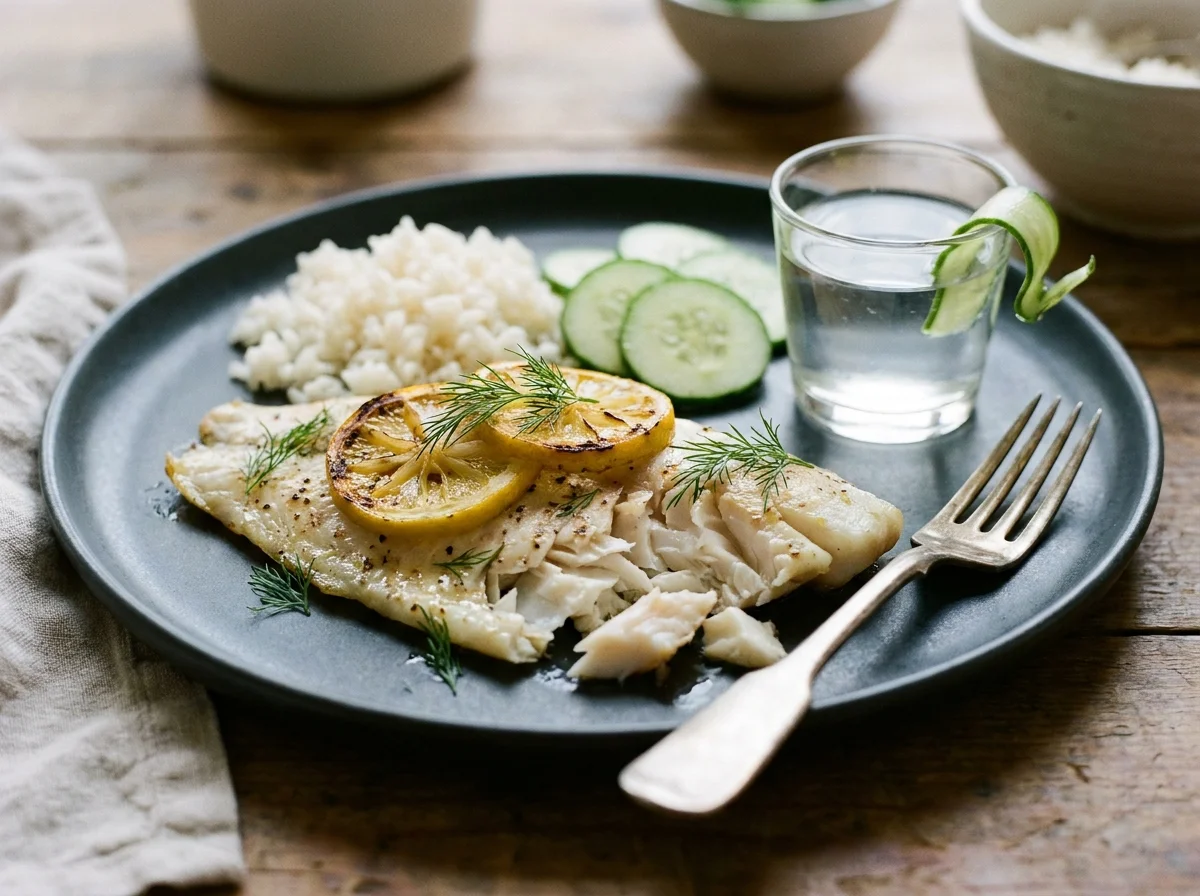
This meal composition is ideal for a renal diet. Tilapia is a lean fish that is lower in phosphorus compared to other types [1]. Paired with white rice and green beans, it creates a complete meal that adheres to all four key nutrient restrictions for CKD (protein, sodium, potassium, phosphorus).
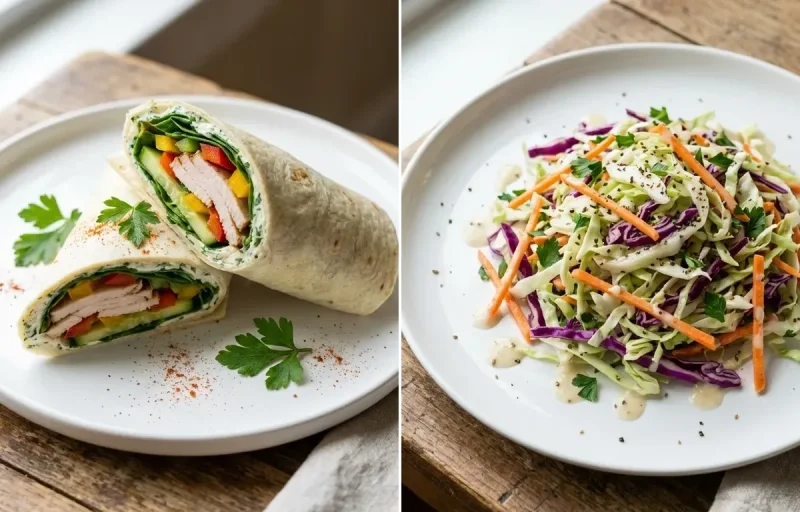
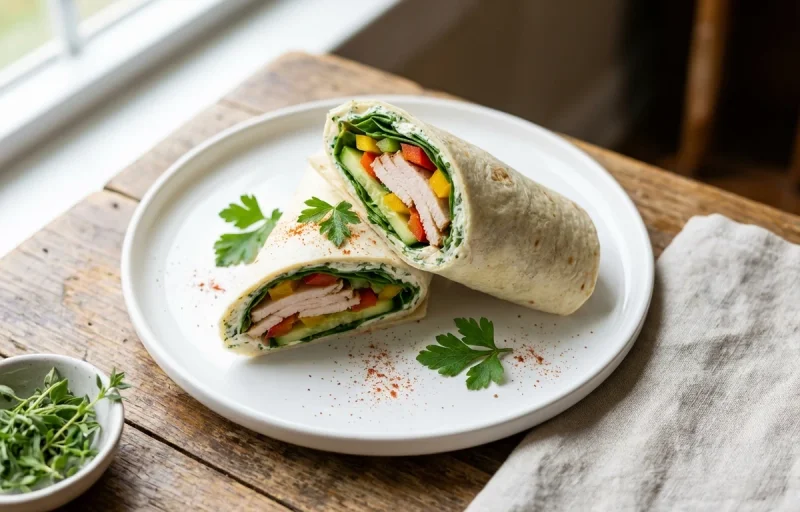
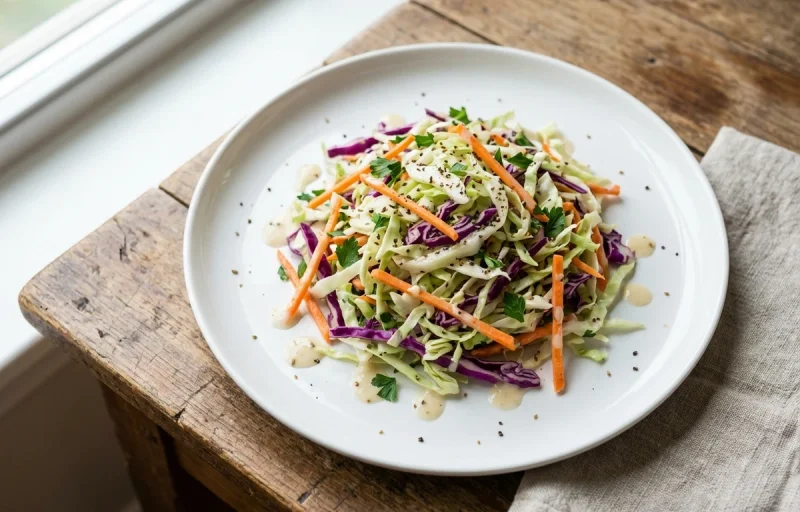
This meal demonstrates how to enjoy a wrap safely. The key is using home-cooked turkey breast, as pre-packaged deli meats are a major source of sodium and phosphate additives [2]. The cabbage slaw provides a satisfying crunch and flavor from vinegar instead of a high-sodium, high-phosphorus creamy dressing.
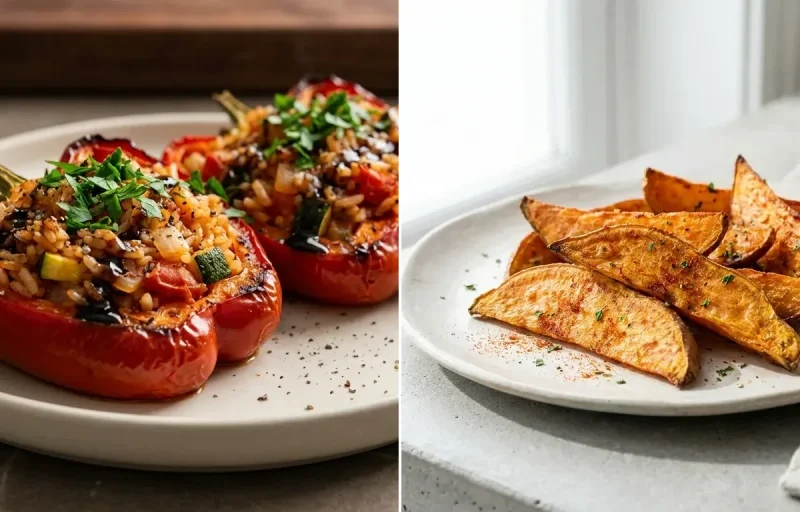
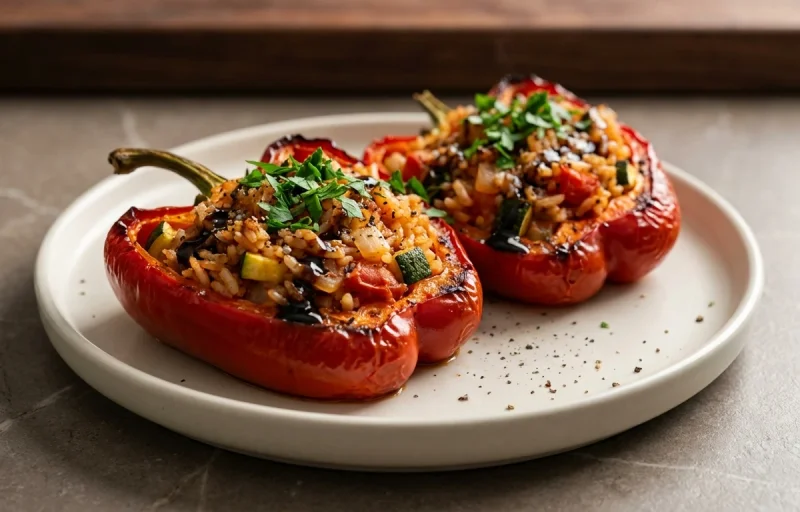
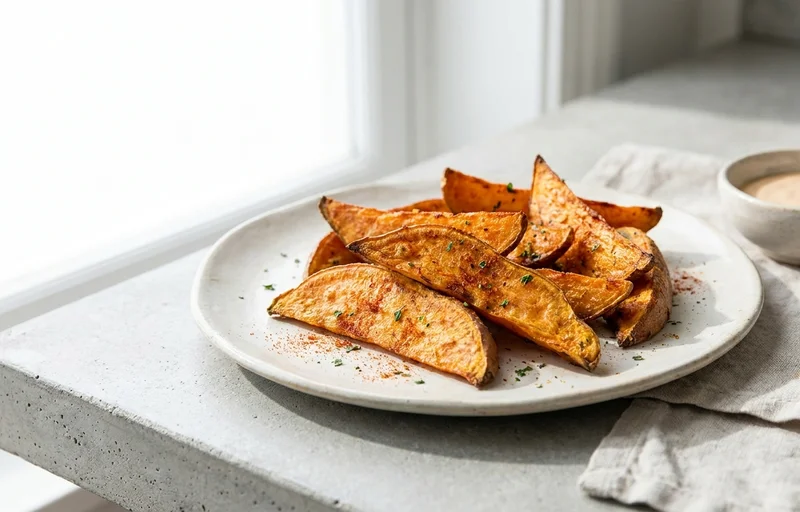
1 pcs Stuffed Bell Peppers · 1 bowl Vegan Sweet Potato Wedges Baked
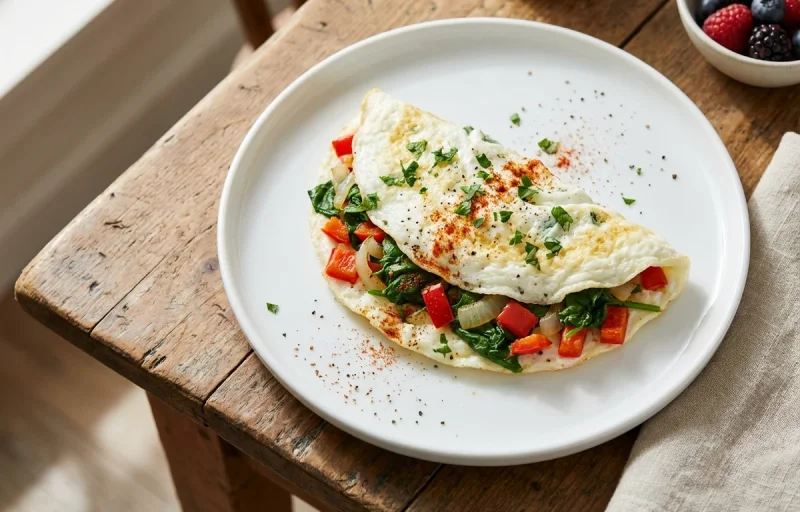
Similar to the egg white salad, this meal leverages the low-phosphorus power of egg whites. It provides a warm, satisfying lunch with about 16g of high-quality protein. It's a versatile meal that is quick to cook and easy to customize with other low-potassium vegetables like mushrooms or zucchini.