Dietary Lifestyle · 7 MIN READ
Low-Sodium Comfort Foods You Can Make at Home
Seven home-cooked comfort meals that hit the AHA's 1,500-2,300 mg sodium targets. Includes the technique stack (browning, fat, acid, umami) and…
Loading...
Seven home-cooked comfort meals that hit the AHA's 1,500-2,300 mg sodium targets. Includes the technique stack (browning, fat, acid, umami) and…
Comfort food has a sodium problem, but the problem is mostly in the packaging. A serving of boxed macaroni and cheese typically delivers 600 to 800 mg of sodium, fast-food french fries 250 to 400 mg, and a single breaded restaurant chicken cutlet 400 to 700 mg. The Centers for Disease Control and Prevention estimates that more than 70 percent of dietary sodium in the United States comes from packaged, processed, and restaurant foods, not from the salt shaker at home. That means the most powerful tool for cutting sodium in comfort food is not abandoning the dishes you love but cooking them yourself.
The American Heart Association recommends most adults stay under 2,300 mg of sodium per day, with an ideal target of 1,500 mg for people with high blood pressure, heart failure, or chronic kidney disease. The seven meals in this collection are designed around that arithmetic. Each rebuilds a familiar comfort dish using whole ingredients and the techniques that carry flavor when salt is dialed down: hard browning for Maillard depth, fat for richness and aroma, acid for brightness, and a small amount of finishing salt where the tongue actually meets it. If you are on a sodium-restricted diet, use the daily ceiling your clinician gave you as the final word.
Comfort food is emotional. If meals don’t feel satisfying, they don’t stick as habits. When people try to reduce sodium by removing foods they love entirely, the change rarely lasts. A lot of sodium in comfort food comes from packaged ingredients—canned soups, boxed mixes, bottled sauces, and pre-seasoned components. These shortcuts add salt quickly but aren’t the only way to create comfort. Cooking comfort foods at home gives you control over flavor and texture. Techniques like slow cooking, roasting, sautéing, and layering aromatics can recreate the depth people associate with comfort food—without relying on salt as the main driver.
Comfort food does not require a salt-heavy pantry. It requires technique. When you brown proteins hard, caramelize onions slowly, layer aromatics in stages, finish with acid, and reserve a small pinch of salt for the surface where the tongue meets it, you can rebuild the dishes you love at a fraction of the sodium load of their restaurant or boxed counterparts. The seven meals in this collection are a template, not a prescription. Read the Nutrition Facts label on anything that comes packaged, taste before you season, and confirm your individual sodium ceiling with the clinician treating your blood pressure, heart, or kidney condition.

Kayte is a nutrition writer, food and recipe content creator, and wellness educator. She bridges evidence-based nutrition science with everyday cooking — translating research into practical recipes, meal ideas, and wellness habits that readers can actually use in their kitchens.
Meet the editorial team →Built using verified nutrition databases, culinary research, and traditional cooking knowledge — every claim is cross-referenced against the sources listed in the article. Last reviewed May 2026.
Articles are curated using trusted food databases (USDA FoodData Central, IFCT), culinary literature, and dietary guidelines, then structured by our editorial team for clarity, accuracy, and usefulness.
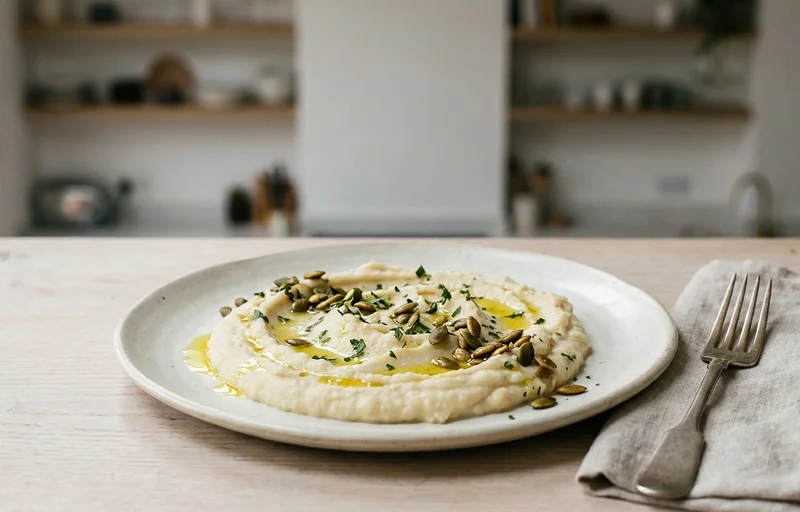
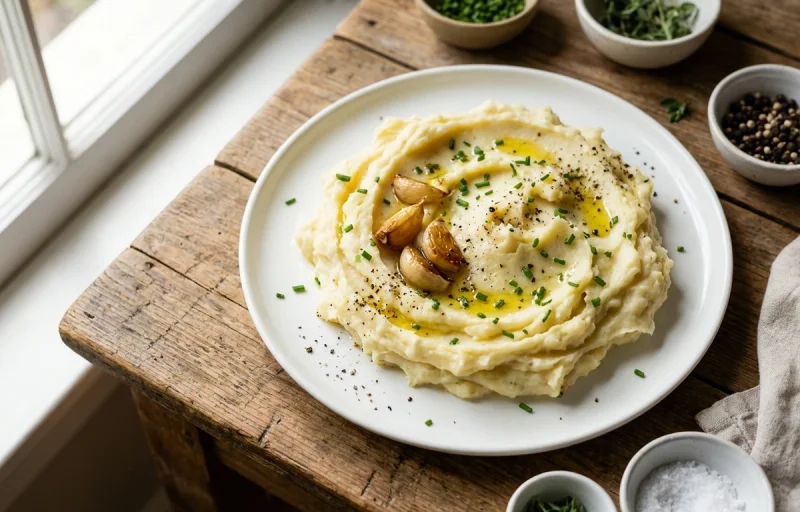
A creamy cauliflower-and-cannellini mash that delivers the texture of mashed potatoes with a lower-sodium, higher-fiber profile. The mash is seasoned with roasted garlic, olive oil, and a squeeze of lemon rather than salty broth or butter-and-cream, keeping sodium well below typical restaurant sides.
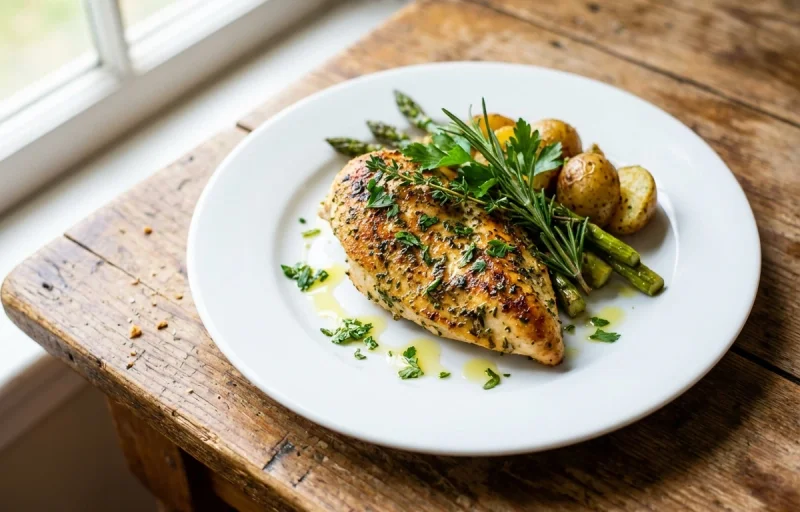
Roasted garlic is the umami workhorse here, replacing the salt and butter that restaurant mashed potatoes lean on. The chicken is crusted with thyme, rosemary, smoked paprika, and black pepper rather than a salty pre-mix, and seared hard for Maillard depth. A small finishing pinch of flaky salt at the table reads as fully seasoned at a fraction of the sodium of a comparable diner plate.
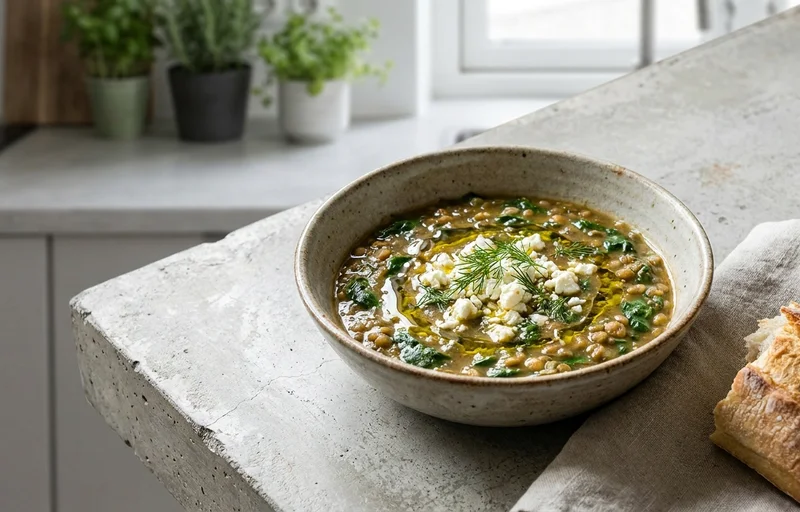
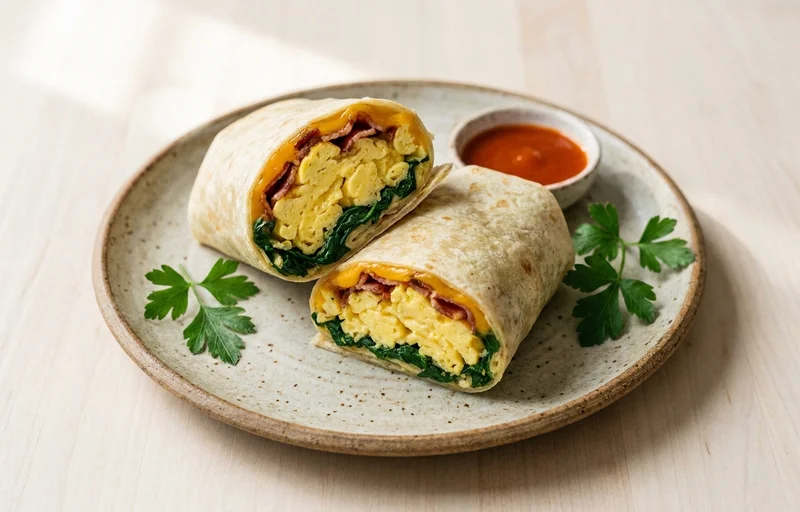
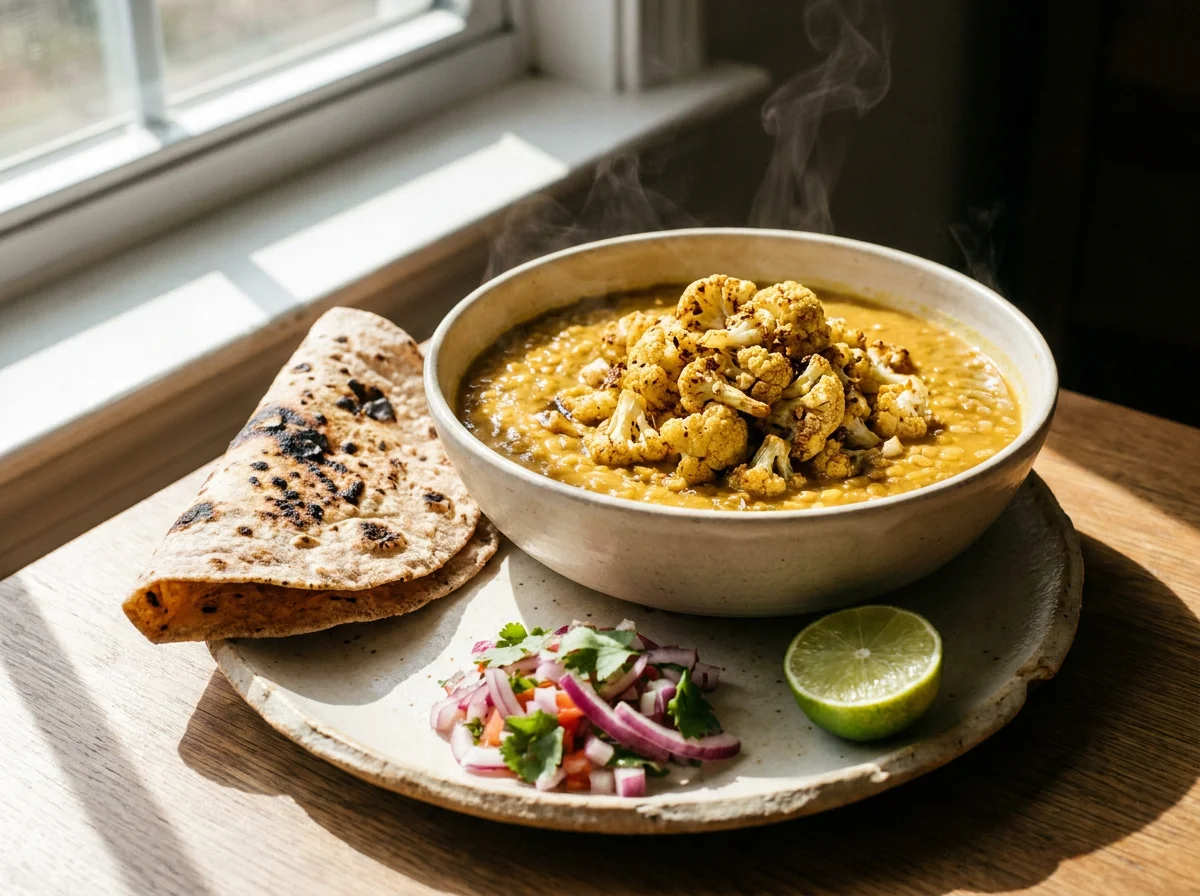
Lentils, sweated aromatics, and tomato paste build a deeply savory base without bouillon or canned broth, both of which can add 600 to 1,200 mg of sodium per serving. The spinach-and-egg wrap adds plant protein and iron while keeping the meal under typical AHA per-meal sodium budgets.
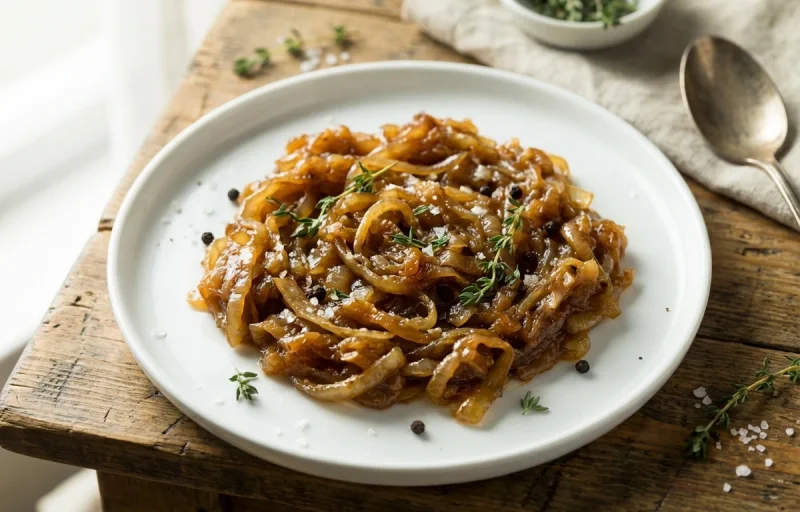
Slow-caramelized onions concentrate natural sugars into a jammy, sauce-like topping that carries the dish without salt, butter, or wine reductions. The chicken thighs are seasoned with herbs and black pepper and roasted hard for crisp skin and Maillard flavor, with a small finishing pinch of salt at the table.
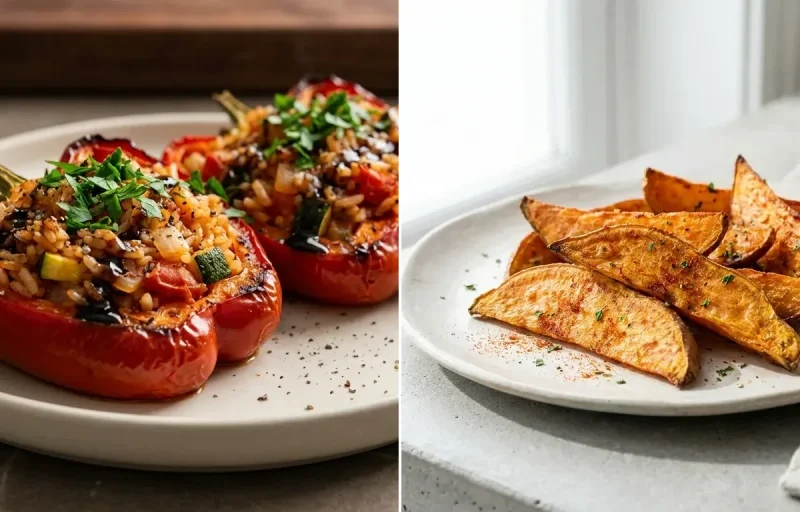
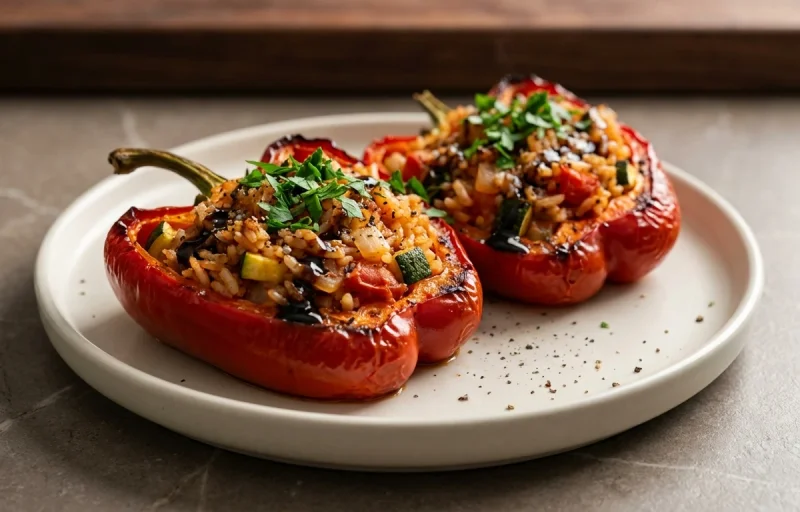
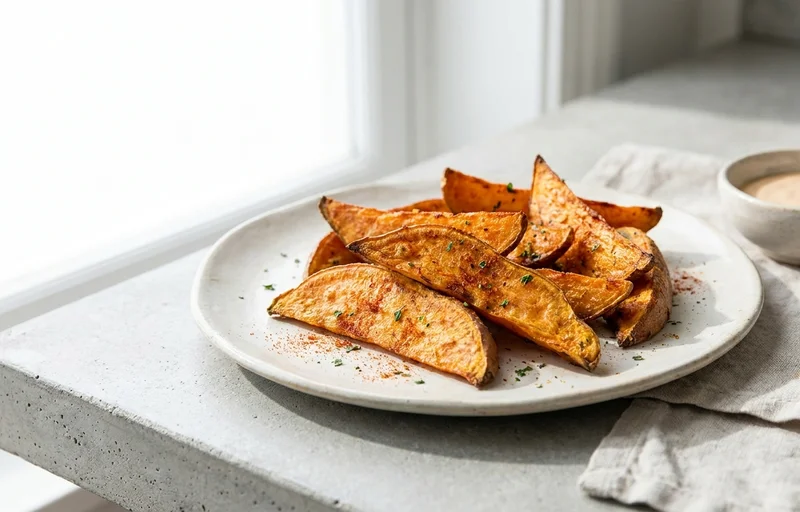
Stuffed peppers built around browned aromatics, herbs, and a tomato-rich filling rather than salty pre-cooked rice mixes or jarred sauce. Baked sweet potato wedges (oven-roasted with olive oil, smoked paprika, and black pepper) replace fast-food fries, which typically carry 250 to 400 mg of sodium per serving.