10 Comforting CKD-Friendly Meals: Safe & Delicious Recipes
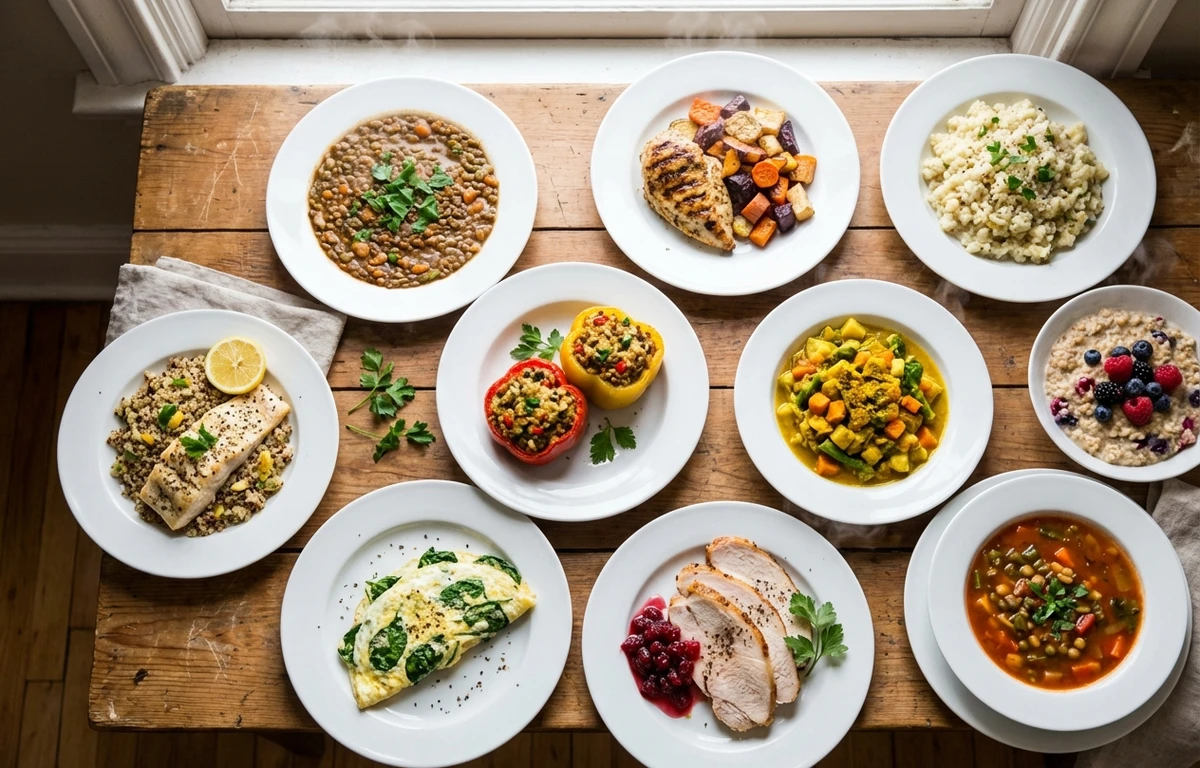
Ten comfort meals adapted for non-dialysis CKD stages 3-4, with sodium under 2,300 mg/day and KDOQI-aligned protein portions. Sourced to NKF, KDOQI, and NIDDK.
Loading...
Ten comfort meals adapted for non-dialysis CKD stages 3-4, with sodium under 2,300 mg/day and KDOQI-aligned protein portions. Sourced to NKF, KDOQI, and NIDDK.

A chronic kidney disease (CKD) diagnosis rewrites the rules for many familiar comfort foods. Casseroles built on canned soup, pasta drowned in tomato sauce, breaded meats, and processed cheese tend to be dense in three nutrients diseased kidneys cannot clear well: sodium, potassium, and phosphorus. Yet the foods themselves are rarely the problem. The preparation is.
This collection adapts ten American comfort meals for adults with non-dialysis CKD, broadly stages 3-4. The framing follows KDOQI 2020 nutrition guidance, which recommends limiting protein to roughly 0.55-0.60 g/kg per day for metabolically stable, non-dialysis adults without diabetes, and 0.60-0.80 g/kg for those with diabetes [1]. Sodium is capped at less than 2,300 mg per day per the National Kidney Foundation, with many clinicians targeting closer to 1,500 mg [2]. Phosphorus and potassium are individualized to blood values [3].
The rules invert on dialysis. Patients on maintenance hemodialysis typically need 1.0-1.2 g/kg of protein daily because dialysis removes amino acids [1]. If you are on dialysis, treat the recipes here as templates and ask your renal dietitian to adjust portions before using them.
Each meal in this plan is designed with kidney-friendly portions in mind. Serving sizes are carefully calculated to keep sodium under 500mg and potassium under 700mg per meal, making them suitable for CKD stages 3-4. Always adjust portions based on your individual dietary restrictions and consult your healthcare provider for personalized guidance.
Comfort food and a renal diet are not mutually exclusive. The pattern that makes these recipes work is consistent: cook from raw ingredients, season with herbs and acid instead of salt, avoid phosphorus additives (anything on a label starting with "phos-"), and keep protein portions deliberate. None of this replaces the individualized targets your nephrologist and renal dietitian set from your lab values. Use this collection as a starting framework, not a prescription, and re-check potassium and phosphorus targets at each lab draw [3].
Built using verified nutrition databases, culinary research, and traditional cooking knowledge — every claim is cross-referenced against the sources listed in the article. Last reviewed May 2026.
Articles are curated using trusted food databases (USDA FoodData Central, IFCT), culinary literature, and dietary guidelines, then structured by our editorial team for clarity, accuracy, and usefulness.
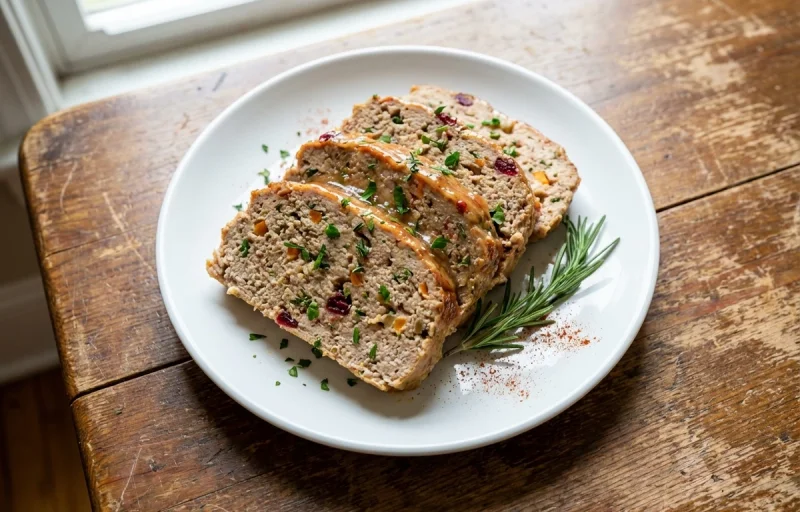
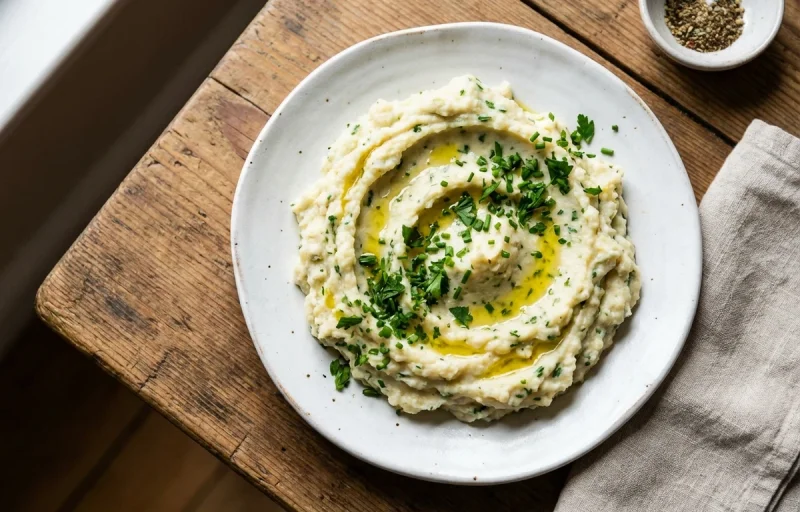
This meal is an excellent example of safe adaptation. By using lean turkey and an egg white, we control both protein and phosphorus. Swapping high-potassium potatoes for cauliflower drastically reduces the potassium load, a crucial modification for CKD management [2]. The absence of high-sodium ketchup or breadcrumbs keeps sodium levels in check.
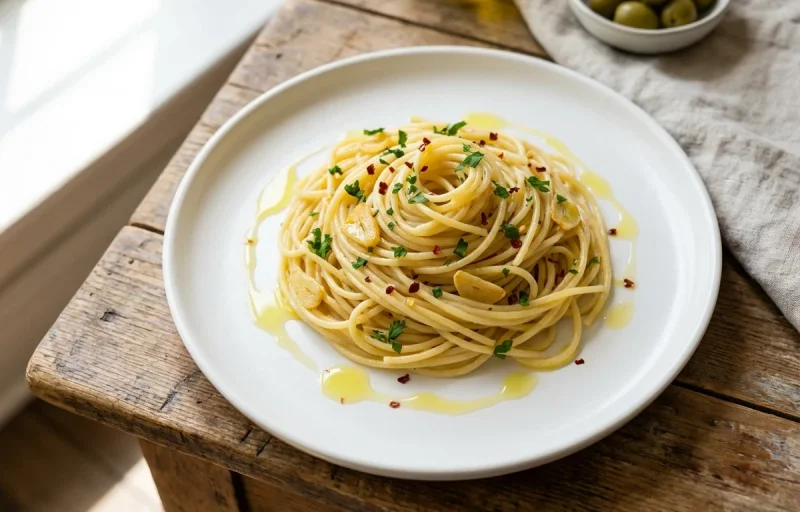
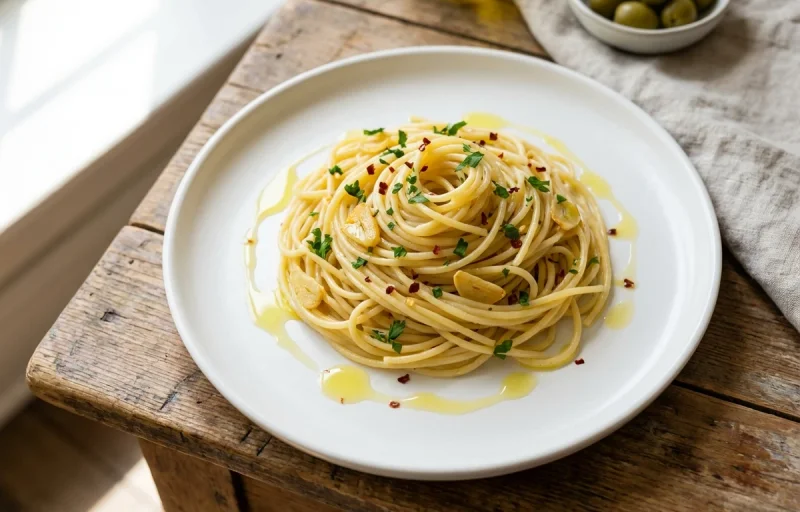
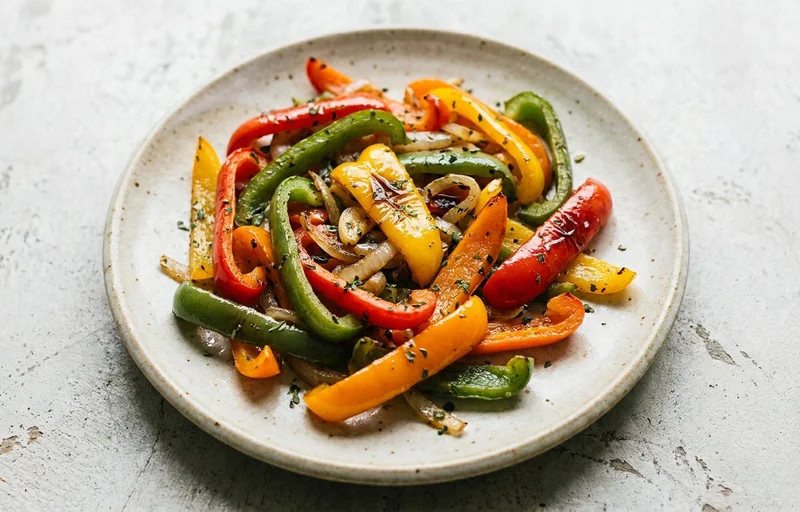
This dish leans on three CKD-friendly choices. White pasta is lower in both phosphorus and potassium than whole-wheat pasta, a deliberate swap in renal cooking [3]. Sautéed bell peppers contribute roughly 200-230 mg potassium per cooked cup, well within most non-dialysis stage 3-4 targets, and tomato sauce, which is potassium-dense, is omitted. Olive oil and garlic carry the flavor with no added sodium.
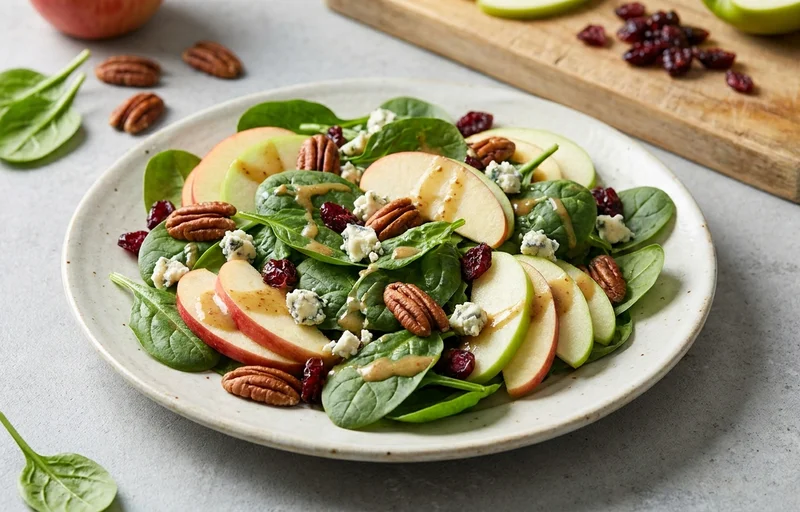
1 slices Protein French Toast · 1 bowl Spinach Apple Salad · 1 slices Avocado Cottage Cheese Toast
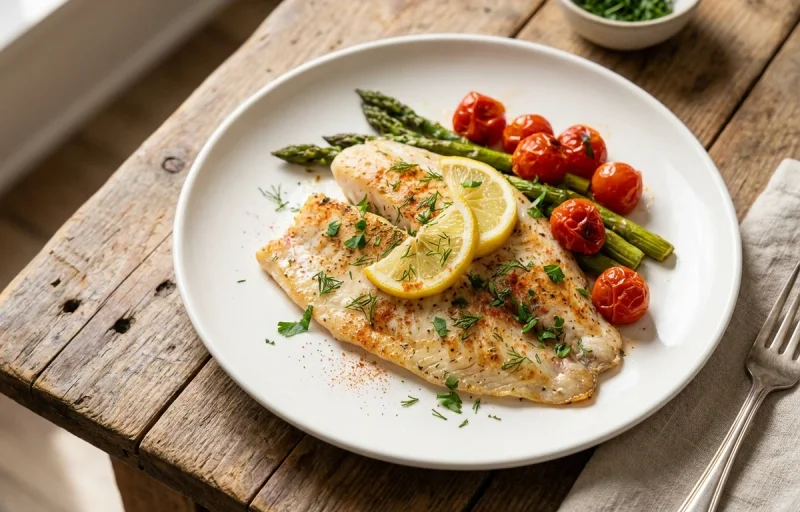
A model of renal-friendly assembly: a lean white fish on a refined-grain base, finished with lemon and a small amount of butter rather than a sauce. Tilapia is commonly used in renal menus because it is lower in phosphorus and potassium per ounce than many other animal proteins [3]. Watch the portion - protein still counts toward the 0.55-0.80 g/kg daily target for non-dialysis CKD [1] - and ask your dietitian to confirm the serving size fits your individualized plan.