We tend to relegate the lime to a supporting role: a squeeze in a drink, a wedge on the side of a taco. But it’s time to see it for what it is. That sharp, acidic punch comes with a serious dose of vitamin C, almost zero calories, and a glycemic index so low it's barely worth measuring. It’s one of nature’s best flavor-for-calorie bargains, as long as you know how to handle its acidic personality.
↑ The lime is a flavor powerhouse, delivering acidity and aroma for almost no calories.
More than just a garnish
What is a lime, really? It's not just sour water. That intense acidity is a sign of citric acid, and the bright scent comes from powerful essential oils in the peel. More importantly, it's a fruit that delivers huge flavor without the things we're often trying to limit: sugar, salt, fat, and calories. It's a culinary tool that doubles as a health booster, turning boring water into a real drink and bland chicken into something special.
IN ONE LINE
A whole lime delivers nearly a third of your daily vitamin C for less than 50 calories and almost no sugar. It's one of the best health bargains in the produce aisle.
Lime nutrition facts
Here's the nutritional breakdown for 100 grams of raw lime — that's about one and a half medium-sized limes.
The standout number here is the vitamin C. At 29.1 mg per 100 grams, you're getting about a third of your daily needs from a fruit that adds almost no calories to your day. The fiber is also respectable for something so small. It's not a protein or fat source, but that's not its job. Its job is to be a flavor and nutrient amplifier.
WATCH OUT
That sharp acidity is a double-edged sword. It's great for cooking, but can erode tooth enamel. Best practice? Rinse your mouth with plain water after drinking lime water—don't brush right away.
Lime's glycemic index
Glycemic index (GI) is a measure of how quickly a food raises blood sugar. With its high acid and extremely low sugar content, lime has a very low GI. So low, in fact, that it's not typically measured or listed in databases — it's considered a 'free food' in that respect, with a negligible effect on blood sugar. This is why it's a staple in diabetic and low-carb diets.
GLYCEMIC INDEX · LIME vs COMMON FOODS
Lime has a negligible glycemic impact
Lime
very low
LOW
Apple
whole fruit
LOW
Pineapple
whole fruit
MEDIUM
Watermelon
whole fruit
HIGH
White bread
refined
HIGH
SCALE 0–90
04590
The smart way to use it
A lime is more of an ingredient than a snack. Here's how to get the most out of it.
01
Finish dishes with a squeeze.
A final spritz of lime juice over tacos, soups, grilled fish, or curries wakes everything up. It adds brightness and cuts through richness.
02
Make better water.
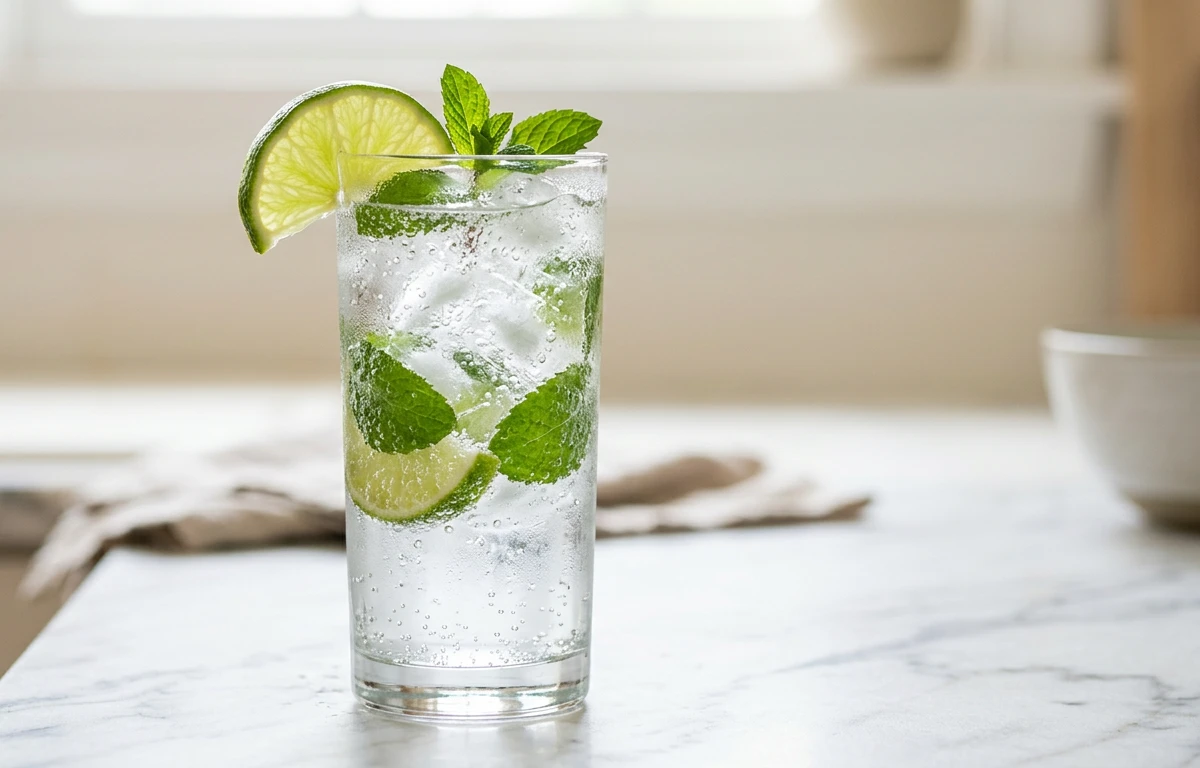
Instead of buying sugary flavored drinks, just add a few slices of lime (and maybe some mint) to a pitcher of water. It's refreshing and calorie-free.
03
Create balanced dressings.
Whisk lime juice with olive oil, a pinch of salt, and maybe some garlic for a simple, healthy vinaigrette that's better than any store-bought version.
04
Use it as a marinade.
The acid in lime juice helps to tenderize proteins. It's fantastic for marinating chicken, fish (as in ceviche), and steak.
05
Don't forget the zest.
The green outer peel is packed with fragrant oils and contains none of the sourness. Grate it into baked goods, sauces, or rubs for incredible aroma.
What lime is good for
01
A solid vitamin C boost
A 100g serving provides nearly a third of your daily vitamin C, crucial for immune function, healthy skin, and fighting cell damage.
32%
vit C DV
02
Enhances iron absorption
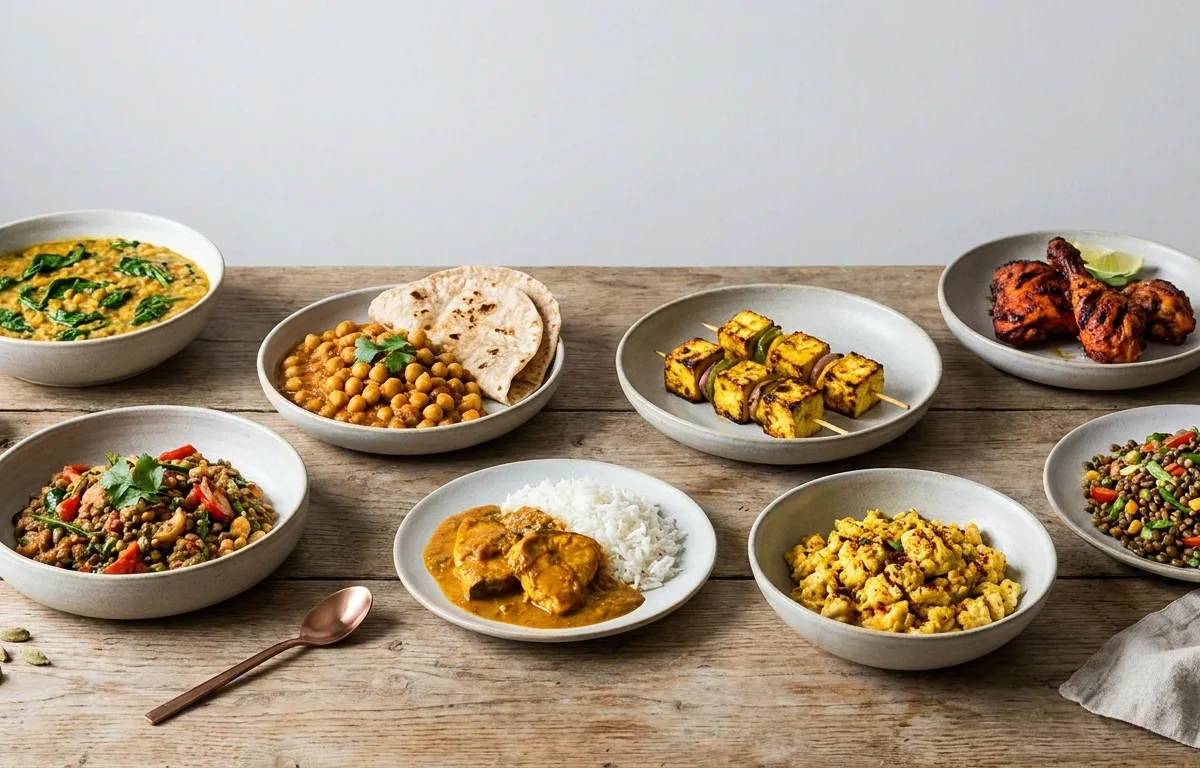
The vitamin C in limes significantly improves your body's ability to absorb non-heme iron from plant-based foods like beans, spinach, and lentils.
Pair with
plant iron
03
May help prevent kidney stones
Limes are a rich source of citric acid, which can increase urine citrate levels and help prevent the formation of painful calcium oxalate kidney stones.
High in
citrate
04
Flavor without the calories
For anyone managing their weight, lime is a secret weapon. It adds a huge burst of satisfying flavor to food and drinks for virtually zero calories.
~2
cal / wedge
What to pair lime with
Lime's sharp, clean acidity makes it a natural partner for a huge range of flavors. It cuts through fat, balances sweetness, and complements herbs and spices.
Use freely — or be mindful?
Three ways to use it
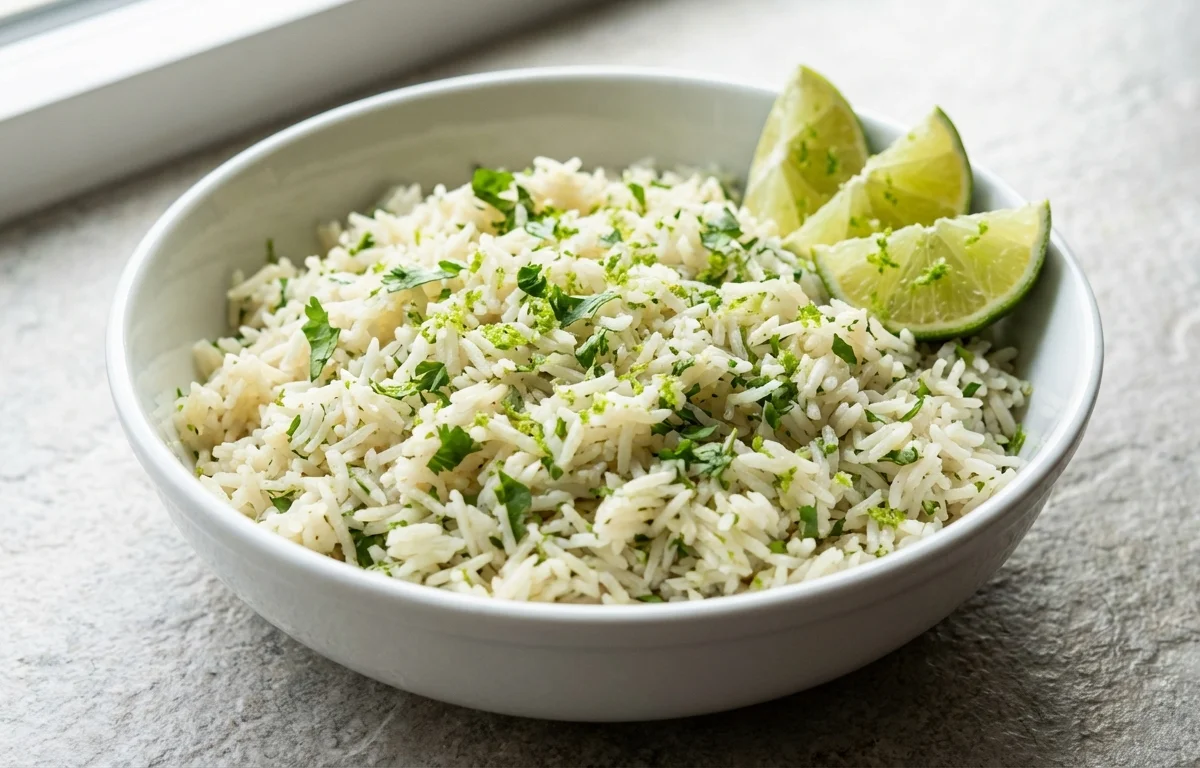
Three simple recipes that put lime to work in healthy, delicious ways — no sugar bombs here.

Want fresh flavors worked into a balanced week — without the guesswork?
Our meal planner uses ingredients like lime to create exciting, healthy dishes, with portions and macros already calculated. Get a plan that fits your goals and a single grocery list to make it happen.
Build my weekly plan →SOURCES & REFERENCES · 3
One more thing
Eating well is rarely about willpower. It’s about having a short list of dinners you actually want to eat. Pick two from this list. Make them next week. The rest will follow.
If you want these on autopilot, our weekly meal planner can drop the picks above into your calendar with one click and build a single grocery list from the merged ingredients.
FREQUENTLY ASKED QUESTIONS
Frequently asked questions
Is lime water actually good for you?
Yes, for the most part. It’s an excellent way to stay hydrated while getting a small boost of vitamin C and antioxidants, all without sugar or calories. The main downside is the potential for the acid to erode tooth enamel over time.
Do limes have a lot of sugar?
No, they have very little. A whole lime contains less than 2 grams of sugar. Its carbohydrate content mainly comes from fiber. This is why it has a negligible effect on blood sugar.
Can limes damage your teeth?
Yes, the high citric acid content can soften and erode tooth enamel, especially with frequent exposure. To minimize this, drink lime water through a straw, rinse your mouth with plain water afterward, and wait at least 30 minutes before brushing your teeth.
Are limes or lemons healthier?
They are almost identical from a nutritional standpoint. Lemons have slightly more vitamin C, while limes have slightly more carbs and fiber, but the differences are too minor to matter for most people. The best choice is simply the one you prefer the taste of.
METHODOLOGY
How this article was created
Built using verified nutrition databases, culinary research, and traditional cooking knowledge — every claim is cross-referenced against the sources listed in the article.
· USDA data· Culinary research· Quality reviewed
Read our methodology →TRANSPARENCY
About this content
Articles are curated using trusted food databases (USDA FoodData Central, IFCT), culinary literature, and dietary guidelines, then structured by our editorial team for clarity, accuracy, and usefulness.
· Verified data sources· Culinary research· Quality reviewed
Read our editorial policy →RELATED RECIPES
Cook from this article
EXPLORE OUR MEALS
Meals that fit this article

AMERICAN · 1677 CAL
Almonds with Sliced Apple + supplement + iron

MEDITERRANEAN · 809 CAL
Greek Yogurt with Berries Almonds and Granola + supplement + iron

GENERAL_HEALTHY · 705 CAL
Banana with Peanut Butter Pregnancy + supplement + iron

MODERN · 982 CAL
Hummus with Crudits and Pita with Fresh Orange Snack + supplement + iron
TAGGED
KEEP READING