Dietary Lifestyle · 10 MIN READ
Low-Sodium One-Pot Meals for Easy Weeknight Cooking
Discover 9 flavorful and simple low-sodium one-pot meals perfect for busy weeknights. Cook delicious, healthy dinners with minimal cleanup.
Loading...
Discover 9 flavorful and simple low-sodium one-pot meals perfect for busy weeknights. Cook delicious, healthy dinners with minimal cleanup.
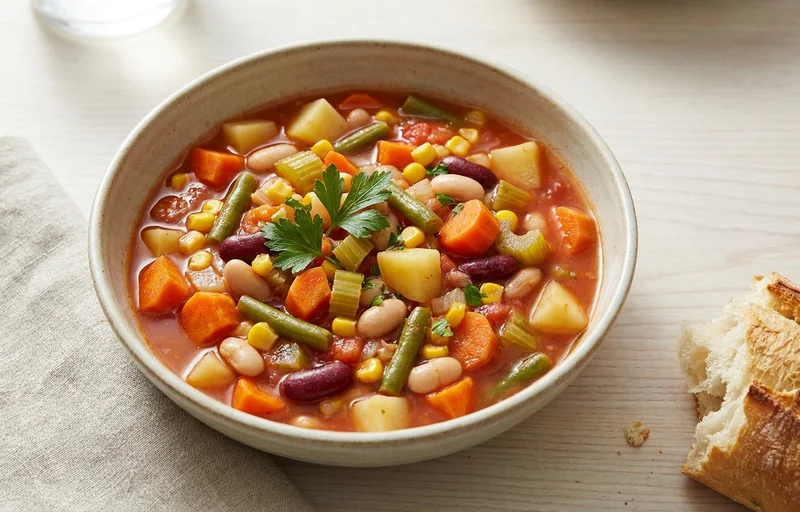
One-pot cooking is supposed to simplify dinner. For anyone watching sodium, it can do the opposite: every ingredient that goes into the pan ends up in the bowl, and a single cup of standard broth or one bouillon cube can deliver more than half a day's sodium before the rest of the recipe is even built. The American Heart Association recommends adults keep sodium under 2,300 mg per day and ideally under 1,500 mg, particularly for those with high blood pressure or cardiovascular risk; the average American eats more than 3,300 mg [1].
This collection rebuilds nine familiar weeknight one-pot meals around the single rule that matters most in this format: count the cooking liquid. Regular canned chicken or vegetable broth typically carries 500-900 mg of sodium per cup. The FDA defines a "low sodium" label as 140 mg or less per serving, and "very low sodium" as 35 mg or less; unsalted broths typically run 45-75 mg per cup [2]. That single substitution often does more for a recipe than every other swap combined.
The targets here are general adult guidance, not a clinical prescription. If you have chronic kidney disease, heart failure, hypertension, or have been told to follow a specific sodium ceiling (often 1,500 mg or lower), use the number your clinician set, not the population recommendation [1][3].
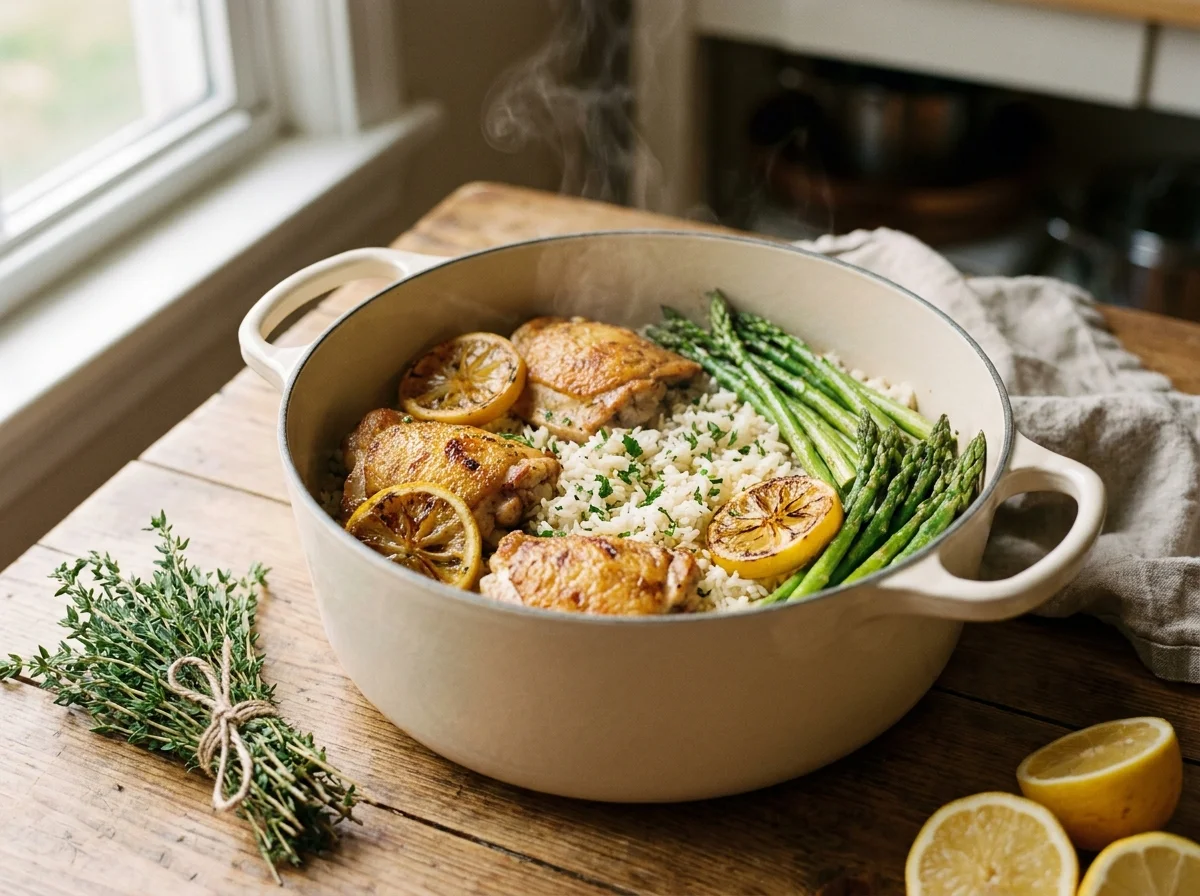
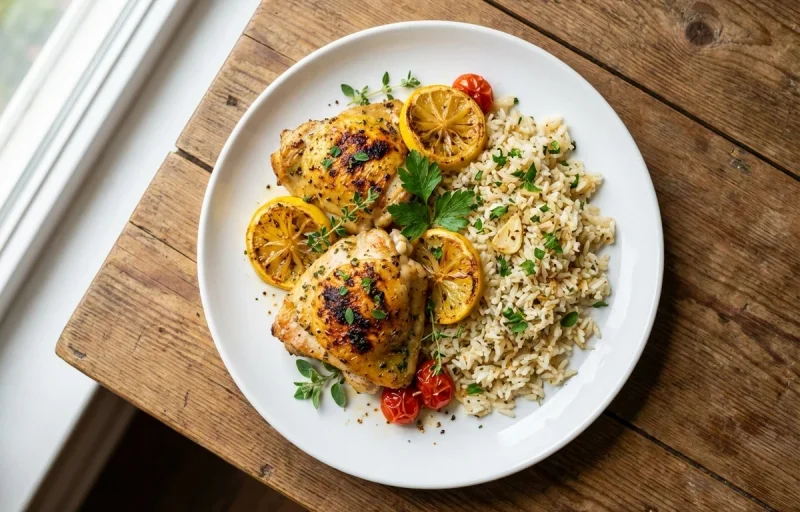
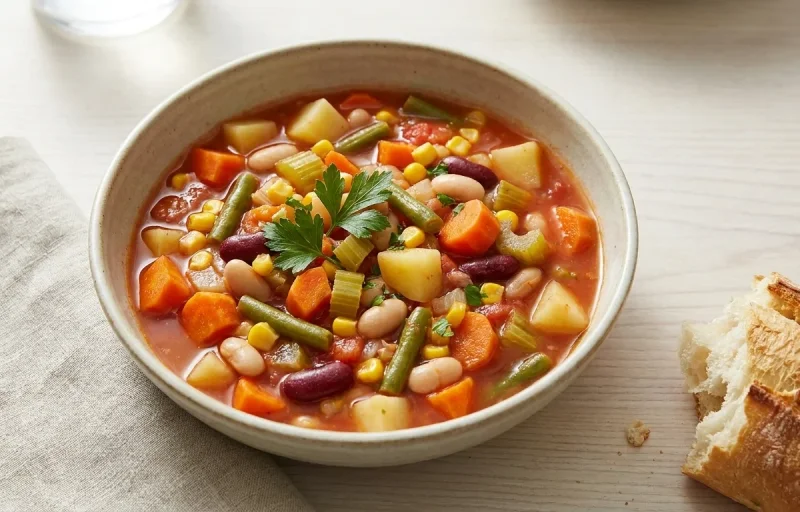
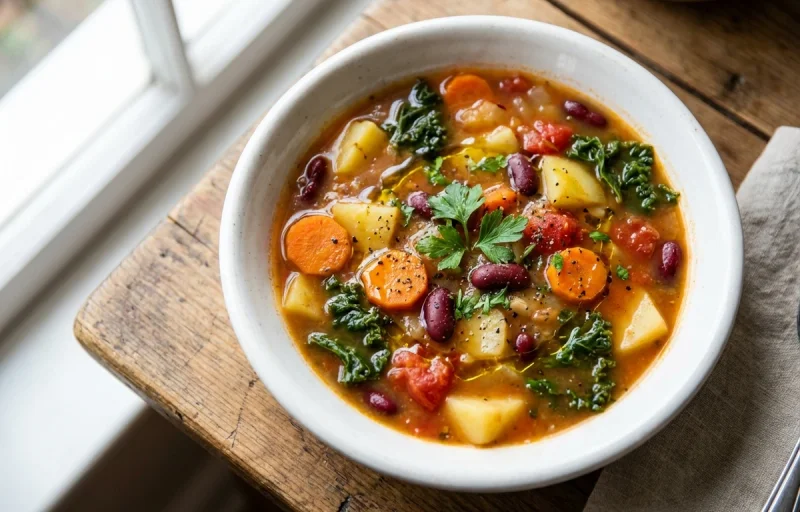
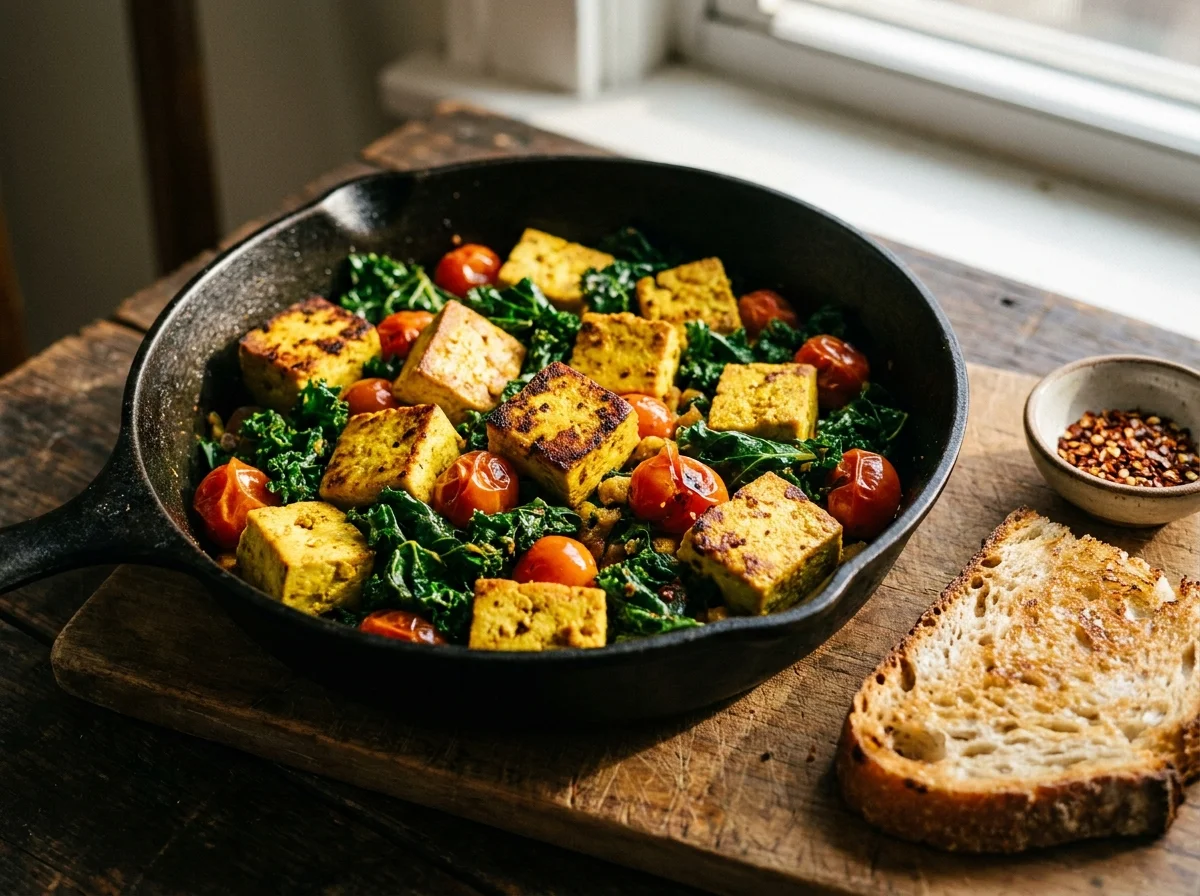
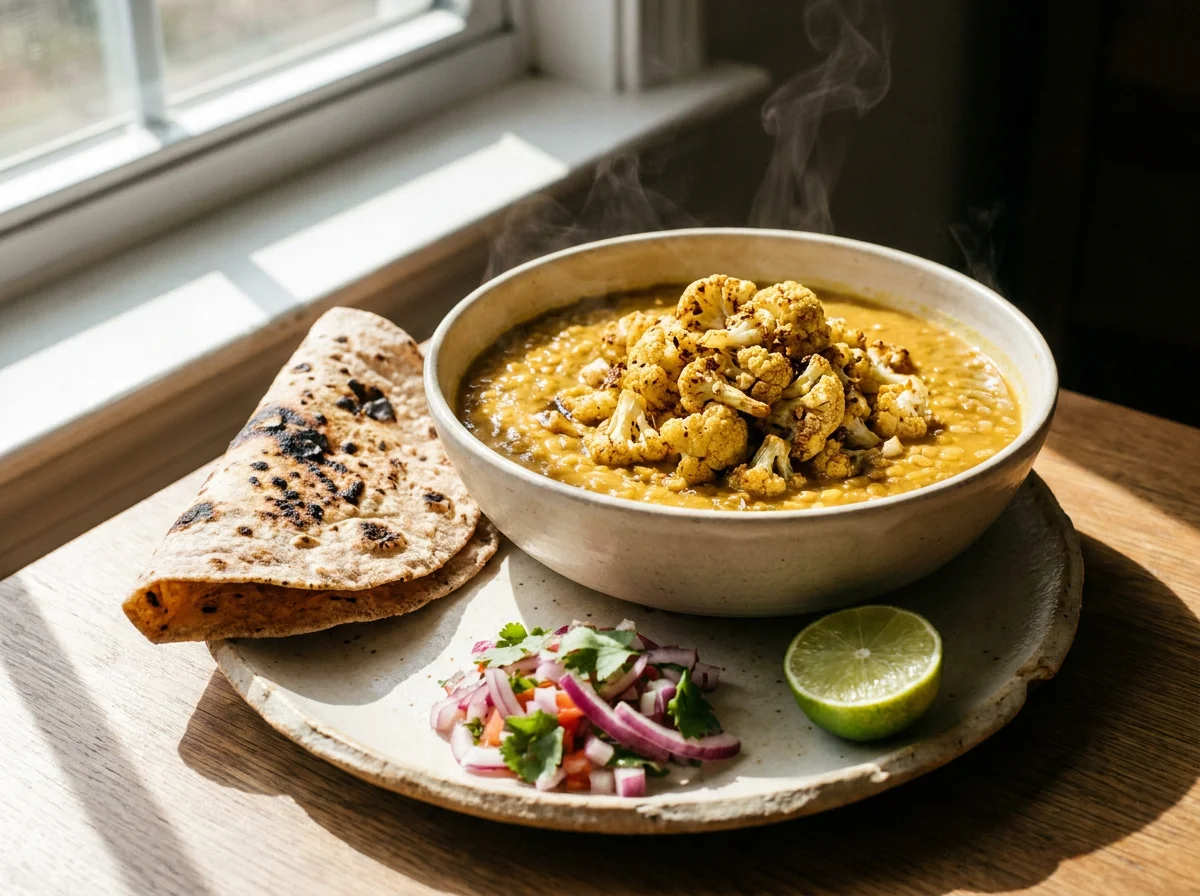
One-pot meals are meant to simplify cooking, but they often do the opposite when sodium-heavy ingredients take over. Packaged broths, canned soups, bottled sauces, and seasoning blends are commonly used to add flavor quickly, but they also make it harder to control what goes into your food. When everything cooks together in one pot, flavors concentrate. This can work in your favor—or against it. If a dish relies on salt early on, the final result can feel overpowering or flat. On the other hand, when a one-pot meal is built around aromatics, browning, herbs, and balance, the flavors deepen naturally as it cooks. Cooking style matters more than strict rules; when done well, they become some of the easiest and most reliable low-sodium dinners you can make.
Low-sodium one-pot cooking is mostly an exercise in arithmetic: pick a liquid base that does not eat half your daily sodium budget, then build flavor from aromatics, acid, and finishing salt rather than from salted ingredients added at the start. Unsalted broth or plain water plus a sweated onion-garlic-celery base will outperform a recipe built on canned soup or bouillon every time. Treat the AHA's 2,300 mg ceiling as the ceiling, not the target; most adults benefit from closer to 1,500 mg, and people with hypertension, kidney disease, or heart failure should follow the number their clinician set [1]. Consult your clinician for your individual sodium target before adapting these meals to a specific medical condition.

Kayte is a nutrition writer, food and recipe content creator, and wellness educator. She bridges evidence-based nutrition science with everyday cooking — translating research into practical recipes, meal ideas, and wellness habits that readers can actually use in their kitchens.
Meet the editorial team →Built using verified nutrition databases, culinary research, and traditional cooking knowledge — every claim is cross-referenced against the sources listed in the article. Last reviewed May 2026.
Articles are curated using trusted food databases (USDA FoodData Central, IFCT), culinary literature, and dietary guidelines, then structured by our editorial team for clarity, accuracy, and usefulness.
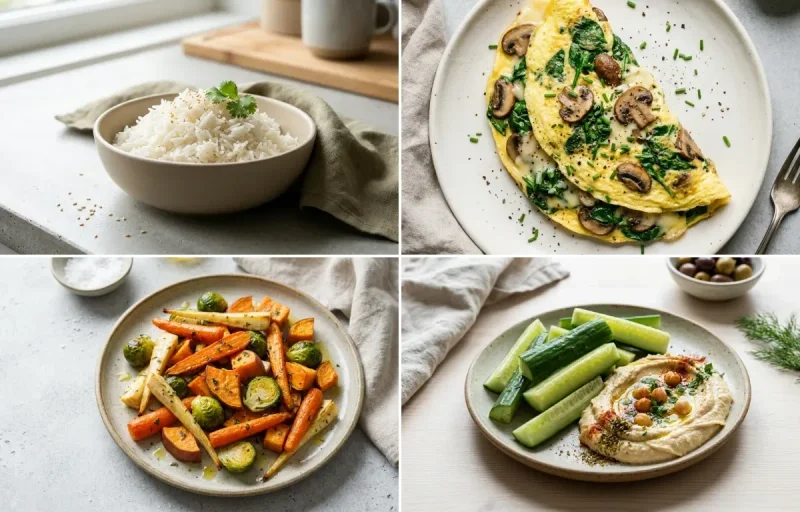
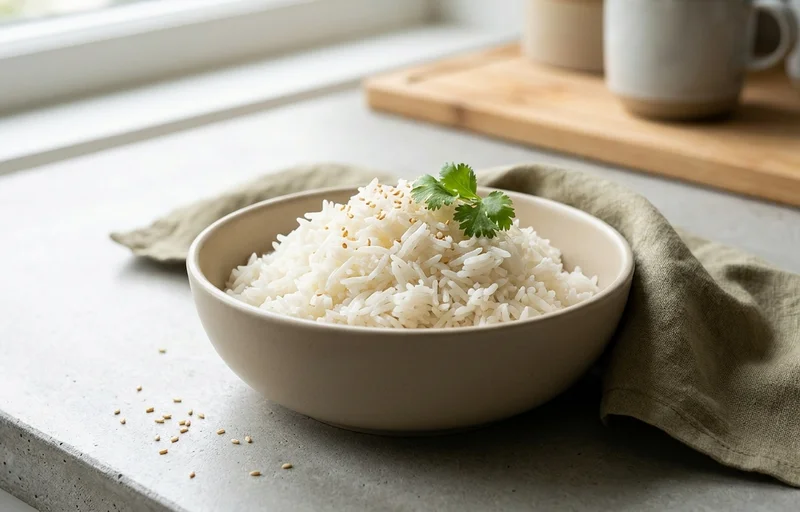
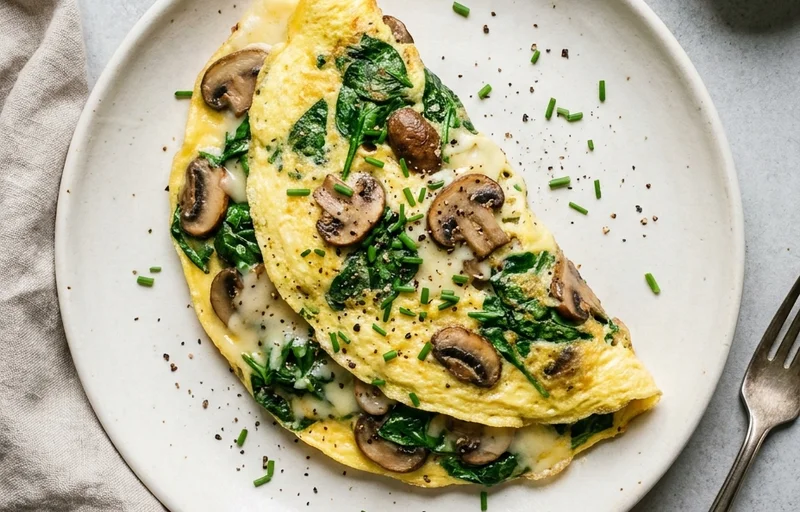
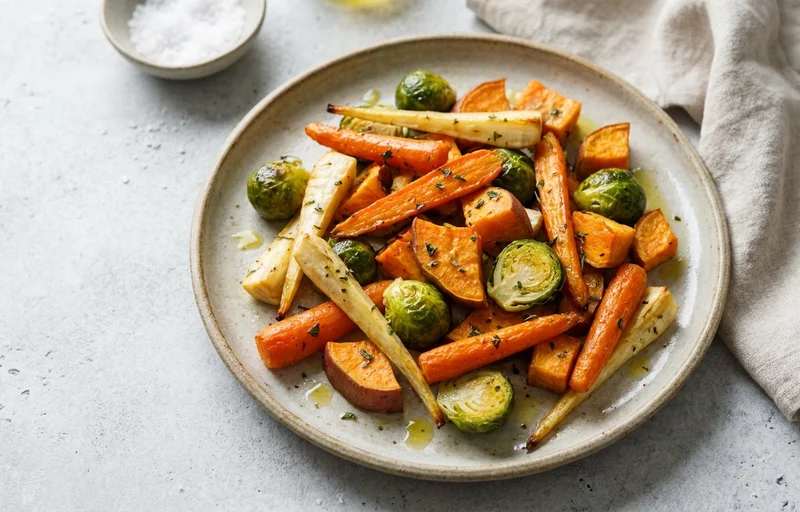
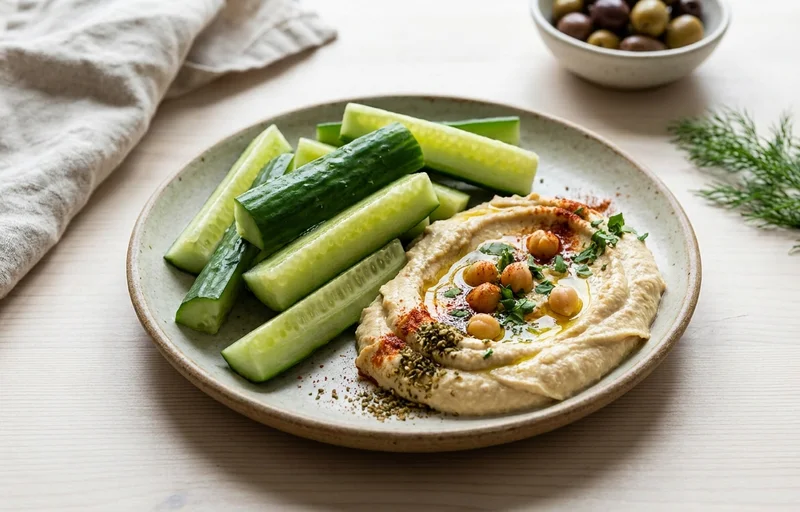
1 cup Cooked White Rice Half Cup · 1 pcs Spinach Mushroom Omelet · 1 bowl Roasted Veg · 1 bowl Cucumber Sticks Hummus
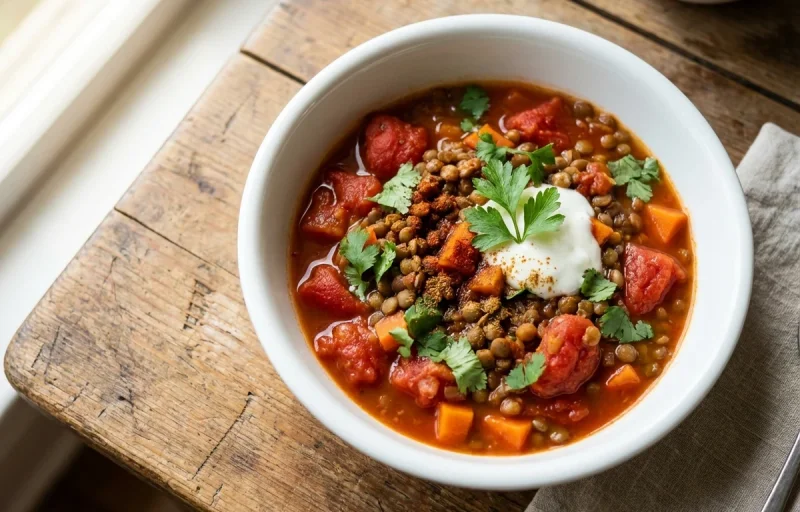
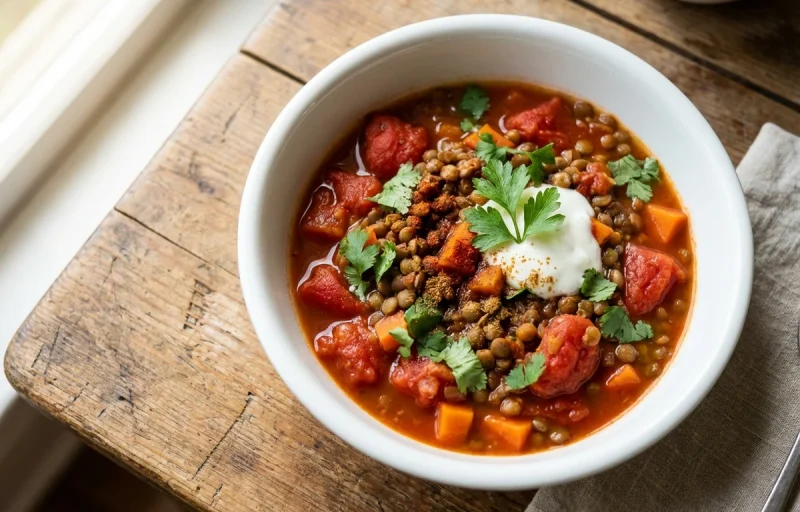
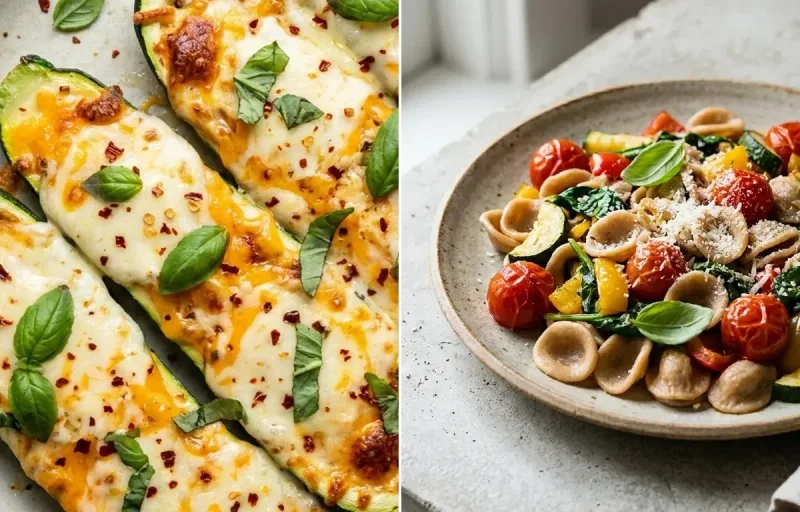
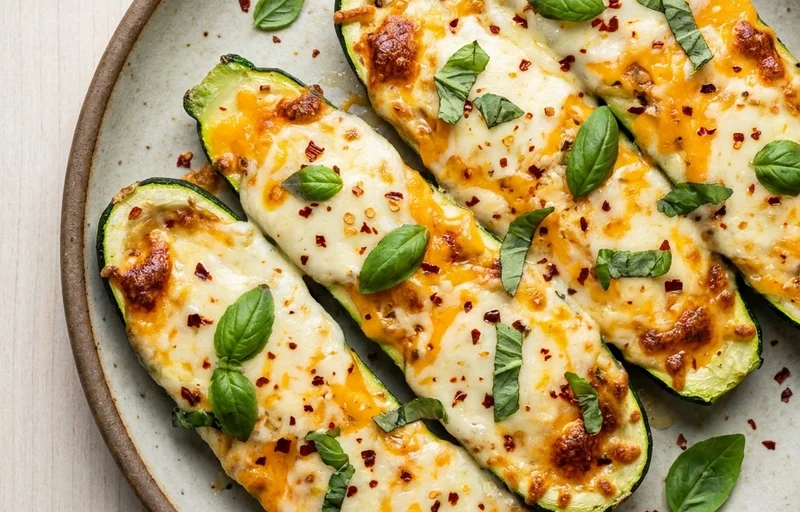
This meal balances high-fiber vegetables and whole grains with lean protein from lentils and cheese, promoting satiety on a low-calorie budget. Baking instead of frying keeps the fat content minimal, supporting weight loss goals.