Dietary Lifestyle · 10 MIN READ
Macro Math for Fat Loss, Applied to Indian Meals
TDEE, deficit, protein target, fat-carb split — and the actual per-katori macros for dal, roti, paneer, and ghee so the numbers map to an Indian plate. With…
Loading...
TDEE, deficit, protein target, fat-carb split — and the actual per-katori macros for dal, roti, paneer, and ghee so the numbers map to an Indian plate. With…
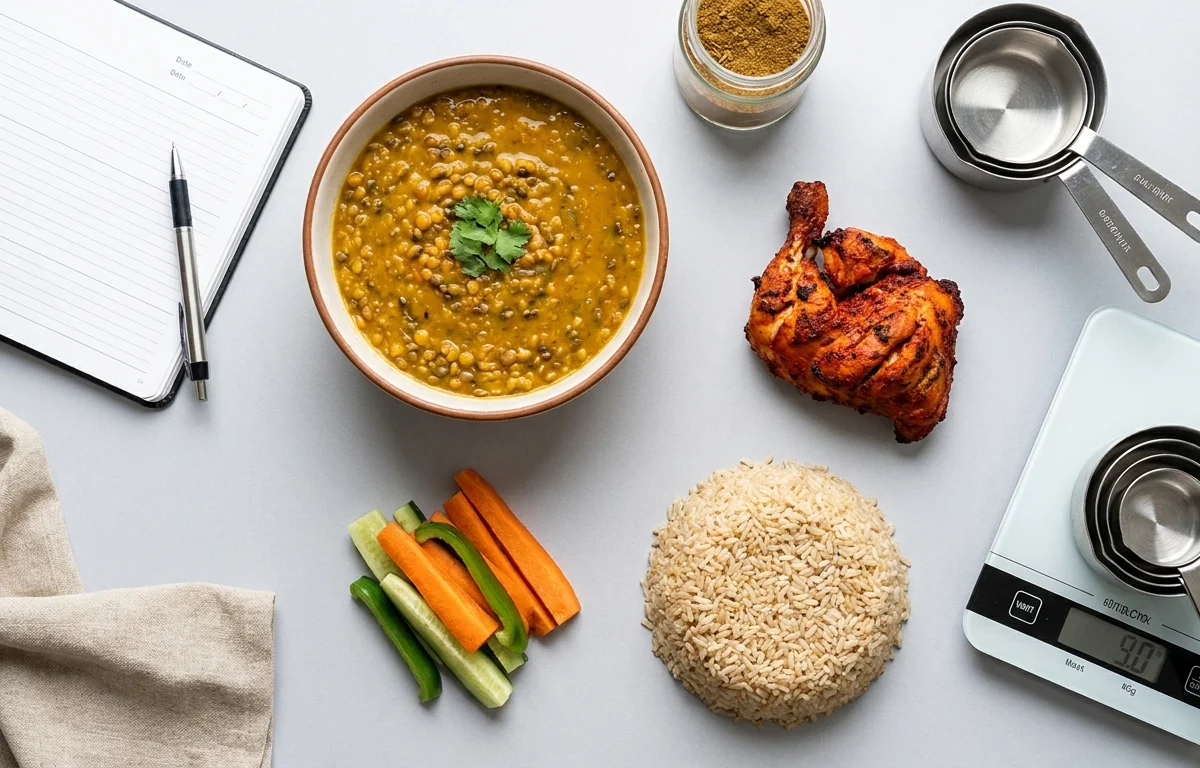
Counting macros is the part of fat loss that sounds intimidating and is actually arithmetic. You need three numbers — calories to eat in a day, grams of protein to hit (the non-negotiable one), and a fat-and-carb split that works for the food you actually like. That is it. The intimidation comes from the calculators online that hide behind 'AI-optimized' language but never show you the formula, and from the influencer math that tells you to eat 200g of protein from chicken breast in a country where most plates are dal-roti-sabzi.
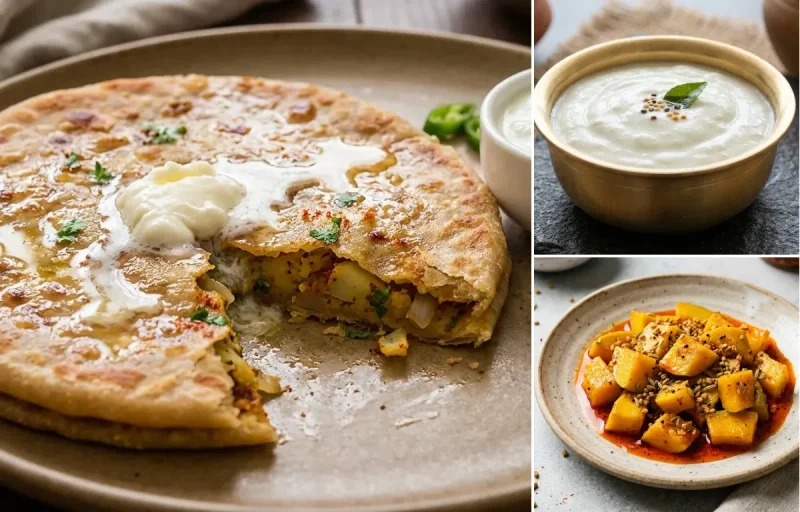
This guide does two things. First it walks you through the Mifflin-St Jeor equation (the BMR formula the Academy of Nutrition and Dietetics rates as the most accurate for adults) [1][4], shows you how to apply an honest activity multiplier, and explains why a 15-20% deficit — not the 40% crash deficit that lands in your inbox — is the one most fat-loss researchers actually defend [3][6]. Then it grounds every number in Indian-meal reality: one roti is ~80 kcal and 3g protein, one katori of cooked dal is ~110 kcal and 8g protein, 30g of paneer is ~85 kcal and 6g protein, one teaspoon of ghee is 45 kcal of pure fat [7]. Once you can read a plate in macros, you stop guessing about portions and start adjusting them.
Counting macros is arithmetic. You need three numbers — calories to eat in a day, grams of protein to hit, and a fat-and-carb split that works for the food you actually like. The Indian-plate problem is that most of the macro calculators online were built around chicken breast and oats, and most of the influencer advice ignores that one teaspoon of ghee is 45 kcal of pure fat. Here is the real arithmetic — Mifflin-St Jeor BMR, a defensible 15-20% deficit, and a protein target that protects lean mass — applied to dal, roti, paneer, and ghee.
Our planner takes your calorie and protein target and builds a 7-day Indian-meal rotation — dal-plus-curd combos, paneer dishes, chicken/fish plates — that hits the numbers without spreadsheet maths.
Build my planMacro math is a learning tool, not a lifestyle. The point is to spend three or four weeks tracking honestly, see how a katori of dal stacks against a serving of paneer or a piece of fish, internalise the portion sizes that hit your protein target, and then track adherence — not precision — for the long run. The Mifflin-St Jeor number is an estimate with a ±10-15% real-world margin [1], your activity multiplier is a guess, and even the per-katori macros vary by which dal you cooked and how long it simmered. None of that matters if you are weighing yourself once a week, eating to a protein-anchored plate, and adjusting calories every 2-3 weeks based on the weight trend rather than the daily reading.
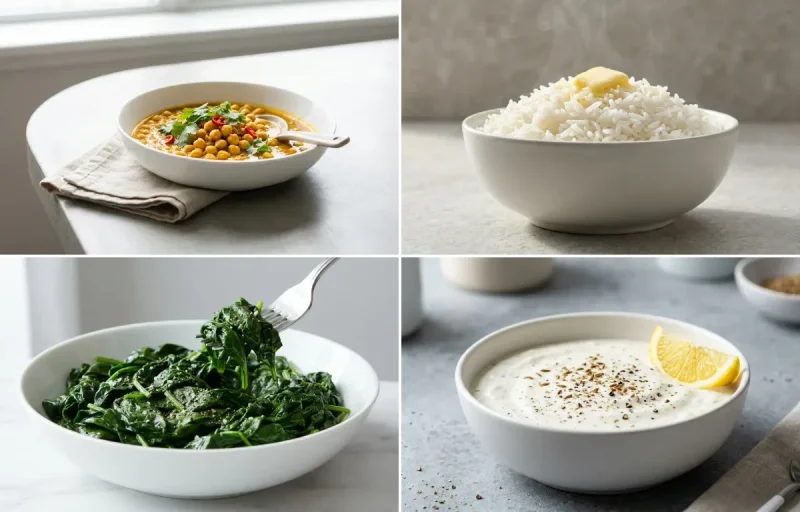
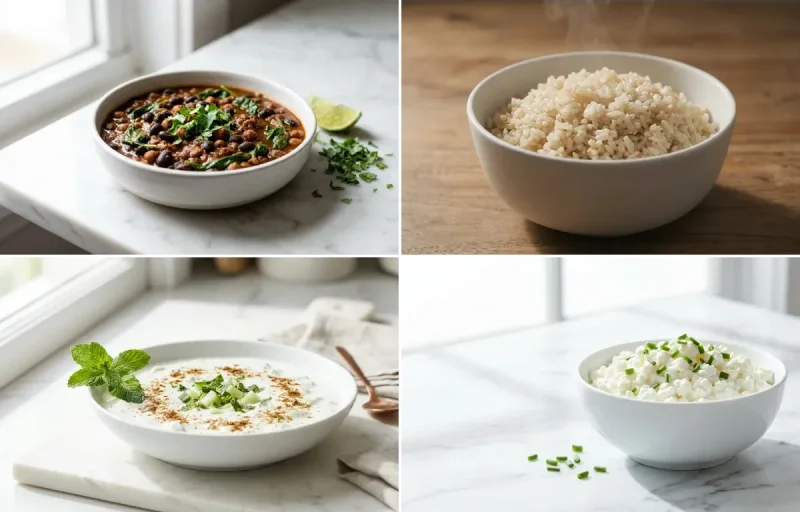
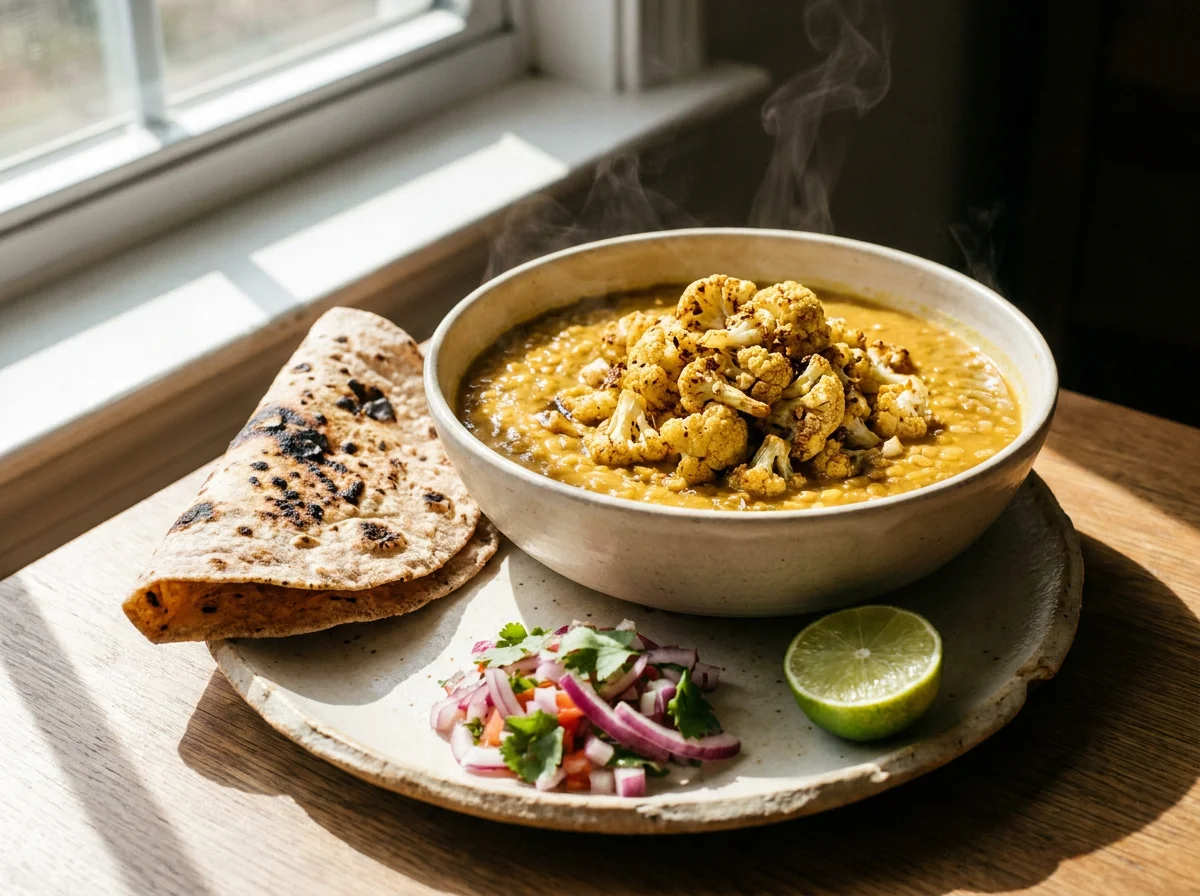
The meals below are sized for a ~1,800 kcal day with a ~130g protein target — a reasonable midpoint for an active woman in a modest deficit or a moderately active man at maintenance. If your numbers come out higher or lower, scale the portions proportionally: more roti and rice, or less. Hold the protein anchors (dal-plus-curd, paneer, eggs, chicken, fish) constant; that is the line that protects lean mass while the fat comes off. And if you take insulin, a sulfonylurea, or you are pregnant, postpartum, or in recovery from an eating disorder, do not adopt this template without a clinician — calorie deficits in those settings are a medical decision, not a math one.

Sourabh writes about Indian cuisine, budget cooking, and the everyday nutrition questions that come up in Indian kitchens — chapati portions, dal protein, how to keep dishes balanced without losing the flavours families actually want. His pieces lean on credible sources (ICMR-NIN, peer-reviewed studies) and home-cook reality in equal measure.
Meet the editorial team →Built using verified nutrition databases, culinary research, and traditional cooking knowledge — every claim is cross-referenced against the sources listed in the article. Last reviewed May 2026.
Articles are curated using trusted food databases (USDA FoodData Central, IFCT), culinary literature, and dietary guidelines, then structured by our editorial team for clarity, accuracy, and usefulness.