Tilapia gets a bit of a side-eye in the food world. It’s often called bland, boring, or worse. But let's be honest: for a quick, weeknight protein, it's hard to beat. It's incredibly lean, almost pure protein, cooks in minutes, and takes on any flavor you throw at it. The trick isn't to expect it to be wild salmon. The trick is to see it for what it is: a blank canvas for a fast, healthy meal.
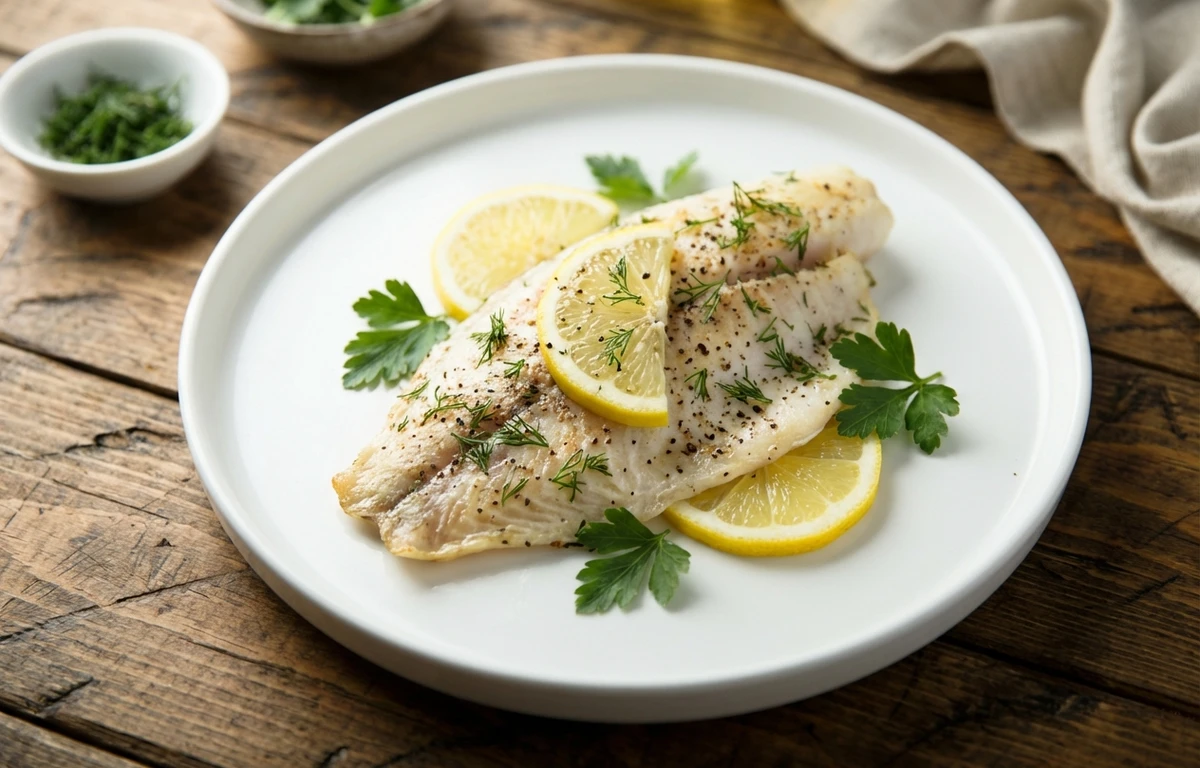
↑ Raw tilapia is a blank canvas for flavor — lean, fast-cooking, and packed with protein.
The lean protein canvas
Tilapia is one of the most popular fish in the world, and for good reason: it's affordable, mild, and incredibly easy to cook. It's not a fatty fish like salmon or mackerel, so you won't get a big dose of omega-3s. What you get instead is one of the leanest, cleanest sources of protein available.
A 100-gram fillet delivers over 20 grams of protein for under 100 calories. That's a fantastic ratio for anyone focused on muscle building, weight management, or just getting a satisfying meal on the table in under 10 minutes.
IN ONE LINE
Tilapia is a protein machine: 96 calories, 20g of protein, and zero carbs. Think of it as a clean, reliable base for any healthy meal.
Tilapia nutrition facts
Here's the nutritional breakdown for a standard 100-gram (about 3.5 ounces) raw tilapia fillet. Remember that baking or pan-searing will change the weight slightly, but these numbers are a great baseline.
Is tilapia unhealthy?
You've probably heard the rumors — that tilapia is 'dirtier' than other fish. Most of these concerns are about two things: farming practices and the fat profile. It's true that tilapia is low in the omega-3 fats that make salmon so famous, and it has more omega-6 fats. While we need both, most Western diets are already high in omega-6s. However, for a fish this low in fat overall (less than 2 grams per serving), the absolute amount of omega-6 is tiny and not a major concern for most people.
As for farming, standards have improved dramatically. Look for tilapia with certifications from the Aquaculture Stewardship Council (ASC) or Best Aquaculture Practices (BAP) to ensure it was raised responsibly. A well-sourced tilapia fillet is a perfectly healthy choice.
Tilapia's glycemic index
This is a short conversation. The glycemic index (GI) measures how much a carbohydrate-containing food raises blood sugar. Since tilapia has zero carbohydrates, its glycemic index is effectively zero. It has no impact on blood sugar levels, making it an excellent food for anyone managing diabetes or following a low-carb diet like keto.
GLYCEMIC INDEX · TILAPIA vs COMMON FOODS
Tilapia has no glycemic impact
Tilapia
zero carbs
ZERO
Apple
whole fruit
LOW
Pineapple
whole fruit
MEDIUM
White bread
refined
HIGH
Cornflakes
refined
HIGH
SCALE 0–90
04590
The smart way to cook it
Tilapia's mild flavor is its greatest strength. It won't fight with your seasonings. Here's how to get it right.
01
Don't overcook it.
Tilapia is lean, which means it cooks fast and dries out if you go too long. A few minutes per side in a pan or 10-12 minutes in the oven is usually all it takes.
02
Season generously.
Salt, pepper, garlic powder, paprika, lemon juice, fresh herbs... tilapia can take it all. It's a blank canvas, so don't be shy.
03
Stick to healthy cooking methods.
Baking, broiling, grilling, and pan-searing are your best friends. A heavy breading or deep-frying adds a lot of calories and unhealthy fats.
04
Pair it with color and texture.
Because the fish itself is soft and white, it shines next to bright, crunchy vegetables, a vibrant salsa, or a bed of colorful quinoa.
What tilapia is good for
01
High-quality lean protein
With over 20 grams of protein per fillet, tilapia is fantastic for muscle maintenance, satiety, and keeping you full between meals.
20.1g
protein
02
Excellent for weight management
At under 100 calories for a satisfying portion of protein, it's one of the most calorie-efficient foods you can eat.
96
calories
03
Zero blood sugar impact
With no carbohydrates, tilapia is a perfect choice for anyone on a low-carb, keto, or diabetes-friendly diet. It simply won't raise your blood glucose.
GI 0
zero
04
Fast, easy, and versatile
It thaws quickly and cooks in minutes, making it a go-to for healthy weeknight dinners when you're short on time.
<10
min cook
What to pair tilapia with
Tilapia's mildness means it plays well with almost everything. The goal is to add flavor, texture, and the nutrients the fish lacks (like fiber and healthy fats).
Eat freely — or be mindful?
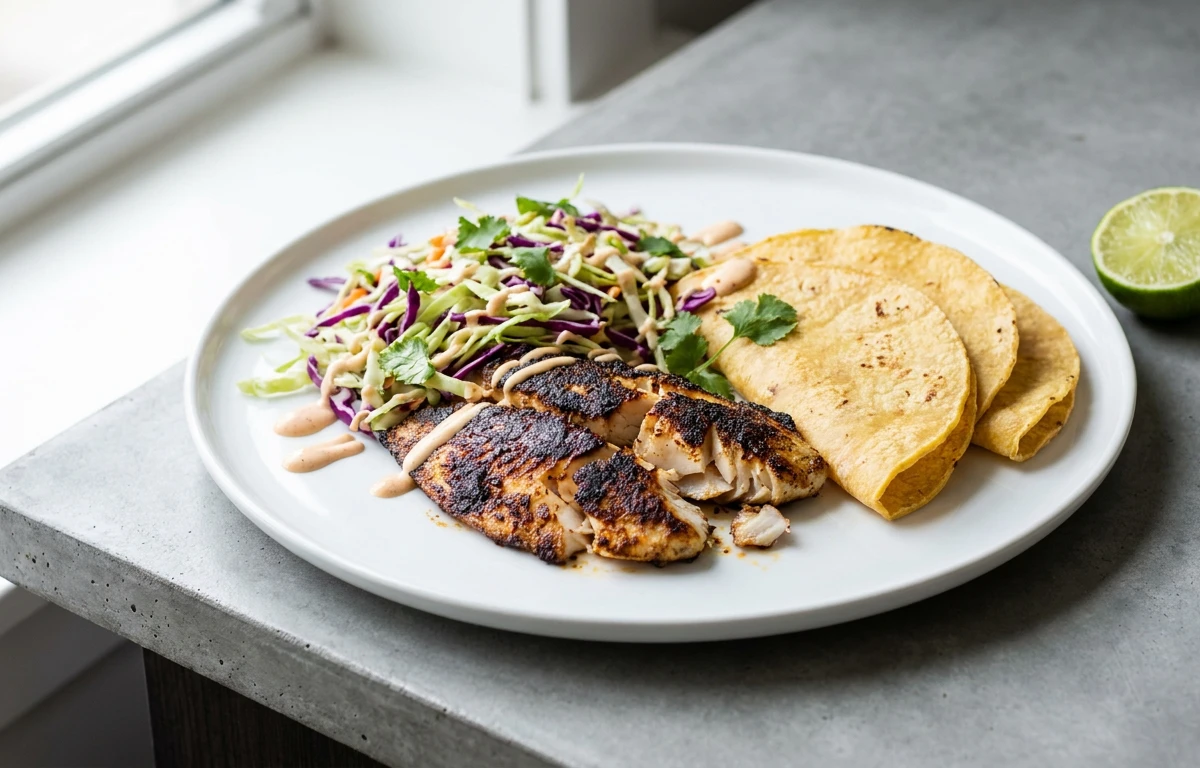
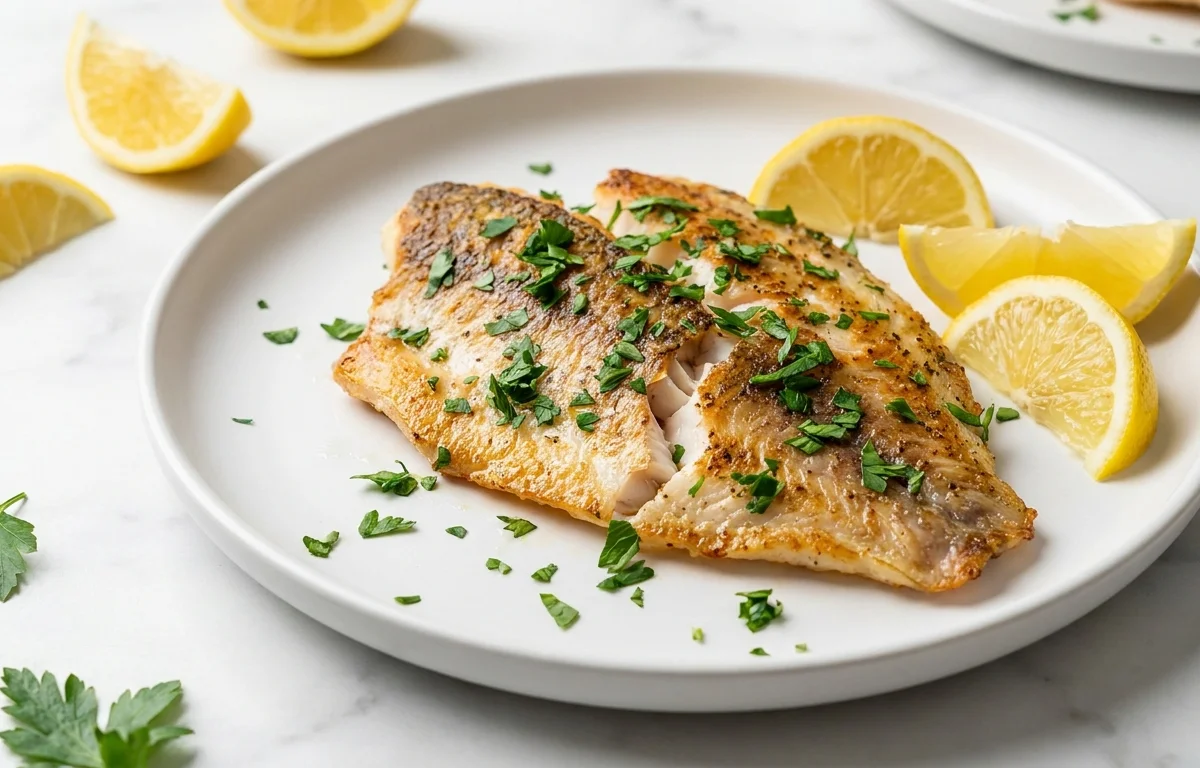
Three ways to eat it
Three simple recipes that let the lean, clean profile of tilapia shine.
Want lean protein worked into a balanced week — without the planning?
Our meal planner pairs foods like tilapia with fiber-rich vegetables and healthy fats for steady energy, with portions and macros already calculated and a single grocery list at the end.
Build my weekly plan →SOURCES & REFERENCES · 3
One more thing
Eating well is rarely about willpower. It’s about having a short list of dinners you actually want to eat. Pick two from this list. Make them next week. The rest will follow.
If you want these on autopilot, our weekly meal planner can drop the picks above into your calendar with one click and build a single grocery list from the merged ingredients.
FREQUENTLY ASKED QUESTIONS
Frequently asked questions
Is tilapia good for weight loss?
Yes, it's excellent for weight loss. It's very high in protein, which helps you feel full, and very low in calories. A 100g fillet has about 20g of protein for just 96 calories.
Does tilapia have a glycemic index?
No. The glycemic index only applies to foods with carbohydrates. Since tilapia has 0 grams of carbs, it has a glycemic index of 0 and does not affect blood sugar levels.
Why does tilapia have a bad reputation?
Concerns usually stem from historical farming practices and its fat profile (low omega-3s, higher omega-6s). However, the total fat is so low that the omega-6 content is minimal. Choosing tilapia from sources with modern, sustainable certifications (like ASC or BAP) ensures a healthy, safe product.
Is tilapia a 'bottom feeder'?
This is a common myth. Tilapia are freshwater fish that primarily eat algae and plant-based foods, not waste from the bottom. In responsible farms, they are fed controlled, high-quality vegetarian pellets.
METHODOLOGY
How this article was created
Built using verified nutrition databases, culinary research, and traditional cooking knowledge — every claim is cross-referenced against the sources listed in the article.
· USDA data· Culinary research· Quality reviewed
Read our methodology →TRANSPARENCY
About this content
Articles are curated using trusted food databases (USDA FoodData Central, IFCT), culinary literature, and dietary guidelines, then structured by our editorial team for clarity, accuracy, and usefulness.
· Verified data sources· Culinary research· Quality reviewed
Read our editorial policy →RELATED RECIPES
Cook from this article
EXPLORE OUR MEALS
Meals that fit this article

AMERICAN · 1677 CAL
Almonds with Sliced Apple + supplement + iron

MEDITERRANEAN · 809 CAL
Greek Yogurt with Berries Almonds and Granola + supplement + iron

GENERAL_HEALTHY · 705 CAL
Banana with Peanut Butter Pregnancy + supplement + iron

MODERN · 982 CAL
Hummus with Crudits and Pita with Fresh Orange Snack + supplement + iron
TAGGED
KEEP READING