A classic Mexican breakfast featuring lightly fried corn tortillas topped with sunny-side-up eggs and a warm, zesty tomato-chili salsa. Perfect for a hearty brunch that's ready in under 30 minutes.
Prep10 min
Cook20 min
Servings4
Serving size: 1 serving(1 serving includes 2 fried eggs on 2 corn tortillas with ranchero sauce and toppings.)
534cal
27gprotein
52gcarbs
26g
Ingredients
1 tbsp Vegetable Oil (For the sauce)
1 pcs White Onion (Medium, finely chopped)
2 cloves Garlic (Minced)
1 pcs Jalapeño (Minced, seeds removed for less heat)
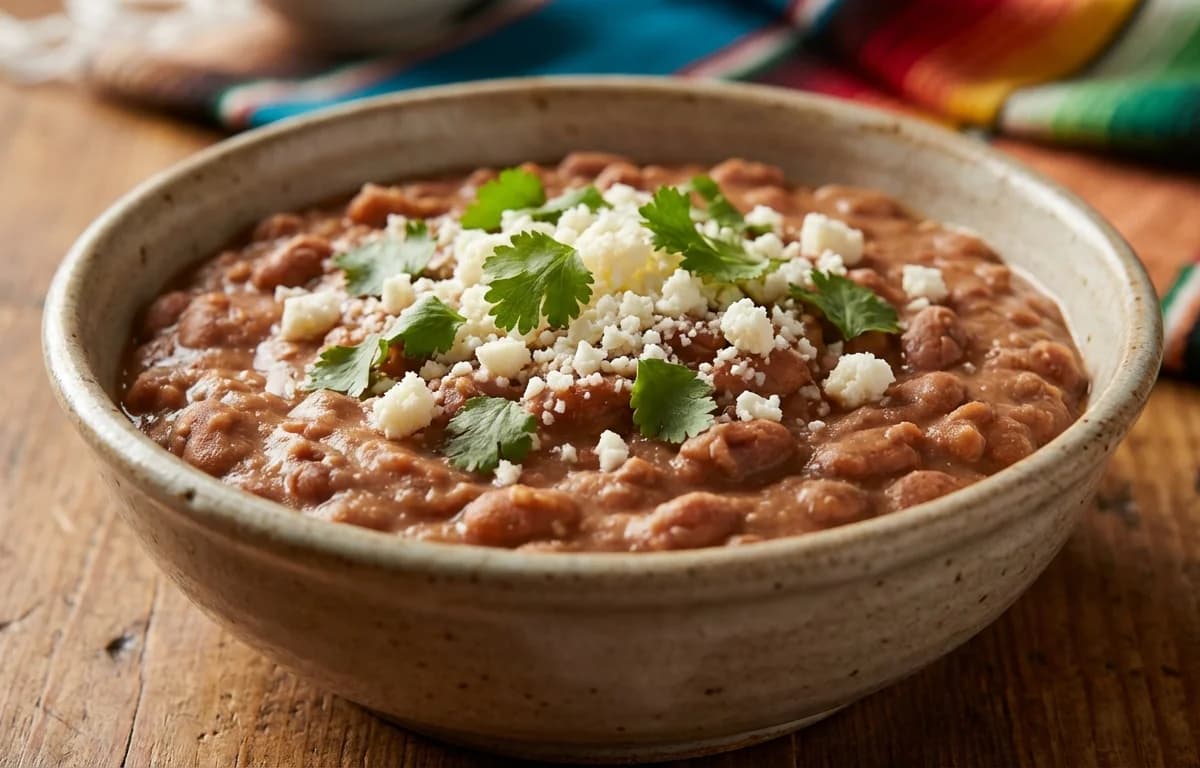
Creamy, savory refried beans with a hint of spice, just like your favorite Tex-Mex restaurant. Made from scratch in under 20 minutes, they're the perfect side for tacos, burritos, or nachos.
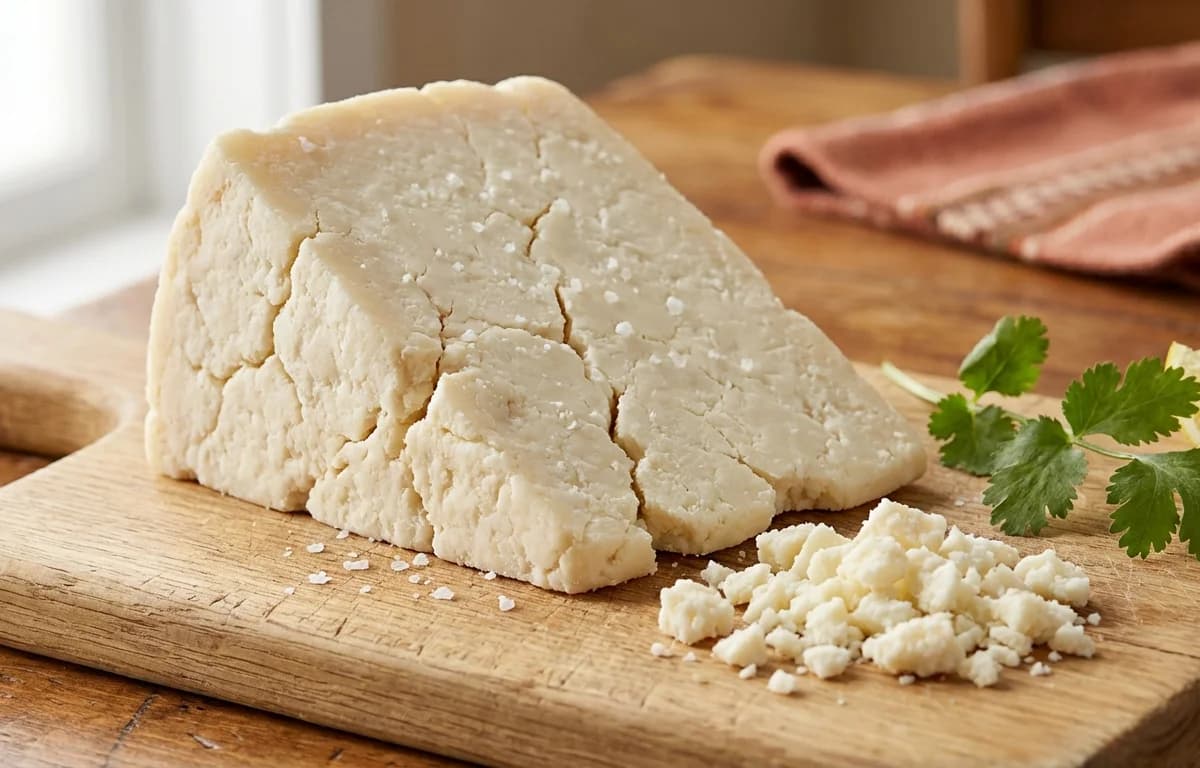
Learn to make authentic, crumbly Cotija cheese at home. This salty, aged Mexican cheese is perfect for crumbling over tacos, salads, and elote. This recipe requires patience and precision, but the rewarding, robust flavor is well worth the effort.
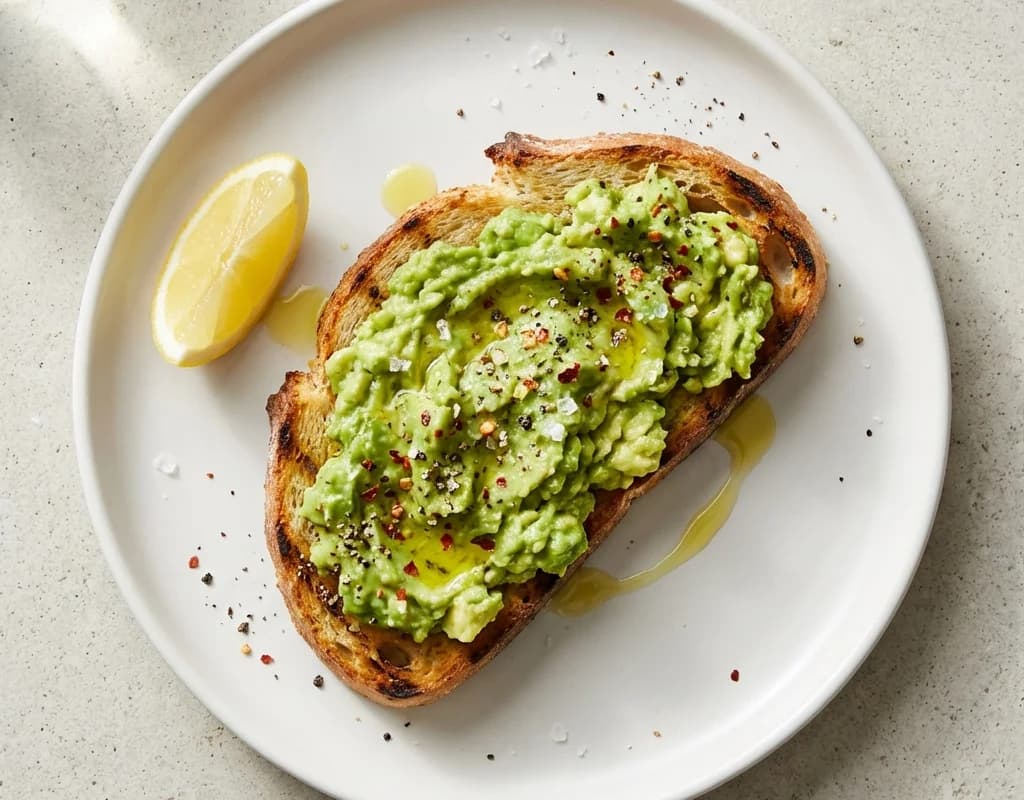
A quintessential California classic, this recipe features creamy mashed avocado on perfectly toasted sourdough, seasoned with a hint of zesty lemon, sea salt, and a pinch of red pepper flakes. A simple, nutrient-dense, and incredibly satisfying breakfast or snack ready in under 10 minutes.
Prep5 min
Cook3 min
Servings2
Serving size: 1 serving
About Huevos Rancheros, Tex-Mex Refried Beans, Cotija Cheese and Avocado Toast
Homestyle, protein-packed Huevos Rancheros with fiber-rich beans and creamy avocado. An energy-giving, tangy start!
This mexican_american dish is perfect for breakfast. With 1160.03 calories and 50.16g of protein per serving, it's a nutritious choice for your meal plan.
Other Cuisines to Explore
Discover authentic meals from cuisines around the world.
Heat 1 tbsp of oil in a medium saucepan over medium heat.
Add the chopped onion, garlic, and jalapeño. Sauté for 4-5 minutes until the onion is translucent and softened.
Stir in the diced tomatoes, ground cumin, Mexican oregano, chipotle powder, salt, and pepper.
Bring the mixture to a gentle simmer, then reduce the heat to low. Cover and let it cook for 10-15 minutes, allowing the flavors to meld and the sauce to thicken slightly. Keep warm.
2
Warm Tortillas and Beans
While the sauce simmers, warm the refried beans in a small pot over low heat, stirring occasionally until smooth.
In a large skillet, heat 1/4 cup of oil over medium-high heat. The oil is ready when it shimmers.
Using tongs, carefully place one tortilla in the hot oil. Fry for 15-20 seconds per side, just until it's soft and pliable but not crispy. Repeat with all tortillas, adding more oil if needed.
Place the fried tortillas on a plate lined with paper towels to drain excess oil.
3
Fry the Eggs
In the same skillet, ensure there is a thin layer of oil. Reduce heat to medium. If the pan is dry, add a little more oil.
Carefully crack the eggs into the skillet, being careful not to crowd them (work in two batches if necessary).
Cook for 2-3 minutes for sunny-side-up with runny yolks, or until the whites are fully set and the yolks reach your desired doneness.
Season the eggs with a pinch of salt and pepper.
4
Assemble and Serve
To assemble, place two warm tortillas on each plate, slightly overlapping.
Top each tortilla with a fried egg.
Generously spoon the warm ranchero sauce over and around the eggs.
Garnish with crumbled cotija cheese, sliced avocado, and fresh cilantro. Serve immediately with a side of warm refried beans.
204cal
8gprotein
26gcarbs
8gfat
Ingredients
3 tbsp Lard (Can substitute with bacon drippings or vegetable oil)
1 pcs White Onion (Medium, finely chopped)
3 clove Garlic (Minced)
2 can Canned Pinto Beans (15 oz cans, drained and rinsed)
1 tsp Ground Cumin
0.5 tsp Chili Powder (American-style mild chili powder)
0.75 tsp Salt (Adjust to taste)
0.25 tsp Black Pepper (Freshly ground)
0.5 cup Water (Or vegetable broth, plus more as needed)
2 tbsp Cotija Cheese (Crumbled, for garnish (optional))
1 tbsp Fresh Cilantro (Chopped, for garnish (optional))
Instructions
1
Sauté Aromatics
Heat the lard or oil in a large, heavy-bottomed skillet or Dutch oven over medium heat.
Once shimmering, add the finely chopped onion and cook, stirring occasionally, until softened and translucent, about 4-5 minutes.
Add the minced garlic and cook for another minute until fragrant, being careful not to let it burn.
2
Bloom the Spices
Stir in the ground cumin and chili powder.
Cook for 30-60 seconds, stirring constantly, until the spices are fragrant. This step, known as blooming, deepens their flavor.
3
Simmer the Beans
Add the drained and rinsed pinto beans to the skillet, along with 1/2 cup of water or vegetable broth.
Bring the mixture to a gentle simmer.
Reduce the heat to low, cover the skillet, and let the beans cook for 5-7 minutes to soften and absorb the flavors.
0.5 cup Cool Non-Chlorinated Water (Used to dilute calcium chloride and rennet)
2 tbsp Non-Iodized Salt (Cheese salt or kosher salt works best)
Instructions
1
Sanitize Equipment & Prepare Ingredients
Before starting, thoroughly wash and sanitize a large stockpot, long-handled spoon, thermometer, long knife, colander, cheesecloth, and your cheese press. This prevents contamination.
In a small bowl, dilute the 1/2 tsp of calcium chloride in 1/4 cup of cool, non-chlorinated water. Set aside.
In a separate small bowl, dilute the 1/2 tsp of liquid rennet in the remaining 1/4 cup of cool, non-chlorinated water. Set aside. Do this just before you need to add it.
2
Heat and Culture the Milk (Approx. 75 minutes)
Pour the gallon of milk into the sanitized stockpot. Attach a thermometer to the side.
Gently heat the milk on medium-low to 90°F (32°C), stirring occasionally to prevent scorching. This should take about 15-20 minutes.
Once at 90°F, turn off the heat. Sprinkle the mesophilic culture over the milk's surface and let it rehydrate for 2-3 minutes.
Stir the culture into the milk using an up-and-down motion for 1 minute to ensure it's fully incorporated.
Stir in the diluted calcium chloride solution.
Cover the pot and let the milk ripen for 1 hour. Try to maintain the temperature around 90°F (a warm spot in the kitchen or a pre-warmed oven turned off works well).
3
Set the Curd (Approx. 60 minutes)
Gently stir the diluted rennet solution into the milk for 1 minute using an up-and-down motion.
Immediately cover the pot and let it sit completely undisturbed for 45 to 60 minutes.
Check for a 'clean break' by inserting a clean knife or thermometer into the curd at an angle and lifting straight up. If the curd splits cleanly and the whey that fills the gap is clear, it's ready. If it's soft or milky, wait another 10-15 minutes.
4
Cut and Cook the Curds (Approx. 70 minutes)
Using a long knife that reaches the bottom of the pot, cut the curd into 1/2-inch cubes. Make vertical cuts first, then turn the pot 90 degrees and repeat. Finally, hold the knife at a 45-degree angle to make diagonal cuts.
Let the cut curds rest and heal for 5 minutes.
Very slowly, heat the curds to 100°F (38°C) over the next 30 minutes. Stir gently with a slotted spoon every 5 minutes to prevent the curds from matting together.
Once the temperature reaches 100°F, hold it there for another 30 minutes, stirring occasionally. The curds will shrink, firm up, and expel more whey.
5
Drain and Salt the Curds (Approx. 30 minutes)
Turn off the heat and let the curds settle to the bottom of the pot for 10 minutes.
Carefully pour off the whey. You can save the whey for baking or other uses.
Line a colander with cheesecloth and transfer the curds into it. Let them drain for 15-20 minutes.
Transfer the drained curds to a large bowl. Break up any large clumps with your fingers and thoroughly mix in the 2 tablespoons of non-iodized salt.
6
Press the Cheese (Approx. 12.5 hours)
Line your cheese press mold with a damp piece of cheesecloth, ensuring it's smooth.
Carefully pack the salted curds into the mold.
Press at 10 lbs of pressure for 20 minutes.
Remove the cheese from the press, carefully unwrap it, flip it over, re-wrap it smoothly, and place it back in the press.
Press at 20 lbs of pressure for 20 minutes.
Repeat the flipping and re-wrapping process one more time. Press at 40-50 lbs of pressure for 12 hours.
7
Air-Dry and Age the Cheese (30+ days)
After pressing, unwrap the cheese. It should be a firm, consolidated wheel. Pat it dry with a clean paper towel.
Place the cheese on a sanitized cheese mat in a cool (50-60°F / 10-15°C), well-ventilated area. Air-dry for 2-4 days, flipping it twice daily, until the surface is completely dry to the touch.
Transfer the cheese to an aging environment (like a wine fridge or a dedicated 'cheese cave') at 55°F (13°C) with 80-85% humidity.
Age for a minimum of 30 days for a mild flavor, or 60-90 days for a sharper, more traditional Cotija. Flip the cheese every 2-3 days to ensure even aging.
Toast the bread slices until golden brown and crisp. This can be done in a toaster, under a broiler, or in a hot skillet for about 2-3 minutes.
2
While the bread is toasting, prepare the avocado. Slice the avocado in half lengthwise, remove the pit, and scoop the flesh into a small bowl.
3
Add the fresh lemon juice, sea salt, and black pepper to the avocado. Using a fork, gently mash the avocado to your desired consistency. For a better texture, leave some small chunks.
4
Once the toast is ready, place it on a plate. Immediately spread the mashed avocado mixture evenly over each slice, going all the way to the edges.
5
Drizzle with extra virgin olive oil and sprinkle with red chili flakes (if using). Serve immediately for the best experience.