Vegan Minestrone Soup with Whole Wheat Roll and Side Salad
Popularity
3.5
A hearty and classic Italian vegetable soup packed with beans, pasta, and herbs, served with a warm whole wheat roll and a fresh side salad for a perfectly balanced vegan lunch.
A vibrant, rustic Italian soup brimming with fresh vegetables, hearty beans, and tender pasta. This plant-based classic is a complete meal in a bowl, simmered in a light, herb-infused tomato broth made from scratch.
Prep20 min
Cook50 min
Servings4
Serving size: 2 cups
357cal
17gprotein
58gcarbs
Ingredients
0.5 cup cannellini beans (dried)
1 pcs yellow onion (medium, chopped)
2 pcs carrots (medium, peeled and diced)
2 tbsp olive oil
1 pcs onion (medium, chopped)
2 pcs carrot (medium, peeled and diced)
2 pcs celery (stalks, diced)
4 pcs garlic (cloves, minced)
800 g tomato (about 6-7 medium, blanched, peeled, and chopped)
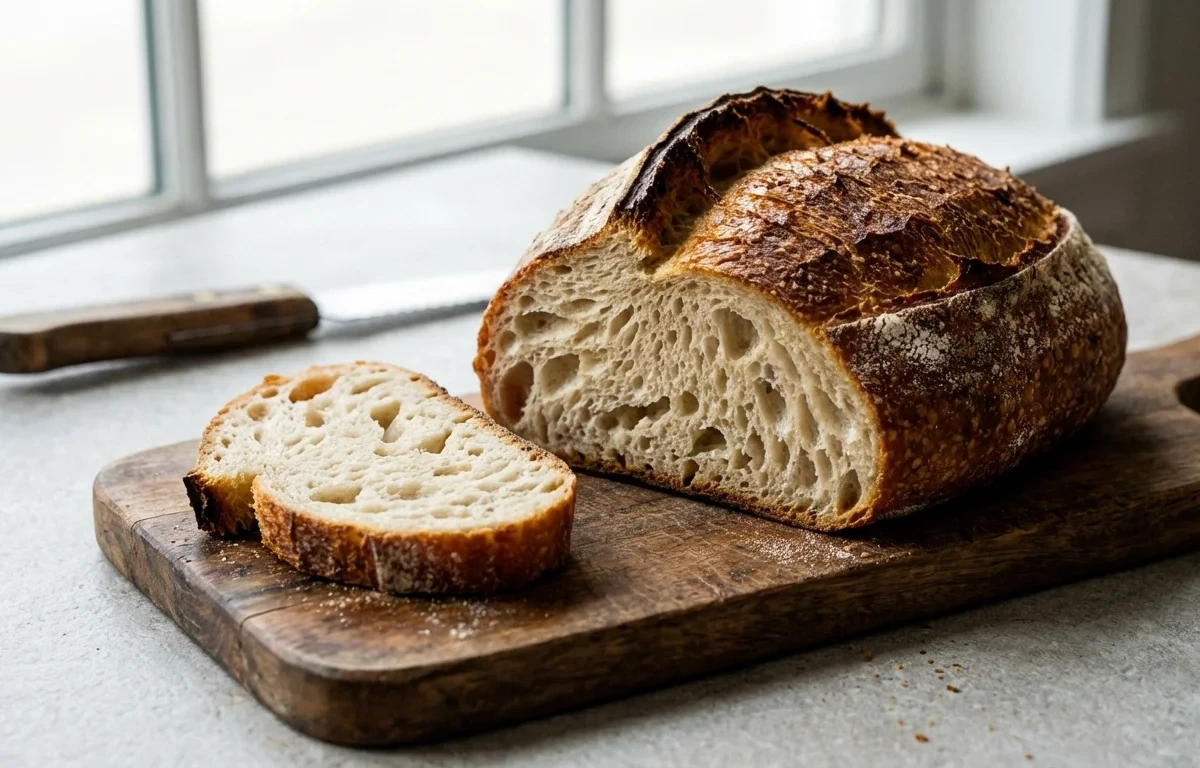
A classic artisan loaf with a tangy flavor, chewy crumb, and a beautifully crisp, golden-brown crust. Perfect for sandwiches, toast, or enjoying with a simple pat of butter. This recipe uses a Dutch oven to achieve professional bakery results at home.
A crisp, refreshing side salad featuring mixed greens, cucumber, and cherry tomatoes, all tossed in a zesty lemon and olive oil vinaigrette. The perfect light and healthy addition to any meal.
Prep10 min
Cook0 min
Servings4
Health Benefits
🌾
High in Fiber
Beans, vegetables, and the whole wheat roll provide excellent dietary fiber, aiding digestion and promoting fullness.
💊
Rich in Vitamins
The wide array of vegetables like carrots, celery, and tomatoes offers essential vitamins A and C, and antioxidants.
💪
Plant-Based Protein
Cannellini beans are a great source of plant-based protein, essential for muscle repair and maintenance.
❤️
Heart Healthy
This meal is low in saturated fat and cholesterol, supporting cardiovascular health.
Frequently Asked Questions
Is Vegan Minestrone Soup healthy?
Yes, it's an exceptionally healthy meal. It is packed with fiber from vegetables and beans, provides plant-based protein, and is rich in vitamins and minerals. The whole wheat roll adds complex carbohydrates for sustained energy.
How many calories are in this minestrone soup meal?
This complete meal, including the soup, roll, and side salad, contains approximately 550-600 calories, making it a substantial and balanced lunch option.
Can I meal prep minestrone soup?
Absolutely. Minestrone soup is perfect for meal prep and its flavor often improves the next day. Store it in an airtight container in the refrigerator for up to 4 days. You can cook the pasta separately and add it when reheating to prevent it from getting mushy.
Is this meal gluten-free?
As prepared, this meal is not gluten-free due to the whole wheat pasta in the soup and the whole wheat roll. To make it gluten-free, simply substitute the pasta with a gluten-free variety and serve with a gluten-free roll.
What else can I serve with minestrone soup?
Besides a roll and salad, minestrone pairs well with vegan garlic bread, a dollop of vegan pesto, or a sprinkle of nutritional yeast for a cheesy flavor.
About Vegan Minestrone Soup with Whole Wheat Roll and Side Salad
A hearty and classic Italian vegetable soup packed with beans, pasta, and herbs, served with a warm whole wheat roll and a fresh side salad for a perfectly balanced vegan lunch.
This italian_american dish is perfect for lunch. With 663.16 calories and 26.429999999999996g of protein per serving, it's a high_fiber, heart_healthy, weight_loss, low_fat option for your meal plan.
9gfat
0.25 tsp red pepper flakes (optional, for a little heat)
5 cup water
28 oz diced tomatoes (canned, undrained)
1 tsp dried oregano
6 cup vegetable broth (low sodium)
1 tsp dried basil
0.5 cup whole wheat pasta (small shape like ditalini or small shells)
1 pcs zucchini (medium, diced)
2 cup fresh spinach (loosely packed)
1 tsp salt
0.5 tsp black pepper (freshly ground)
2 tbsp fresh parsley (chopped, for garnish)
Instructions
1
Prepare the beans
Soak the dried cannellini beans in plenty of water overnight, or for at least 8 hours.
Drain the soaked beans and rinse them well.
In a pressure cooker, add the beans with 2 cups of fresh water. Cook for 3-4 whistles, or until tender (about 20-25 minutes).
Once cooked, drain any excess water and set the beans aside.
2
Sauté the aromatic vegetables
Heat the olive oil in a large pot or Dutch oven over medium heat.
Add the chopped onion, carrots, and celery. Cook, stirring occasionally, until the vegetables have softened, about 8-10 minutes.
Add the minced garlic, dried oregano, dried basil, and red pepper flakes. Sauté for another minute until fragrant.
3
Simmer the soup base
Add the chopped fresh tomatoes and 5 cups of water to the pot. Stir everything together.
Bring the soup to a boil, then reduce the heat to low, cover, and let it simmer for 15 minutes to allow the flavors to meld.
4
Add pasta and remaining ingredients
Stir in the cooked cannellini beans and the dry pasta.
Increase the heat to medium-low and let the soup simmer uncovered for about 8-10 minutes, or until the pasta is al dente.
Add the diced zucchini and fresh spinach. Stir and cook for 2-3 more minutes, until the zucchini is tender-crisp and the spinach has wilted.
5
Season and serve
Season with salt and black pepper.
Ladle the soup into bowls, garnish with fresh parsley, and serve hot.
Servings10
Serving size: 1 slice
202cal
7gprotein
41gcarbs
1gfat
Ingredients
500 g Bread Flour (Plus more for dusting)
375 g Water (Lukewarm, about 80-85°F (27-29°C))
100 g Sourdough Starter (Active and bubbly, fed 4-8 hours prior)
10 g Fine Sea Salt
1 tbsp Rice Flour (For dusting the proofing basket)
Instructions
1
Autolyse (1 hour)
In a large mixing bowl, combine the 500g of bread flour and 375g of lukewarm water. Mix with your hands or a spatula until no dry flour remains. The dough will be shaggy.
Cover the bowl and let it rest at room temperature for 60 minutes. This step, the autolyse, allows the flour to fully hydrate and gluten development to begin.
2
Incorporate Starter and Salt (30 minutes)
Add the 100g of active sourdough starter to the top of the dough. Use wet hands to dimple the starter into the dough, then use a pinching and folding motion to fully incorporate it. This should take about 3-4 minutes.
Cover the dough and let it rest for 20-30 minutes.
Sprinkle the 10g of fine sea salt over the dough. Use the same wet-handed pinching and folding technique to mix the salt in thoroughly.
3
Bulk Fermentation (4-5 hours)
Transfer the dough to a clean, lightly oiled container or keep it in the same bowl. Cover it.
Let the dough ferment at a warm room temperature (around 75-78°F / 24-26°C).
During the first 2 hours, perform 4 sets of 'stretch and folds' spaced 30 minutes apart. To do this, wet your hands, grab one side of the dough, stretch it upwards, and fold it over the center. Rotate the bowl and repeat on all four sides.
After the final set of folds, cover the dough and let it rest undisturbed for the remaining 2-3 hours of bulk fermentation.
The dough is ready when it has increased in volume by about 30-50%, feels airy, and has a few visible bubbles on the surface.
4
Shaping (30 minutes)
Gently scrape the dough out onto a lightly floured work surface. Be careful not to deflate it too much.
Pre-shape the dough into a loose round (boule) by gently tucking the edges underneath. Let it rest, uncovered, on the counter for 20-30 minutes.
Flip the dough over and perform the final shaping. Gently stretch it into a rectangle, then fold it like a letter. Roll it up from the short end, creating a tight skin on the surface. Pinch the seams closed.
Generously dust a banneton (proofing basket) with rice flour. Place the shaped dough seam-side up into the basket.
5
Cold Proof (12-18 hours)
Place the banneton inside a plastic bag or cover with a reusable shower cap to prevent a skin from forming.
Transfer the basket to the refrigerator and let it cold-proof for 12 to 18 hours. This slow fermentation develops the characteristic tangy flavor and improves the crumb structure.
6
Preheat Oven and Dutch Oven (1 hour)
Place a large Dutch oven with its lid on inside your oven.
Preheat the oven to 500°F (260°C) for at least 1 hour to ensure the Dutch oven is extremely hot.
7
Score and Bake (45 minutes)
Carefully remove the hot Dutch oven from the oven. Take the dough from the refrigerator.
Invert the dough from the banneton onto a piece of parchment paper. The seam-side is now on the bottom.
Using a sharp blade or bread lame, make one confident slash across the top, about 1/2-inch deep, at a slight angle.
Using the parchment paper as a sling, carefully lower the dough into the hot Dutch oven. Place the lid back on.
Reduce the oven temperature to 475°F (245°C). Bake for 25 minutes with the lid on.
Remove the lid. The bread should have 'sprung' up. Continue baking for another 15-20 minutes, or until the crust is a deep, dark golden brown.
8
Cool Completely (2-4 hours)
Immediately remove the bread from the Dutch oven and place it on a wire rack to cool.
It is crucial to let the bread cool completely, for at least 2 hours but preferably 4, before slicing. The internal structure is still setting, and cutting it warm will result in a gummy texture.