Goan Clams Sukhem
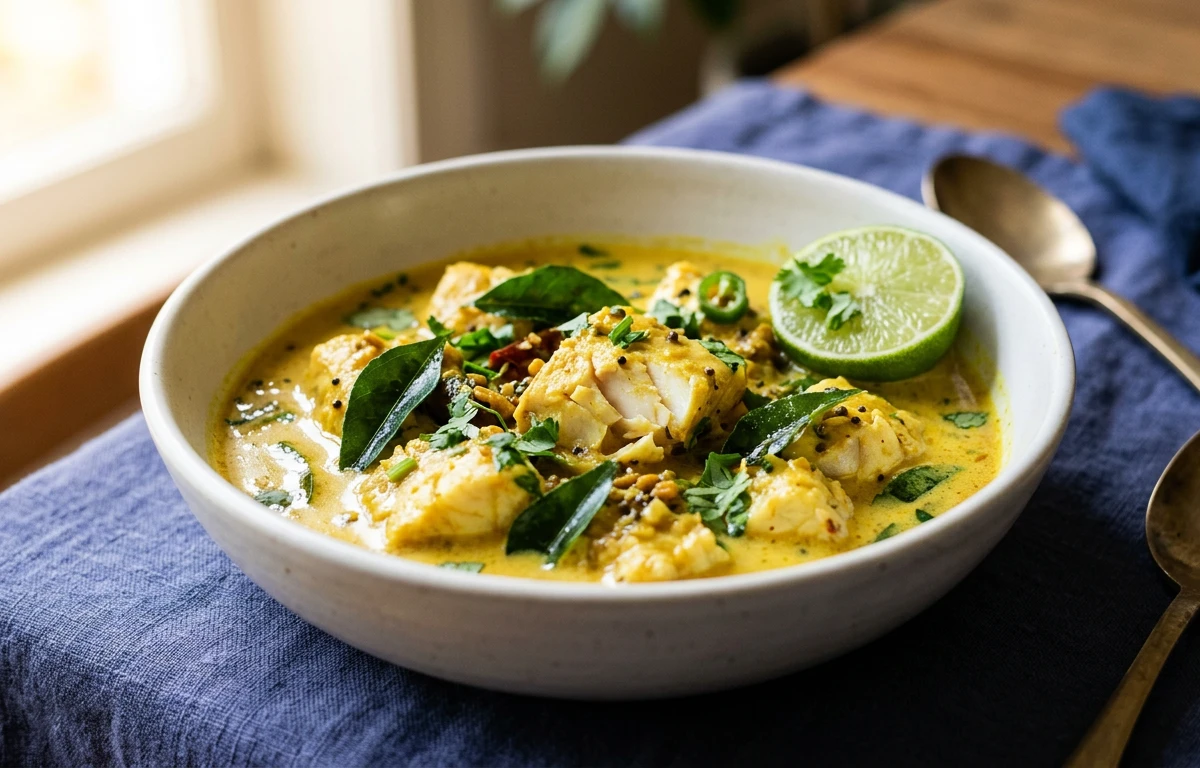
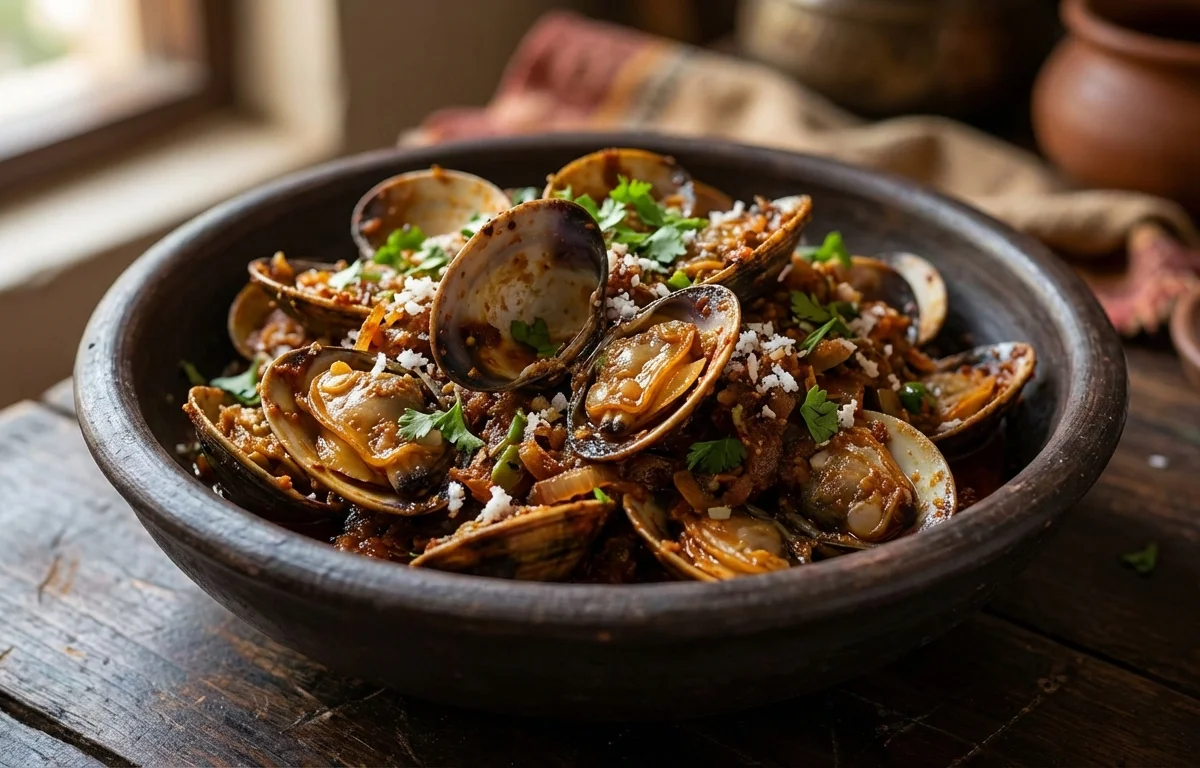
Fresh clams cooked the Goan way with grated coconut, onion, tomato, and warm spices until the masala clings to every shell. It is lightly tangy, gently spicy, and best served hot as part of a coastal meal.
For 4 servings
- prep · ~8 min
Clean the clams.
1.Rinse the clams well in several changes of water to remove grit.2.Discard any clams with broken shells or ones that stay open when tapped.3.Keep the cleaned clams ready for cooking.TIPA thorough wash is important here because any sand left inside will spoil the dish. - boil · ~5 min
Open the clams.
Place the clams and water in a pot, cover, and cook over medium heat until the shells open, about 4 to 5 minutes. Remove from heat and discard any clams that do not open.
- prep · ~5 min
Pick the clam meat and strain the liquid.
Remove most of the clam meat from the shells, keeping a few in shell if you like for serving. Strain the cooking liquid through a fine sieve and keep 1/4 cup aside.
- saute · ~8 min
Cook the coconut and aromatics.
1.Heat oil in a wide pan over medium heat.2.Add cumin seeds and let them sizzle for a few seconds.3.Add onion, green chili, ginger, and garlic, then cook until the onion softens and turns light golden, 4 to 5 minutes.4.Add grated coconut and cook for 2 to 3 minutes, stirring often, until lightly toasted.TIPDo not darken the coconut too much; light toasting keeps the sukhem fragrant and sweet. - saute · ~4 min
Build the masala.
Add tomato, turmeric powder, red chili powder, coriander powder, tamarind paste, and salt. Cook until the tomato softens and the masala looks dry and well mixed, about 3 to 4 minutes.
- simmer · ~3 min
Add the clams and finish the sukhem.
Add the clam meat and the reserved strained clam liquid. Mix well and cook for 2 to 3 minutes until the masala coats the clams and the dish turns semi-dry.
TIPClams cook fast, so keep this final simmer short or they can turn chewy. - garnish
Garnish with coriander leaves.
- serve
Serve hot.
Serve Goan Clams Sukhem hot with rice or as part of a coastal Goan meal.
What to keep in mind.
7 tips from the recipe — small details that make a real difference to the final dish.
- 1Strain the clam-opening liquid through a very fine sieve or cloth so no grit gets back into the sukhem.
- 2Toast the grated coconut only until pale golden; if it browns too much, the dish can taste bitter.
- 3Cook the onions until just light golden before adding coconut so the masala stays sweet and balanced.
- 4Add salt cautiously because clams and their cooking liquor already carry natural salinity.
- 5Keep the final simmer brief once the clam meat goes in; overcooking makes clams rubbery.
- 6A wide pan works best here, helping the masala dry out and cling to the clam meat instead of turning saucy.
- 7This dish is best eaten fresh, but leftovers can be refrigerated for a day and gently reheated just until warm.
Adapt it for your goals.
More-spicy
Increase the green chilies or red chili powder for a hotter sukhem that still keeps the coconut-tamarind balance.
shell onShell-on
Leave more clam meat in the shells for a more traditional, rustic presentation that is great for serving at the table.
prawn sukhemPrawn-sukhem
Swap clams for cleaned prawns and skip the shell-opening step for a similar Goan-style semi-dry seafood dish.
low oilLow-oil
Use a little less oil and cook the onions on medium-low heat; the dish stays flavorful because coconut and clam liquor add richness.
Why this is on our healthy list.
Good Source of Seafood Protein
Clams provide satisfying protein, making this semi-dry dish filling without relying on heavy gravies.
Mineral-Rich Shellfish
Clams are naturally rich in important minerals and pair well with a simple masala that does not mask their nutritional value.
Contains Beneficial Aromatics
Ginger, garlic, cumin, and coriander add flavor along with plant compounds commonly valued in everyday cooking.
Moderate Carb Profile
With seafood, coconut, and aromatics as the base, the dish is relatively low in starch on its own.
Frequently asked questions
Discard any clams with broken shells and any that stay open when tapped before cooking, or do not open after steaming.