Loading...
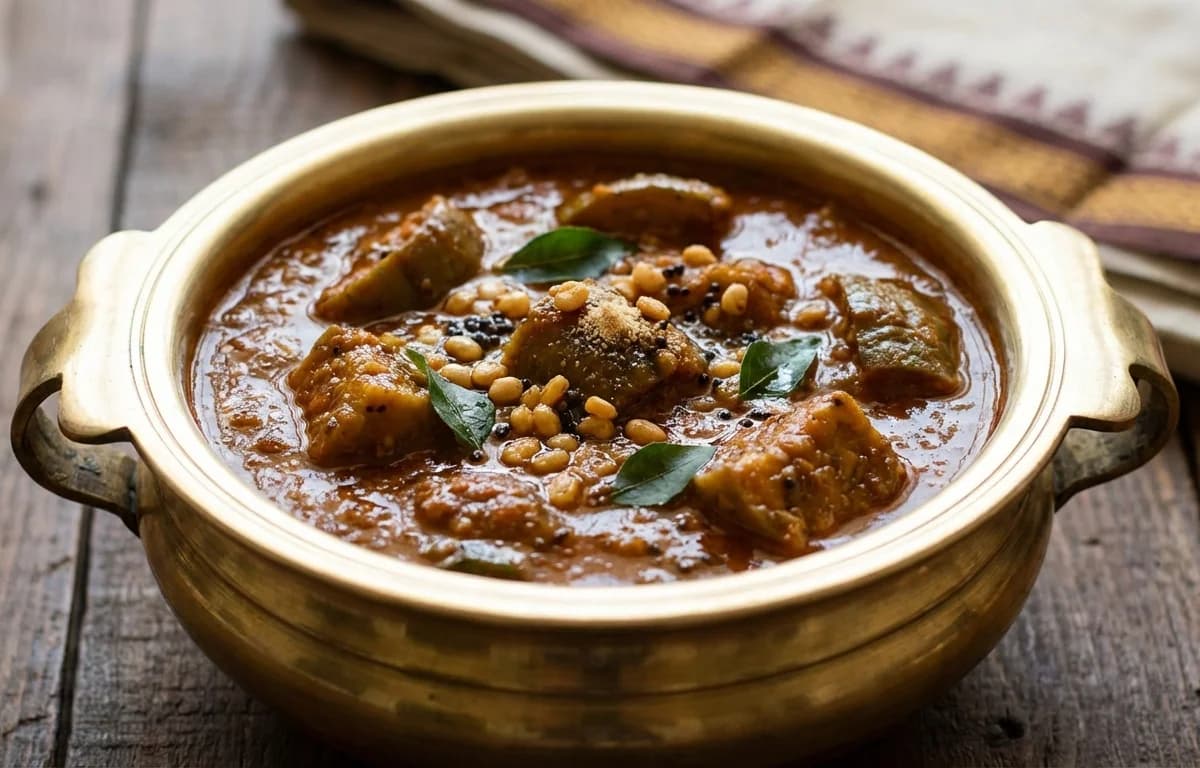
A traditional Udupi-style sweet, sour, and spicy curry made with special green brinjals and a fresh coconut masala. This no-lentil sambar is a delightful side dish for rice.
For 4 servings
Preparation (5 minutes)
Roast Spices for Masala (5 minutes)
Grind the Masala Paste (3 minutes)
A traditional Udupi-style sweet, sour, and spicy curry made with special green brinjals and a fresh coconut masala. This no-lentil sambar is a delightful side dish for rice.
This south_indian recipe takes 50 minutes to prepare and yields 4 servings. At 197.17 calories per serving with 2.53g of protein, it's a moderately challenging recipe perfect for lunch or dinner.
Discover authentic recipes from cuisines around the world.
Find recipes that fit your dietary preferences.
Find recipes optimized for your goal.
Cook the Brinjal (10 minutes)
Simmer the Huli (12 minutes)
Prepare the Tempering (3 minutes)
Finish and Serve (2 minutes)
For a thicker, more protein-rich version similar to a traditional sambar, add 1/4 cup of cooked and mashed toor dal (pigeon peas) along with the masala paste in Step 5.
Incorporate other vegetables like yellow pumpkin (kaddu), ash gourd, or drumsticks. Add them along with the brinjal, adjusting cooking time as needed.
For a unique tangy flavor, you can replace tamarind with 2-3 pieces of dried kokum or a few pieces of raw mango (added while cooking the vegetables).
Brinjal is an excellent source of dietary fiber, which aids in digestion, promotes satiety, and helps maintain stable blood sugar levels.
Spices like turmeric contain curcumin, a powerful compound with anti-inflammatory and antioxidant benefits that help combat oxidative stress in the body.
The use of fresh coconut and coconut oil provides medium-chain triglycerides (MCTs), which are a source of healthy fats that can provide quick energy.
Brinjals contain anthocyanins, a type of antioxidant that gives them their color and helps protect cells from damage.
Matti Gulla is a special variety of green brinjal with a unique flavor, grown in the Matti village of Udupi, Karnataka, and has a GI tag. If you cannot find it, you can substitute it with any small, tender green or purple brinjals.
Yes, it is a healthy dish. It's plant-based, rich in fiber from brinjal and coconut, and packed with beneficial spices like turmeric and cumin. Using minimal oil makes it a nutritious choice.
One serving of Gulla Bolu Huli (approximately 1 cup or 210g) contains around 180-220 calories, depending on the amount of coconut and oil used. It's a relatively low-calorie side dish.
This is a 'Bolu Huli', which means a plain or simple huli (sambar). Unlike a typical sambar, it is traditionally made without any lentils (dal), making it lighter in texture. The flavor profile relies heavily on the freshly ground coconut and spice masala.
Leftover Gulla Bolu Huli can be stored in an airtight container in the refrigerator for up to 2 days. Reheat it gently on the stovetop before serving. The flavors often deepen overnight.
This recipe is naturally vegan and gluten-free. Just ensure your hing (asafoetida) is gluten-free if you have a sensitivity.
This recipe goes great with these complete meals

A warm, savory breakfast dish made from roasted semolina and simple spices. This quick, comforting, and classic South Indian tiffin item is soft, fluffy, and ready in under 30 minutes.
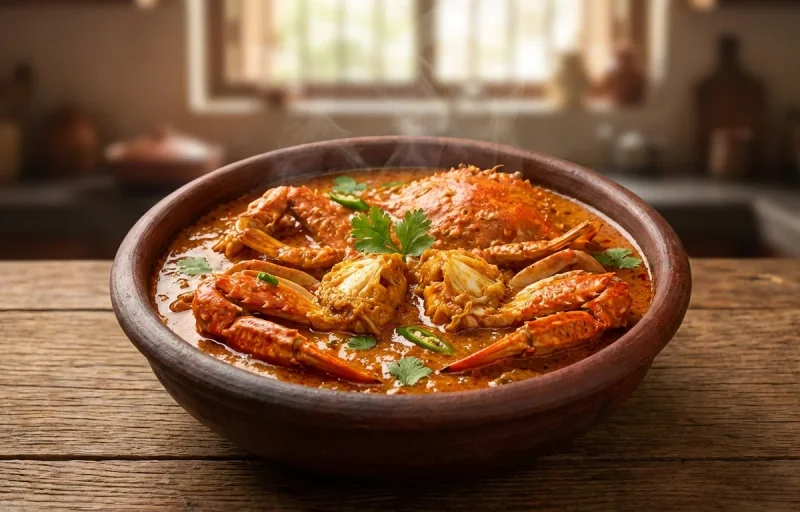
A fiery and tangy Mangalorean crab curry made with a freshly ground coconut and roasted spice masala. This coastal Karnataka specialty bursts with flavor and is best enjoyed with steamed rice or neer dosa.
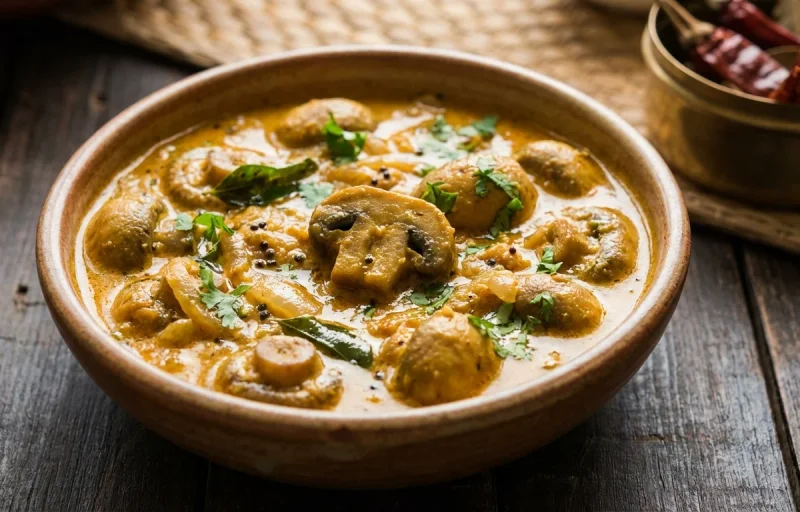
A classic Mangalorean curry featuring earthy mushrooms in a rich, tangy gravy made from roasted spices and fresh coconut. This flavorful dish, known as 'Anabe Gashi', pairs perfectly with steamed rice or neer dosa for a comforting South Indian meal.

A traditional Konkani curry made with tender raw jackfruit simmered in a fragrant, tangy coconut masala. This authentic dish from the Mangalorean coast offers a unique blend of sweet, sour, and spicy flavors, perfect with steamed rice.