Avocado: Healthy Fats, Fiber, Glycemic Index & How It Fits Your Diet: verified nutrition facts, glycemic context, serving guidance, and practical cooking ideas.
↑ An avocado is technically a single-seed berry. And yes, it's a fruit.
The 'good fat' fruit
For years, we were all told to fear fat. That put the avocado — a fruit that's around 15% fat by weight — in a tricky spot. But science has moved on, and we now know that the type of fat matters more than the amount. Avocados are full of monounsaturated fat, the same kind you find in olive oil. It's a heart-healthy fat that your body and brain need.
But the story doesn't end there. Avocado is also incredibly high in fiber and low in sugar, a rare combination. That's the secret to its magic: the fat and fiber work together to keep you full for hours, and they prevent the blood sugar spikes you might get from other, sweeter fruits.
IN ONE LINE
An avocado is a fiber-packed, low-sugar fruit whose monounsaturated fats support heart health and keep you feeling full. Don't fear the fat; embrace it.
Avocado nutrition facts
Here's the nutritional breakdown for a 100-gram serving, which is about half of a medium Hass avocado.
Look at that fiber number: 6.7 grams! That's nearly a quarter of your daily need. Now look at the total carbs (8.5g) and subtract the fiber. You're left with less than 2 grams of 'net carbs' that impact blood sugar. This is why avocado is a superstar for anyone managing blood sugar or on a low-carb diet.
Is avocado fattening?
No. This is the biggest myth about avocados. While they are calorie-dense compared to, say, a cucumber, the combination of fat and fiber is incredibly satiating. It makes you feel full and satisfied, which can actually help you eat fewer calories overall. Studies have shown that people who regularly eat avocado tend to have lower body weights. The key, as with any food, is the portion. A whole avocado in one sitting is a lot; a quarter or a half is a perfect addition to a meal.
A NOTE ON PORTIONS
Don't get carried away. A half-avocado is a serving, not a starting point. Enjoy it, but be mindful that the calories can add up if you're eating two or three a day.
Avocado's glycemic index
Glycemic index (GI) measures how quickly a food raises your blood sugar. Because avocado has so little sugar and so much fiber and fat, its effect on blood sugar is almost zero. In fact, its GI is so low that it's difficult to even measure properly, but it's estimated to be well under 15 (anything under 55 is 'low'). This makes it one of the best foods you can eat for stable energy and blood sugar control. Adding avocado to a meal can even help blunt the glycemic effect of other, higher-carb foods you eat with it.
GLYCEMIC INDEX · AVOCADO vs COMMON FOODS
Avocado has a near-zero effect on blood sugar
Avocado
negligible effect
LOW
Cherries
whole fruit
LOW
Apple
whole fruit
LOW
Pineapple
whole fruit
MEDIUM
White bread
refined
HIGH
SCALE 0–90
04590
The smart way to eat it
It's hard to go wrong with avocado, but a few simple habits make it even better for you.
01
Stick to a portion.
A quarter to a half of a medium avocado is a great serving size. It gives you all the benefits without overloading on calories.
02
Eat it with other foods.
Avocado shines as part of a meal. Its fat helps you absorb vitamins from other vegetables in your salad, and it balances the carbs in a slice of toast.
03
Use it as a healthy swap.
Try mashed avocado in place of mayonnaise on a sandwich, or use it instead of butter in some baking recipes. It adds creaminess and nutrients.
04
Keep it simple.
The best way to eat avocado is often the simplest: sliced with a sprinkle of salt and a squeeze of lime. Watch out for pre-made guacamoles, which can have added sugar and salt.
What avocado is good for
01
Heart health
The high concentration of monounsaturated fat helps lower 'bad' LDL cholesterol and maintain 'good' HDL cholesterol, reducing the risk of heart disease.
14.7g
fat per 100g
02
Weight management
The powerful combination of fiber and fat makes you feel full and satisfied, helping to control appetite and reduce overall calorie intake.
6.7g
fiber per 100g
03
Blood sugar control
With minimal sugar and carbs and a near-zero glycemic index, avocado is one of the best foods for preventing blood sugar spikes and managing diabetes.
GI <15
very low
04
Better digestion
The impressive fiber content promotes regular bowel movements and feeds the friendly bacteria in your gut, supporting a healthy digestive system.
24%
fiber DV
What to pair avocado with
Avocado's creamy, mild flavor makes it a perfect partner. Pairing it with protein or more fiber creates a balanced, satisfying meal.
Eat freely — or be mindful?
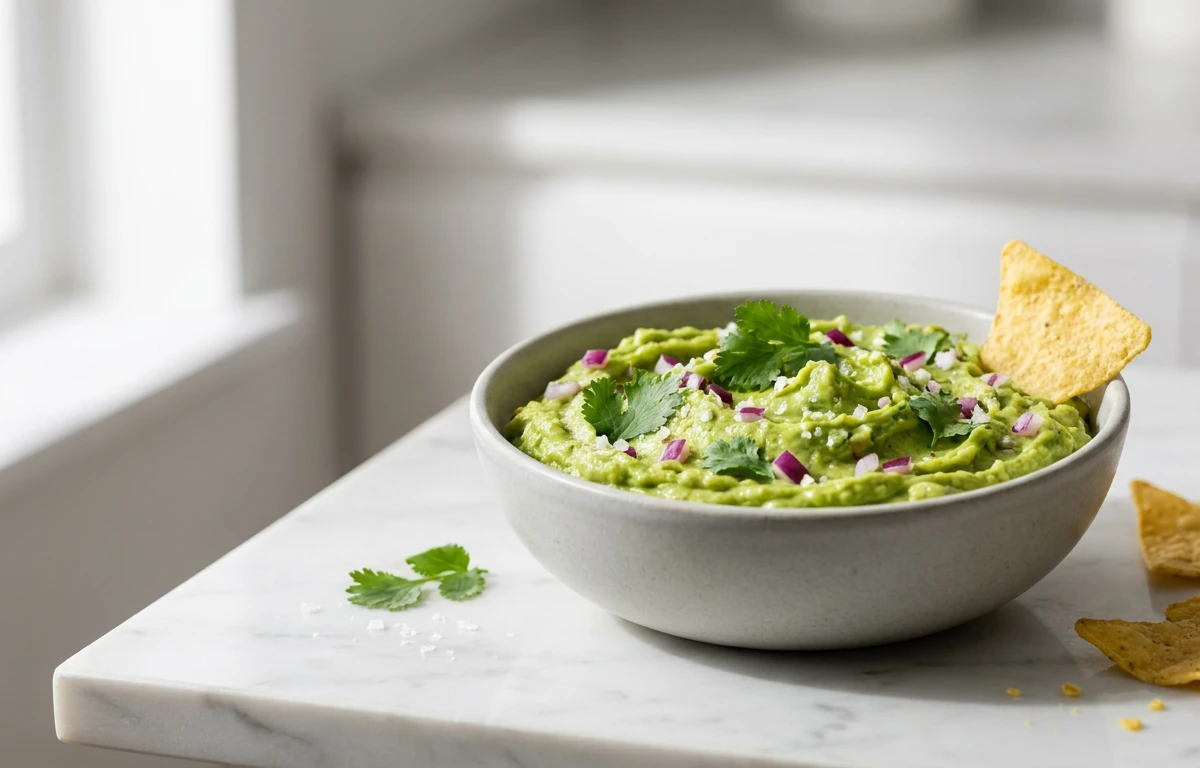
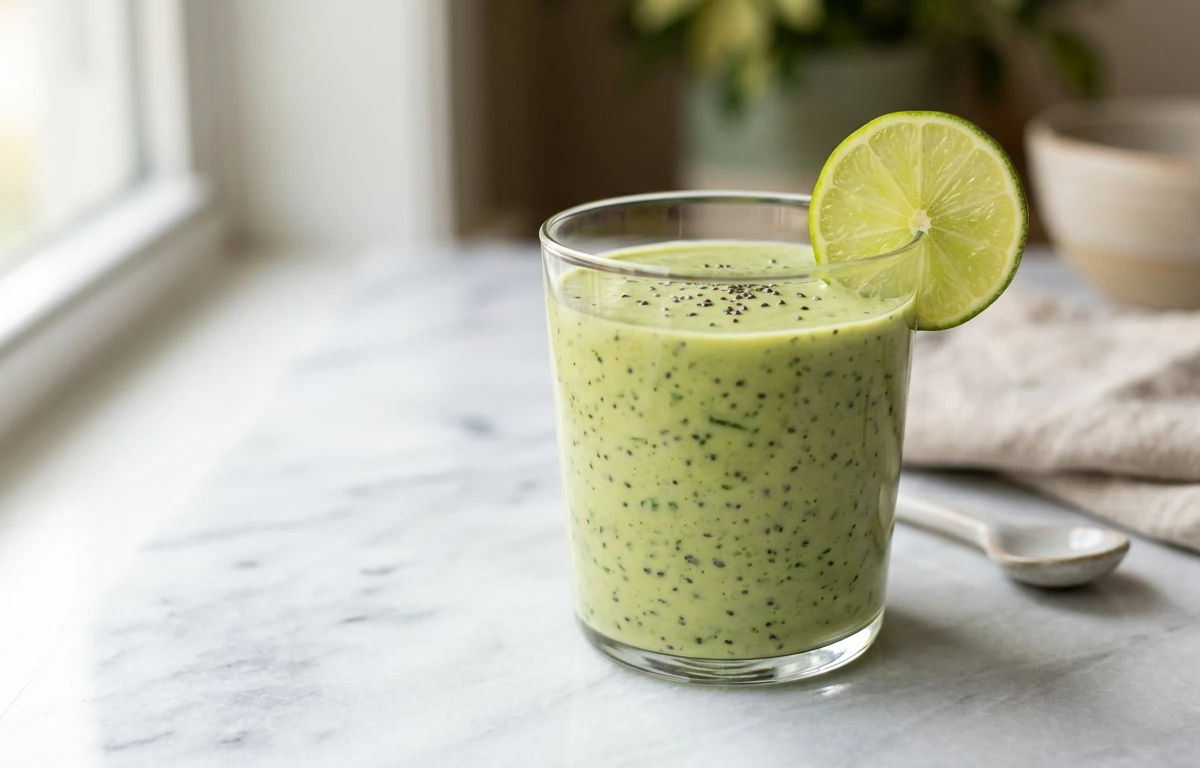
Three ways to eat it
Beyond just slicing it, here are three simple ways to incorporate avocado into your meals.
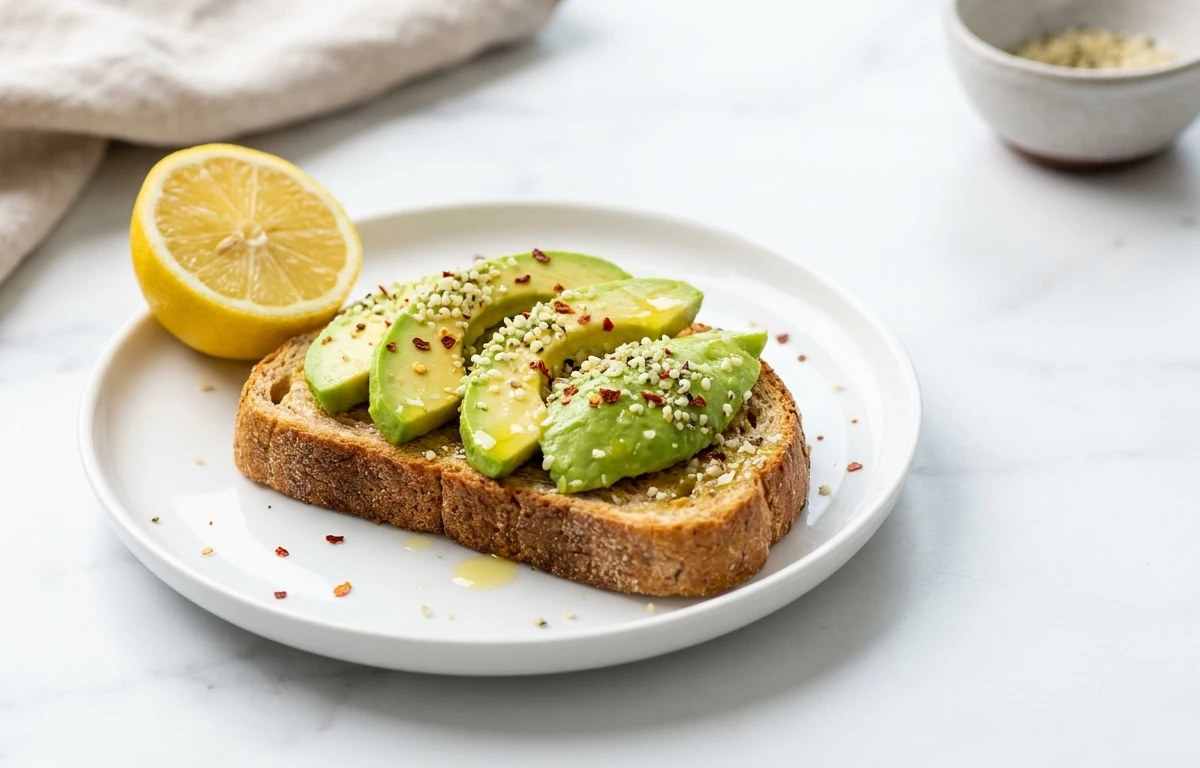
Want healthy fats worked into a balanced week — without the planning?
Our meal planner pairs foods like avocado with lean protein and fiber for steady energy, with portions and macros already calculated and a single grocery list at the end.
Build my weekly plan →SOURCES & REFERENCES · 3
One more thing
Eating well is rarely about willpower. It’s about having a short list of dinners you actually want to eat. Pick two from this list. Make them next week. The rest will follow.
If you want these on autopilot, our weekly meal planner can drop the picks above into your calendar with one click and build a single grocery list from the merged ingredients.
FREQUENTLY ASKED QUESTIONS
Frequently asked questions
Is avocado a fruit or a vegetable?
It's a fruit! Botanically, it's classified as a single-seed berry. We just happen to use it in savory dishes, so we think of it as a vegetable.
Can people with diabetes eat avocado?
Yes, absolutely. Avocado is one of the best fruits for people with diabetes. Its high fiber and healthy fat content, combined with very low carbohydrate and sugar levels, help to stabilize blood sugar.
Will eating avocado make me gain weight?
Not if eaten in moderation. While it's calorie-dense, the fat and fiber are very satiating, which can help prevent overeating later. A serving of a half-avocado or less fits easily into a healthy diet.
Is the fat in avocado bad for you?
No, it's the opposite. The vast majority of fat in an avocado is heart-healthy monounsaturated fat, the same type found in olive oil. This fat is beneficial for cholesterol levels and overall health.
METHODOLOGY
How this article was created
Built using verified nutrition databases, culinary research, and traditional cooking knowledge — every claim is cross-referenced against the sources listed in the article.
· USDA data· Culinary research· Quality reviewed
Read our methodology →TRANSPARENCY
About this content
Articles are curated using trusted food databases (USDA FoodData Central, IFCT), culinary literature, and dietary guidelines, then structured by our editorial team for clarity, accuracy, and usefulness.
· Verified data sources· Culinary research· Quality reviewed
Read our editorial policy →RELATED RECIPES
Cook from this article
EXPLORE OUR MEALS
Meals that fit this article

AMERICAN · 1677 CAL
Almonds with Sliced Apple + supplement + iron

MEDITERRANEAN · 809 CAL
Greek Yogurt with Berries Almonds and Granola + supplement + iron

GENERAL_HEALTHY · 705 CAL
Banana with Peanut Butter Pregnancy + supplement + iron

MODERN · 982 CAL
Hummus with Crudits and Pita with Fresh Orange Snack + supplement + iron
TAGGED
KEEP READING