Let's be honest, green beans are often seen as the dutiful, slightly boring sidekick on the dinner plate. But that reputation is wildly unfair. A crisp, properly cooked green bean is a nutritional hero in disguise: incredibly low in calories, packed with satisfying fiber, and with a glycemic index so low it's barely a blip. The key isn't just to eat them, but to stop boiling them into submission and learn how their simple goodness can anchor a meal.
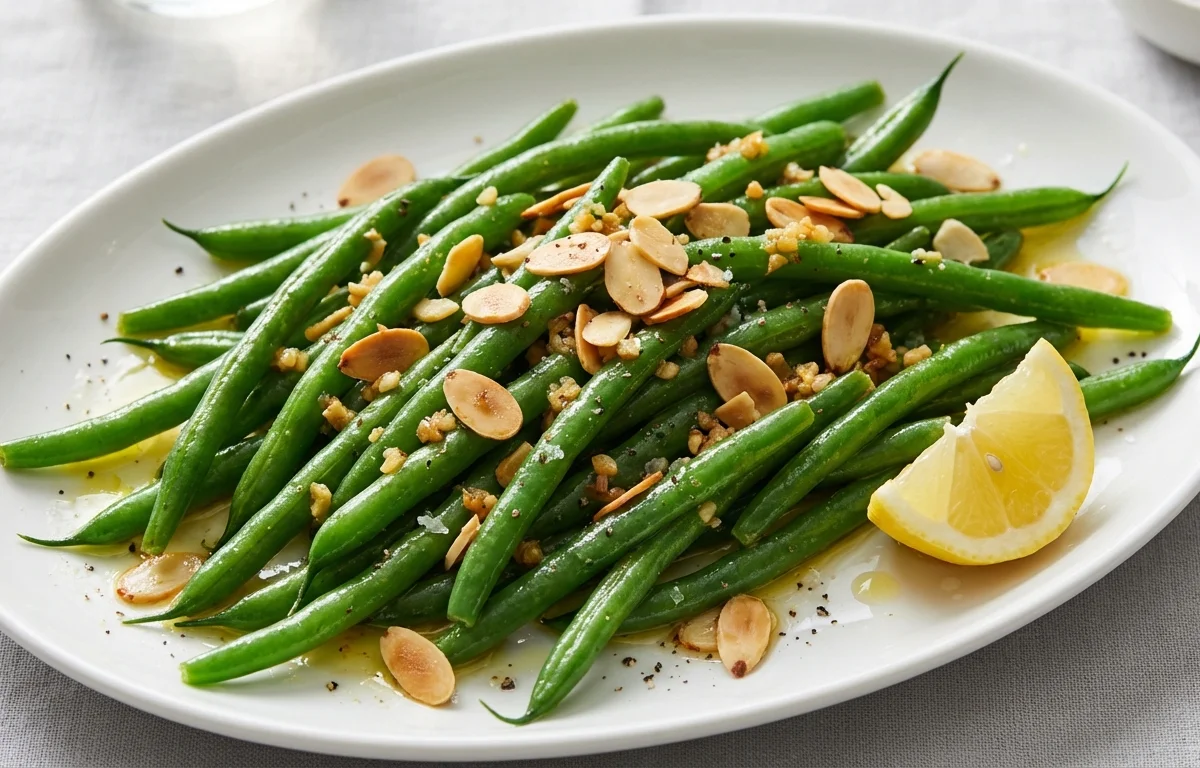
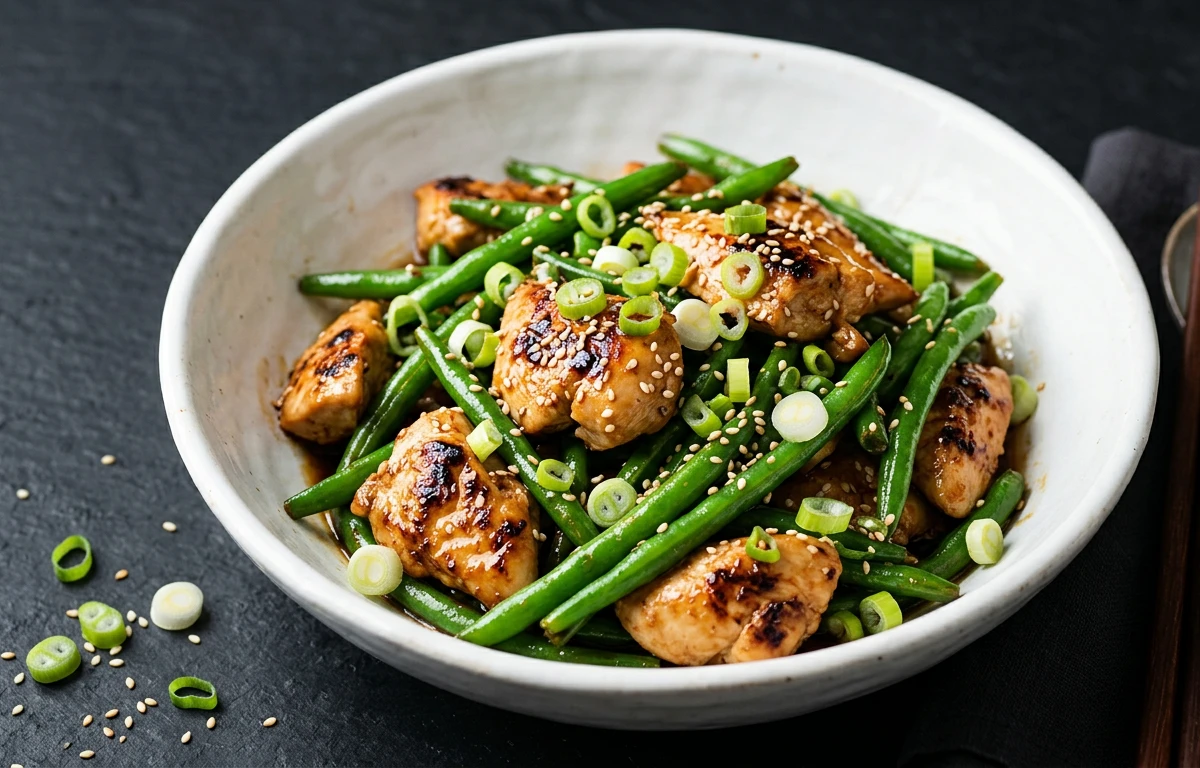
↑ Fresh green beans are crisp, versatile, and nutritionally dense.
The underrated green vegetable
Green beans are one of the most reliable vegetables in the kitchen. They're available year-round, they're affordable, and they play nicely with almost any flavor you throw at them. But their familiarity sometimes makes us forget just how good they are for us.
Forget the sad, grey, boiled beans from school cafeterias. A fresh green bean should have a distinct 'snap'. That crispness is the sign of a vegetable that's full of water, fiber, and delicate nutrients that are easy to lose with the wrong cooking method. Eaten right, they're a low-carb, low-calorie staple that can add bulk, crunch, and nutrition to your plate without complicating your diet.
IN ONE LINE
Crisp, low-calorie, and packed with fiber, green beans are a non-starchy vegetable that fits almost any eating plan. Eat them steamed, roasted, or blanched — just don't boil them to mush.
Green bean nutrition facts
Here’s what a standard 100-gram serving of raw green beans — about one heaping cup — provides. It’s a textbook example of a nutrient-dense, low-energy food.
The numbers speak for themselves: barely any calories or fat, a decent bump of fiber for fullness, and a surprising amount of vitamin C. The 7 grams of carbs are mostly offset by the fiber, leaving you with very few 'net carbs', which is the measure that most affects blood sugar.
Green beans' glycemic index
The glycemic index (GI) ranks foods on how quickly they raise blood sugar. Anything under 55 is considered low. While green beans don't have a widely published, precise GI number, that's mostly because it's considered too low to be of major concern. As a non-starchy vegetable high in fiber and water, their GI is negligible and falls squarely in the 'very low' category, far below starchy vegetables like potatoes or corn.
GLYCEMIC INDEX · GREEN BEANS vs COMMON FOODS
Green beans have minimal blood sugar impact
Green Beans
non-starchy veg
VERY LOW
Apple
whole fruit
LOW
Mango
whole fruit
LOW
White bread
refined
HIGH
Cornflakes
refined
HIGH
SCALE 0–90
04590
How to cook them right
Getting the best from green beans is all about the cooking method. The goal is to cook them until they are tender-crisp, not limp and waterlogged.
01
Blanch them first.
Briefly boiling them for 2-3 minutes, then plunging them into ice water, locks in their bright green color and crisp texture. You can then use them in salads or quickly sauté them.
02
Roast for flavor.
Tossing green beans with a little olive oil and salt and roasting at 400°F (200°C) until lightly browned concentrates their flavor and gives them a delicious texture.
03
Steam, don't boil.
If you're not blanching, steaming is the next best thing. It cooks the beans without letting their water-soluble vitamins leach out into boiling water.
04
Go beyond a side dish.
Chop them into salads for crunch, add them to stir-fries in the last few minutes of cooking, or toss them into a soup or curry.
05
Be mindful of canned beans.
If using canned green beans, look for 'no salt added' versions and rinse them thoroughly to wash away excess sodium.
What green beans are good for
01
Excellent for weight management
At just 31 calories per 100g serving, green beans provide volume and fiber that helps you feel full with very little energy cost.
31
calories
02
Supports stable blood sugar
With a very low GI and only about 4 grams of net carbs, green beans are an ideal vegetable for anyone managing blood sugar levels, including those with diabetes.
~4 g
net carbs
03
A useful source of Vitamin C
One serving delivers a solid contribution to your daily vitamin C needs, which is crucial for immune function and skin health.
~18%
Vit C DV
04
Promotes digestive health
The 2.7 grams of fiber per serving helps maintain bowel regularity and feeds beneficial gut bacteria, contributing to a healthy digestive system.
2.7 g
fiber
What to pair green beans with
Green beans have a mild, grassy flavor that makes them a perfect canvas. Pairing them with fat, acid, and protein turns them from a simple side into a satisfying part of a meal.
Eat freely — or be mindful?
Three simple recipes
Here are three easy ways to enjoy green beans that highlight their fresh flavor and texture.

Want healthy vegetables worked into a balanced week — without the planning?
Our meal planner pairs non-starchy vegetables like green beans with protein and healthy fats for steady energy, with portions and macros already calculated and a single grocery list at the end.
Build my weekly plan →SOURCES & REFERENCES · 3
One more thing
Eating well is rarely about willpower. It’s about having a short list of dinners you actually want to eat. Pick two from this list. Make them next week. The rest will follow.
If you want these on autopilot, our weekly meal planner can drop the picks above into your calendar with one click and build a single grocery list from the merged ingredients.
FREQUENTLY ASKED QUESTIONS
Frequently asked questions
Are green beans keto-friendly?
Yes, absolutely. With only about 4.3 grams of net carbohydrates per 100-gram serving, green beans fit comfortably into a ketogenic diet.
Are frozen green beans as healthy as fresh?
Yes. Frozen vegetables are typically flash-frozen at their peak ripeness, which preserves most of their nutrients. They are an excellent, convenient, and affordable alternative to fresh.
Are canned green beans healthy?
They can be, but you need to be selective. Canned green beans are often packed in salt water, making them very high in sodium. Look for 'no salt added' versions and rinse them well before using. Their texture is also much softer, and they have fewer nutrients than fresh or frozen.
Can you eat green beans raw?
You can, but it's not always the best idea. Raw green beans contain lectins, which can cause digestive issues like bloating and gas in some people. Lightly cooking them, even just a quick blanch, deactivates the lectins and makes them easier to digest.
METHODOLOGY
How this article was created
Built using verified nutrition databases, culinary research, and traditional cooking knowledge — every claim is cross-referenced against the sources listed in the article.
· USDA data· Culinary research· Quality reviewed
Read our methodology →TRANSPARENCY
About this content
Articles are curated using trusted food databases (USDA FoodData Central, IFCT), culinary literature, and dietary guidelines, then structured by our editorial team for clarity, accuracy, and usefulness.
· Verified data sources· Culinary research· Quality reviewed
Read our editorial policy →RELATED RECIPES
Cook from this article
EXPLORE OUR MEALS
Meals that fit this article

AMERICAN · 1677 CAL
Almonds with Sliced Apple + supplement + iron

MEDITERRANEAN · 809 CAL
Greek Yogurt with Berries Almonds and Granola + supplement + iron

GENERAL_HEALTHY · 705 CAL
Banana with Peanut Butter Pregnancy + supplement + iron

MODERN · 982 CAL
Hummus with Crudits and Pita with Fresh Orange Snack + supplement + iron
TAGGED
KEEP READING