Let's be honest, the freezer aisle can be a bit bleak. But tucked between the pizza pockets and ice cream are some real nutritional gems, and frozen blackberries are at the top of the list. They get a bad rap for being 'processed,' but freezing is just a pause button. It captures the fruit at peak ripeness, preserving nutrients that fragile, out-of-season fresh berries lose on their long trip to the store. The result? A surprisingly potent package of fiber and antioxidants with very little sugar, ready whenever you are.
↑ Frozen blackberries are a fiber-rich, low-sugar staple.
The freezer-aisle hero
A bag of frozen blackberries is one of the smartest things you can keep in your kitchen. Forget the idea that fresh is always best. Fresh blackberries are wonderful for about two weeks a year; the rest of the time, they're either absurdly expensive, disappointingly tart, or have traveled thousands of miles, losing nutrients along the way.
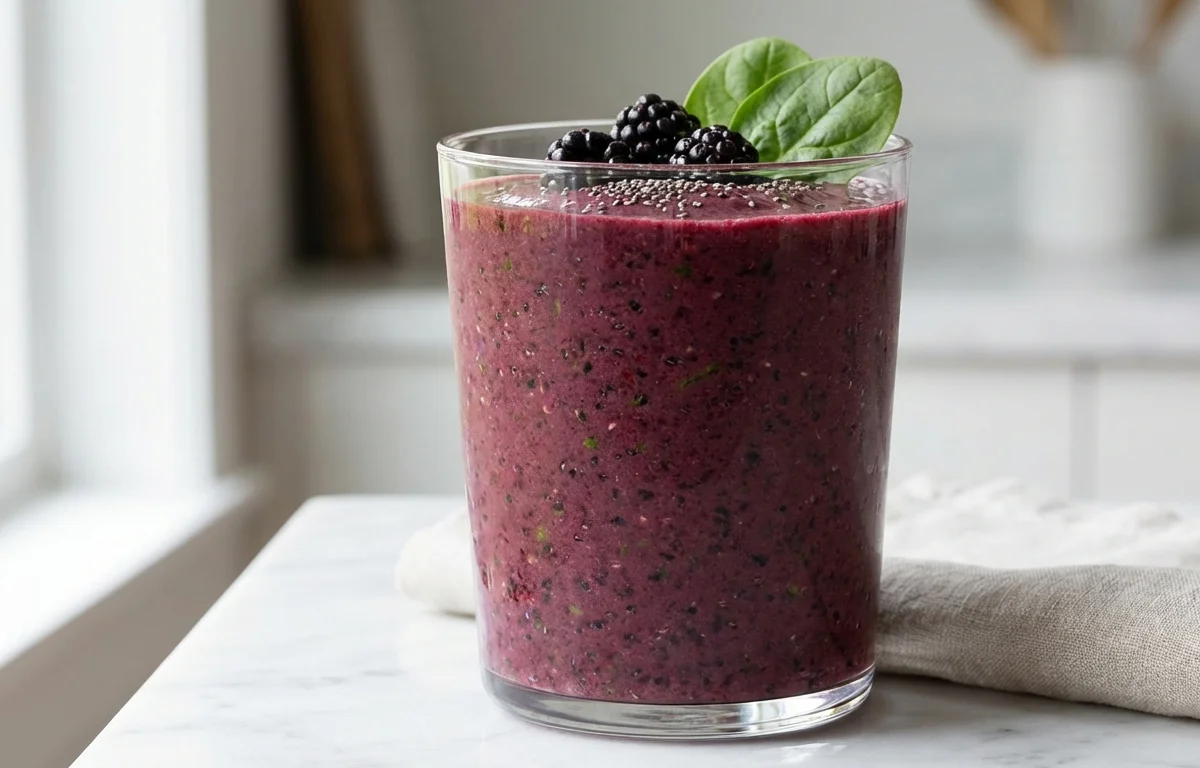
Frozen berries are picked and flash-frozen at their peak, locking in the good stuff. For blackberries, that means you get a consistent, affordable supply of deep purple, antioxidant-rich fruit that's ready to be blitzed into a smoothie or stirred into oats, no washing or chopping required.
IN ONE LINE
Frozen blackberries are a nutritional bargain: tons of fiber, low sugar, and packed with antioxidants, with none of the seasonality issues of fresh.
Frozen blackberry nutrition facts
Here's what a 100-gram portion of unsweetened frozen blackberries—that's about 2/3 of a cup—contains. The numbers are small, but mighty.
The star of the show here is the fiber. Five grams is a huge amount for just 64 calories, making blackberries one of the most fiber-dense fruits you can eat. This has massive benefits for everything from gut health to blood sugar control. The carbs are moderate, but because so much of it is fiber, the net carb count is pretty reasonable. The vitamin C is modest, but the real antioxidant power comes from the dark pigments (anthocyanins), which don't show up on a standard label.
Always buy 'unsweetened'. Some frozen fruit comes packed in syrup or with added sugar, which completely changes the nutritional profile. Check the ingredients: it should just say 'blackberries'.
Blackberry's glycemic index
While blackberries don't have an officially published Glycemic Index value, we can say with confidence that it's very low. Why? Because GI is heavily influenced by sugar and fiber. Blackberries are low in sugar and exceptionally high in fiber. This combination is the perfect recipe for a slow, gentle release of energy.
The fiber acts like a net, slowing down the absorption of the fruit's natural sugars. This means no sharp spike in blood sugar, just steady fuel. It's what makes blackberries such a fantastic choice for people managing diabetes or anyone trying to avoid an energy crash.
GLYCEMIC INDEX · BLACKBERRY vs COMMON FOODS
Blackberries sit at the very low end of the GI scale
Blackberry
frozen, unsweetened
LOW
Cherries
whole fruit
LOW
Apple
whole fruit
LOW
Pineapple
whole fruit
MEDIUM
White bread
refined
HIGH
SCALE 0–90
04590
How to use them right
The beauty of frozen blackberries is their versatility. A few good habits will help you make the most of them.
01
Use them straight from frozen.
For smoothies, don't bother thawing. They'll make your drink thick and cold without needing to add ice, which just waters things down.
02
Do a 'quick thaw' for toppings.
For yogurt or oatmeal, microwave a handful for 30 seconds. They'll soften and release some delicious purple juice that mixes in beautifully.
03
Pair with protein or fat.
While their GI is low, adding a scoop of nut butter, yogurt, or a sprinkle of seeds will make your snack even more satisfying and blood-sugar-stable.
04
Make a 2-minute chia jam.
Microwave a cup of berries until soft, mash with a fork, and stir in a tablespoon of chia seeds. Let it sit for 5 minutes. You've just made a healthy, no-sugar-added jam for toast or yogurt.
What frozen blackberries are good for
01
An incredible fiber source
With 5 grams per 100g serving, blackberries are a powerhouse for gut health, promoting regularity and feeding beneficial gut bacteria.
5 g
fiber
02
Blood sugar management
The combination of high fiber and low sugar makes them one of the best fruits for maintaining stable blood glucose levels.
GI Low
impact
03
Rich in antioxidants
That deep purple color comes from anthocyanins, powerful compounds that help protect your cells from damage and reduce inflammation.
Purple
color
04
Convenience and less waste
They're always ripe and ready to go, and you only use what you need, so you're not throwing away a moldy punnet of fresh berries.
365
days/yr
What to pair blackberries with
Blackberries have a tart, earthy flavor that pairs well with both creamy and nutty foods. Adding protein or fat will turn them into a complete, balanced meal or snack.
Eat freely — or be mindful?
Three ways to eat them
Here are three simple, healthy ways to make frozen blackberries a regular part of your routine.
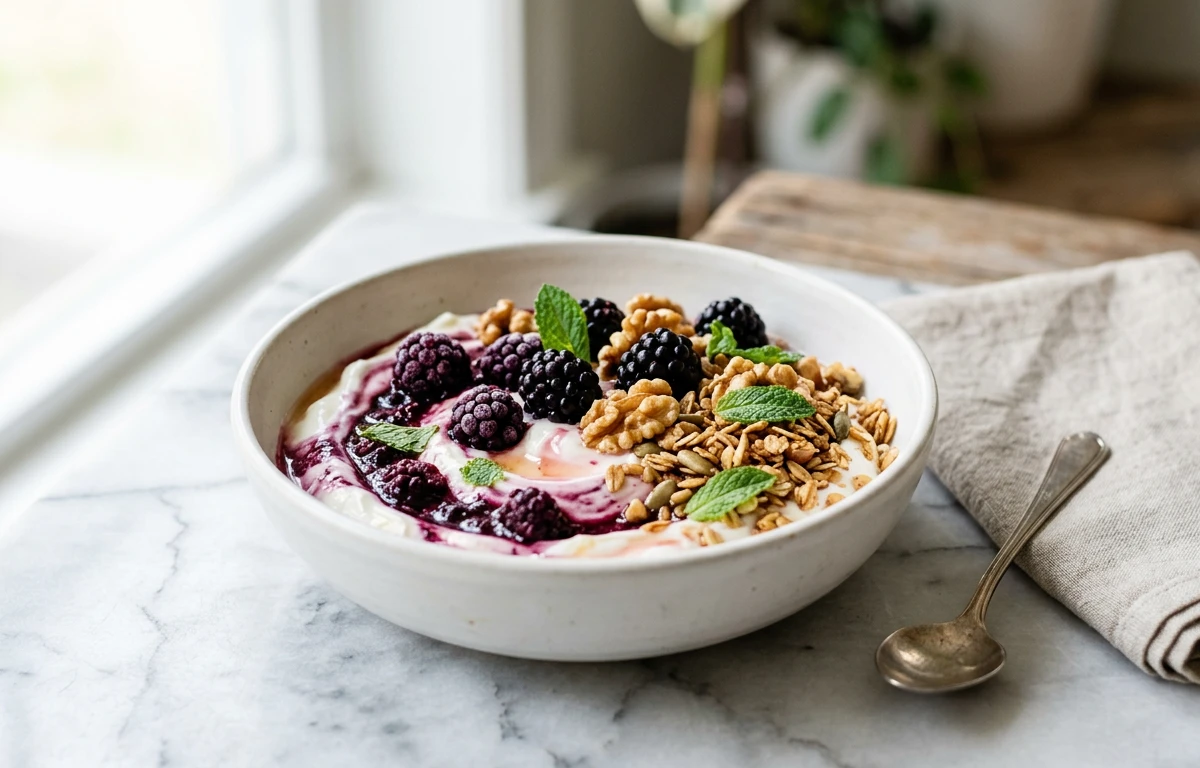
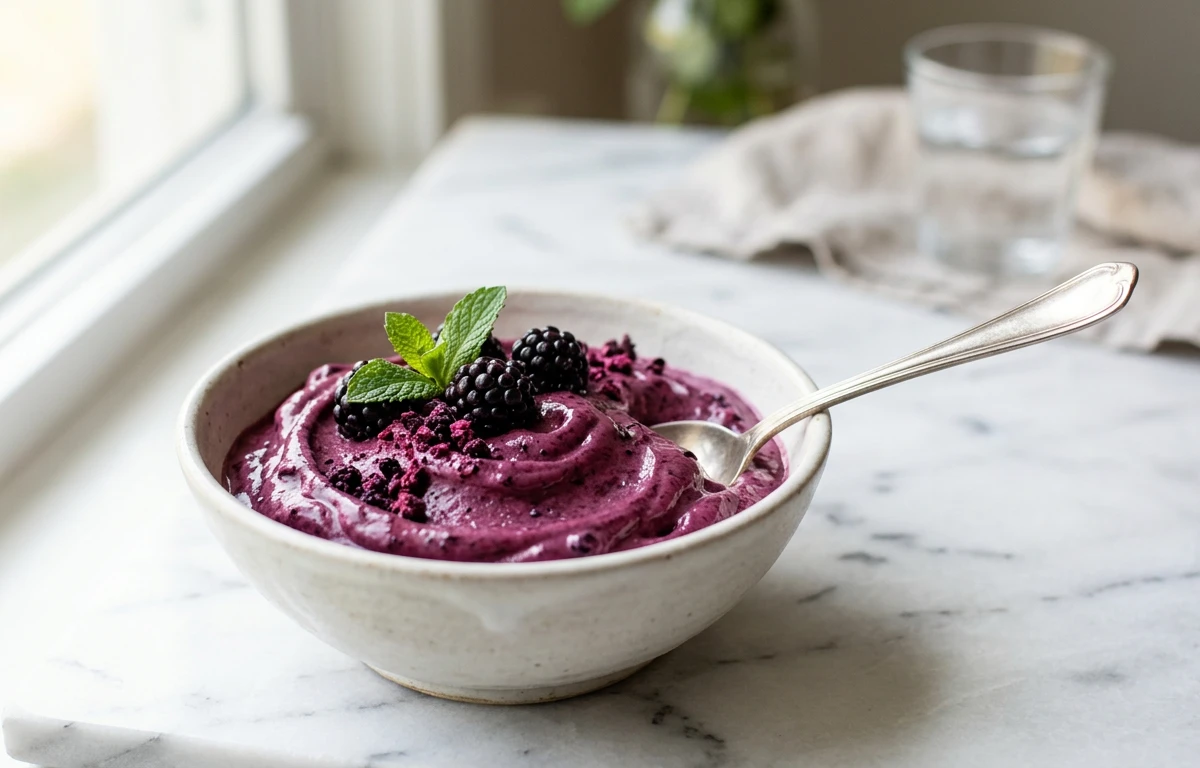
Want smart, fiber-rich foods worked into a balanced week?
Our meal planner pairs fruit like blackberries with protein and fibre for steady energy, with portions and macros already calculated and a single grocery list at the end.
Build my weekly plan →SOURCES & REFERENCES · 3
One more thing
Eating well is rarely about willpower. It’s about having a short list of dinners you actually want to eat. Pick two from this list. Make them next week. The rest will follow.
If you want these on autopilot, our weekly meal planner can drop the picks above into your calendar with one click and build a single grocery list from the merged ingredients.
FREQUENTLY ASKED QUESTIONS
Frequently asked questions
Are frozen blackberries as healthy as fresh?
Yes, and sometimes even more so. Frozen fruit is picked at peak ripeness and flash-frozen, which locks in nutrients like antioxidants. Fresh berries can lose nutrients during long transport and storage times. For nutrition, convenience, and price, frozen is often the smarter choice.
Are blackberries good for people with diabetes?
They are an excellent choice. Their high fiber content and low sugar mean they have a very low glycemic impact, helping to prevent blood sugar spikes. Paired with a source of protein or fat, they are a perfect fruit for a diabetes-friendly diet.
How many carbs are in frozen blackberries?
A 100g serving has 15.7 grams of total carbohydrates, but 5 grams of that is fiber. This means the 'net carbs' (the carbs your body digests) are only around 10.7 grams, which is quite low for a fruit.
What about the seeds in blackberries?
The seeds are edible and a source of fiber. If you dislike the texture, blending them thoroughly in a high-speed blender for a smoothie usually pulverizes them so they are unnoticeable.
METHODOLOGY
How this article was created
Built using verified nutrition databases, culinary research, and traditional cooking knowledge — every claim is cross-referenced against the sources listed in the article.
· USDA data· Culinary research· Quality reviewed
Read our methodology →TRANSPARENCY
About this content
Articles are curated using trusted food databases (USDA FoodData Central, IFCT), culinary literature, and dietary guidelines, then structured by our editorial team for clarity, accuracy, and usefulness.
· Verified data sources· Culinary research· Quality reviewed
Read our editorial policy →RELATED RECIPES
Cook from this article
EXPLORE OUR MEALS
Meals that fit this article

AMERICAN · 1677 CAL
Almonds with Sliced Apple + supplement + iron

MEDITERRANEAN · 809 CAL
Greek Yogurt with Berries Almonds and Granola + supplement + iron

GENERAL_HEALTHY · 705 CAL
Banana with Peanut Butter Pregnancy + supplement + iron

MODERN · 982 CAL
Hummus with Crudits and Pita with Fresh Orange Snack + supplement + iron
TAGGED
KEEP READING