Don't let the name fool you. Buttermilk—or 'matha' as it's known across India—has almost no butter and very little fat. It's the opposite of heavy. Think of it as a savory, refreshing, probiotic-packed cousin to yogurt: tangy, light, and incredibly good for you. It's one of the most wildly underrated drinks in the dairy aisle, perfect for cooling down after a fiery curry or just rehydrating on a hot afternoon.
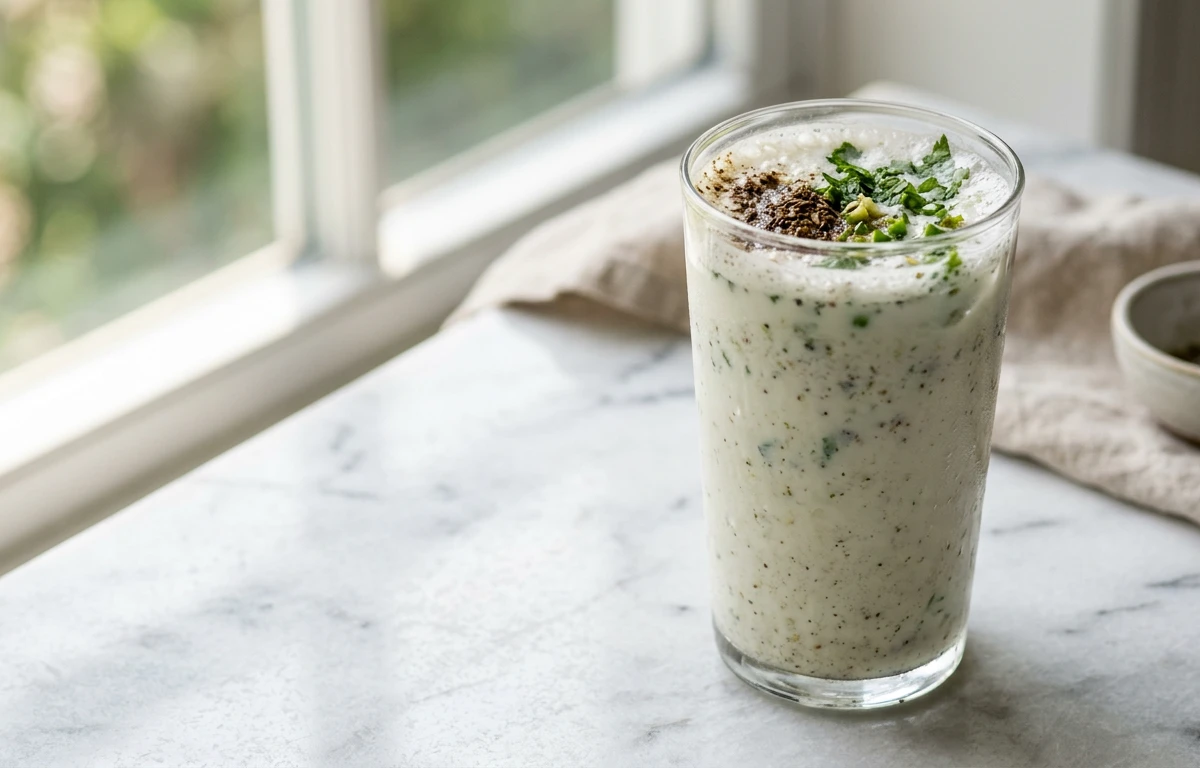
↑ Plain buttermilk (matha) is a light, probiotic-rich drink — not a high-fat one.
The misunderstood dairy drink
Let's clear one thing up: the cultured buttermilk you buy in a carton isn't 'buttery' at all. It's actually low-fat milk that's been fermented with healthy bacteria, giving it a pleasant tang and a slightly thicker texture than milk, but much thinner than yogurt. It's light, hydrating, and packed with the good stuff.
Traditionally, buttermilk was the liquid left over after churning butter from cream. That version is even leaner, but harder to find. Today's cultured buttermilk is a consistent, reliable source of probiotics and a fantastic, low-calorie drink.
IN ONE LINE
Matha is a low-fat, low-calorie, probiotic-rich fermented drink. Think of it as a savory, drinkable yogurt, not a high-fat cream.
Matha (buttermilk) nutrition facts
Here's the nutritional profile for a typical 100g serving of plain, low-fat cultured buttermilk. That's a little less than half a cup.
The numbers speak for themselves: this is a lean food. With only 40 calories, minimal fat, and a useful 3.3 grams of protein, it's a very efficient way to get hydration and high-quality nutrition. The carbohydrates come from lactose, the natural sugar in milk.
Matha's Glycemic Index: A Gentle Giant
While there isn't an official, universally agreed-upon number for buttermilk, all signs point to it having a very low glycemic index. Why? First, it's low in carbohydrates to begin with. Second, the fermentation process creates lactic acid, which is known to slow down digestion and help keep blood sugar levels stable. It's one of the most blood-sugar-friendly dairy options available.
GLYCEMIC INDEX · BUTTERMILK vs COMMON FOODS
Buttermilk sits at the very low end of the GI scale
Matha / Buttermilk
Estimated Low
LOW
Apple
whole fruit
LOW
Mango
whole fruit
LOW
Watermelon
whole fruit
HIGH
Cornflakes
refined
HIGH
SCALE 0–90
04590
The smart way to drink it
It's hard to go wrong with plain buttermilk, but a few simple habits make it even better.
01
Choose plain and unsalted.
Many savory buttermilk drinks (like masala chaas) can be high in sodium. Start with plain and season it yourself.
02
Drink it cold.
Buttermilk is at its most refreshing when chilled. It's a classic way to cool down and soothe the palate after a spicy meal.
03
Use it as a base.
Its tanginess is a brilliant base for smoothies (instead of sweeter yogurt), a tenderizing marinade for chicken, or a secret ingredient in pancakes and scones.
04
Listen to your gut.
While it's lower in lactose than milk, it's not lactose-free. Most people are fine, but if you're very sensitive, start with a small amount.
What matha is good for
01
A happy gut
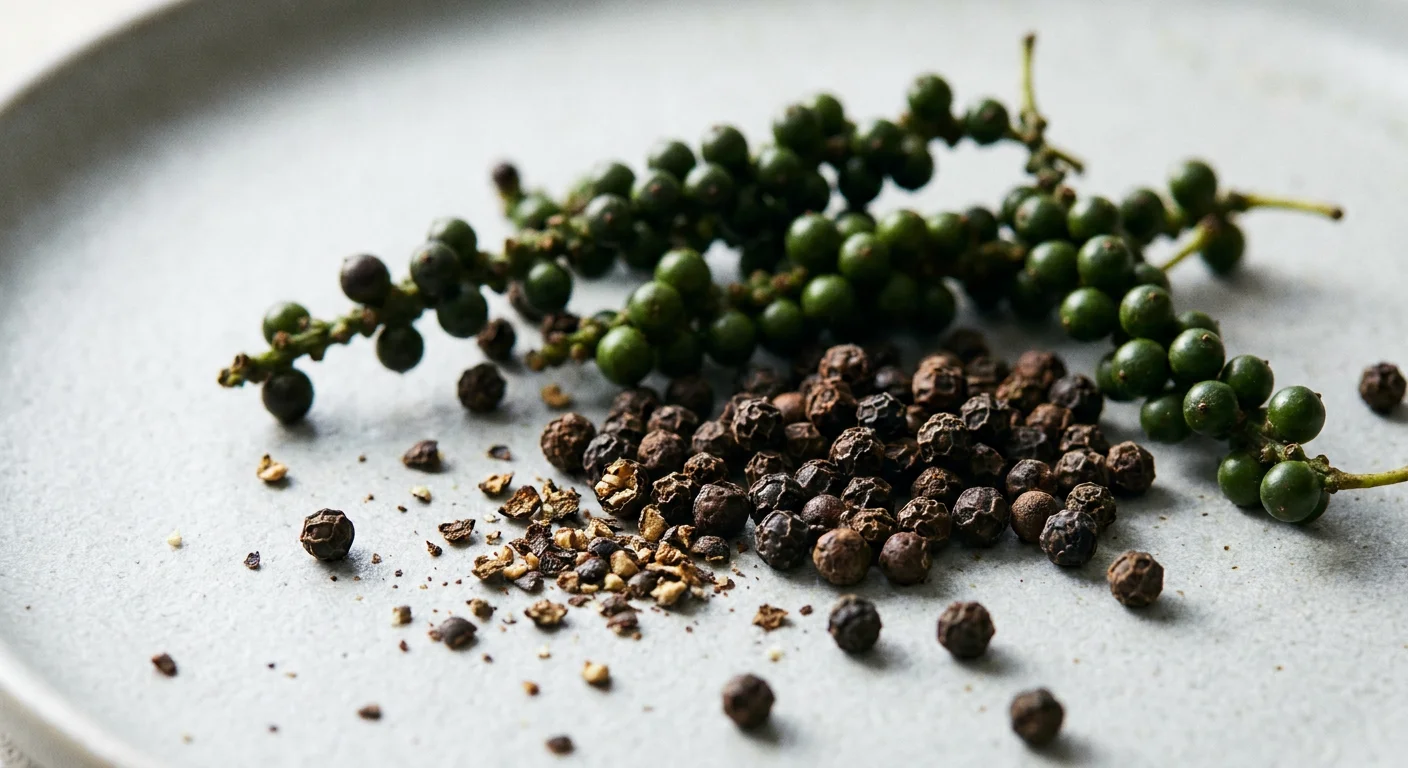
It's a natural source of live bacterial cultures (probiotics) that help support a healthy and diverse gut microbiome, which is linked to everything from digestion to immunity.
Live
probiotics
02
Lightweight hydration
Primarily made of water and electrolytes like potassium and sodium, it's an excellent hydrator that's more satisfying than plain water.
40
calories
03
Lean protein source
With over 3 grams of high-quality protein per 100g, it helps with fullness and muscle maintenance for very few calories.
3.3g
protein
04
Blood sugar friendly
Its low carbohydrate content and low glycemic impact make it an ideal drink for anyone needing to manage blood sugar levels, including those with diabetes.
Low
GI
What to pair matha with
Buttermilk's tangy, savory profile makes it a perfect match for spices, herbs, and certain dishes.
Who should drink it?
Three ways to use it
Beyond drinking it straight, matha is a versatile kitchen staple. Here are three simple ideas.
Want smart, balanced meals planned for you?
Our meal planner incorporates healthy, versatile ingredients like buttermilk into balanced recipes, with all the portions and macros calculated for you. Get a custom plan and a single grocery list.
Build my weekly plan →SOURCES & REFERENCES · 3
One more thing
Eating well is rarely about willpower. It’s about having a short list of dinners you actually want to eat. Pick two from this list. Make them next week. The rest will follow.
If you want these on autopilot, our weekly meal planner can drop the picks above into your calendar with one click and build a single grocery list from the merged ingredients.
FREQUENTLY ASKED QUESTIONS
Frequently asked questions
Is matha (buttermilk) good for digestion?
Yes, it's one of its main benefits. Plain, cultured buttermilk contains live probiotics, which are beneficial bacteria that support a healthy gut microbiome and can aid digestion.
Can I drink buttermilk every day?
Absolutely. A daily glass of plain buttermilk is a healthy habit. It's hydrating, low in calories, and provides protein and probiotics. Just be mindful of salted or sweetened versions.
Is buttermilk fattening?
No, quite the opposite. Cultured buttermilk is low-fat by definition, with only about 0.9 grams of fat and 40 calories per 100g serving. It's an excellent food for weight management.
What's the difference between traditional and cultured buttermilk?
Traditional buttermilk is the thin, non-fat liquid left after churning butter from cream. Cultured buttermilk, which is what's most common today, is made by adding live bacterial cultures to low-fat milk to ferment it.
METHODOLOGY
How this article was created
Built using verified nutrition databases, culinary research, and traditional cooking knowledge — every claim is cross-referenced against the sources listed in the article.
· USDA data· Culinary research· Quality reviewed
Read our methodology →TRANSPARENCY
About this content
Articles are curated using trusted food databases (USDA FoodData Central, IFCT), culinary literature, and dietary guidelines, then structured by our editorial team for clarity, accuracy, and usefulness.
· Verified data sources· Culinary research· Quality reviewed
Read our editorial policy →RELATED RECIPES
Cook from this article
EXPLORE OUR MEALS
Meals that fit this article

AMERICAN · 1677 CAL
Almonds with Sliced Apple + supplement + iron

MEDITERRANEAN · 809 CAL
Greek Yogurt with Berries Almonds and Granola + supplement + iron

GENERAL_HEALTHY · 705 CAL
Banana with Peanut Butter Pregnancy + supplement + iron
MODERN · 982 CAL
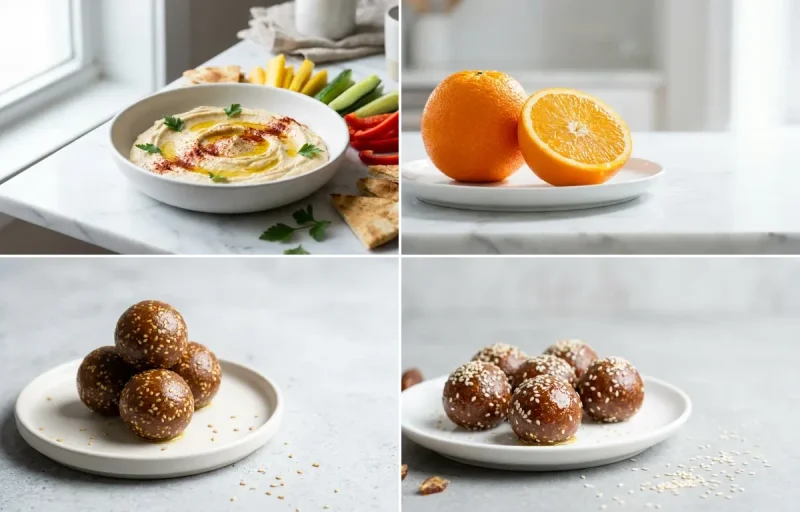
Hummus with Crudits and Pita with Fresh Orange Snack + supplement + iron
TAGGED
KEEP READING