It’s hard to look at a walnut and not think of a brain. That happy coincidence is where most people’s knowledge starts and stops, but it’s a surprisingly fitting one. Beyond their famous shape, walnuts are one of the very few plant foods that deliver a meaningful dose of omega-3 fatty acids. They often get a reputation for being 'fattening', but the story is so much more interesting. The fat in walnuts is precisely what makes them a nutritional standout, especially for your heart and, yes, your brain.
↑ A daily handful of walnuts is one of the best sources of plant-based omega-3s.
More than just a crunchy topping
Walnuts are so much more than a salad-topper or a brownie ingredient. They are one of the original superfoods, prized for centuries. What makes them special isn't just one nutrient, but the combination: a huge serving of healthy polyunsaturated fats (the good kind), a solid dose of plant protein, and a decent hit of fiber.
Unlike almost any other common nut or seed, they are an exceptional source of alpha-linolenic acid (ALA), a plant-based omega-3 fatty acid. This is the main reason they're so strongly linked to heart and brain health. So while they are high in calories, those calories are doing some very heavy lifting for your health.
IN ONE LINE
A handful of walnuts a day provides a rare plant-based source of omega-3s, plus protein and fibre, making them one of the most heart-healthy nuts you can eat.
Walnut nutrition facts
Here’s the nutritional breakdown for a 100-gram serving of raw English walnuts, which is about a cup of shelled halves. A more typical snack-sized portion would be about one-quarter of this (around 25-30g).
The numbers that jump out are the fat and calories. But look closer: the carbohydrate is low, and nearly half of it is fiber. That combination of high fat, high protein, and high fiber is what makes walnuts so incredibly satisfying and what gives them such a gentle effect on blood sugar.
Walnuts' glycemic index
The glycemic index (GI) of walnuts is so low it's considered negligible. Why? Because they are overwhelmingly composed of fat and protein with very few digestible carbs. Foods this low in carbohydrate don't raise blood sugar in any meaningful way, which is why official GI values are often not even published for them.
For anyone managing blood sugar, whether for diabetes, PCOS, or general energy levels, this makes walnuts an ideal food. They provide slow-release energy without any of the spikes and crashes associated with high-carb snacks.
GLYCEMIC INDEX · WALNUTS vs COMMON FOODS
Walnuts have a negligible blood sugar impact
Walnuts
very low carb
LOW
Apple
whole fruit
LOW
Pineapple
whole fruit
MEDIUM
White bread
refined
HIGH
Cornflakes
refined
HIGH
SCALE 0–90
04590
The smart way to eat them
Getting the most out of walnuts is simple. It's less about complex recipes and more about a few good habits.
01
Stick to a handful.
About 1/4 cup or 30 grams is the sweet spot. It delivers the health benefits without overloading on calories. Think 7-10 whole walnuts.
02
Eat them raw or toasted.
Raw walnuts are perfect. A quick, dry toasting in a pan brings out their flavour, but avoid candied or heavily salted versions which add sugar and sodium.
03
Store them in the fridge.
The healthy polyunsaturated fats in walnuts can go rancid when exposed to heat and light. Storing them in an airtight container in the fridge (or freezer for long-term) keeps them fresh.
04
Pair them with fiber or fruit.
Sprinkle them on oatmeal, yogurt, or a salad. The fat in the walnuts helps you absorb the fat-soluble vitamins from the other foods in your meal.
What walnuts are good for
01
A powerhouse for heart health
Walnuts are rich in ALA omega-3s, which are strongly linked to lower inflammation, improved cholesterol levels, and better blood vessel function.
65.2g
fat per 100g
02
Supports brain function
The combination of anti-inflammatory fats and antioxidants in walnuts helps protect the brain from oxidative stress. It's the original 'brain food' for a reason.
ALA
Omega-3s
03
Aids in weight management
Despite being calorie-dense, the protein, fiber, and healthy fats in walnuts promote satiety, helping you feel fuller for longer and potentially reducing overall calorie intake.
15.2g
protein
04
Promotes a healthy gut
The fiber in walnuts acts as a prebiotic, feeding the beneficial bacteria in your gut microbiome, which is crucial for overall health.
6.7g
fiber
What to pair walnuts with
Walnuts have a rich, slightly bitter flavour that pairs beautifully with both sweet and savory foods. Adding them to a meal or snack is an easy way to boost its nutritional value.
Eat freely — or be mindful?
Three ways to use them
Beyond just snacking, walnuts are incredibly versatile in the kitchen. Here are three simple ideas.
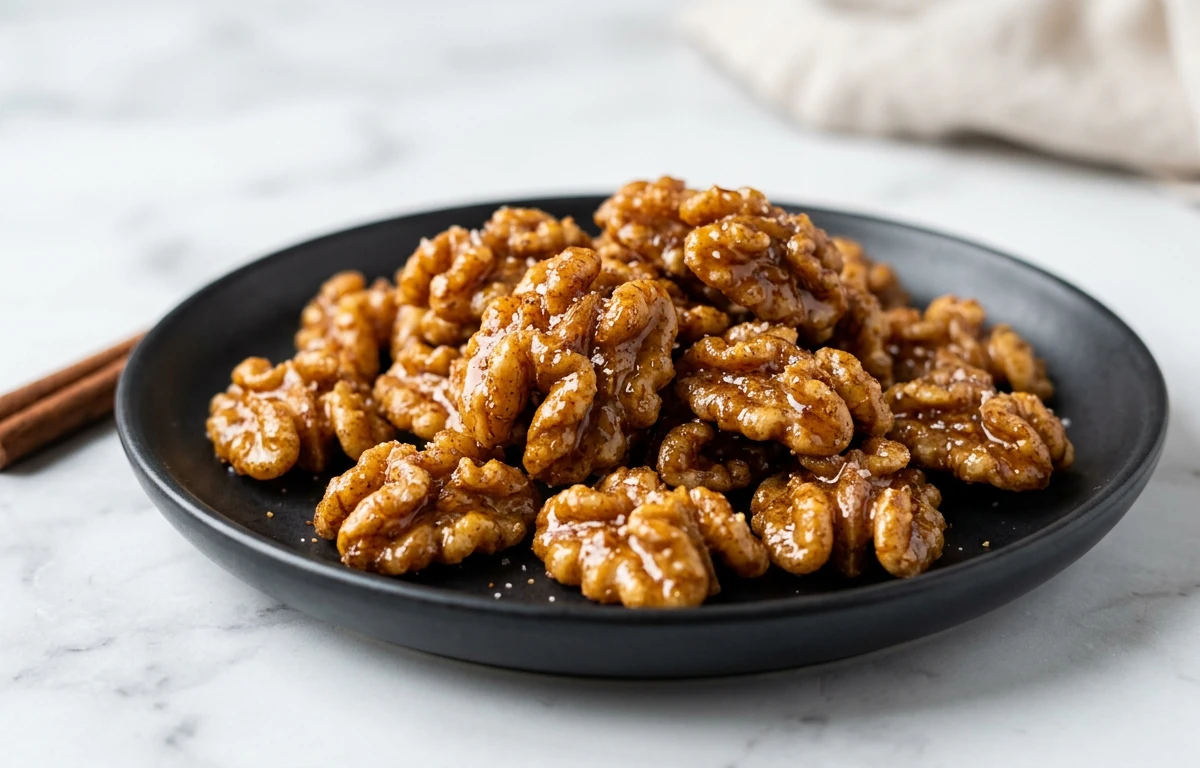

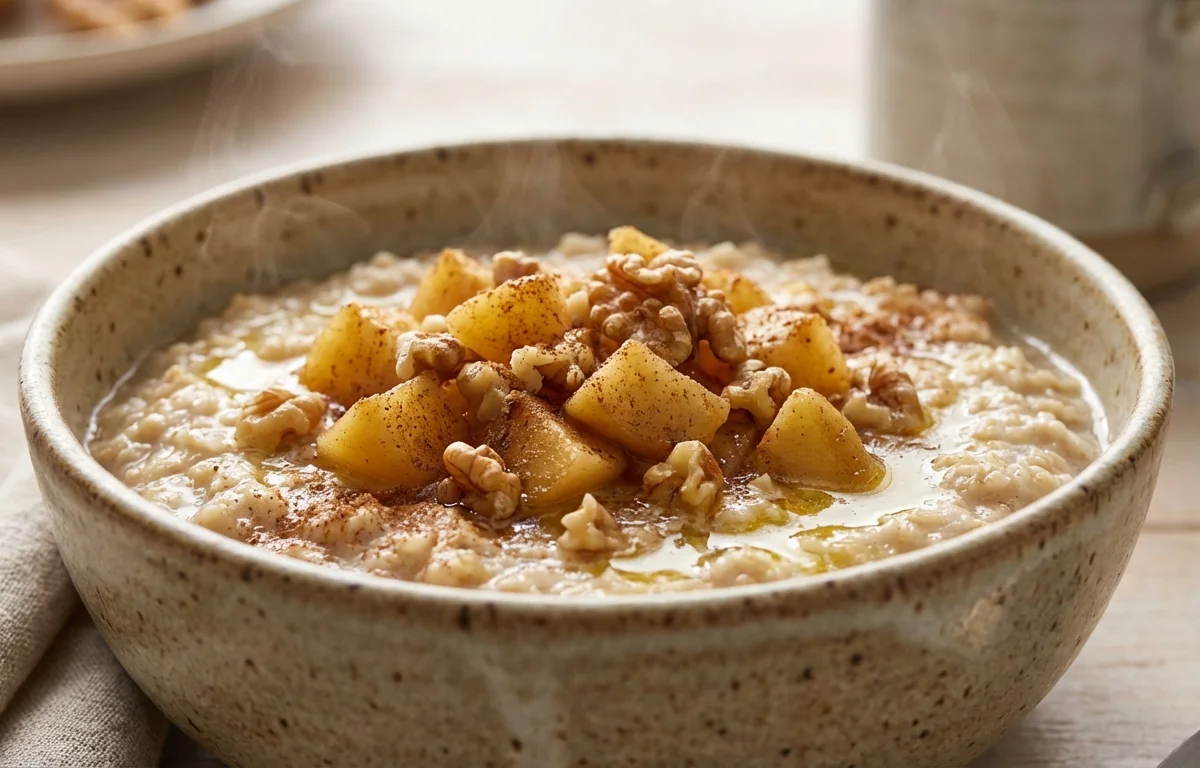
Want nutrient-dense foods like walnuts worked into a balanced week?
Our meal planner incorporates heart-healthy fats, protein, and fiber for steady energy. We handle the portions and pairings so you get a delicious, balanced plan with a single grocery list.
Build my weekly plan →SOURCES & REFERENCES · 3
One more thing
Eating well is rarely about willpower. It’s about having a short list of dinners you actually want to eat. Pick two from this list. Make them next week. The rest will follow.
If you want these on autopilot, our weekly meal planner can drop the picks above into your calendar with one click and build a single grocery list from the merged ingredients.
FREQUENTLY ASKED QUESTIONS
Frequently asked questions
Are walnuts good for weight loss?
Yes, in moderation. While they are high in calories, their combination of protein, fiber, and healthy fats is very filling, which can help control appetite and reduce overall calorie intake. The key is sticking to a small handful as a serving.
How many walnuts should you eat a day?
A generally recommended serving is about 1 ounce (or 28-30 grams), which is roughly 1/4 cup or a small handful (about 7-10 whole walnuts). This amount provides the key health benefits without adding excessive calories.
Are raw or roasted walnuts better?
Both are great choices. Raw walnuts preserve the delicate healthy fats perfectly. Dry roasting at a low temperature can enhance their flavor without significantly damaging the nutrients. Avoid walnuts roasted in oil or sugar.
Why do walnuts sometimes taste bitter?
The bitterness comes from the thin, papery skin on the walnut, which is packed with antioxidants called tannins. While some find it slightly bitter, this skin is also where many of the health benefits are concentrated.
METHODOLOGY
How this article was created
Built using verified nutrition databases, culinary research, and traditional cooking knowledge — every claim is cross-referenced against the sources listed in the article.
· USDA data· Culinary research· Quality reviewed
Read our methodology →TRANSPARENCY
About this content
Articles are curated using trusted food databases (USDA FoodData Central, IFCT), culinary literature, and dietary guidelines, then structured by our editorial team for clarity, accuracy, and usefulness.
· Verified data sources· Culinary research· Quality reviewed
Read our editorial policy →RELATED RECIPES
Cook from this article
EXPLORE OUR MEALS
Meals that fit this article

AMERICAN · 1677 CAL
Almonds with Sliced Apple + supplement + iron

MEDITERRANEAN · 809 CAL
Greek Yogurt with Berries Almonds and Granola + supplement + iron

GENERAL_HEALTHY · 705 CAL
Banana with Peanut Butter Pregnancy + supplement + iron

MODERN · 982 CAL
Hummus with Crudits and Pita with Fresh Orange Snack + supplement + iron
TAGGED
KEEP READING