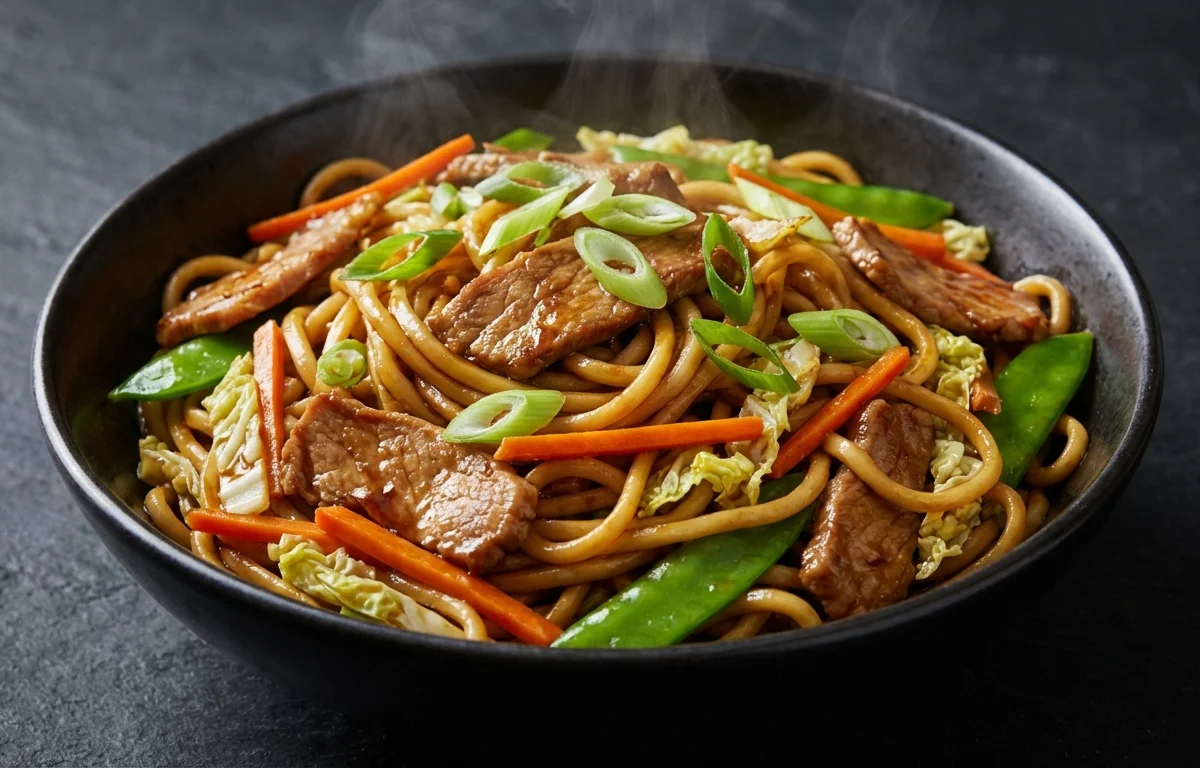
Pork Lo Mein
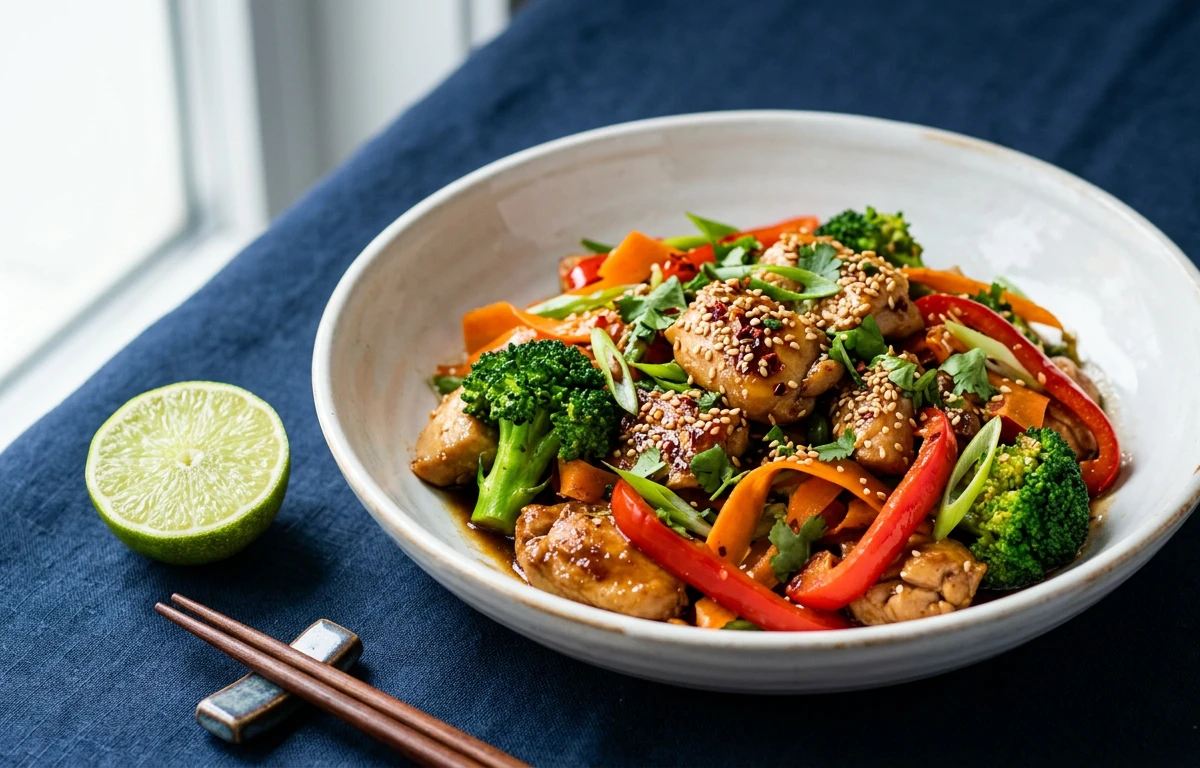
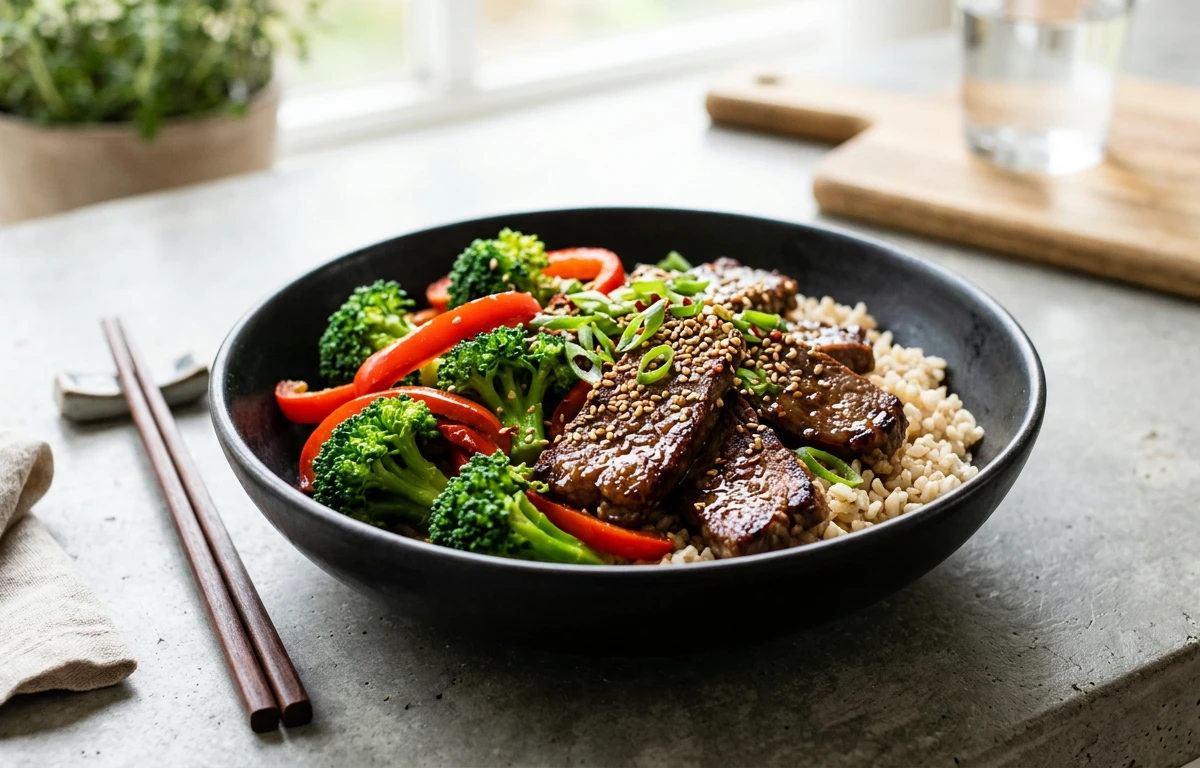
Chewy egg noodles tossed with tender strips of pork and crisp vegetables in a savory, slightly sweet sauce. This takeout favorite comes together in one hot wok in under 30 minutes, delivering that perfect balance of smoky, salty, and umami flavors.
For 4 servings
- prep · ~10 min
Marinate the pork.
1.In a bowl, combine sliced pork with 1 tablespoon soy sauce and white pepper.2.Toss well and set aside for 10 minutes while preparing other ingredients. - prep · ~2 min
Make the stir-fry sauce.
1.In a small bowl, whisk together remaining 2 tablespoons soy sauce, oyster sauce, sugar, and sesame oil.2.Stir until sugar dissolves. Set aside. - boil · ~5 min
Cook the lo mein noodles.
Bring a large pot of water to a boil. Add salt and cook noodles according to package directions until al dente. Drain and rinse briefly under cold water to stop cooking. Toss with a few drops of oil to prevent sticking.
TIPRinsing with cold water removes excess starch so the noodles don't clump together in the wok. - fry · ~3 min
Sear the pork.
1.Heat 1 tablespoon vegetable oil in a wok over high heat until shimmering.2.Add marinated pork strips in a single layer and sear undisturbed for 1 minute.3.Stir-fry for another 1 to 2 minutes until just cooked through.4.Transfer pork to a plate and set aside.TIPDon't crowd the wok — cook pork in batches if needed to get a good sear rather than steaming it. - fry · ~4 min
Stir-fry the vegetables.
1.Add remaining 1 tablespoon oil to the same wok.2.Add garlic and ginger, stir-frying for 15 seconds until fragrant.3.Add carrot and bell pepper, stir-fry for 2 minutes.4.Add cabbage and green onions, stir-fry for another 1 minute until vegetables are crisp-tender. - fry · ~2 min
Combine and toss everything together.
1.Return cooked pork to the wok with the vegetables.2.Add the cooked noodles and pour the stir-fry sauce over everything.3.Using tongs or two spatulas, toss everything together for 1 to 2 minutes until noodles are well-coated and heated through.TIPKeep the heat high and toss continuously — high heat is what gives lo mein its signature wok hei flavor. - serve
Serve hot.
Transfer to a serving platter or individual plates. Serve immediately while piping hot.
What to keep in mind.
6 tips from the recipe — small details that make a real difference to the final dish.
- 1Slice pork across the grain for tender, bite-sized strips that won't toughen.
- 2Cook noodles just until al dente — they'll finish cooking in the wok.
- 3Rinse noodles with cold water after boiling to remove surface starch; toss with oil to prevent sticking.
- 4Heat the wok until smoking before adding oil to achieve the smoky 'wok hei' flavor.
- 5Don't overcrowd the wok when searing the pork; cook in batches for a proper brown crust.
- 6Prep all ingredients before you start stir-frying — the cooking goes fast once the wok is hot.
Adapt it for your goals.
High-protein
Swap the pork tenderloin for firm tofu or chicken breast, and add a handful of edamame or bean sprouts for extra protein with minimal effort.
low oilLow-oil
Use a non-stick wok and reduce oil to 1 tablespoon total; increase the stir-fry sauce by a splash of water or low-sodium broth to keep things moist.
vegetarianVegetarian
Replace pork with shiitake mushrooms or extra-firm tofu, and use vegetarian oyster sauce (made from mushrooms) to keep the savory depth.
Why this is on our healthy list.
Lean Protein Source
Pork tenderloin is a lean cut rich in high-quality protein, supporting muscle repair and satiety.
Rich in Vitamin A and C
Carrots provide beta-carotene (vitamin A) while bell peppers and cabbage supply vitamin C, supporting immune health and vision.
Moderate Sodium Control
Using low-sodium soy sauce and adjusting salt can make this dish a more balanced option compared to typical takeout.
Frequently asked questions
Yes, fresh or dried ramen noodles, udon, or even spaghetti work — but cook them slightly less than al dente to mimic the chewy texture of lo mein.