Let's be honest, cottage cheese has had a bit of an image problem. For decades, it was the sad, watery scoop on a 'dieter's plate' next to a canned peach half. But something funny happened recently: we all rediscovered it. And this time, we're seeing it for what it is — a creamy, incredibly versatile, and frankly, ridiculously high-protein food that punches way above its weight. It's the furthest thing from sad diet food; it's a kitchen chameleon that's earned its comeback.
↑ Creamy, high-protein, and ready for anything.
The comeback kid of the dairy aisle
Cottage cheese is simple stuff: fresh cheese curds with a mild, slightly tangy flavour. It doesn't undergo the aging or pressing that hard cheeses do, which is why it stays soft and retains a high water content.
For years, its main selling point was being 'low-fat'. But now we know that fat isn't the enemy we once thought, and we've realised cottage cheese's real superpower: its protein. It packs an incredible amount of slow-digesting casein protein, making it one of the most filling and satisfying foods you can find for so few calories.
IN ONE LINE
It's a high-protein, low-carb staple that's incredibly versatile. The main thing to watch is the sodium content — otherwise, it's one of the healthiest, most convenient foods around.
Cottage cheese nutrition facts
Here's the nutritional breakdown for a typical 4% milkfat (full-fat) cottage cheese, per 100-gram serving (about half a cup).
Glycemic index: a non-issue
Glycemic index (GI) measures how quickly a food's carbohydrates raise blood sugar. Since cottage cheese has only about 3 grams of carbs per serving, its GI is functionally irrelevant. It's so low that it's not even formally measured or listed in most databases.
Its glycemic load (GL), which accounts for portion size, is close to zero. This, combined with its high protein content, means cottage cheese has a stabilizing effect on blood sugar, making it an outstanding choice for anyone managing diabetes or just trying to avoid energy spikes and crashes.
GLYCEMIC INDEX · COTTAGE CHEESE vs COMMON FOODS
Cottage cheese has a minimal effect on blood sugar
Cottage Cheese
minimal effect
LOW
Cherries
whole fruit
LOW
Apple
whole fruit
LOW
Pineapple
whole fruit
MEDIUM
White Bread
refined
HIGH
SCALE 0–90
04590
How to choose a good one
Not all tubs are created equal. Here's what to look for when you're at the supermarket.
01
Check the sodium.
This is the big one. A single serving can have 300-400mg of sodium (15-20% of your daily limit). Look for 'low sodium' or 'no salt added' versions if you eat it often.
02
Choose your fat level.
Full-fat (usually 4%) is creamier and more satisfying. Low-fat (1-2%) saves a few calories and has slightly more protein. Non-fat often has a gummier texture from added starches.
03
Look for 'live cultures'.
Many brands now add probiotics, turning it into a gut-friendly food similar to yogurt. If you see 'live and active cultures' on the label, it's a great bonus.
04
Read the ingredient list.
A good cottage cheese should just contain milk, cream, salt, and cultures/enzymes. Avoid brands with long lists of gums, starches, and artificial flavours.
What cottage cheese is good for
01
Muscle building and repair
It's packed with casein, a slow-digesting protein that provides a steady supply of amino acids, ideal for muscle recovery and growth, especially when eaten before bed.
11 g
protein
02
Keeps you full and aids weight loss
Protein is the most satiating macronutrient. A bowl of cottage cheese can keep you feeling full for hours, helping to reduce overall calorie intake.
95
calories
03
A low-carb and keto diet staple
With just 3g of carbs per serving, it's a fantastic way to get protein and fat without derailing a low-carbohydrate or ketogenic diet.
3 g
carbs
04
Supports bone health
As a dairy product, it's a good source of calcium and phosphorus, two minerals that are essential for building and maintaining strong bones.
Good
calcium
What to pair it with
Cottage cheese is a blank canvas. Its mild flavour works just as well with sweet fruit as it does with savory spices.
Eat freely — or be mindful?
Three ways to eat it
Go beyond the simple scoop with these easy ideas that use cottage cheese as a high-protein base.
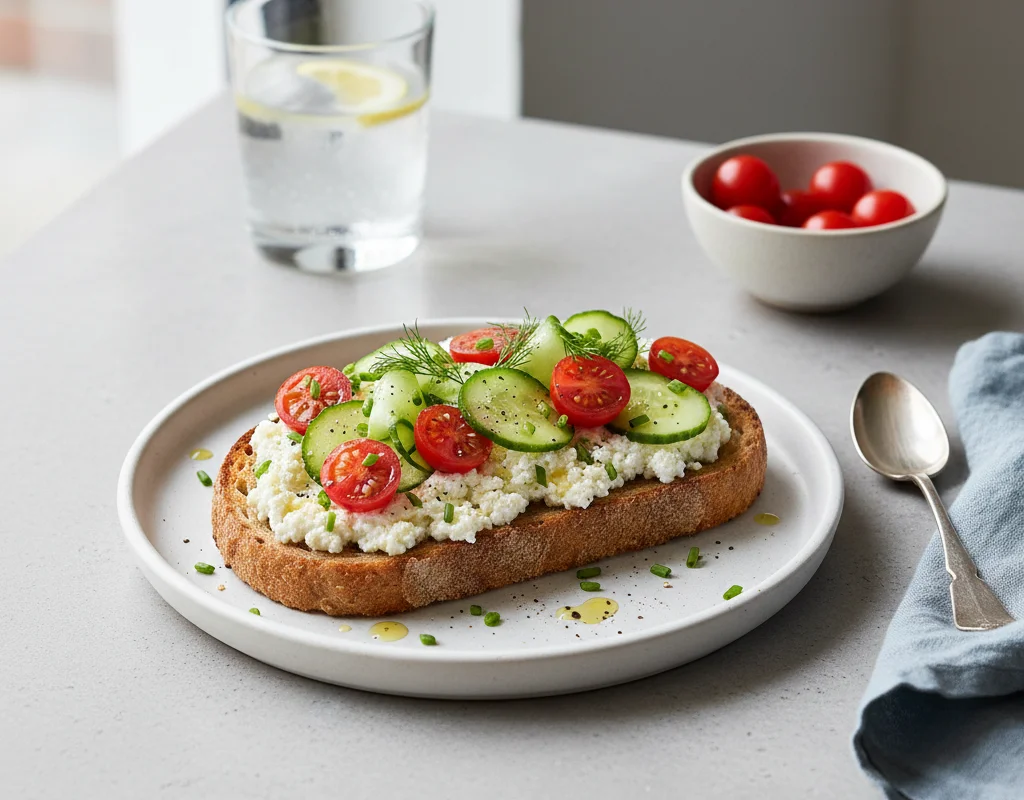
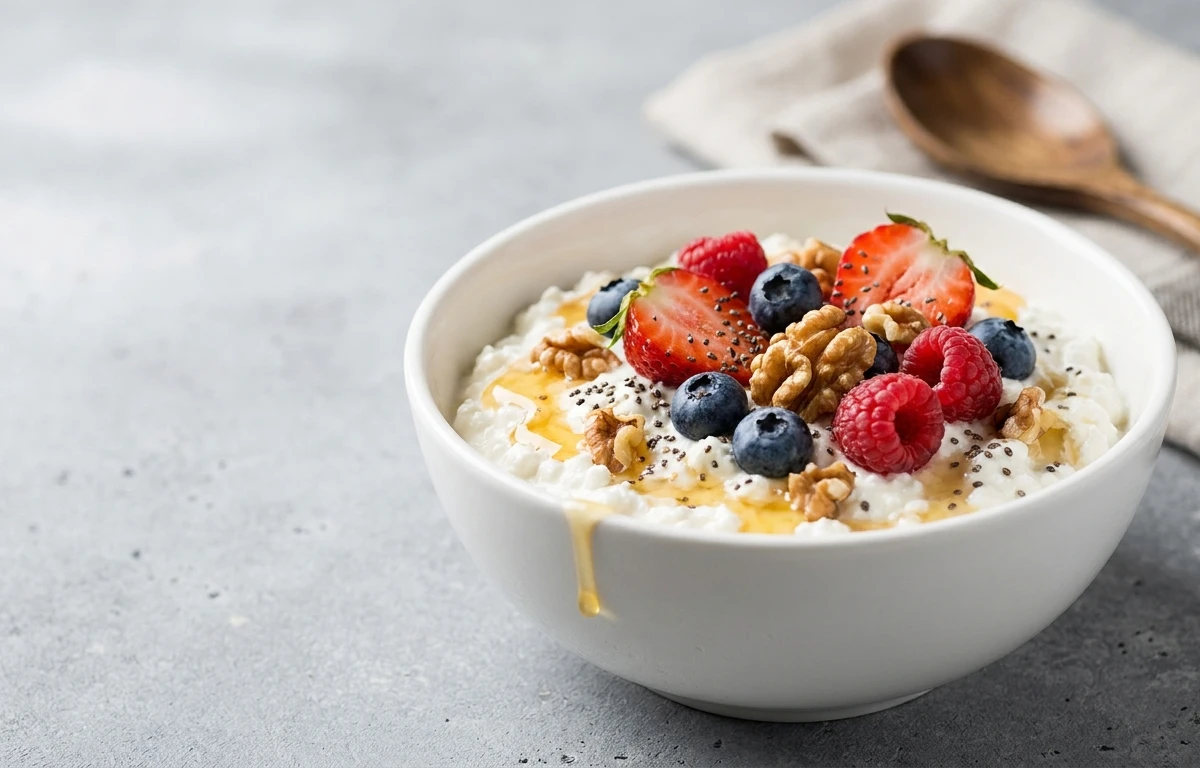
Want high-protein meals worked into a balanced week?
Our meal planner can build a weekly menu that hits your protein targets, using foods like cottage cheese for satisfying meals and snacks — with a single grocery list at the end.
Build my weekly plan →SOURCES & REFERENCES · 3
One more thing
Eating well is rarely about willpower. It’s about having a short list of dinners you actually want to eat. Pick two from this list. Make them next week. The rest will follow.
If you want these on autopilot, our weekly meal planner can drop the picks above into your calendar with one click and build a single grocery list from the merged ingredients.
FREQUENTLY ASKED QUESTIONS
Frequently asked questions
Is it okay to eat cottage cheese every day?
Yes, for most people it's perfectly healthy to eat every day. It's a great source of protein and calcium. The only thing to be mindful of is the sodium content; if you eat it daily, consider a low-sodium brand.
Which is better, full-fat or low-fat cottage cheese?
Neither is universally 'better' — it depends on your goals. Full-fat (4%) is creamier, more satisfying, and helps you absorb fat-soluble vitamins. Low-fat (1-2%) saves a few calories and often has a gram or two more protein. Both are great choices.
Does cottage cheese make you gain weight?
No single food causes weight gain. In fact, cottage cheese is excellent for weight management because its high protein content keeps you feeling full, which can help you eat less overall. A serving is only about 95 calories.
Is cottage cheese considered a processed food?
It's minimally processed. The process involves separating curds from whey, similar to how yogurt is made. As long as you choose a brand with a simple ingredient list (milk, cream, salt, cultures), it's a very wholesome food.
METHODOLOGY
How this article was created
Built using verified nutrition databases, culinary research, and traditional cooking knowledge — every claim is cross-referenced against the sources listed in the article.
· USDA data· Culinary research· Quality reviewed
Read our methodology →TRANSPARENCY
About this content
Articles are curated using trusted food databases (USDA FoodData Central, IFCT), culinary literature, and dietary guidelines, then structured by our editorial team for clarity, accuracy, and usefulness.
· Verified data sources· Culinary research· Quality reviewed
Read our editorial policy →RELATED RECIPES
Cook from this article
EXPLORE OUR MEALS
Meals that fit this article
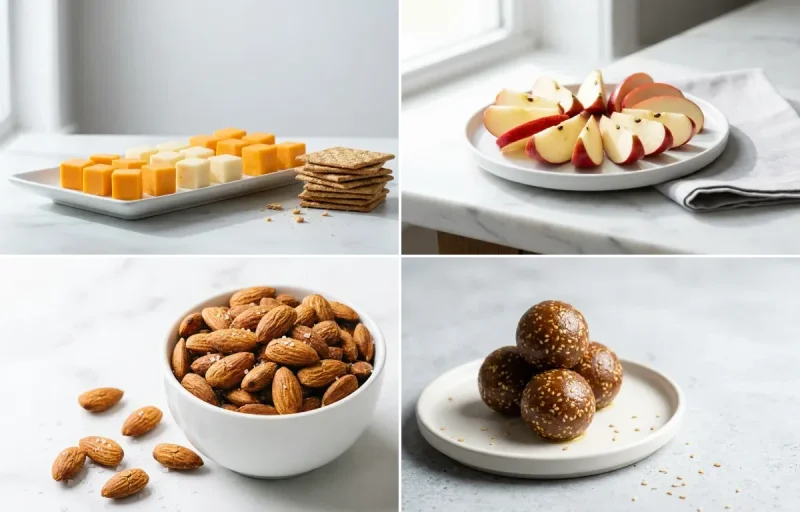
AMERICAN · 1677 CAL
Almonds with Sliced Apple + supplement + iron
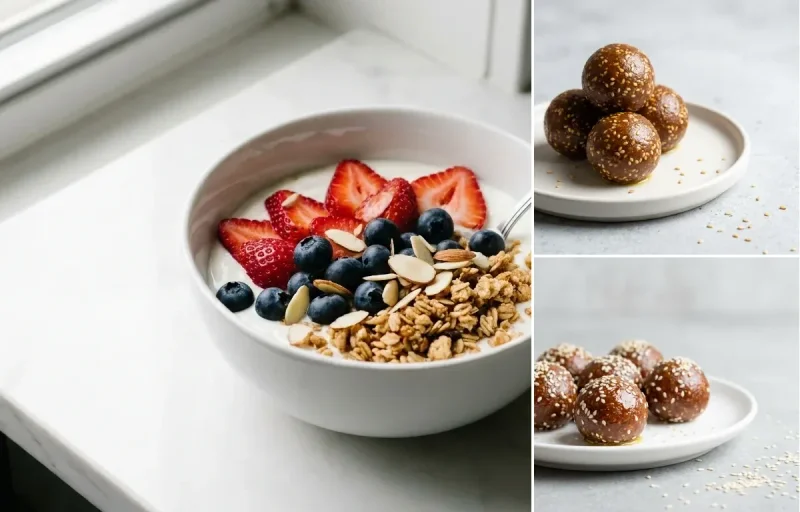
MEDITERRANEAN · 809 CAL
Greek Yogurt with Berries Almonds and Granola + supplement + iron

GENERAL_HEALTHY · 705 CAL
Banana with Peanut Butter Pregnancy + supplement + iron

MODERN · 982 CAL
Hummus with Crudits and Pita with Fresh Orange Snack + supplement + iron
TAGGED
KEEP READING