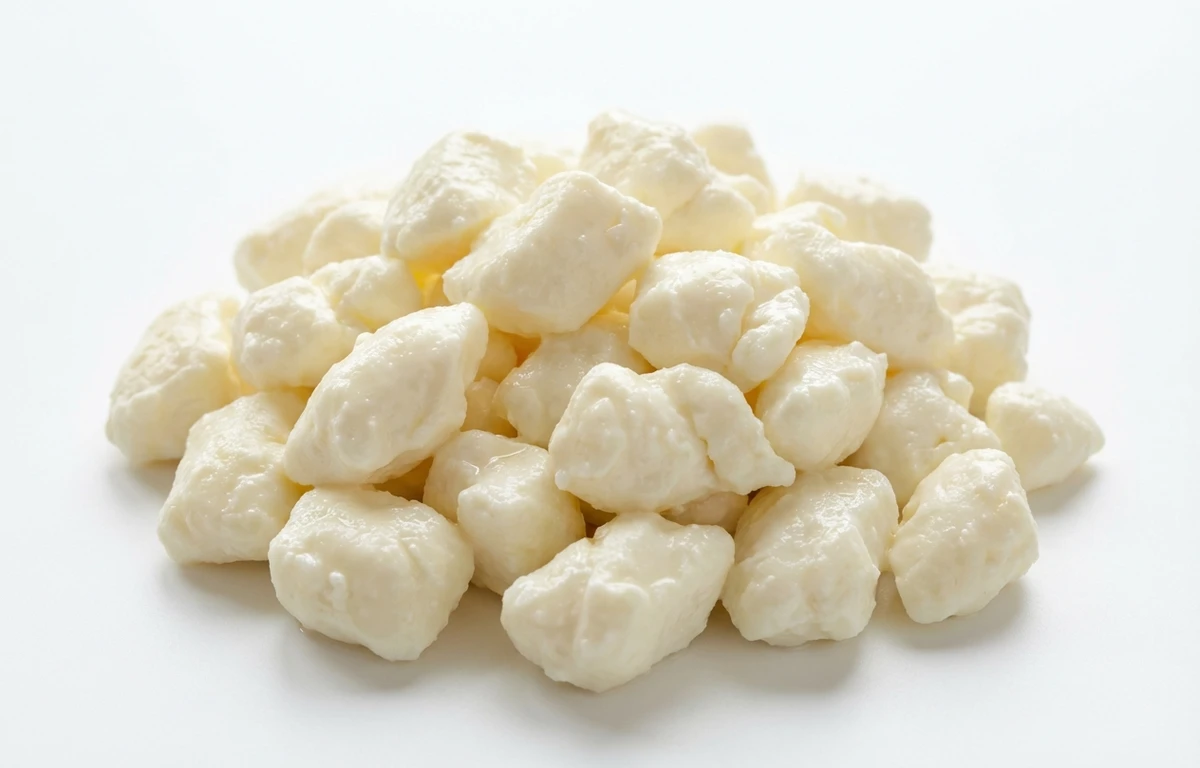
dairy
low-fat cottage cheese.
VegetarianVeganGluten-freeDairy-freeNut-freePeanut-freeSoy-freeEgg-freeShellfish-freeHoney-freeAlcohol-freeFermented
ALSO KNOWN AS
low-fat paneerlow-fat curd cheeselow-fat pot cheeselowfat cottage cheese
SERVING
CALORIES
72
PROTEIN
12.4g
CARBS
2.7g
FAT
1.0g
FIBER
0g
NUTRITION PROFILE · per 100 g
Everything in this ingredient.
MACRONUTRIENTS
Calories72kcal—
Protein12.4g25%
Carbohydrates2.7g1%
Fiber0g0%
Sugar2.7g5%
Total fat1.0g1%
Saturated fat0.60g3%
Trans fat0g—
Cholesterol4.0mg1%
Water82g—
MINERALS
Sodium373mg16%
Potassium86mg2%
Calcium61mg5%
Iron0.10mg1%
Magnesium5.0mg1%
Phosphorus134mg11%
Zinc0.40mg4%
Copper0.02mg2%
Manganese0.01mg0%
Selenium9.0µg16%
VITAMINS
Vitamin A11µg1%
Vitamin C0mg0%
Vitamin D0µg0%
Vitamin E0.01mg0%
Vitamin K0µg0%
Thiamin (B1)0.02mg2%
Riboflavin (B2)0.16mg12%
Niacin (B3)0.10mg1%
Pantothenic acid (B5)0.50mg10%
Vitamin B60.05mg3%
Folate (B9)9.0µg2%
Vitamin B120.43µg18%
%DV based on a 2,000 cal diet. Source: USDA FoodData Central. A dash in the %DV column means there’s no established Daily Value for that nutrient.
MEASUREMENT CONVERSIONS
How much is what.
1 cup225g
1 tablespoon15g
1 teaspoon5g
1 oz28.4g
1 lb453.6g
1 liter1050g
HEALTH BENEFITS
Why eat it.
- ✓High in casein protein which provides a slow release of amino acids
- ✓Supports muscle growth and repair
- ✓Rich in B vitamins for energy metabolism
- ✓Good source of phosphorus for bone health
- ✓Low calorie density aids in weight management
COOKING TIPS
In the kitchen.
- 1Blend until smooth to use as a high-protein substitute for ricotta or mayo
- 2Add to pancake or waffle batter for a boost of moisture and protein
- 3Avoid high heat for long periods as it can cause the cheese to become rubbery
STORAGE
Keep it fresh.
- Store in the refrigerator at or below 40°F (4°C)
- Keep the container tightly sealed to prevent absorption of other food odors
- Consume within 7 to 10 days of opening for best quality
FAQ
Frequently asked questions.
How long does low-fat cottage cheese last after opening?
Once opened, it typically stays fresh for 7 to 10 days if kept refrigerated and tightly sealed.
Can you freeze cottage cheese?
Yes, but the texture will change significantly, becoming crumbly and watery upon thawing. It is best used in cooked dishes after freezing.
What is a good substitute for low-fat cottage cheese?
Ricotta cheese, Greek yogurt, or blended silken tofu are the best alternatives depending on the recipe.
Is cottage cheese good for weight loss?
Yes, it is very high in protein and relatively low in calories, which helps promote satiety and muscle maintenance.
How can I tell if cottage cheese has gone bad?
Look for signs of mold, a sour or off-putting smell, or a change in color (yellowing). If the liquid has separated excessively and smells yeasty, discard it.
Is cottage cheese high in sodium?
Yes, cottage cheese is naturally high in sodium due to the processing method. Look for 'low-sodium' versions if you are monitoring salt intake.
Can I use cottage cheese in baking?
Absolutely. It adds moisture and protein to muffins, breads, and cakes, often used as a substitute for fats or other dairy.
What is the difference between small curd and large curd?
The difference is purely textural and depends on the size of the coagulated milk proteins; the nutritional profile is usually identical.
RECIPES
Cook with low-fat cottage cheese.
0 recipes · sorted by what’s quick