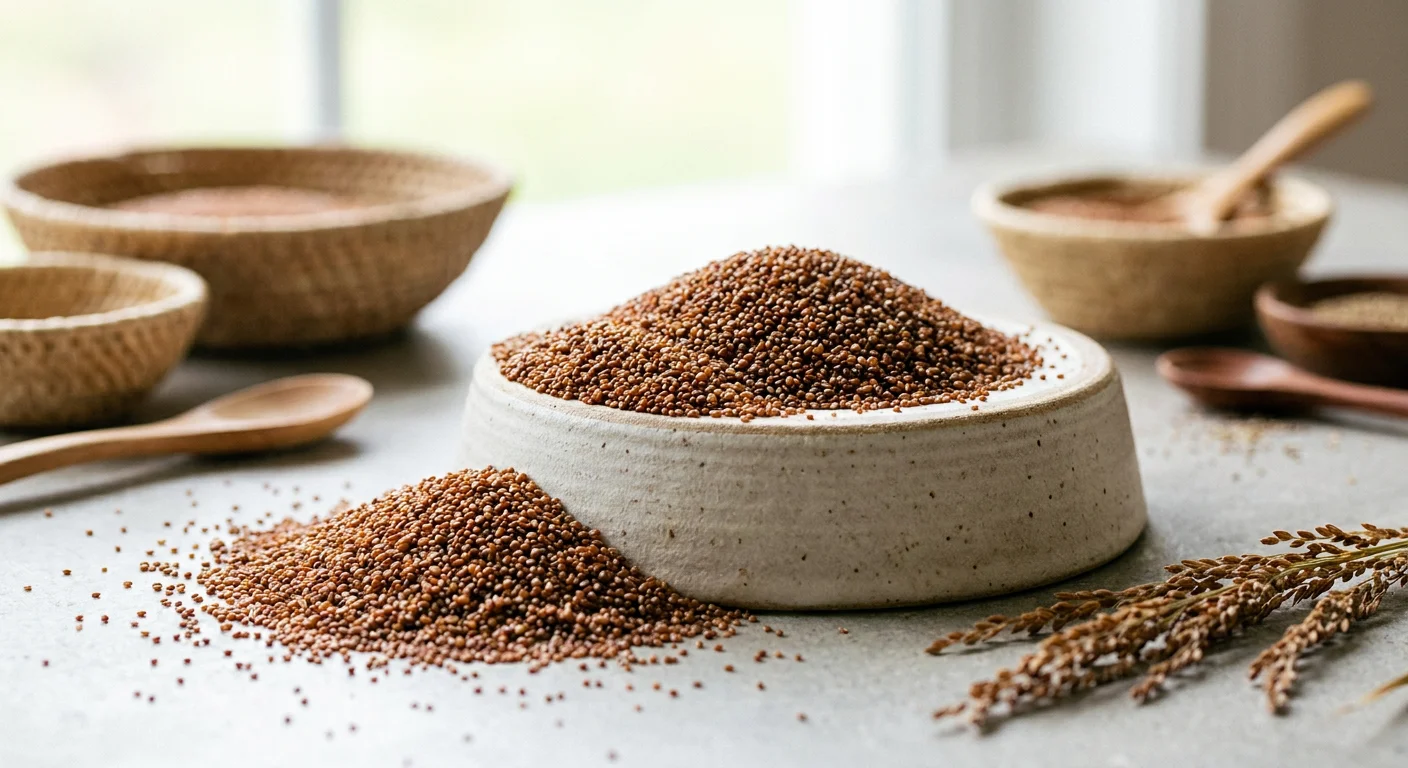
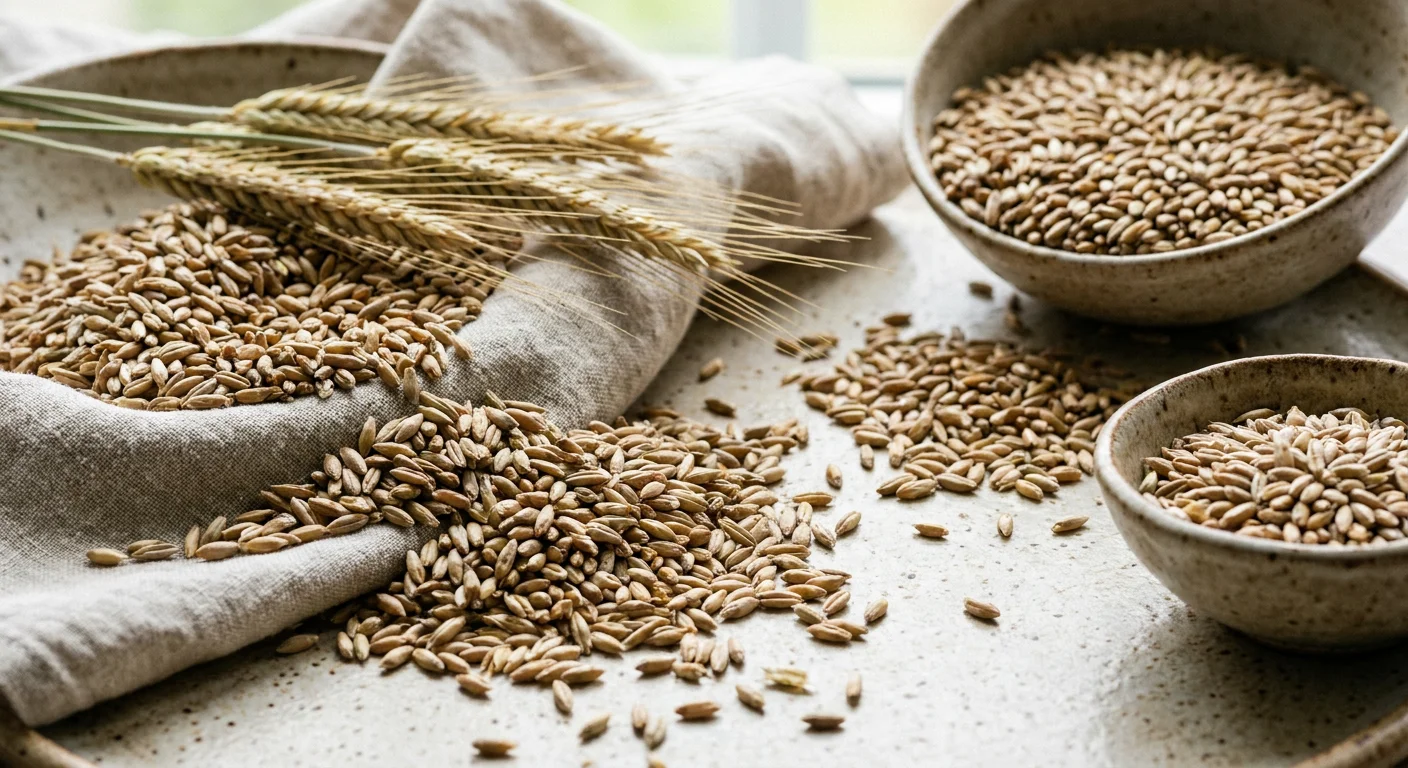
Let's be honest, the 'ancient grains' aisle can feel a little intimidating. But if you skip past the farro, you're missing out on one of the most satisfying and versatile grains there is. It's not another light, fluffy quinoa. Farro is hearty, chewy, and has a nutty flavour that stands up for itself. It's the kind of carb that actually feels like you've eaten something substantial, thanks to a solid combination of fiber and protein that makes it much friendlier on blood sugar than you might think.
↑ Farro's chewy texture and nutty flavor make it a standout grain.
The satisfying ancient grain
Farro is a type of wheat that's been eaten for thousands of years, particularly in Italy. It's not one specific grain, but a term for three species of hulled wheat. What you'll usually find in stores is pearled or semi-pearled farro, which has some of the bran removed to help it cook faster.
Its biggest selling point is its texture. While rice can be soft and quinoa can be fluffy, farro is decidedly chewy and robust. It doesn't get lost in a dish; it adds substance and a pleasant, nutty taste. This makes it an amazing base for salads that don't get soggy, hearty soups, or as a simple side dish swapped in for rice or potatoes.
IN ONE LINE
Farro is a hearty, chewy whole grain with a low-to-medium glycemic index, making it a satisfying and blood-sugar-friendly carb choice. But it is not gluten-free.
Farro nutrition facts
Here's the nutritional breakdown for a 100-gram portion of cooked farro, which is about half a cup. The numbers show it's a nicely balanced food — not just empty carbs.
Two numbers jump out here: the protein and the fiber. For a grain, 4.5 grams of protein is pretty impressive, and 3.5 grams of fiber is a significant contribution to your daily goal. This combination is what gives farro its staying power, keeping you feeling full and energized long after you eat.
Watch the type: 'Pearled' farro cooks faster (20-25 mins) but has slightly less fiber. 'Whole' farro keeps all its bran and nutrients but needs soaking and takes longer to cook (40+ mins).
Farro's glycemic index
We don't have a precise, universally agreed-upon number for farro's glycemic index (GI), as it can vary based on the specific type and how it's cooked. However, as a high-fiber whole grain, it's firmly in the low-to-medium GI camp, likely somewhere in the 40s or low 50s. This means it releases its energy slowly and steadily, without causing the sharp blood sugar spike you'd get from refined grains like white bread or white rice.
GLYCEMIC INDEX · FARRO IN CONTEXT
Farro is a slow-release carbohydrate
Apple
whole fruit
LOW
Farro (est.)
whole grain
LOW
Pineapple
whole fruit
MEDIUM
White Bread
refined
HIGH
Cornflakes
refined
HIGH
SCALE 0–90
04590
What farro is good for
01
Sustained energy & fullness
The combination of complex carbs, fiber, and protein means farro digests slowly, providing steady energy and keeping you feeling full for hours.
115
cals
02
A happy gut
Farro is rich in fiber, including prebiotics that feed your beneficial gut bacteria. A healthy microbiome is linked to everything from digestion to immunity.
3.5 g
fiber
03
A meaningful protein boost
With 4.5 grams of protein per cooked 100g, farro contributes significantly to your daily protein needs, especially for plant-based eaters.
4.5 g
protein
04
Heart health support
As a whole grain, farro is part of a dietary pattern that's consistently shown to reduce the risk of heart disease by helping manage cholesterol and blood pressure.
0.7 g
fat
What to pair farro with
Farro's nutty, earthy flavor is a fantastic canvas. It pairs well with bright, acidic flavors and rich, savory ones.
Eat freely — or be mindful?
Three ways to eat it
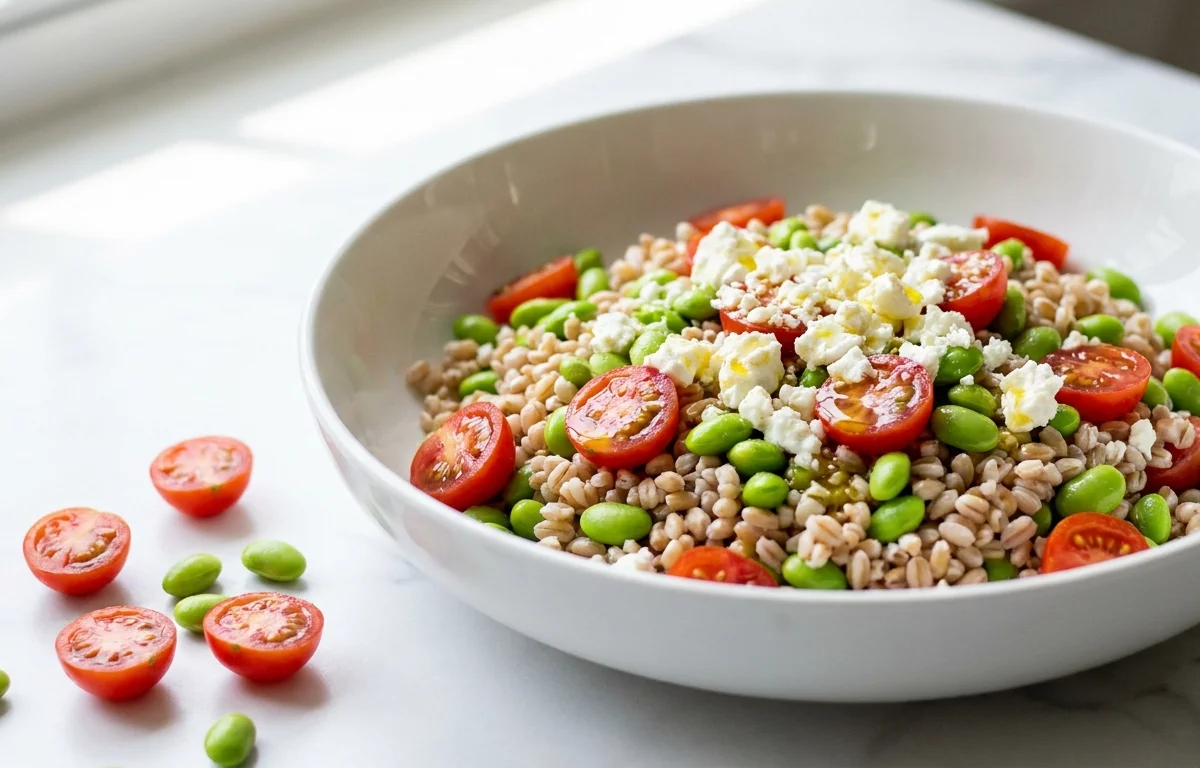
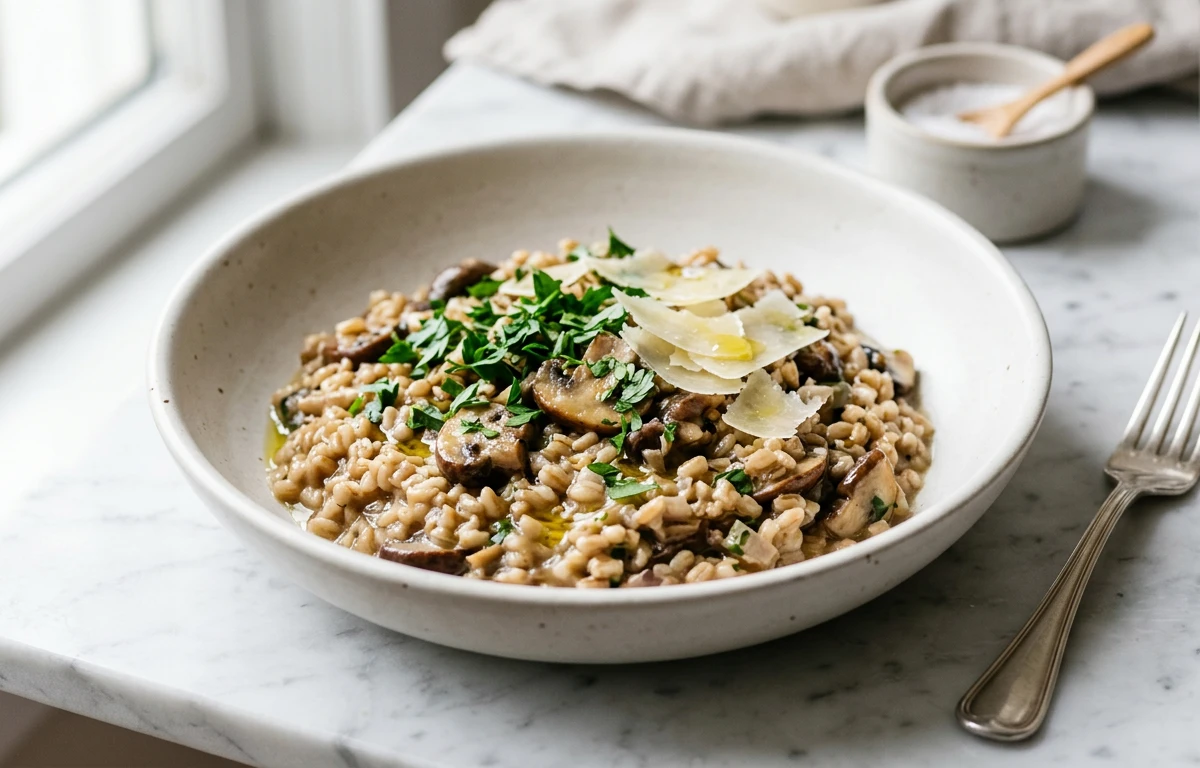
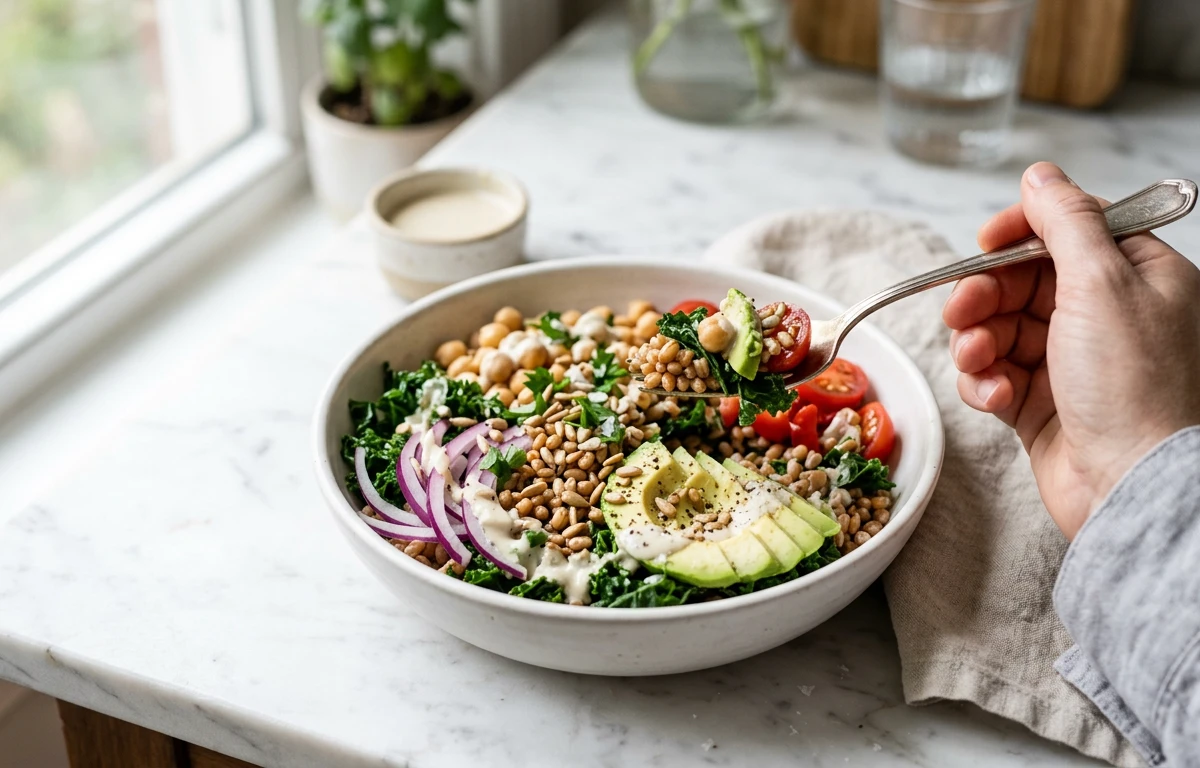
Farro is incredibly versatile. Here are three ideas to get you started, moving from a simple salad to a cozy, risotto-style dish.
Want more balanced carbs in your life, without the guesswork?
Our meal planner builds satisfying meals around smart carbs like farro, balancing them with protein and healthy fats. Get a personalized plan, macros calculated, and one simple grocery list.
Build my weekly plan →SOURCES & REFERENCES · 3
One more thing
Eating well is rarely about willpower. It’s about having a short list of dinners you actually want to eat. Pick two from this list. Make them next week. The rest will follow.
If you want these on autopilot, our weekly meal planner can drop the picks above into your calendar with one click and build a single grocery list from the merged ingredients.
FREQUENTLY ASKED QUESTIONS
Frequently asked questions
Is farro gluten-free?
No, farro is a type of wheat and contains gluten. It is not suitable for individuals with celiac disease or a non-celiac gluten sensitivity.
Is farro better than quinoa?
Neither is 'better,' they're just different! Quinoa is a gluten-free seed with a complete protein profile and a fluffy texture. Farro is a wheat grain with a chewier bite and higher fiber content per serving. Choose based on your dietary needs and taste preference.
Is farro good for weight loss?
Yes, it can be a great tool for weight management. The high fiber and protein content help you feel full and satisfied on fewer calories, making it easier to stick to a calorie deficit.
How do you cook farro?
It's as easy as cooking pasta or rice. For pearled farro, simply bring a pot of salted water to a boil, add the farro, and simmer for 20-25 minutes until it's tender but still has a chew. Drain any excess water.
METHODOLOGY
How this article was created
Built using verified nutrition databases, culinary research, and traditional cooking knowledge — every claim is cross-referenced against the sources listed in the article.
· USDA data· Culinary research· Quality reviewed
Read our methodology →TRANSPARENCY
About this content
Articles are curated using trusted food databases (USDA FoodData Central, IFCT), culinary literature, and dietary guidelines, then structured by our editorial team for clarity, accuracy, and usefulness.
· Verified data sources· Culinary research· Quality reviewed
Read our editorial policy →EXPLORE OUR MEALS
Meals that fit this article

AMERICAN · 1677 CAL
Almonds with Sliced Apple + supplement + iron

MEDITERRANEAN · 809 CAL
Greek Yogurt with Berries Almonds and Granola + supplement + iron

GENERAL_HEALTHY · 705 CAL
Banana with Peanut Butter Pregnancy + supplement + iron

MODERN · 982 CAL
Hummus with Crudits and Pita with Fresh Orange Snack + supplement + iron
TAGGED
KEEP READING