Let's be honest, bottle gourd doesn't scream 'excitement'. It's the quiet, pale vegetable often relegated to a watery, over-boiled side dish. But that's a huge misread. Think of it less as a star and more as a brilliant canvas. It's incredibly hydrating, almost comically low in calories, and a superstar at absorbing the flavors you cook it with. It's not bland; it's accommodating. And on a hot day, a simple bottle gourd curry is one of the most cooling, satisfying things you can eat.
↑ Bottle gourd's pale flesh and high water content make it a hydration hero.
The hydrating, low-calorie hero
Bottle gourd is more than 90% water. That's its superpower. This makes it incredibly low in calories and a fantastic food for staying hydrated, especially in warmer months. In many cultures, particularly in South Asia, it's considered a 'cooling' vegetable for this very reason.
Its mild, slightly sweet flavor isn't a flaw; it's a feature. It means bottle gourd is a brilliant vehicle for spices and other ingredients. It soaks up flavor from broths, curries, and stir-fries without competing, adding bulk and nutrients for almost no caloric cost.
IN ONE LINE
Bottle gourd is a hydrating, very-low-calorie vegetable that's great for weight management and blood sugar control. Its mild taste makes it a versatile ingredient for curries, soups, and stews.
Bottle gourd nutrition facts
The numbers for bottle gourd are all about what's not there: virtually no fat, minimal carbs, and very few calories. Here's the breakdown for a 100-gram serving (about one cup, diced).
The main takeaway here is the incredibly low energy density. You can eat a large, satisfying portion of bottle gourd for very few calories. While it's not a powerhouse of vitamins or minerals, it does provide a useful little bump of Vitamin C.
Bottle gourd's glycemic index
Glycemic index (GI) measures how quickly a food raises your blood sugar. While bottle gourd hasn't been formally tested and listed in most databases (it's not a common Western food), we can be very confident about its effect. With just 3.4 grams of carbohydrate per 100 grams, most of which is wrapped in a high-water, high-volume package, its impact on blood sugar is negligible. It's functionally a 'free' vegetable for anyone concerned about blood glucose, including people with diabetes.
GLYCEMIC INDEX · BOTTLE GOURD vs COMMON FOODS
Bottle gourd has a negligible glycemic impact
Bottle Gourd
cooked
VERY LOW
Cherries
whole fruit
LOW
Apple
whole fruit
LOW
Pineapple
whole fruit
MEDIUM
White Bread
refined
HIGH
SCALE 0–90
04590
How to cook it right
The secret to delicious bottle gourd is to stop boiling it into oblivion. Here are a few simple ways to make it shine.
01
Peel and deseed.
Use a standard vegetable peeler. If the gourd is mature, scoop out the spongy center and seeds before dicing the firmer flesh.
02
Don't overcook.
Sauté or simmer it until it's just tender-crisp, not mushy. It should still have a little bite.
03
Use assertive spices.
Its mildness is a canvas. It loves cumin, turmeric, ginger, garlic, and fresh herbs like cilantro and mint.
04
NEVER eat a bitter one.
If you taste a piece and it's bitter, discard the entire gourd. Bitter bottle gourds contain toxins and should not be consumed.
What bottle gourd is good for
01
Exceptional for hydration
Composed of over 90% water, eating bottle gourd is a great way to contribute to your daily fluid intake, especially in hot weather.
>90%
water
02
Aids weight management
At just 14 calories per 100g, you can eat a large, filling portion without a significant caloric impact, making it ideal for weight-loss diets.
14
calories
03
Gentle on digestion
Its soft-cooked texture and high water content make it very easy to digest. It's often recommended as part of a light diet during recovery from illness.
0.5 g
fiber
04
Excellent for blood sugar control
With an extremely low carbohydrate load and a negligible glycemic index, bottle gourd is one of the best vegetables for managing blood sugar levels.
~3g
net carbs
What to pair bottle gourd with
Bottle gourd's magic lies in its ability to absorb flavors. Pair it with bold ingredients to transform it from bland to brilliant.
Eat freely — or be mindful?
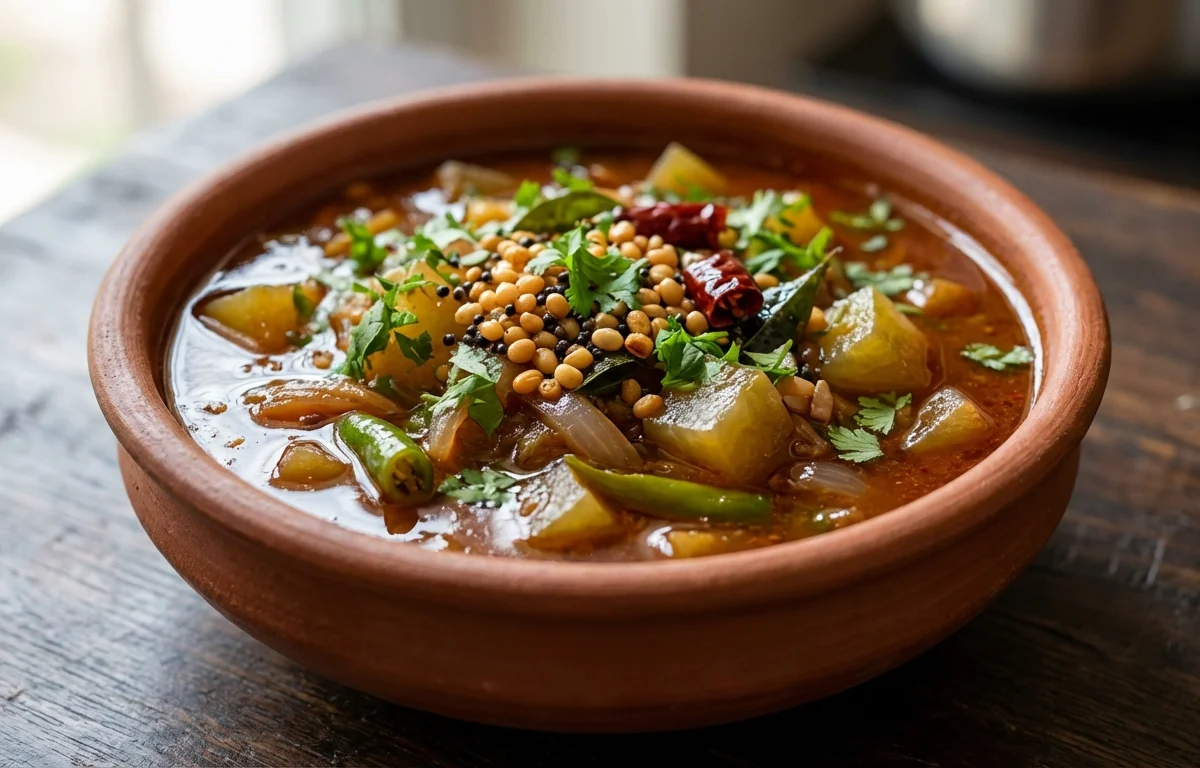
Three ways to eat it
Here are three classic ways to enjoy bottle gourd, turning it from a plain vegetable into a delicious meal.
.webp)
.webp)
Want more low-carb vegetables in your life, without the guesswork?
Our meal planner can build a week's worth of balanced meals, incorporating versatile, low-glycemic vegetables like bottle gourd into delicious recipes. Macros are calculated, and you get a single grocery list.
Build my weekly plan →SOURCES & REFERENCES · 3
One more thing
Eating well is rarely about willpower. It’s about having a short list of dinners you actually want to eat. Pick two from this list. Make them next week. The rest will follow.
If you want these on autopilot, our weekly meal planner can drop the picks above into your calendar with one click and build a single grocery list from the merged ingredients.
FREQUENTLY ASKED QUESTIONS
Frequently asked questions
Is bottle gourd good for weight loss?
Yes, it's excellent for weight loss. It is extremely low in calories (14 per 100g) and high in water, which helps you feel full on a very low energy budget.
Can people with diabetes eat bottle gourd?
Absolutely. It's one of the best vegetables for a diabetic diet as it's very low in carbohydrates and has a negligible effect on blood sugar levels.
Why does my bottle gourd taste bitter?
Stop eating it immediately and discard it. A bitter taste in bottle gourd is caused by high levels of compounds called cucurbitacins, which are toxic. Always taste a tiny piece raw before cooking. If it's bitter, it's not safe to eat.
How do I make bottle gourd taste less bland?
The key is to use it as a base for other flavors. Cook it with spices like cumin, turmeric, and coriander, a savory base of onion and garlic, and finish with fresh herbs like cilantro or mint. Don't just boil it in plain water.

ABOUT THE AUTHOR
Shreya Chatterjee
NUTRITION WRITER
Shreya is a nutrition writer and the voice behind The Nutrition Pen, where she turns evidence-based nutrition into simple, repeatable eating habits. Her writing focuses on practical food guidance — what to actually put on the plate — for readers who want to eat well without the noise.
Meet the editorial team →METHODOLOGY
How this article was created
Built using verified nutrition databases, culinary research, and traditional cooking knowledge — every claim is cross-referenced against the sources listed in the article.
· USDA data· Culinary research· Quality reviewed
Read our methodology →TRANSPARENCY
About this content
Articles are curated using trusted food databases (USDA FoodData Central, IFCT), culinary literature, and dietary guidelines, then structured by our editorial team for clarity, accuracy, and usefulness.
· Verified data sources· Culinary research· Quality reviewed
Read our editorial policy →EXPLORE OUR MEALS
Meals that fit this article
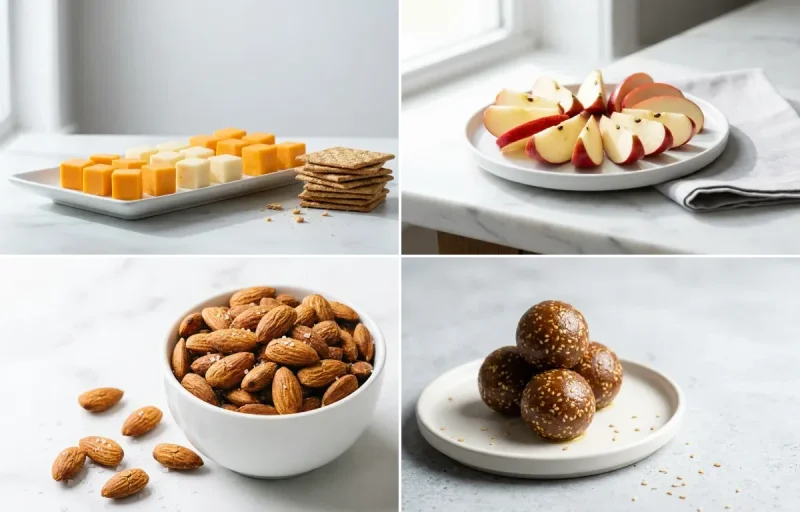
AMERICAN · 1677 CAL
Almonds with Sliced Apple + supplement + iron
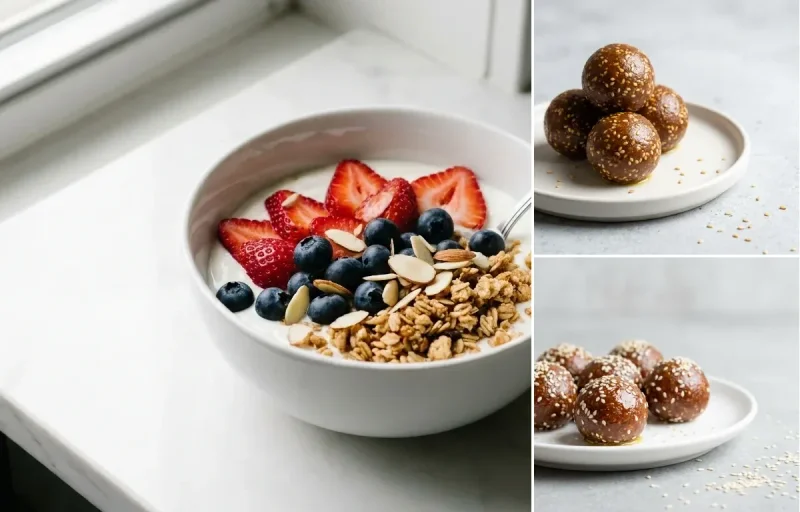
MEDITERRANEAN · 809 CAL
Greek Yogurt with Berries Almonds and Granola + supplement + iron

GENERAL_HEALTHY · 705 CAL
Banana with Peanut Butter Pregnancy + supplement + iron

MODERN · 982 CAL
Hummus with Crudits and Pita with Fresh Orange Snack + supplement + iron
TAGGED
KEEP READING