Cucumber: Calories, Carbs, Glycemic Index & Nutrition Facts: verified nutrition facts, glycemic context, serving guidance, and practical cooking ideas.
↑ Cool, crisp, and far more than just 'crunchy water'.
The ultimate hydrating vegetable
A cucumber is, functionally, a solid form of water you can eat. At 95% water, it's one of the most hydrating foods on the planet. This makes it incredibly low in calories and carbohydrates, which is why it's a staple in so many healthy eating patterns, from weight-loss plans to diabetic diets.
But it's not a complete nutritional void. It brings small amounts of vitamin K, vitamin C, and potassium to the party. The real magic, though, is its ability to add bulk, crunch, and freshness to meals for almost zero caloric cost.
IN ONE LINE
With just 15 calories and 3.6g of carbs per 100g, cucumber is one of the most diet-friendly, blood-sugar-friendly foods you can eat.
Cucumber nutrition facts
Here’s what a 100-gram serving of raw cucumber — about a third of a large English cucumber, or one small Persian one — provides. Note that peeling it will slightly reduce the fiber and vitamin content.
The numbers speak for themselves: barely any calories, carbs, or fat. The standout micronutrient here is Vitamin K, found mostly in the peel, which is important for blood clotting and bone health. While the other vitamins aren't in huge amounts, they add up when you use cucumber as a frequent, high-volume base for salads and snacks.
Cucumber's glycemic index
Glycemic index (GI) ranks how fast a food raises blood sugar. While cucumber doesn't have an officially published GI value from most databases, we can say with confidence that it's extremely low. Why? Because GI measures the effect of carbohydrates, and cucumber has hardly any. With over 95% water and minimal carbs, it's digested with almost no impact on blood glucose levels. For anyone managing blood sugar, it's about as safe as it gets.
GLYCEMIC INDEX · CUCUMBER vs COMMON FOODS
Cucumber has a negligible effect on blood sugar
Cucumber
est. non-starchy veg
LOW
Apple
whole fruit
LOW
Pineapple
whole fruit
MEDIUM
White bread
refined
HIGH
Cornflakes
refined
HIGH
SCALE 0–90
04590
How to get the most from it
It's hard to go wrong with cucumber, but a few small things can make a difference.
01
Don't peel it (if you can).
The dark green skin holds most of the fiber and a good portion of the vitamin K. If you find unwaxed cucumbers, just give them a good wash.
02
Eat it raw.
Cooking cucumber is possible, but it shines when it's raw, cool, and crisp. This preserves its water content and delicate vitamins like vitamin C.
03
Watch the dressing and dips.
Cucumber itself is incredibly healthy, but it's often a vehicle for high-calorie, high-fat dressings or high-sodium pickles. Pair it smartly.
04
Don't bother with 'detox' water.
Infusing water with cucumber is lovely, but you get far more benefit from eating the actual slices and getting the (small amount of) fiber and nutrients.
What cucumber is good for
01
Superior hydration
At 95% water, eating cucumber is a legitimate way to contribute to your daily fluid intake, which is critical for energy, brain function, and skin health.
95%
water
02
Weight management
It provides satisfying crunch and volume for almost no calories. Adding cucumber to a meal can help you feel fuller without adding to your energy load.
15
cals / 100g
03
Blood sugar control
As a non-starchy vegetable with very few carbs, cucumber doesn't raise blood sugar, making it an ideal snack for people with diabetes or insulin resistance.
<4g
carbs
04
A source of Vitamin K
A 100g serving with the skin on provides a useful amount of vitamin K, which plays a key role in bone metabolism and proper blood clotting.
14%
Vit K DV
What to pair cucumber with
Cucumber's cool, neutral flavor makes it a perfect canvas. Pairing it with protein or healthy fats turns it from a light snack into a balanced mini-meal.
Eat freely — or be mindful?
Three ways to eat it
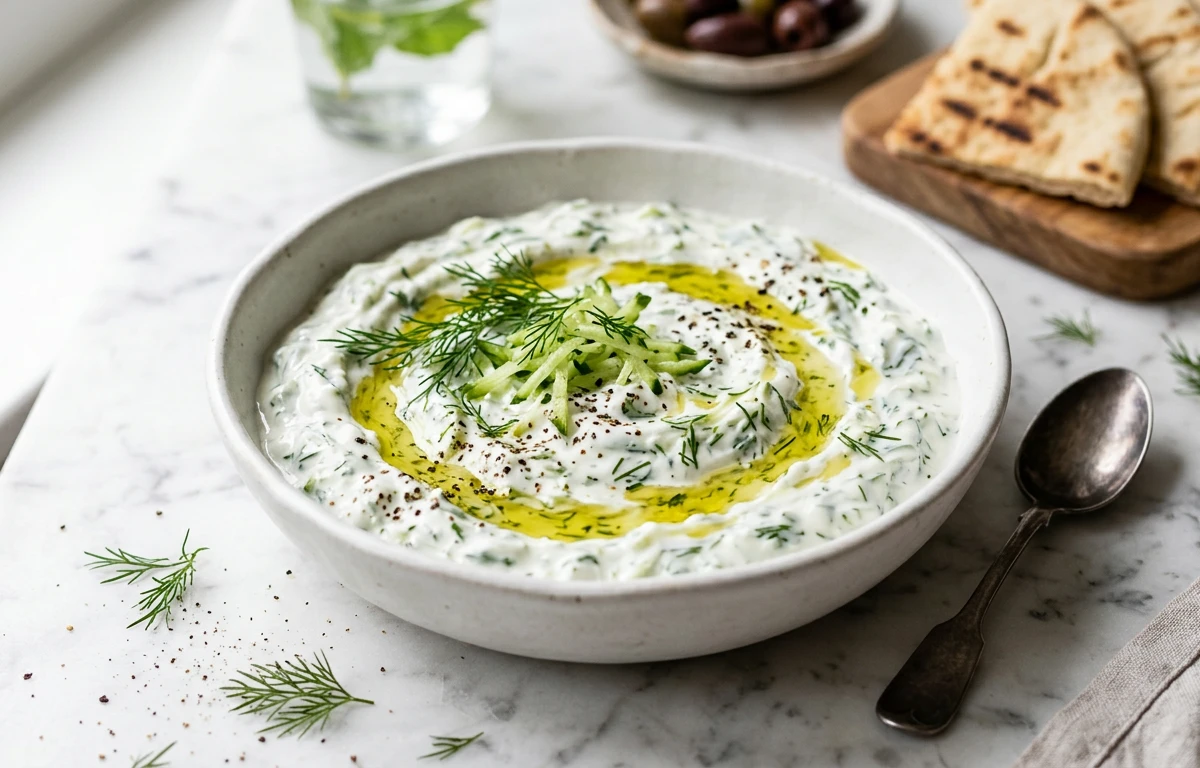
Three simple recipes that celebrate the cool, crisp nature of cucumber without weighing it down.
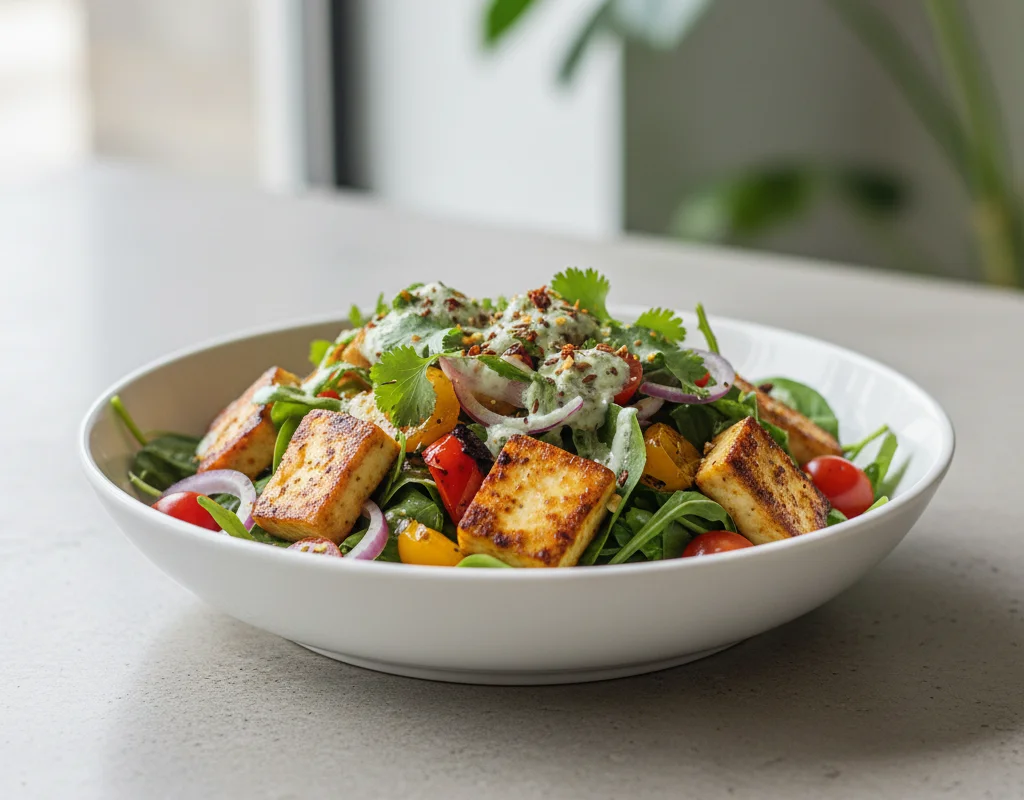
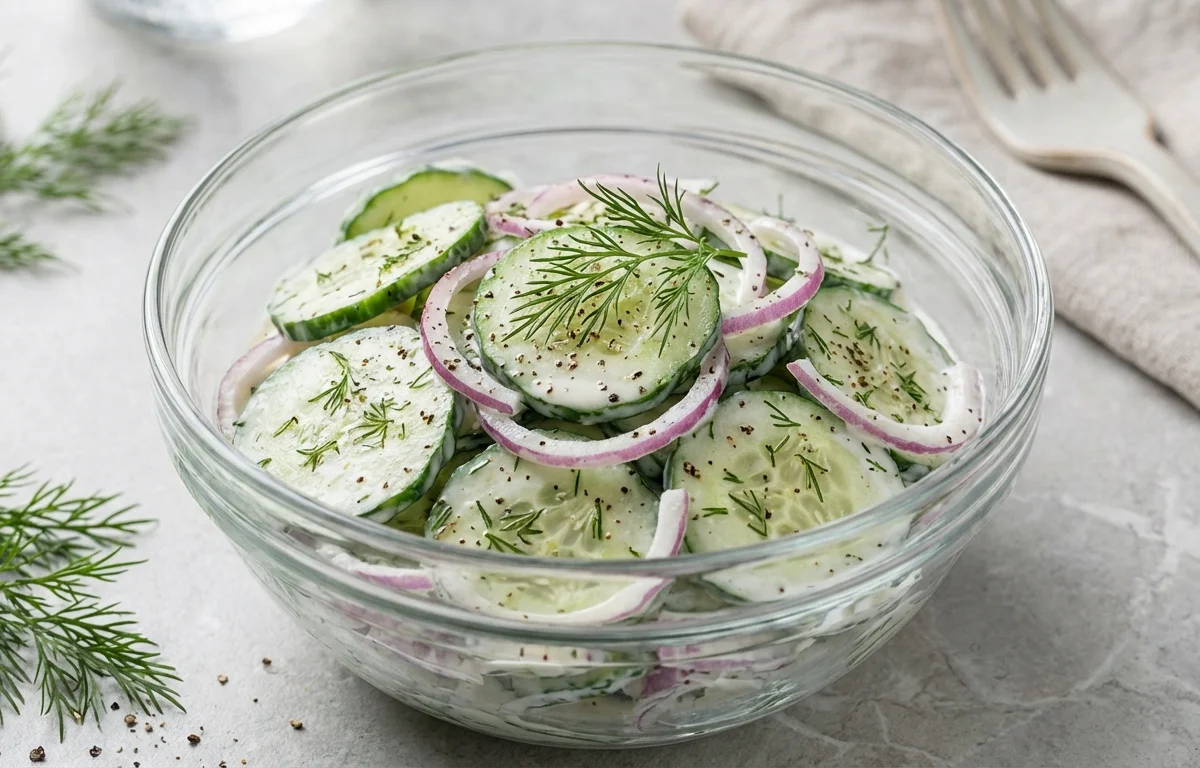
Want fresh, simple ingredients worked into a balanced week?
Our meal planner uses versatile vegetables like cucumber to build satisfying, low-calorie meals. Get your macros calculated, your portions set, and a single grocery list for the week.
Build my weekly plan →SOURCES & REFERENCES · 3
One more thing
Eating well is rarely about willpower. It’s about having a short list of dinners you actually want to eat. Pick two from this list. Make them next week. The rest will follow.
If you want these on autopilot, our weekly meal planner can drop the picks above into your calendar with one click and build a single grocery list from the merged ingredients.
FREQUENTLY ASKED QUESTIONS
Frequently asked questions
Is cucumber good for weight loss?
Yes, it's excellent for weight loss. It's very low in calories (about 15 per 100g) and high in water, which helps you feel full. It's a great way to add volume and crunch to meals without adding calories.
Can people with diabetes eat cucumber?
Absolutely. Cucumber is one of the best vegetables for people with diabetes. It has very few carbohydrates and an extremely low glycemic index, so it won't cause a spike in blood sugar.
Should you peel cucumbers?
It's better not to, if possible. The skin contains most of the cucumber's fiber and a significant amount of its vitamin K. However, some commercial cucumbers are waxed, and some people find the skin bitter or hard to digest. If you buy unwaxed or organic, a good wash is all you need.
Is it true cucumbers are just water?
While they are about 95% water, that's a good thing! Hydration is a critical bodily function. They also provide small but useful amounts of nutrients like vitamin K, plus some fiber (mostly in the skin). So no, they're not just water.
METHODOLOGY
How this article was created
Built using verified nutrition databases, culinary research, and traditional cooking knowledge — every claim is cross-referenced against the sources listed in the article.
· USDA data· Culinary research· Quality reviewed
Read our methodology →TRANSPARENCY
About this content
Articles are curated using trusted food databases (USDA FoodData Central, IFCT), culinary literature, and dietary guidelines, then structured by our editorial team for clarity, accuracy, and usefulness.
· Verified data sources· Culinary research· Quality reviewed
Read our editorial policy →RELATED RECIPES
Cook from this article
EXPLORE OUR MEALS
Meals that fit this article

AMERICAN · 1677 CAL
Almonds with Sliced Apple + supplement + iron

MEDITERRANEAN · 809 CAL
Greek Yogurt with Berries Almonds and Granola + supplement + iron

GENERAL_HEALTHY · 705 CAL
Banana with Peanut Butter Pregnancy + supplement + iron

MODERN · 982 CAL
Hummus with Crudits and Pita with Fresh Orange Snack + supplement + iron
TAGGED
KEEP READING