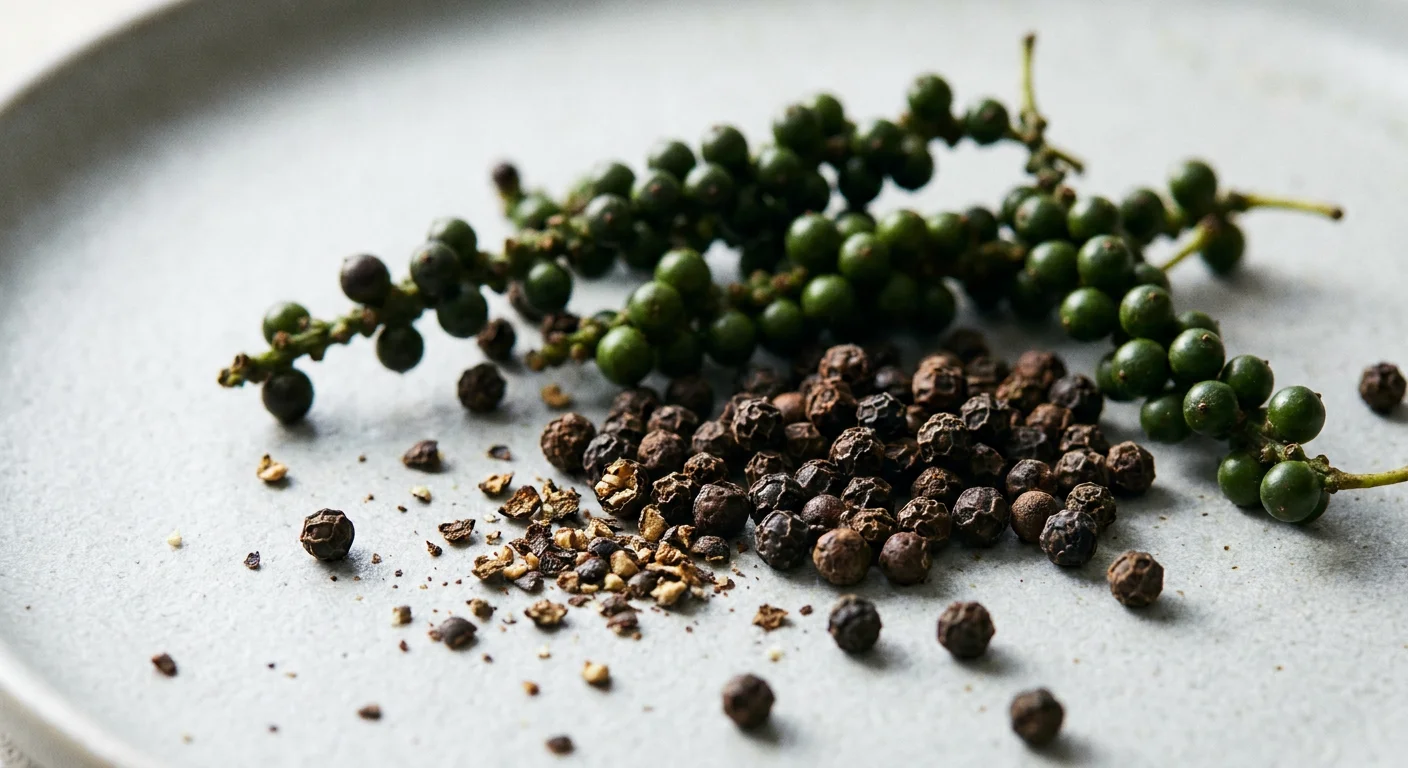
Most of us treat sesame seeds as a finishing touch — a pretty sprinkle on a bread roll or the top of a stir-fry. But that wildly underrates them. These tiny seeds are nutritional giants, packed with healthy fats, protein, and a startling amount of fiber. They're less of a garnish and more of a core ingredient, a crunchy, nutty addition that can genuinely shift the nutritional profile of a meal.
↑ More than a garnish — sesame seeds are a serious source of fiber and healthy fats.
The tiny nutritional giant
Toasting sesame seeds does something magical. It deepens their flavor from mild and grassy to rich, nutty, and complex. It also makes them one of the most versatile ingredients in my pantry. They're a non-negotiable part of a good hummus (as tahini), a brilliant coating for fish or tofu, and the perfect textural contrast for a soft avocado or a bowl of noodles.
But the real story is what's inside. A tablespoon or two, which is a realistic serving, delivers a surprising punch of protein, fiber, and heart-healthy fats with barely any impact on your blood sugar. It's time to stop thinking of them as decoration and start seeing them as a functional food.
IN ONE LINE
Sesame seeds are mostly fat and protein with a huge dose of fiber, making them incredibly low-impact on blood sugar and a perfect fit for low-carb and keto diets.
Sesame seed nutrition facts
The nutrition data is usually for a large 100-gram serving, which is far more than you'd ever eat at once (it's over half a cup!). But it shows the profile of the seed: it's mostly fat, with significant protein and fiber. A more realistic serving is 1-2 tablespoons.
Look at that fiber! At nearly 12 grams per 100g, sesame seeds are a fantastic source. This, combined with the high fat and protein content, is why they are so filling and have such a minimal effect on blood sugar. The net carbohydrate (total carbs minus fiber) is very low, making them a star performer in low-carb and ketogenic diets.
Sesame's glycemic index
While there's no official, universally agreed-upon glycemic index number for whole sesame seeds, we don't really need one. Based on their composition — extremely low in sugar and high in fiber, fat, and protein — their GI is negligible. Any carbohydrates they contain are released incredibly slowly. For all practical purposes, they are a very low-GI food that will not spike blood sugar.
GLYCEMIC INDEX · SESAME vs COMMON FOODS
Sesame seeds have a minimal blood sugar impact
Sesame Seeds
estimated
LOW
Apple
whole fruit
LOW
Mango
whole fruit
LOW
White bread
refined
HIGH
Cornflakes
refined
HIGH
SCALE 0–90
04590
How to actually use them
Getting more sesame into your diet is easy. A small jar of toasted seeds in the pantry is a game-changer. Here are a few daily habits.
01
Sprinkle generously.
Don't be shy. Add a tablespoon to salads, roasted vegetables (especially broccoli and green beans), avocado toast, and noodle bowls.
02
Make a simple tahini sauce.
Whisk tahini (sesame paste) with lemon juice, garlic, and a little water. It's a perfect dressing for salads, falafel, or roasted veggies.
03
Use as a crust.
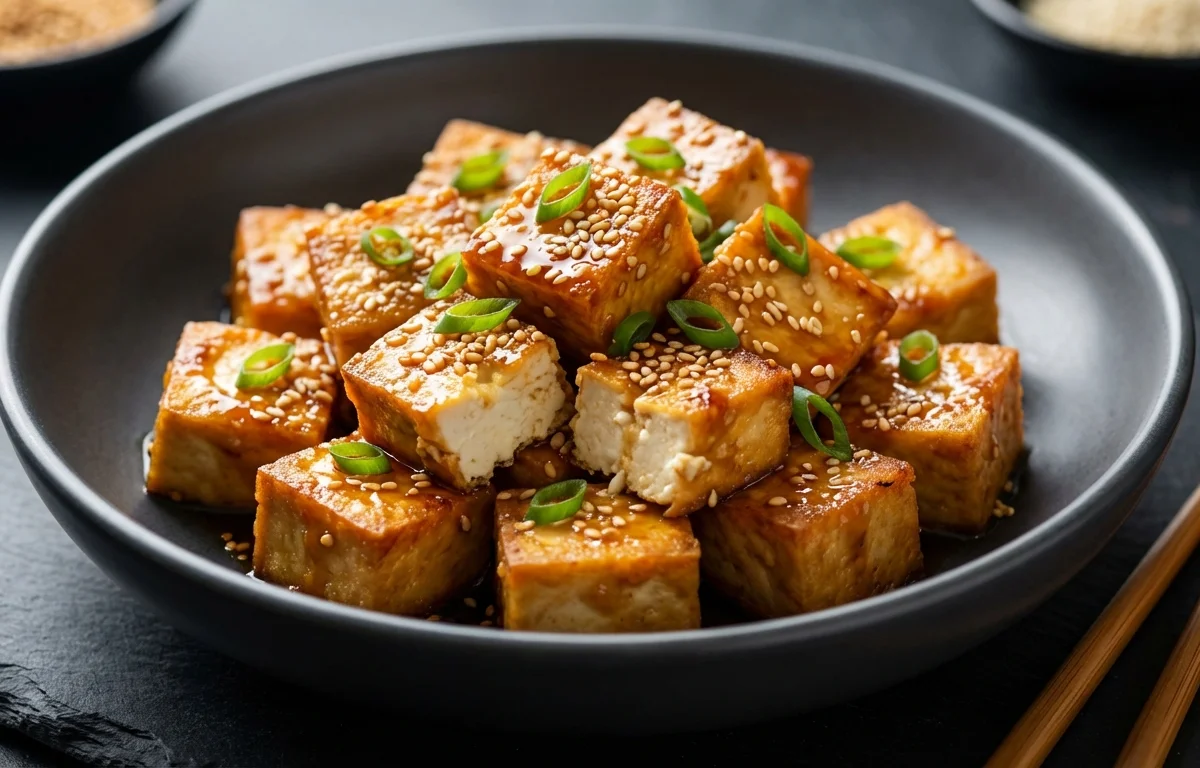
Press salmon fillets, chicken breast, or tofu steaks into a plate of sesame seeds before pan-frying or baking for a crunchy, flavorful crust.
04
Blend into smoothies.
A tablespoon of tahini or whole seeds adds creaminess, protein, and healthy fats to your morning smoothie, helping to keep you full longer.
05
Buy good tahini.
Not all tahini is created equal. Look for a brand that is smooth, runny, and not too bitter. It should taste nutty and rich, not chalky.
What sesame seeds are good for
01
Excellent for blood sugar control
With very few net carbs and high amounts of fiber, protein, and fat, sesame seeds have a minimal impact on blood glucose, making them ideal for managing diabetes.
Low
GI
02
Supports heart health
They are rich in monounsaturated and polyunsaturated fats. They also contain lignans and phytosterols, plant compounds that can help lower cholesterol.
49.7g
fat/100g
03
A fantastic source of fiber
A 100g serving packs 11.8g of fiber, which is crucial for digestive health, feeding good gut bacteria, and promoting feelings of fullness.
11.8g
fiber/100g
04
Rich in plant-based protein
With 17 grams of protein per 100g, sesame seeds are a great way to boost the protein content of vegetarian and vegan meals.
17g
protein/100g
What to pair sesame with
The nutty, toasty flavor of sesame is a brilliant partner for both savory and slightly sweet foods. It adds richness and a satisfying crunch.
Eat freely — or be mindful?
Three ways to eat them
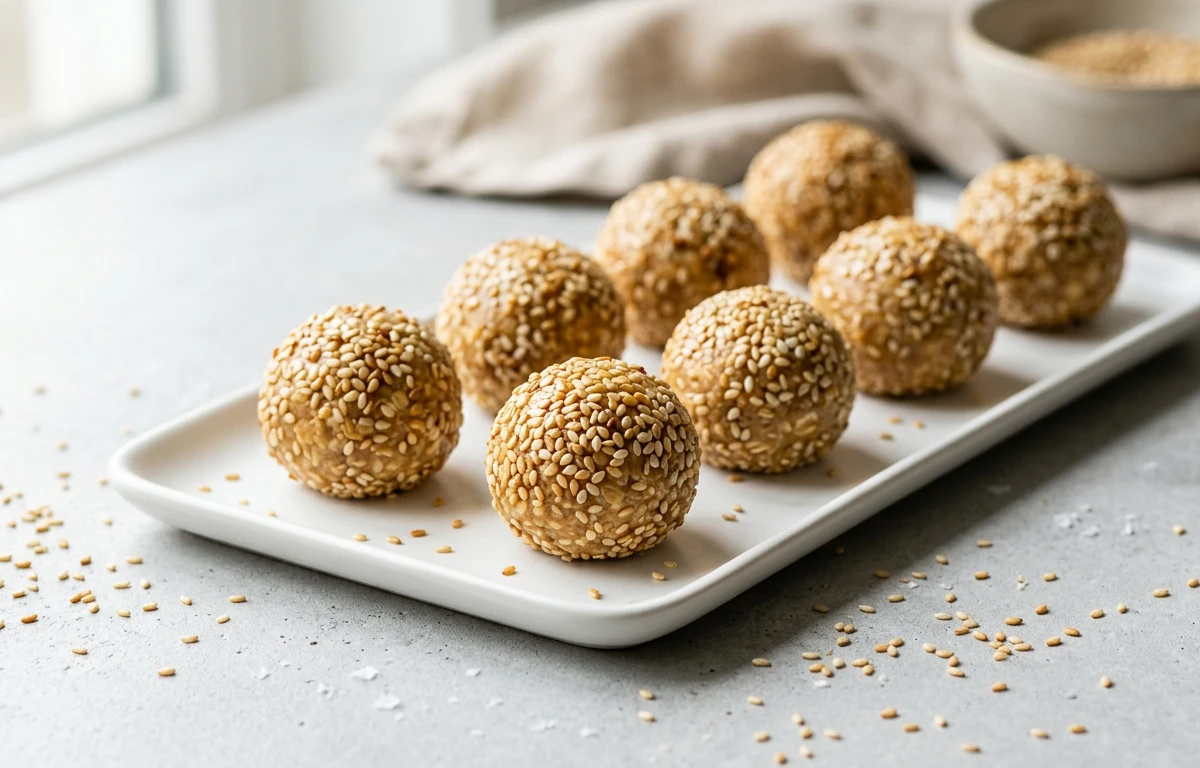
Go beyond a simple sprinkle with these three recipes that put sesame seeds and their paste, tahini, at the center.

Want powerful ingredients like sesame worked into a balanced week?
Our meal planner uses nutrient-dense foods like seeds and nuts to build satisfying, low-sugar meals. We handle the portions and macros, you get a simple plan and a single grocery list.
Build my weekly plan →SOURCES & REFERENCES · 3
One more thing
Eating well is rarely about willpower. It’s about having a short list of dinners you actually want to eat. Pick two from this list. Make them next week. The rest will follow.
If you want these on autopilot, our weekly meal planner can drop the picks above into your calendar with one click and build a single grocery list from the merged ingredients.
FREQUENTLY ASKED QUESTIONS
Frequently asked questions
Are sesame seeds good for weight loss?
They can be. While they are high in calories, their combination of protein, fiber, and healthy fats is very satiating, which can help you eat less overall. The key is moderation — use a tablespoon or two as a flavor and nutrition booster, don't eat them by the handful.
Are sesame seeds keto-friendly?
Yes, extremely. They are high in fat and very low in net carbohydrates, making them a perfect food for a ketogenic diet. Tahini, made from sesame seeds, is also a keto staple.
Is tahini as healthy as whole sesame seeds?
Mostly, yes. Tahini is simply ground sesame seeds. It retains the healthy fats, protein, and minerals. Some of the fiber may be reduced if it's made from hulled (peeled) seeds, but it's still a very healthy choice. Look for brands with just one ingredient: sesame seeds.
What's a normal serving size for sesame seeds?
A typical serving is one to two tablespoons (about 9-18 grams). The nutrition information is often listed for 100 grams for standardization, but that is an unrealistically large portion to eat in one sitting.
METHODOLOGY
How this article was created
Built using verified nutrition databases, culinary research, and traditional cooking knowledge — every claim is cross-referenced against the sources listed in the article.
· USDA data· Culinary research· Quality reviewed
Read our methodology →TRANSPARENCY
About this content
Articles are curated using trusted food databases (USDA FoodData Central, IFCT), culinary literature, and dietary guidelines, then structured by our editorial team for clarity, accuracy, and usefulness.
· Verified data sources· Culinary research· Quality reviewed
Read our editorial policy →RELATED RECIPES
Cook from this article
EXPLORE OUR MEALS
Meals that fit this article

AMERICAN · 1677 CAL
Almonds with Sliced Apple + supplement + iron

MEDITERRANEAN · 809 CAL
Greek Yogurt with Berries Almonds and Granola + supplement + iron

GENERAL_HEALTHY · 705 CAL
Banana with Peanut Butter Pregnancy + supplement + iron

MODERN · 982 CAL
Hummus with Crudits and Pita with Fresh Orange Snack + supplement + iron
TAGGED
KEEP READING