
Loading...
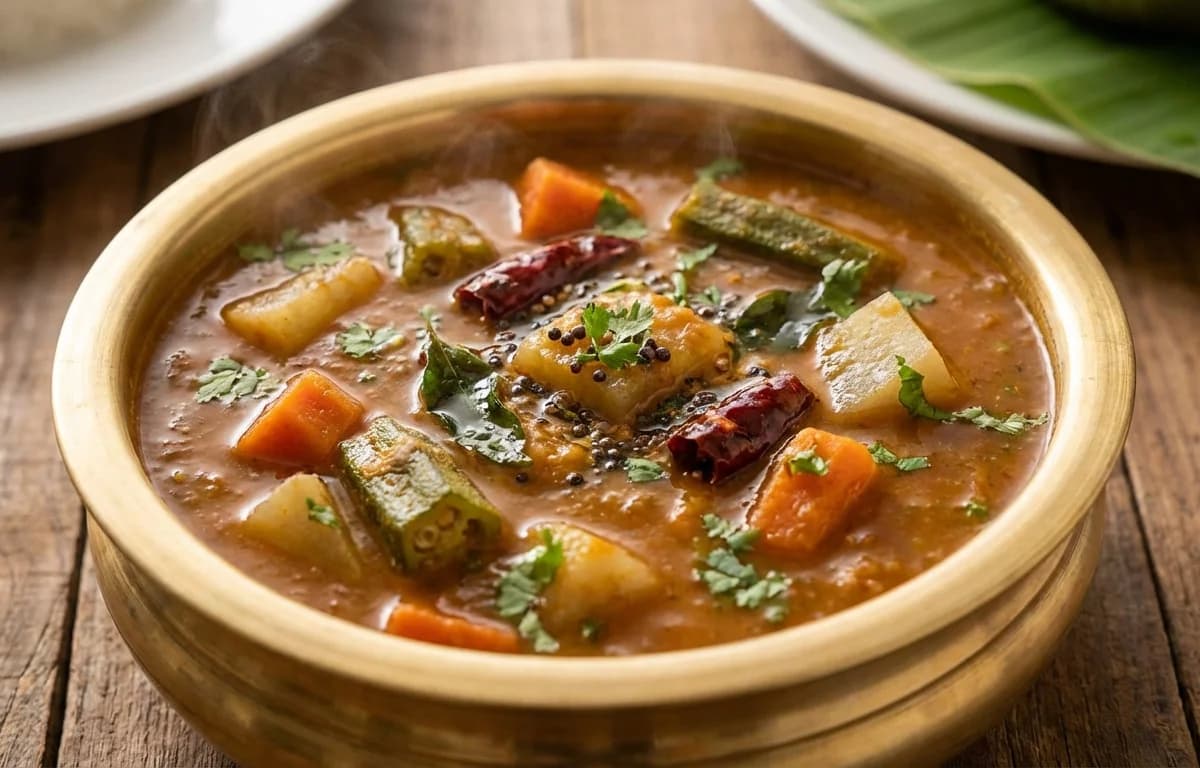
A fragrant and hearty South Indian lentil stew packed with a medley of fresh vegetables. The freshly ground coconut and spice masala gives this temple-style sambar its unique, rich flavor, perfect with rice or idli.
For 4 servings
Cook the Toor Dal
Prepare the Fresh Masala Paste
A fragrant and hearty South Indian lentil stew packed with a medley of fresh vegetables. The freshly ground coconut and spice masala gives this temple-style sambar its unique, rich flavor, perfect with rice or idli.
This south_indian recipe takes 55 minutes to prepare and yields 4 servings. At 351.42 calories per serving with 13.48g of protein, it's a moderately challenging recipe perfect for lunch or dinner.
Discover authentic recipes from cuisines around the world.
Find recipes that fit your dietary preferences.
Find recipes optimized for your goal.
Cook the Vegetables
Combine and Simmer the Sambar
Prepare the Tempering (Tadka)
Garnish and Serve
For a faster alternative, skip roasting and grinding the fresh masala. Instead, use 2-3 tablespoons of a good quality store-bought sambar powder. Add it along with the tamarind water in Step 3.
Feel free to use other vegetables like okra (bhindi), white radish (mooli), or ash gourd. If using okra, sauté it in a little oil separately before adding to the pot to prevent it from becoming slimy.
For a lighter, non-creamy version, you can omit the coconut from the masala. The sambar will have a different texture but will still be delicious.
You can make this sambar with a mix of toor dal and moong dal (split yellow lentils) for a different flavor and texture.
Toor dal provides a significant amount of protein, which is essential for muscle repair, growth, and overall body function, making it an excellent choice for vegetarians and vegans.
The combination of lentils and a wide variety of vegetables makes this dish high in fiber. Fiber aids digestion, promotes a feeling of fullness, and helps regulate blood sugar levels.
The medley of vegetables like pumpkin, drumsticks, and carrots supplies essential vitamins (like A and C) and minerals (like potassium and iron), which help boost immunity and overall health.
Spices like turmeric, coriander, and fenugreek seeds used in the masala have natural anti-inflammatory and antioxidant properties that help combat oxidative stress in the body.
Kadamba Sambar is a traditional South Indian, temple-style sambar known for its unique flavor from a freshly ground masala of roasted spices and coconut. The name 'Kadambam' means 'mixture' or 'medley', referring to the wide variety of vegetables used.
Yes, it is very healthy. It's packed with plant-based protein from lentils, fiber from vegetables, and beneficial compounds from spices like turmeric. It's a well-balanced and nutritious dish.
One serving of Kadamba Sambar (approximately 1 cup or 350g) contains around 220-260 calories, depending on the amount of oil/ghee and the specific vegetables used.
Absolutely. For a 'satvik' or no-onion version, simply omit the sambar onions. The flavor will be slightly different but still authentic and delicious.
Leftover sambar can be stored in an airtight container in the refrigerator for up to 3 days. The flavor often improves overnight. Reheat gently on the stovetop before serving.
Bitterness in sambar is usually caused by burning the spices while roasting the masala, especially the fenugreek seeds (methi). Always roast on a low flame and stir continuously to prevent this.
This recipe goes great with these complete meals

A warm, savory breakfast dish made from roasted semolina and simple spices. This quick, comforting, and classic South Indian tiffin item is soft, fluffy, and ready in under 30 minutes.
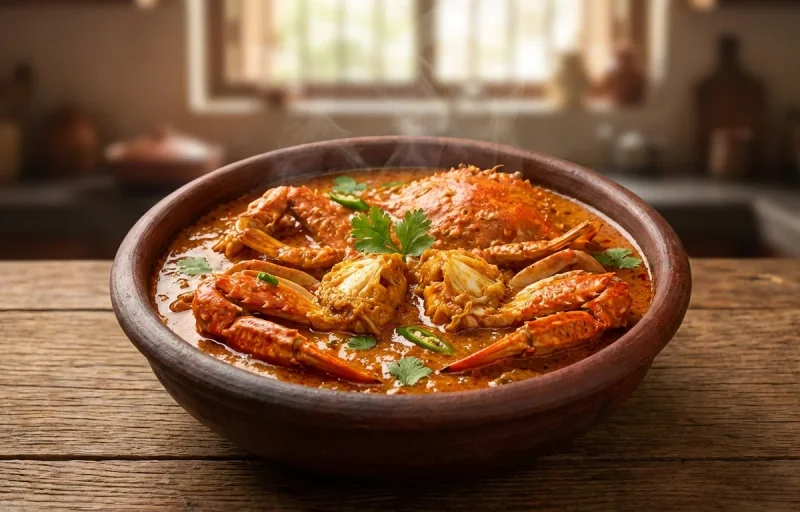
A fiery and tangy Mangalorean crab curry made with a freshly ground coconut and roasted spice masala. This coastal Karnataka specialty bursts with flavor and is best enjoyed with steamed rice or neer dosa.
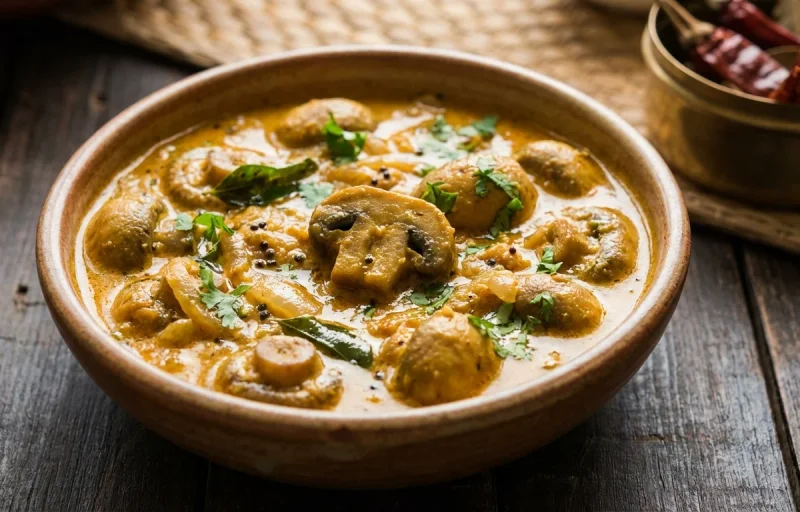
A classic Mangalorean curry featuring earthy mushrooms in a rich, tangy gravy made from roasted spices and fresh coconut. This flavorful dish, known as 'Anabe Gashi', pairs perfectly with steamed rice or neer dosa for a comforting South Indian meal.

A traditional Konkani curry made with tender raw jackfruit simmered in a fragrant, tangy coconut masala. This authentic dish from the Mangalorean coast offers a unique blend of sweet, sour, and spicy flavors, perfect with steamed rice.
