Let's be honest, cauliflower used to be the boring one. The pale, slightly sulfurous vegetable you'd boil into submission and hide under cheese sauce. Not anymore. Now it's cauliflower rice, cauliflower pizza crust, cauliflower gnocchi... it's become the low-carb chameleon of the vegetable world. But is the hype deserved? Mostly, yes. It's incredibly low in calories and carbs, packed with fiber and vitamin C, and has a glycemic index so low it's barely a blip.
↑ Cauliflower's real strength: it's a blank canvas for flavor.
The low-carb chameleon
Cauliflower's rise to fame is all about what it isn't: it isn't a carb. It has a neutral, slightly nutty flavor and a texture that, when cooked and blitzed, can mimic everything from mashed potatoes to pizza dough. This makes it a fantastic, low-calorie vehicle for other flavors. But don't mistake it for just a filler. On its own, it's a nutritional powerhouse hiding in plain sight.
IN ONE LINE
Extremely low-calorie and low-carb, cauliflower is a high-fibre, vitamin C-rich vegetable that works as a stand-in for grains and potatoes without spiking blood sugar.
Cauliflower nutrition facts
Here's the nutritional breakdown for a 100-gram serving of raw cauliflower, which is about one cup of florets.
The numbers speak for themselves. Almost no calories, fat, or carbs. What you get instead is a solid dose of fiber and a surprising blast of vitamin C — over half of your daily needs in just one cup. It's more C than you'd get from a small orange.
The ultimate low-carb swap?
This is cauliflower's main claim to fame, and it's entirely justified. With just 2 grams of net carbs (that's total carbs minus fiber) per 100g, it's one of the most keto-friendly vegetables you can eat. Compare that to the 28g of carbs in a cup of cooked rice or the 23g in a cup of mashed potatoes, and you can see why it's become the go-to substitute. It doesn't taste identical, of course, but it does a great job of providing the bulk and texture of starches without the carbs or the blood sugar impact.
WATCH OUT
Don't fall for the 'cauliflower everything' trap. While the vegetable is healthy, cauliflower pizza crusts and gnocchi can be loaded with cheese, starches, and oils that negate the benefits.
Cauliflower's glycemic index
Glycemic index (GI) ranks foods on how they affect blood sugar. Anything under 55 is low. While cauliflower doesn't have an official, widely-cited GI number (it's too low in carbs to test properly), it's considered very low GI. Its glycemic load, which factors in the small portion of carbs, is close to zero. For all practical purposes, cauliflower does not raise blood sugar, making it an excellent food for blood sugar management.
GLYCEMIC INDEX · CAULIFLOWER vs COMMON FOODS
Cauliflower's glycemic impact is minimal
Cauliflower
non-starchy veg
LOW
Apple
whole fruit
LOW
Pineapple
whole fruit
MEDIUM
White bread
refined
HIGH
Cornflakes
refined
HIGH
SCALE 0–90
04590
How to cook it right
Cauliflower is a blank slate, which is both a blessing and a curse. Here's how to make it delicious without drowning it in fat and calories.
01
Roast it high and hot.
Toss florets in a little olive oil and spices and roast at 425°F (220°C) until browned and caramelized. This brings out its nutty sweetness and is, in my opinion, the best way to eat it.
02
Don't boil it.
Boiling leaches out water-soluble nutrients (like that precious vitamin C) and turns it into a mushy, sulfurous mess. If you must, steam it lightly instead.
03
Embrace the whole head.
The leaves and core are perfectly edible! Chop them finely and sauté them, or toss them into the roasting pan with the florets.
04
Watch the add-ons.
A cup of plain cauliflower is 23 calories. A cup of cauliflower smothered in a rich three-cheese sauce can be over 400. The cauliflower isn't the problem; the company it keeps is.
05
Use it raw.
Finely chopped raw cauliflower makes a great crunchy, grain-free base for salads like tabbouleh, or use whole florets for dipping in hummus.
What cauliflower is good for
01
Excellent for weight management
It's incredibly filling for so few calories, thanks to its high water and fiber content. It's a classic 'high-volume' food.
23
cal / 100g
02
Supports stable blood sugar
With almost no digestible carbs, it has a minimal impact on blood glucose, making it a fantastic choice for people with diabetes or insulin resistance.
2g
net carbs
03
A big vitamin C boost
A single serving provides over half your daily vitamin C, which is crucial for immune function and skin health.
52%
vit C DV
04
Rich in antioxidants
As a cruciferous vegetable, it contains glucosinolates and sulforaphane, compounds linked to anti-inflammatory and protective health benefits.
Sulforaphane
antioxidant
05
Promotes digestive health
The 3.7 grams of fiber per serving help feed beneficial gut bacteria and promote regular bowel movements.
3.7g
fiber
What to pair it with
Cauliflower's mildness is its strength. It takes on the flavor of whatever you pair it with. Think of it as a canvas.
Eat freely — or be mindful?
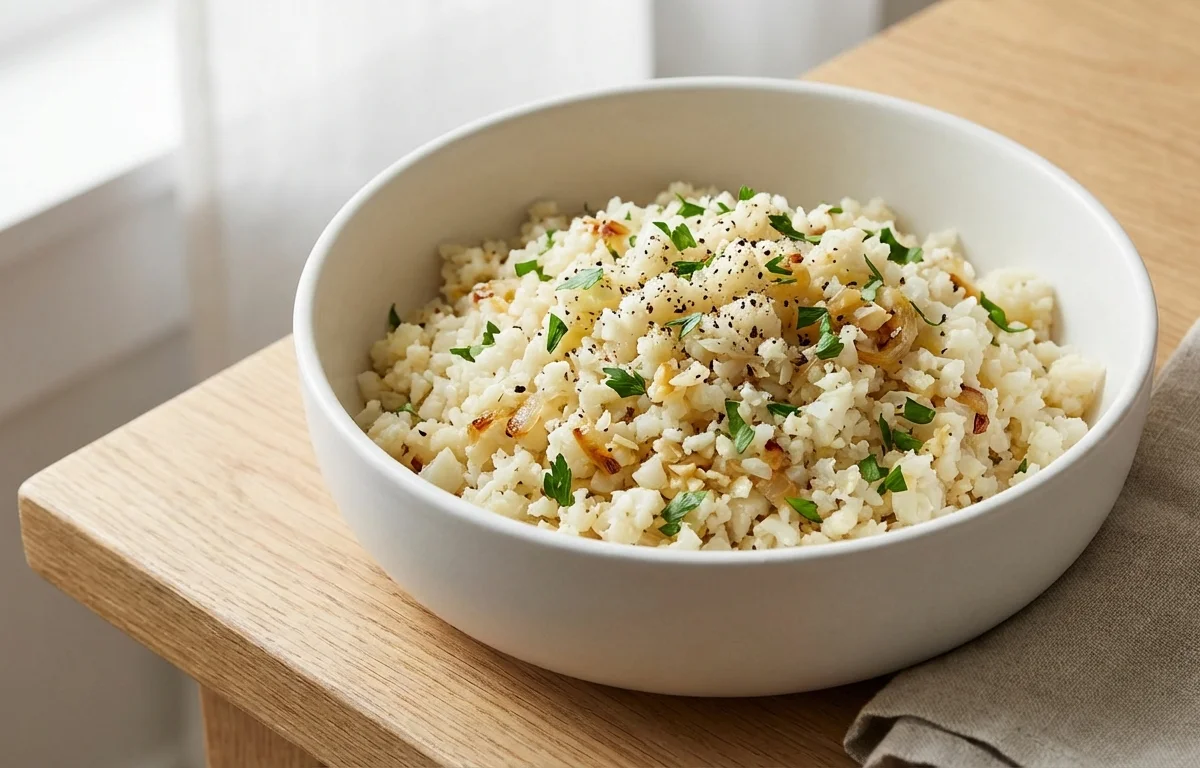
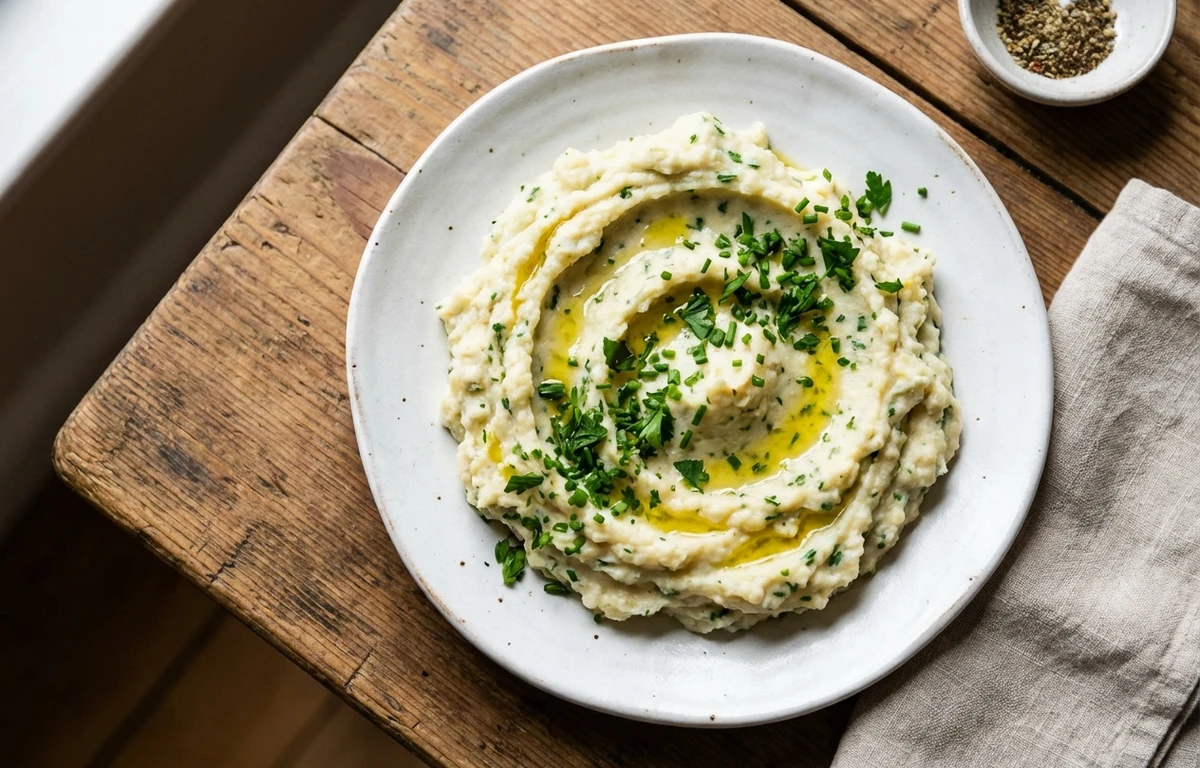
Three simple ways to use it
Beyond basic steaming, here are three easy recipes that show off cauliflower's versatility.
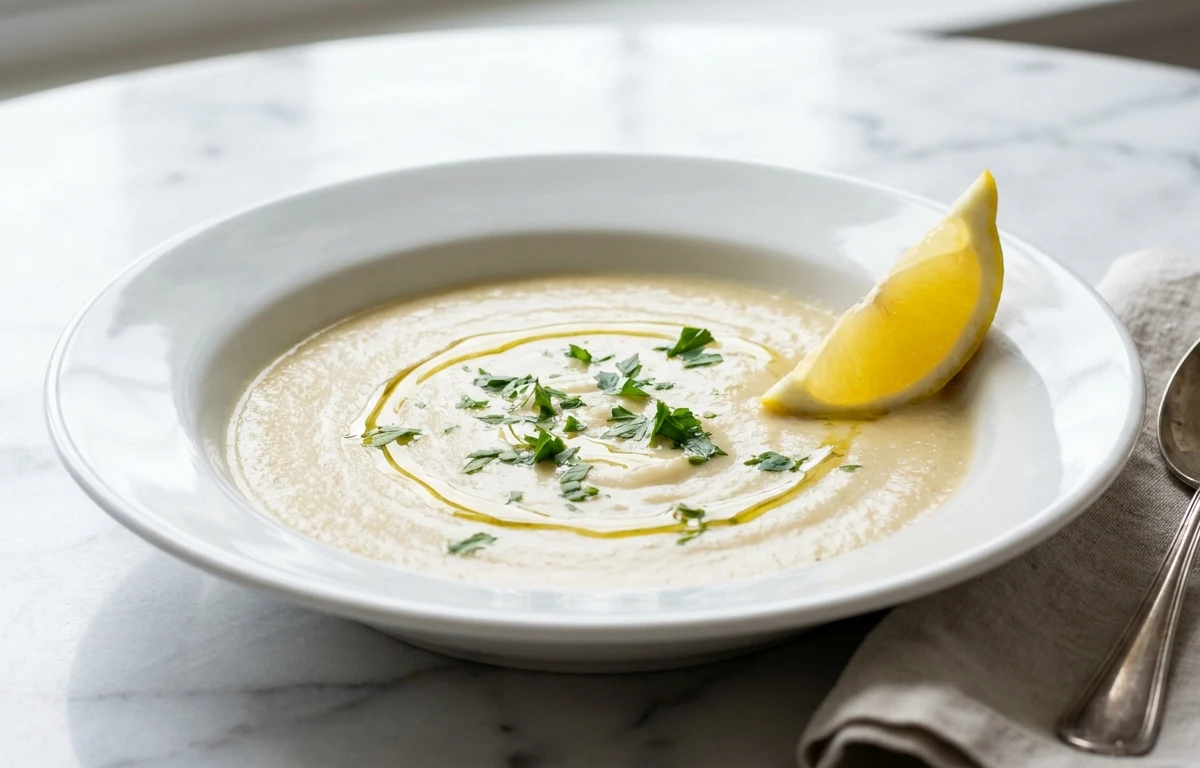
Want more low-carb vegetables worked into a balanced week?
Our meal planner can build you a plan rich in non-starchy vegetables like cauliflower, paired with protein and healthy fats for steady energy. Portions and macros are already calculated, with a single grocery list at the end.
Build my weekly plan →SOURCES & REFERENCES · 3
One more thing
Eating well is rarely about willpower. It’s about having a short list of dinners you actually want to eat. Pick two from this list. Make them next week. The rest will follow.
If you want these on autopilot, our weekly meal planner can drop the picks above into your calendar with one click and build a single grocery list from the merged ingredients.
FREQUENTLY ASKED QUESTIONS
Frequently asked questions
Is cauliflower good for weight loss?
Yes, it's fantastic for weight loss. It's very low in calories but high in fiber and water, which helps you feel full. Using it to replace higher-calorie starches like rice and potatoes is an effective strategy.
Is cauliflower really keto-friendly?
Absolutely. With only about 2 grams of net carbs per 100g serving, it's one of the most popular and versatile vegetables on a ketogenic diet.
Why does cauliflower sometimes cause gas and bloating?
Cauliflower is high in fiber and contains raffinose, a type of carbohydrate that can be hard for some people to digest. When bacteria in the large intestine ferment these compounds, it can produce gas. If you're sensitive, start with small portions and make sure it's well-cooked.
Is raw or cooked cauliflower healthier?
Both are healthy. Raw cauliflower retains slightly more of its heat-sensitive nutrients like vitamin C. However, cooking can make it easier to digest and may even enhance the availability of certain antioxidants. The best method is light steaming or roasting, and avoid boiling.
METHODOLOGY
How this article was created
Built using verified nutrition databases, culinary research, and traditional cooking knowledge — every claim is cross-referenced against the sources listed in the article.
· USDA data· Culinary research· Quality reviewed
Read our methodology →TRANSPARENCY
About this content
Articles are curated using trusted food databases (USDA FoodData Central, IFCT), culinary literature, and dietary guidelines, then structured by our editorial team for clarity, accuracy, and usefulness.
· Verified data sources· Culinary research· Quality reviewed
Read our editorial policy →RELATED RECIPES
Cook from this article
EXPLORE OUR MEALS
Meals that fit this article

AMERICAN · 1677 CAL
Almonds with Sliced Apple + supplement + iron

MEDITERRANEAN · 809 CAL
Greek Yogurt with Berries Almonds and Granola + supplement + iron

GENERAL_HEALTHY · 705 CAL
Banana with Peanut Butter Pregnancy + supplement + iron

MODERN · 982 CAL
Hummus with Crudits and Pita with Fresh Orange Snack + supplement + iron
TAGGED
KEEP READING