Dietary Lifestyle · 6 MIN READ
Meals Without Added Salt That People Actually Enjoy
Seven low-sodium dinners built on browning, acid, and aromatics, with the AHA 2,300/1,500 mg targets, FDA label rules, and the 8-12 week taste-adaptation…
Loading...
Seven low-sodium dinners built on browning, acid, and aromatics, with the AHA 2,300/1,500 mg targets, FDA label rules, and the 8-12 week taste-adaptation…
Most Americans eat about 3,300 mg of sodium per day, well above the 2,300 mg upper limit set by the federal Dietary Guidelines and the American Heart Association's optimal target of 1,500 mg for most adults [1][2]. The CDC estimates that more than 70% of that sodium comes from packaged and restaurant foods, not the salt shaker [2]. That is the practical problem this collection tries to solve: how to build dinners at home that are low in sodium without tasting like a compromise.
A few definitions are worth getting right up front. The FDA's 'low sodium' label means 140 mg or less per serving. 'Very low sodium' means 35 mg or less. 'No salt added' or 'unsalted' is a processing claim - it means no salt was added during manufacture, but the food itself may still contain naturally occurring sodium [3]. A no-salt-added canned tomato is genuinely useful; a no-salt-added bouillon cube can still carry meaningful sodium from yeast extracts or vegetable powders.
The taste-bud claim you may have heard - that food stops feeling bland after a few weeks - has reasonable evidence behind it. In a controlled study, Bertino and colleagues found that adults who reduced sodium intake for about 8-12 weeks rated previously preferred salt concentrations as too salty, and their preferred level in soup and crackers dropped over the same window [4]. Mattes' later work confirmed the pattern but stressed that adaptation is partial and variable from person to person [5]. The meals here are built to make that adaptation period livable rather than a willpower exercise. None of this replaces a clinician-set sodium target, particularly for adults with hypertension, heart failure, or CKD.
Salt often gets credit for flavor when it’s actually doing something else: masking what’s missing. When meals lack browning, acidity, aromatics, or texture, salt becomes the fallback. Many everyday meals rely heavily on packaged sauces, seasoning blends, or pre-seasoned ingredients. These shortcuts make food taste intense quickly, but they also remove control and variety from home cooking. Enjoyment matters. If meals aren’t satisfying, they won’t last as habits. Meals without added salt work best when they’re designed to be enjoyable from the start—using cooking methods and ingredients that naturally create depth and balance, rather than trying to “fix” food at the end.
Cooking without added salt is mostly a matter of replacing one shortcut with several techniques: browning, acid, aromatics, and a final fresh note. The sodium numbers most adults are aiming for - 2,300 mg/day per the federal cap, 1,500 mg/day per the AHA optimum - are achievable when the bulk of the day's food is cooked from raw ingredients [1]. Expect taste preferences to drift over roughly 8-12 weeks of consistent restriction; until then, lean harder on lemon, vinegar, garlic, herbs, and a small pinch of salt added at the table rather than during cooking [4][5]. If you take an ACE inhibitor, ARB, or potassium-sparing diuretic, do not reach for potassium-chloride salt substitutes (Lite Salt, NoSalt, Morton Salt Substitute) without clearing them with your clinician first - they can push potassium into a dangerous range [6].

Kayte is a nutrition writer, food and recipe content creator, and wellness educator. She bridges evidence-based nutrition science with everyday cooking — translating research into practical recipes, meal ideas, and wellness habits that readers can actually use in their kitchens.
Meet the editorial team →Built using verified nutrition databases, culinary research, and traditional cooking knowledge — every claim is cross-referenced against the sources listed in the article. Last reviewed May 2026.
Articles are curated using trusted food databases (USDA FoodData Central, IFCT), culinary literature, and dietary guidelines, then structured by our editorial team for clarity, accuracy, and usefulness.
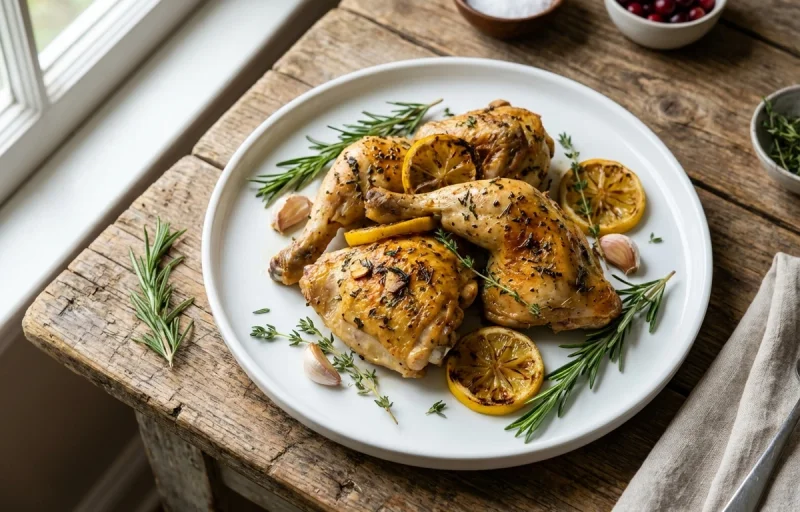
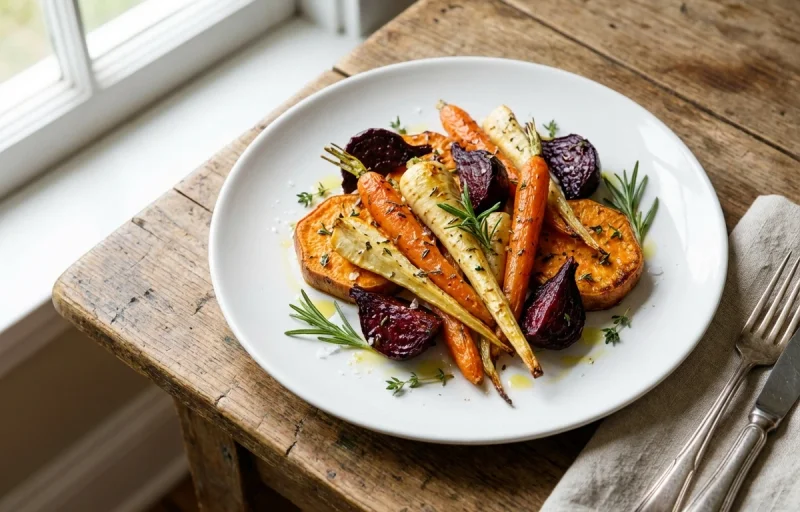
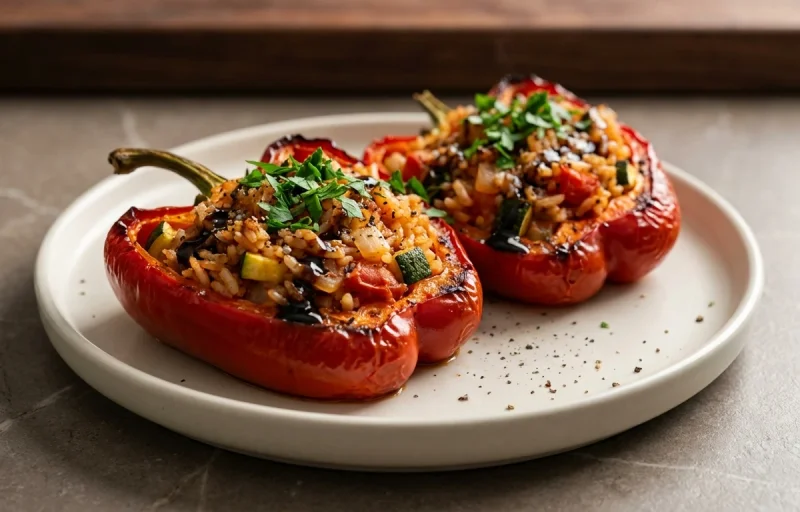
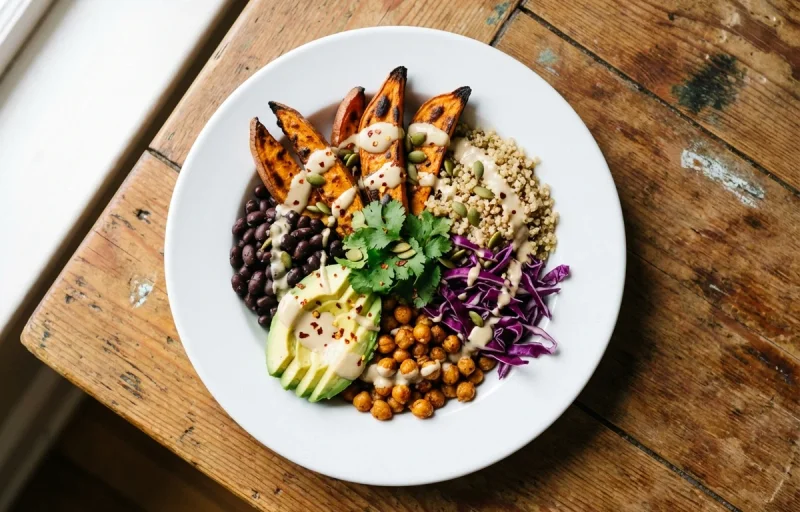
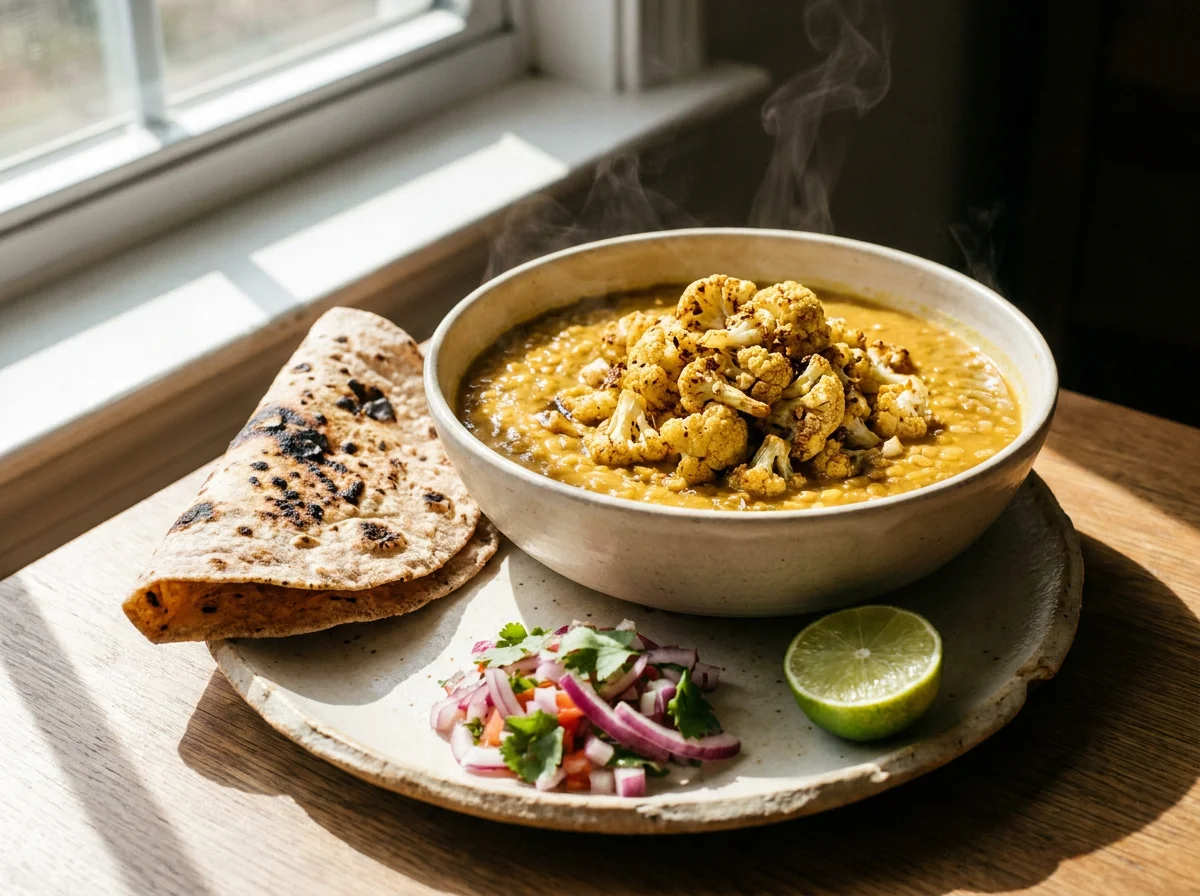
This meal is the cornerstone of flavorful low-sodium cooking. The roasting process creates browning (the Maillard reaction), which develops hundreds of rich flavor compounds, making salt unnecessary for a satisfying taste.
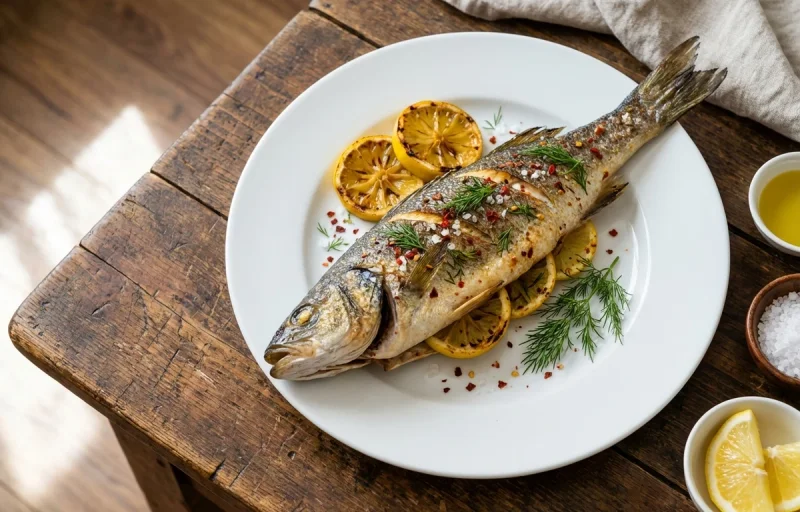
Grilling is another excellent technique for developing flavor without salt. The high, direct heat creates a charred, smoky exterior on the fish that contrasts beautifully with its tender interior, while fresh lemon and herbs provide a clean finish.
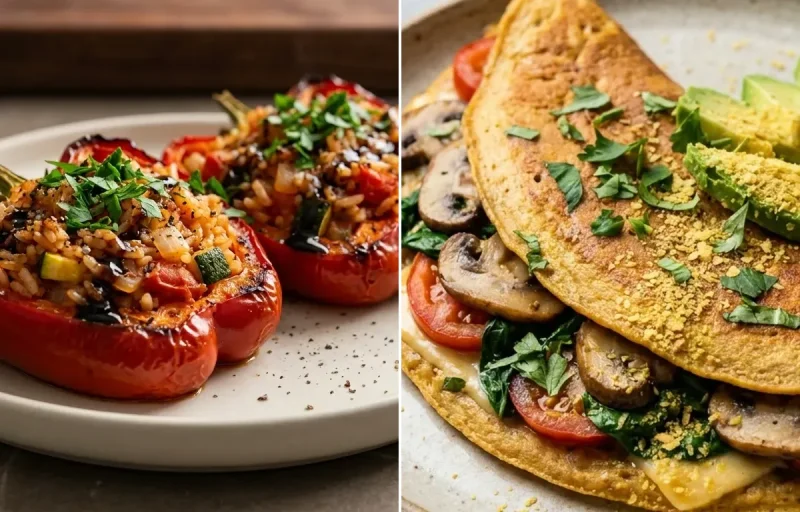
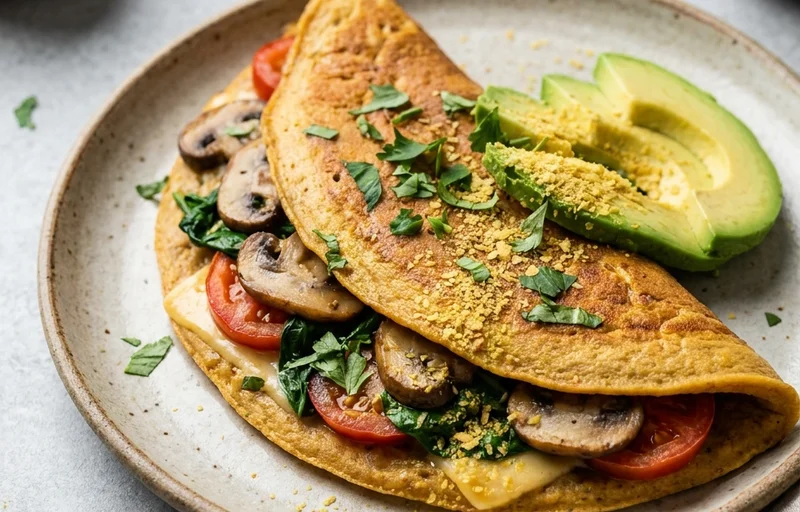
1 pcs Stuffed Bell Peppers · 1 piece Vegan Chickpea Flour Omelette
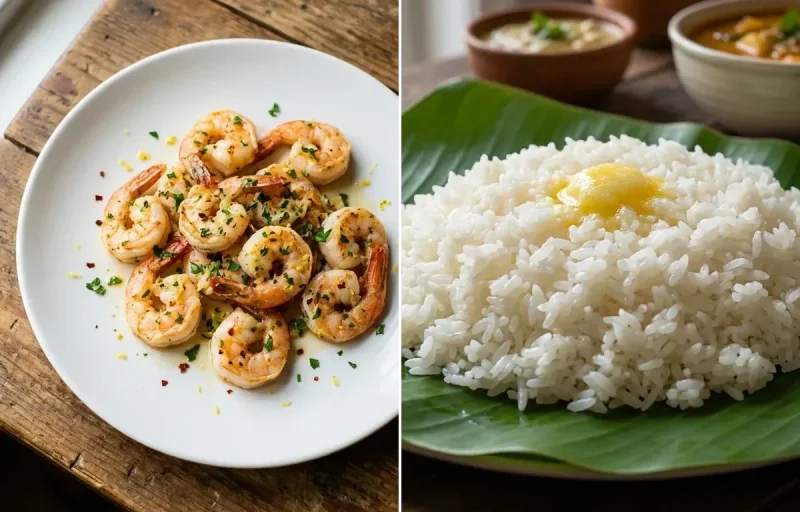
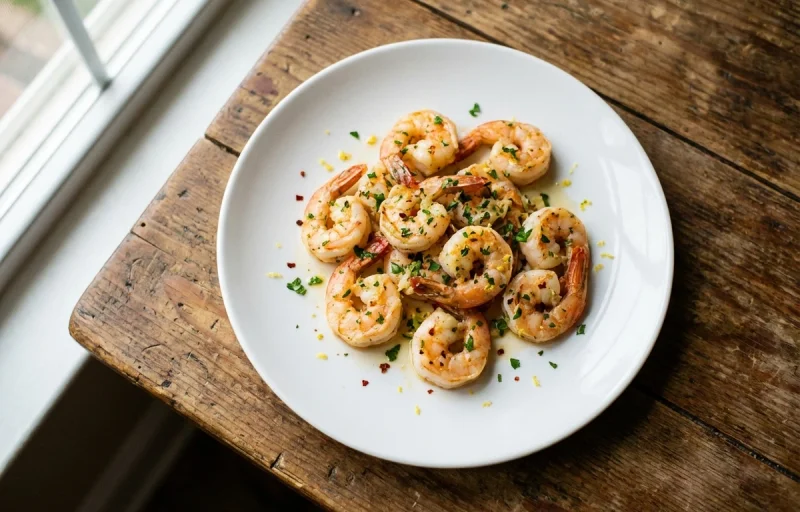
This meal proves that bold flavor can be achieved in minutes without salt. The combination of intense garlic, a bit of heat from chili flakes, and the bright acidity of lemon creates a dynamic and delicious sauce for the shrimp.