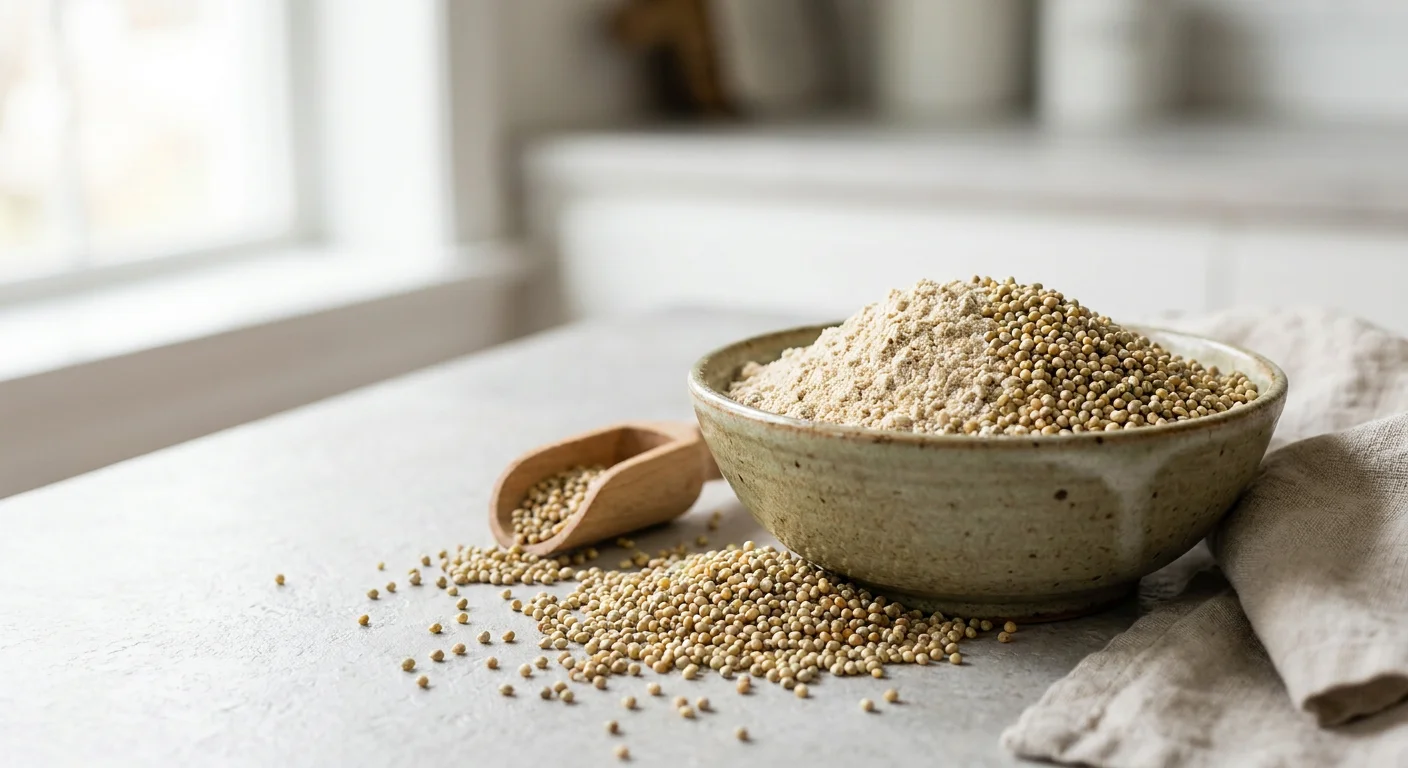
Let's be honest, barley doesn't get the same breathless press as quinoa or farro. It's often relegated to the back of the pantry, the humble workhorse of a winter soup. But I'm here to tell you that's a huge mistake. This chewy, nutty grain is a quiet superstar, packing an almost unbelievable amount of gut-friendly fiber, a low glycemic index that's brilliant for steady energy, and a specific type of fiber that actively lowers cholesterol. It's time we gave barley its moment in the spotlight.
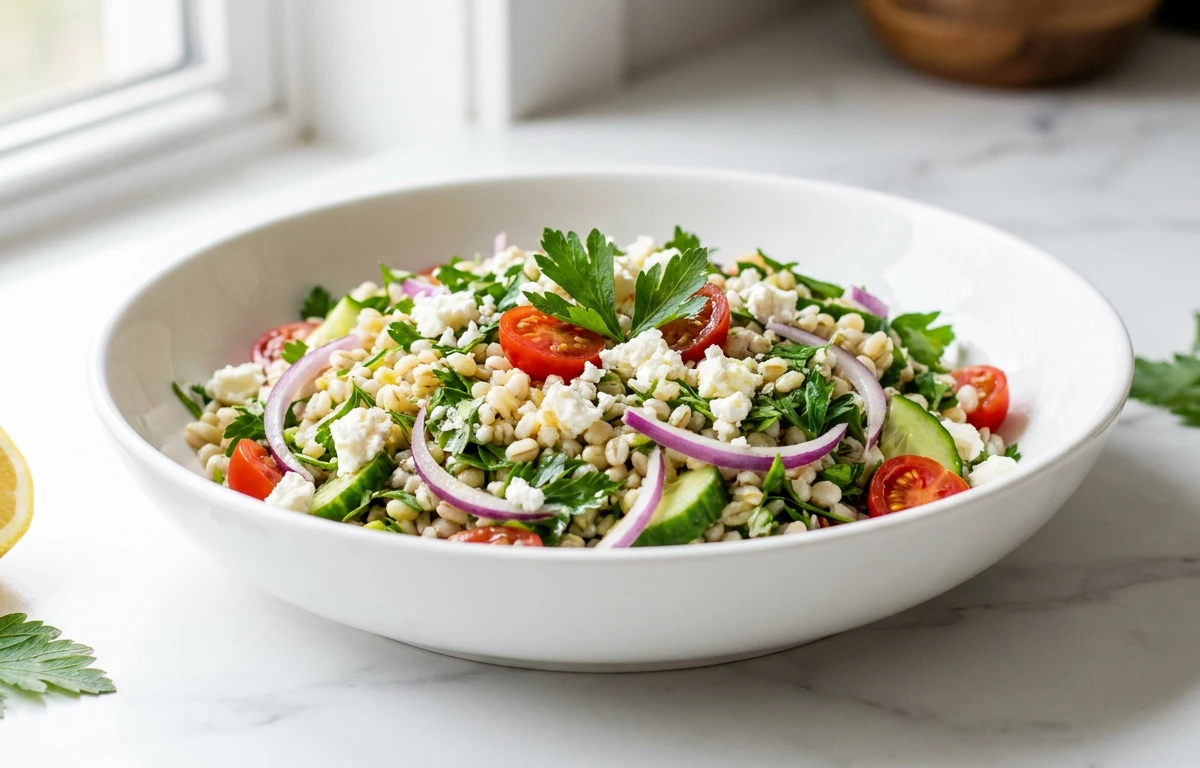
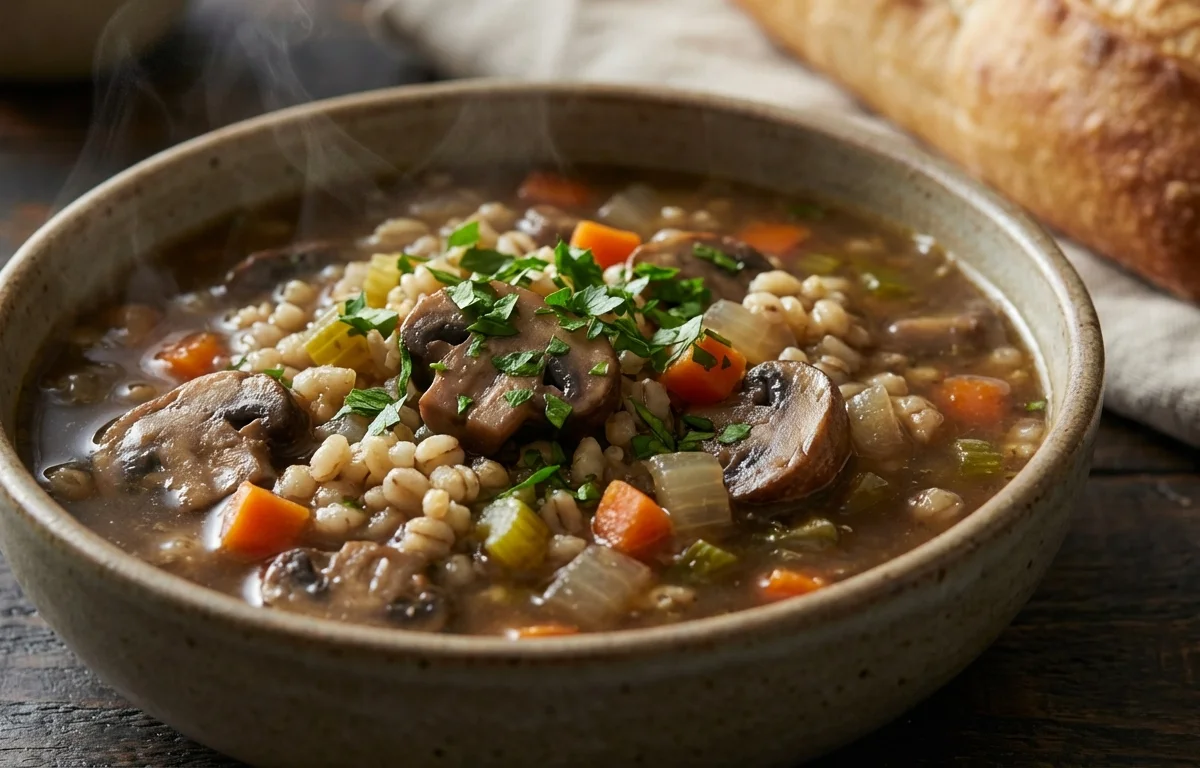
↑ Barley's chewy texture and nutty flavor make it a satisfying swap for rice or pasta.
The grain we all forgot
Barley is one of the oldest cultivated grains on earth, but you wouldn't know it from a walk through a modern supermarket. It's a member of the grass family, and it comes in two main forms: hulled (with only the outer husk removed) and pearled (with the bran layer polished off). Hulled is the true whole grain with more nutrients, but pearled is more common and cooks faster. Both are incredibly good for you.
The magic of barley comes down to its fiber. Not just the sheer quantity, but the type: it's loaded with a soluble fiber called beta-glucan. This is the same stuff that gives oats its heart-healthy reputation, but barley has it in spades. It forms a gel in your gut that slows digestion, steadies blood sugar, and physically helps remove cholesterol from your body.
IN ONE LINE
Barley is a low-GI, high-fiber, high-protein grain that's especially good for blood sugar control, gut health, and lowering cholesterol. Think of it as oats' more versatile cousin.
Barley nutrition facts
Here's the nutritional profile for a 100-gram serving of cooked barley. Pay close attention to that fiber number — it's a real showstopper.
Over half your daily fiber in a single serving! That's what makes barley so special. It's not just bulk; this fiber is metabolically active, feeding your gut bacteria and helping control cholesterol. The protein is also impressive for a grain, contributing to barley's ability to keep you full for hours. It's also a fantastic source of magnesium, a mineral crucial for nerve function and blood sugar control.
Barley's extremely low glycemic index
If you're worried about carbs and blood sugar, barley should be your best friend. Its glycemic index (GI) is exceptionally low for a grain, typically landing somewhere between 25 and 35. That's lower than a banana. This is because the high fiber content, especially those beta-glucans, creates a thick mixture in the gut that dramatically slows down how quickly the carbohydrates are broken down and absorbed. The result is a gentle, sustained release of energy, not a sharp spike.
GLYCEMIC INDEX · BARLEY vs COMMON FOODS
Barley is one of the lowest-GI grains
Barley (Pearled)
whole grain
LOW
Apple
whole fruit
LOW
Mango
whole fruit
LOW
White Bread
refined
HIGH
Cornflakes
refined
HIGH
SCALE 0–90
04590
How to cook & eat it
Cooking barley is simple, it just takes time. Its chewy, satisfying texture is worth the wait.
01
Rinse it first.
Give your barley a quick rinse under cold water, just like you would with quinoa or lentils.
02
Use a 1:3 ratio.
For every 1 cup of dry barley, use 3 cups of liquid (water or broth). Bring to a boil, then reduce to a gentle simmer.
03
Be patient.
Pearled barley takes about 40-50 minutes to cook. Hulled barley can take over an hour. It's done when it's chewy and tender, and has absorbed most of the liquid.
04
Cook a big batch.
Since it takes a while, cook more than you need. Cooked barley keeps well in the fridge for 3-4 days and is great for quick lunches.
05
Swap it in.
Use it anywhere you'd use rice or other grains: in soups, stews, salads, or as a base for a grain bowl. You can even make a creamy 'barley-sotto'.
What barley is good for
01
Lowering cholesterol
The FDA allows a health claim for barley's beta-glucan fiber and its ability to reduce the risk of heart disease. It's one of the most evidence-backed food benefits out there.
Top source
beta-glucans
02
Excellent blood sugar control
The combination of a very low GI and massive fiber content makes barley a first-class choice for preventing energy slumps and managing blood sugar levels.
Low GI
≈28
03
A happy, healthy gut
That 15.6g of fiber isn't just for fullness. It's powerful prebiotic food for your good gut bacteria, promoting a diverse and healthy microbiome.
15.6 g
fiber
04
Serious staying power
The combination of fiber and protein makes barley incredibly filling. A barley salad for lunch will keep you satisfied all afternoon, making it a great ally for weight management.
10.9 g
protein
What to pair barley with
Barley's mild, nutty flavor and chewy bite make it a fantastic canvas for other ingredients.
Is barley right for you?
Three ways with barley
Go beyond soup with these simple, modern ways to enjoy barley.
Want smart grains like barley worked into your week?
Our meal planner builds balanced weeks around satisfying, low-GI foods. Get a plan with portions and macros already calculated, and a single grocery list to make it easy.
Build my weekly plan →SOURCES & REFERENCES · 3
One more thing
Eating well is rarely about willpower. It’s about having a short list of dinners you actually want to eat. Pick two from this list. Make them next week. The rest will follow.
If you want these on autopilot, our weekly meal planner can drop the picks above into your calendar with one click and build a single grocery list from the merged ingredients.
FREQUENTLY ASKED QUESTIONS
Frequently asked questions
Is barley gluten-free?
No. Barley is a type of wheat and contains gluten. It is not safe for individuals with celiac disease or a gluten sensitivity.
What's the difference between hulled and pearled barley?
Hulled barley is the whole-grain version with just the inedible outer husk removed. It's more nutritious but takes longer to cook. Pearled barley has had the bran layer polished off, so it cooks faster but has slightly less fiber and nutrients. Both are still very healthy choices.
Is barley better for you than brown rice?
They're both healthy whole grains, but barley generally wins on a few key points. It has significantly more fiber (especially soluble beta-glucan fiber) and a lower glycemic index than brown rice, making it a better choice for blood sugar control and cholesterol.
Does barley cause gas and bloating?
It can, especially if you're not used to eating a lot of fiber. Barley's impressive 15.6g of fiber per serving is fantastic for your gut, but can cause some gas as your gut bacteria adapt. Start with smaller portions and increase gradually to let your system adjust.
METHODOLOGY
How this article was created
Built using verified nutrition databases, culinary research, and traditional cooking knowledge — every claim is cross-referenced against the sources listed in the article.
· USDA data· Culinary research· Quality reviewed
Read our methodology →TRANSPARENCY
About this content
Articles are curated using trusted food databases (USDA FoodData Central, IFCT), culinary literature, and dietary guidelines, then structured by our editorial team for clarity, accuracy, and usefulness.
· Verified data sources· Culinary research· Quality reviewed
Read our editorial policy →RELATED RECIPES
Cook from this article
EXPLORE OUR MEALS
Meals that fit this article

AMERICAN · 1677 CAL
Almonds with Sliced Apple + supplement + iron

MEDITERRANEAN · 809 CAL
Greek Yogurt with Berries Almonds and Granola + supplement + iron

GENERAL_HEALTHY · 705 CAL
Banana with Peanut Butter Pregnancy + supplement + iron

MODERN · 982 CAL
Hummus with Crudits and Pita with Fresh Orange Snack + supplement + iron
TAGGED
KEEP READING