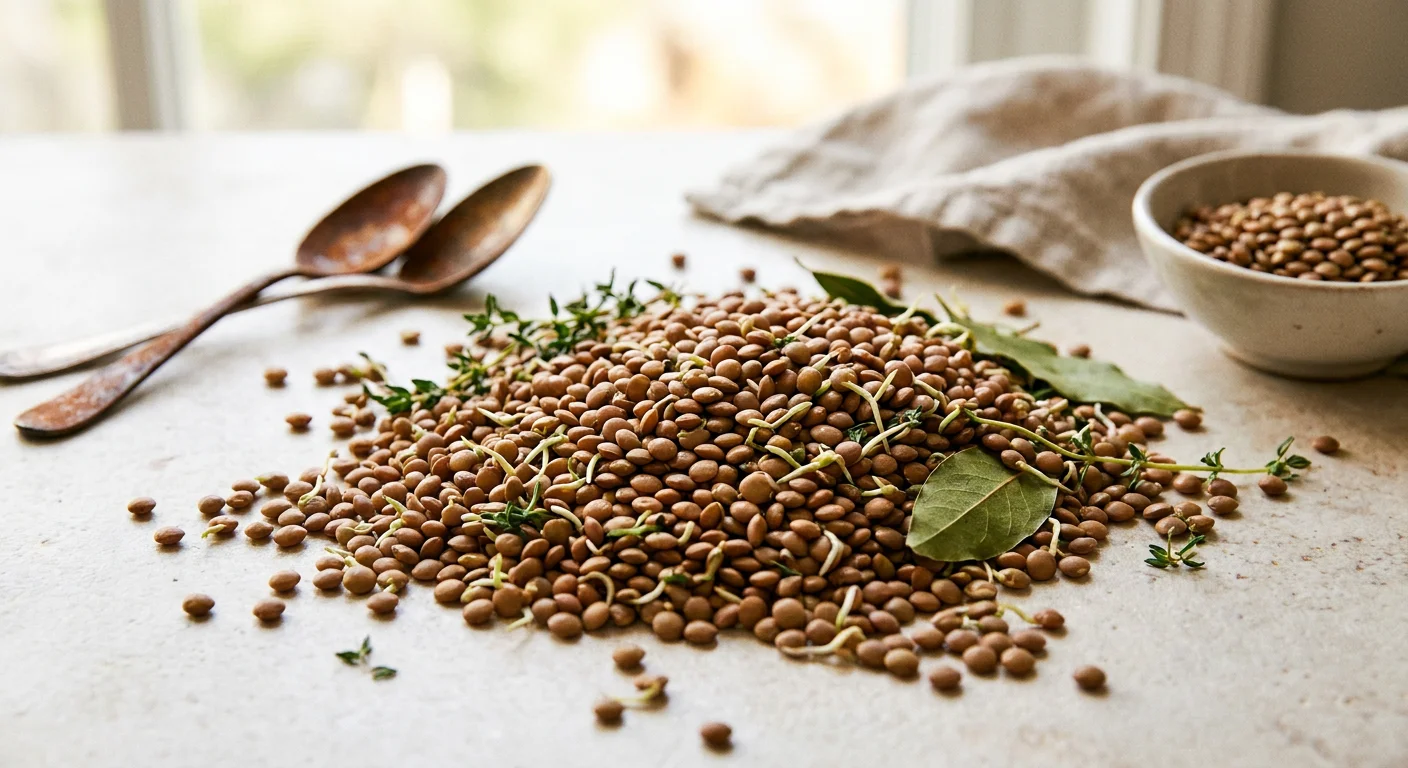
If your only experience with flour is the fine, white, all-purpose kind, then finger millet flour — often called ragi — is a wonderful, earthy surprise. It doesn't make fluffy cakes. It doesn't taste neutral. And that's exactly the point. Ragi is a rustic, nutrient-dense ancient grain that delivers complex carbs, a solid dose of protein, and a slow, steady energy release that refined flours just can't match. It’s a staple in many parts of the world for good reason, and it's wildly underrated in the modern kitchen.
↑ Finger millet (ragi) flour is a gluten-free ancient grain with a distinct, nutty flavour.
The earthy, ancient grain
Ragi has been cultivated for thousands of years in Africa and Asia, and it's a nutritional workhorse. The flour has a deep, reddish-brown color and a distinct flavour that's somewhere between nutty, earthy, and slightly malty. It's not trying to be wheat. Because it's gluten-free, it creates denser, heartier foods — think rustic flatbreads, filling porridges, and savoury crepes.
The real magic of ragi is how it performs in your body. It’s packed with complex carbohydrates that break down slowly, which means you get sustained energy without the sharp blood sugar spike you'd see from a slice of white bread.
IN ONE LINE
Ragi is a gluten-free, high-protein, high-fibre flour with a low-to-medium GI, making it a smart swap for refined flours in flatbreads and porridges.
Ragi flour nutrition facts
Here’s the nutritional profile for a 100-gram serving of finger millet (ragi) flour, which is about ¾ of a cup. This is a larger portion than you might eat in one sitting, but it's the standard for comparison.
The numbers that stand out are the protein and the calcium. Nearly 11 grams of protein is very high for a flour, making it incredibly satisfying. And the calcium content is exceptional for a grain, making it a valuable plant-based source for bone health.
Ragi's effect on blood sugar
Glycemic index (GI) tells us how quickly a food raises blood sugar. Foods under 55 are 'low', while those over 70 are 'high'. While the exact number can vary, most studies place ragi flour in the low-to-medium GI category. This isn't surprising. Its high fibre, protein, and complex carbohydrate structure all act as brakes, slowing down digestion and preventing the rapid sugar rush you get from refined grains. This makes it an excellent choice for anyone managing blood sugar, from people with diabetes to those just trying to avoid that mid-afternoon energy slump.
GLYCEMIC INDEX · RAGI FLOUR vs COMMON FOODS
Ragi sits in the low-to-medium GI band
Apple
whole fruit
LOW
Ragi Flour
approximate
LOW-MEDIUM
Pineapple
whole fruit
MEDIUM
White bread
refined
HIGH
Cornflakes
refined
HIGH
SCALE 0–90
04590
How to use ragi flour
You can't just swap ragi 1:1 for wheat flour and expect the same results. Its lack of gluten and unique texture require a different approach. But it's simple once you know the rules.
01
Start with porridge.
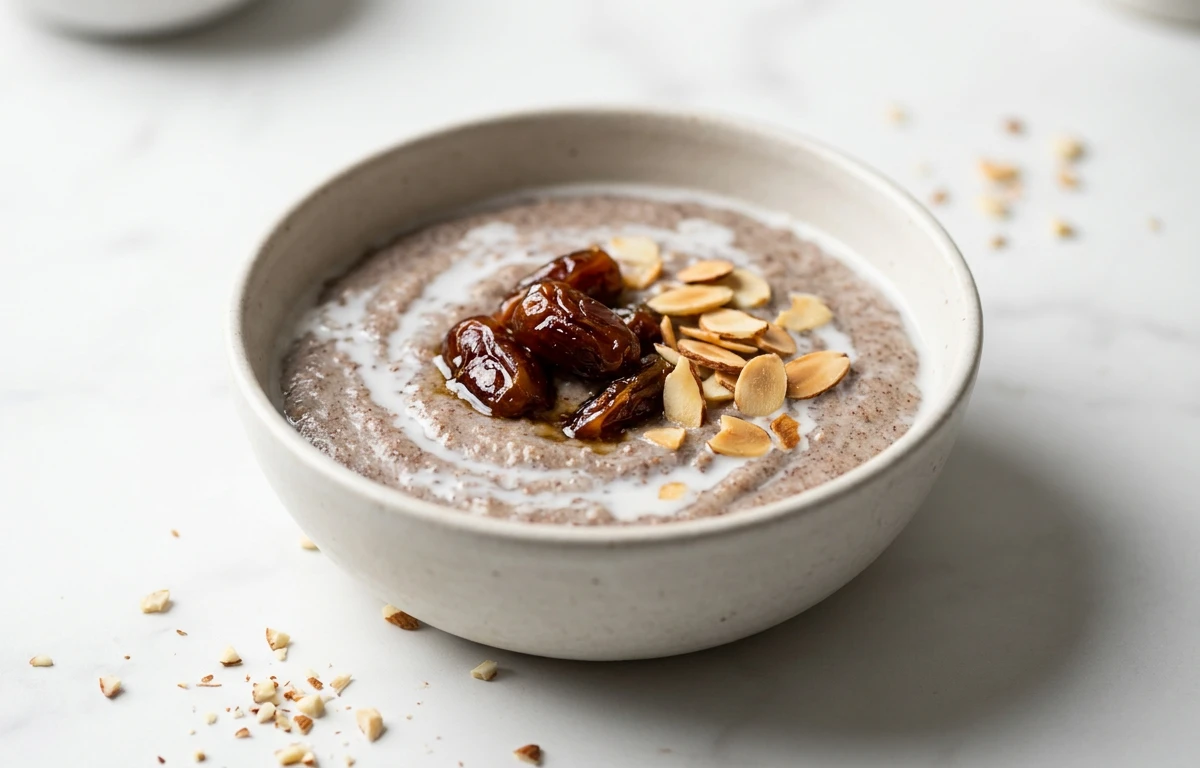
The easiest entry point. Whisk ragi flour with water or milk and simmer until thick. It's known as ragi malt and can be made sweet (with jaggery) or savory (with buttermilk and salt).
02
Make flatbreads (roti/bhakri).
Mix ragi flour with hot water to form a soft dough. Pat it out into small, thick discs and cook on a dry skillet. It won't puff up like a wheat chapati, but it's delicious and filling.
03
Try it in pancakes or dosa.
Ragi makes excellent crepes. You can find instant dosa mixes or make your own batter with ragi flour, rice flour, and yogurt.
04
Mix it with other flours.
For baking, don't use 100% ragi. Try replacing 20-30% of the regular flour in a recipe for muffins or dense breads to add nutrition and an earthy flavour.
05
Don't forget fat and acid.
A little ghee on a ragi roti or a squeeze of lime in a ragi porridge brightens the flavour and makes it much more enjoyable.
What ragi flour is good for
01
Excellent for blood sugar control
Its low-to-medium glycemic index and high fibre content mean it releases glucose slowly, preventing sharp spikes in blood sugar.
Low GI
energy
02
A plant-based calcium star
Ragi is one of the best grain sources of calcium, which is crucial for maintaining strong bones and teeth.
26%
calcium DV
03
Supports weight management
The combination of high protein and fibre keeps you feeling full and satisfied for longer, helping to reduce overall calorie intake.
10.8 g
protein
04
Naturally gluten-free
It's a safe and nutritious alternative to wheat for people with celiac disease or gluten sensitivity.
100%
gluten-free
05
Rich in protein and iron
With nearly 11g of protein and a good amount of iron per 100g, it's a valuable addition to vegetarian and vegan diets.
22%
iron DV
What to pair ragi with
Ragi's earthy flavor shines when paired with the right ingredients. These combinations don't just taste good; they often add nutritional balance.
A staple or a speciality?
Three ways to use it
Ready to give it a try? Start with these simple, traditional preparations where ragi flour truly excels.
.webp)
.webp)
Want whole grains worked into a balanced week — without the planning?
Our meal planner incorporates nutrient-dense ingredients like ragi flour into delicious, easy recipes. Get your macros calculated, your portions set, and a single grocery list for the week.
Build my weekly plan →This guide is general information, not medical advice. If you have a health condition or take medication, consult your doctor or a registered dietitian before making big changes to your diet.
SOURCES & REFERENCES · 3
One more thing
Eating well is rarely about willpower. It’s about having a short list of dinners you actually want to eat. Pick two from this list. Make them next week. The rest will follow.
If you want these on autopilot, our weekly meal planner can drop the picks above into your calendar with one click and build a single grocery list from the merged ingredients.
FREQUENTLY ASKED QUESTIONS
Frequently asked questions
Is ragi flour better than wheat flour?
They're different tools for different jobs. Ragi is gluten-free, generally has a lower GI, and is much higher in calcium. Wheat flour is better for light, fluffy baked goods. For blood sugar control and gluten-free needs, ragi is an excellent choice.
Can you eat ragi every day?
Absolutely. In many parts of India and Africa, it's a daily staple food, much like rice or wheat elsewhere. Its nutrient density makes it a fantastic foundation for a healthy diet.
Does ragi cause weight gain?
No single food causes weight gain. Ragi is actually very helpful for weight management because its high protein and fibre content make you feel full, which can help you eat less overall. As with any food, portion size is key.
How does ragi flour taste?
It has a unique, pronounced flavor that's often described as earthy or nutty, with a slightly bitter undertone. It's not a neutral flour. For some, it's an acquired taste, but many people grow to love its rustic character.

ABOUT THE AUTHOR
Shreya Chatterjee
NUTRITION WRITER
Shreya is a nutrition writer and the voice behind The Nutrition Pen, where she turns evidence-based nutrition into simple, repeatable eating habits. Her writing focuses on practical food guidance — what to actually put on the plate — for readers who want to eat well without the noise.
Meet the editorial team →METHODOLOGY
How this article was created
Built using verified nutrition databases, culinary research, and traditional cooking knowledge — every claim is cross-referenced against the sources listed in the article.
· USDA data· Culinary research· Quality reviewed
Read our methodology →TRANSPARENCY
About this content
Articles are curated using trusted food databases (USDA FoodData Central, IFCT), culinary literature, and dietary guidelines, then structured by our editorial team for clarity, accuracy, and usefulness.
· Verified data sources· Culinary research· Quality reviewed
Read our editorial policy →EXPLORE OUR MEALS
Meals that fit this article

GENERAL_HEALTHY · 705 CAL
Banana with Peanut Butter Pregnancy + supplement + iron
AMERICAN · 694 CAL
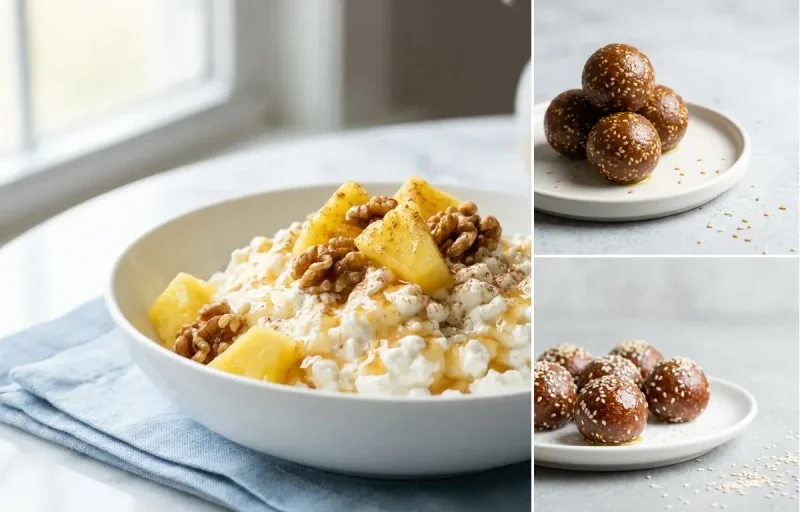
Cottage Cheese with Pineapple Walnuts and Hemp Pregnancy + supplement + iron

AMERICAN · 359 CAL
Apple with Peanut Butter with Glass of Milk + supplement + iron

MEDITERRANEAN · 738 CAL
Greek Yogurt with Berries Walnuts and Honey + supplement + iron
TAGGED
KEEP READING