No fruit is more convenient, more portable, or more quietly distrusted than the banana. It comes in its own wrapper, costs next to nothing, and fuels everyone from toddlers to marathon runners — yet it’s constantly accused of being “basically candy.” The truth is more interesting: a banana is mostly water and starch, its sugar and glycemic index change by the day as it ripens, and how you eat it matters as much as whether you eat it.
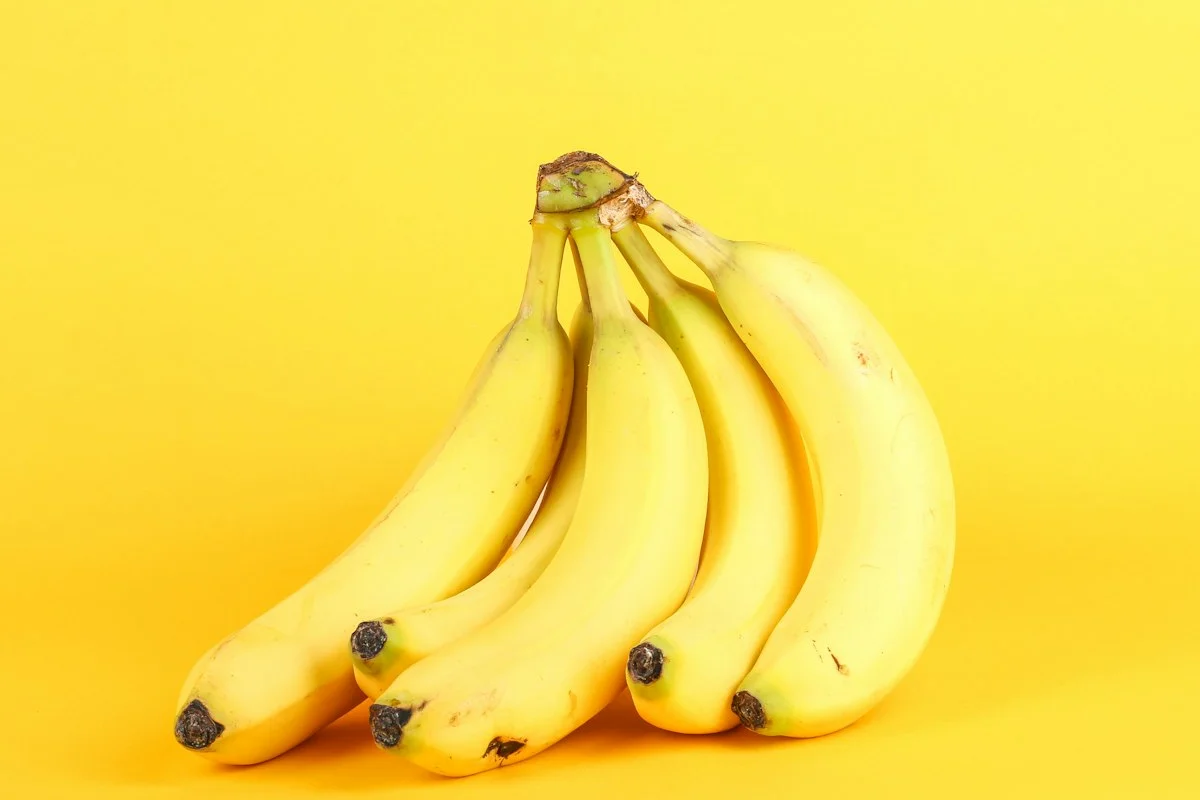
↑ A ripe Cavendish banana — the variety behind almost every banana sold worldwide.
Health & Nutrition · 12 MIN READ
Banana: Macros, Sugar, Glycemic Index, and the Best Way to Eat One
It’s the most popular fruit on earth and the one people feel most guilty about — “too much sugar,” they say. Here’s what a banana is actually made of, how its sugar and glycemic index shift dramatically as it ripens, whether it really spikes your blood sugar, and the simple pairing trick that flattens the curve.
105
Calories
27 g
Carbohydrate
14 g
Sugars
3.1 g
Fiber
1.3 g
Protein
0.4 g
Total fat
By Kayte Williams
June 10, 2026 · Reviewed by the CraftMeals Editorial Team
WHAT THIS ARTICLE COVERS
- 01A fruit that changes as it ripens
- 02Banana nutrition facts
- 03The macro breakdown
- 04The 14 grams of sugar, in context
- 05Glycemic index rises with ripeness
- 06Will a banana spike your blood sugar?
- 07The best way to eat a banana
- 08What bananas are genuinely good for
- 09What to pair a banana with
- 10Eat freely — or be mindful?
- 11Three recipes to start with
- 12Frequently asked questions
A fruit that changes as it ripens
A banana is not a fixed thing. The green, firm banana you buy and the brown-spotted one you forget about a week later are nutritionally different foods. As a banana ripens, enzymes steadily convert its resistant starch into simple sugars — which is why a green banana tastes chalky and a spotty one tastes like dessert.
That single fact explains most of the confusion around bananas. The same fruit can have a low or a moderate glycemic index, more starch or more sugar, depending entirely on the day you eat it. Almost every banana sold worldwide is the Cavendish variety — so the differences you notice are about ripeness, not type.
IN ONE LINE
A banana is a portable hit of carbohydrate, potassium, and vitamin B6 whose sugar and glycemic index climb as it ripens — green is starchier and gentler, spotty is sweeter and faster.
Banana nutrition facts
Here’s what one medium banana — about 118 grams, the everyday size — delivers. Percent Daily Values give you a quick sense of how much of a day’s needs each nutrient covers.
A few things stand out. A banana is roughly 75% water by weight. The vitamin B6 number is genuinely high for a fruit — a quarter of a day’s needs from one banana. And while the headline “14 g of sugar” sounds alarming, it arrives wrapped in fiber and inside a whole food, which changes everything about how your body handles it.
The macro breakdown
Bananas are, unapologetically, a carbohydrate food — there’s almost no fat and very little protein. The more useful question is what those 27 grams of carbohydrate are actually made of. In a ripe banana, it splits roughly like this:
52%
Sugars · ~14 g
Glucose, fructose & sucrose — the part that’s risen as the fruit ripened.
37%
Starch · ~10 g
Including resistant starch in firmer fruit, which acts more like fiber.
11%
Fiber · ~3 g
Pectin and resistant starch that slow digestion and feed gut bacteria.
WORTH KNOWING
In a green banana that split flips: far more starch (much of it resistant), far less sugar. That’s why an under-ripe banana is gentler on blood sugar even though the calories barely change.
The 14 grams of sugar, in context
Fourteen grams of sugar is about three and a half teaspoons — roughly the same as a small apple, and less than half of what’s in a typical 330ml can of soft drink. The crucial difference is the company that sugar keeps.
A banana’s sugar comes packaged with fiber, water, and a sturdy food structure your body has to break down. A fizzy drink’s sugar is free, liquid, and absorbed almost instantly. Same molecules, completely different experience for your bloodstream. This is exactly why nutrition scientists distinguish between “free sugars” (the ones to limit) and the intrinsic sugars naturally present in whole fruit.
No one developed diabetes from eating bananas. The sugar that matters is the free sugar added to processed food and drink — not the sugar locked inside an apple or a banana.
— Dr. Lena Hoff, RD
Glycemic index rises with ripeness
Glycemic index (GI) ranks how quickly a food raises blood sugar, on a 0–100 scale: under 55 is low, 56–69 is medium, 70+ is high. A banana’s GI isn’t a single number — it climbs steadily as the fruit ripens and its starch turns to sugar.
GLYCEMIC INDEX BY RIPENESS
A banana’s GI depends on the day you eat it
Green & firm
~6 g sugar
LOW
Yellow, just ripe
~12 g sugar
LOW
Yellow, fully ripe
~14 g sugar
LOW
Brown-spotted
~17 g sugar
MEDIUM
SCALE 0–70
03570
Just as important is glycemic load (GL), which factors in portion size. A medium banana has a GL of about 11 — squarely in the low band. In other words, a normal-sized banana simply doesn’t deliver enough carbohydrate to cause a dramatic blood-sugar swing in most people. The scare stories usually assume you’re eating three at once.
Will a banana spike your blood sugar?
On its own, on an empty stomach, a very ripe banana will produce a noticeable rise — that’s the whole point if you’re an athlete needing fast fuel mid-run. But for everyday eating, two simple choices flatten the curve almost completely: eat it a little less ripe, and never eat it naked.
BLOOD-SUGAR RESPONSE
How you eat the banana changes the curve
Ripe banana, alone on an empty stomach
Slightly under-ripe (firmer) banana
Ripe banana + nut butter, nuts or yogurt
Fat and protein slow the rate at which the stomach empties, so the banana’s sugar trickles into the bloodstream instead of arriving all at once. A firmer banana brings less sugar and more resistant starch to begin with. Stack both habits and a banana behaves like the gentle, useful snack it actually is.
The best way to eat a banana
There’s no single “correct” banana — it depends on what you want from it. But for most people, most of the time, these five habits get you steady energy instead of a sugar rush and a crash.
01
Pick it by your goal.
Want gentle, steady energy? Choose a firmer, just-yellow banana. Need fast fuel before or during exercise? A spotty, very ripe one is the better choice — that’s when it does its job best.
02
Pair it with fat or protein.
A spoon of peanut butter, a handful of nuts, or a pot of yogurt turns a banana from a quick hit into a balanced snack. This is the single most effective trick for flattening the curve.
03
Don’t drink it alone.
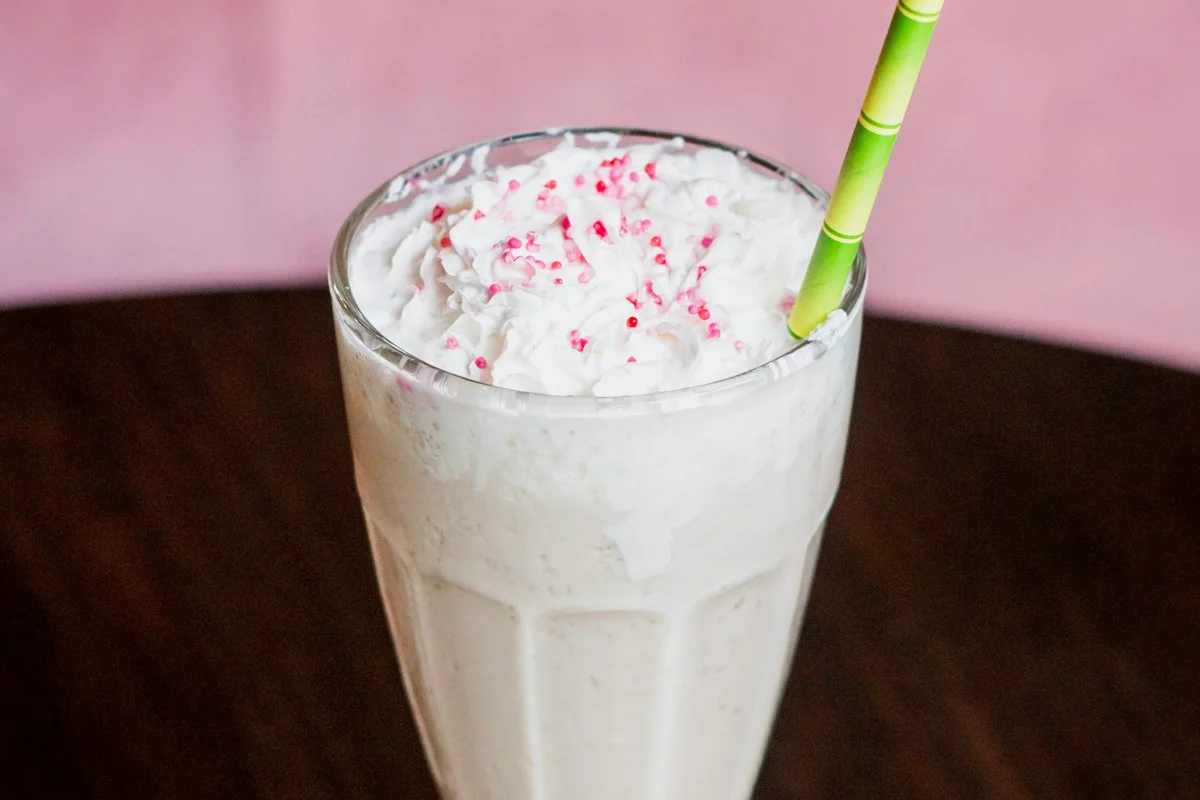
A banana blended into juice or a sugary smoothie loses its structure and behaves much more like a sugary drink. Blend it with yogurt, milk, oats, or nut butter instead of fruit juice.
04
Mind the portion.
One medium banana is a serving. Glycemic load only becomes a concern when you eat several in one sitting — easy to do when they’re blended or baked into something sweet.
05
Use the over-ripe ones, don’t fear them.
Brown-spotted bananas are sweeter and higher-GI, but they’re perfect for baking, freezing, or “nice cream” — where their sweetness means you add no extra sugar at all.
What bananas are genuinely good for
Beyond convenient energy, here’s what the evidence actually supports.
01
Supports healthy blood pressure
Bananas are a well-known source of potassium, the mineral that helps counter sodium’s effect on blood pressure and supports normal heart and muscle function — areas where most modern diets fall short.
422 mg
potassium
02
Helps prevent muscle cramps
The combination of potassium and magnesium is why bananas are an athlete’s staple. Both minerals are involved in muscle contraction and are lost through sweat during exercise.
32 mg
magnesium
03
Feeds your gut
The pectin and resistant starch in bananas act as prebiotics — food for the beneficial bacteria in your gut. Firmer, less-ripe bananas are especially rich in resistant starch.
3 g
fiber
04
Steadies mood and metabolism
One banana delivers about a quarter of your daily vitamin B6, which your body uses to make neurotransmitters like serotonin and to turn food into usable energy.
25%
vitamin B6 DV
05
Settles and fuels easily
Soft, gentle, and easy to digest, bananas are a classic choice when the stomach is unsettled and a reliable pre-workout snack when you need quick carbohydrate that won’t sit heavy.
~75%
water
What to pair a banana with
The fastest way to upgrade a banana is to give it a partner with fat, protein, or both. These six pairings make it more filling, more balanced, and far kinder to your blood sugar.
Eat freely — or be mindful?
Three recipes to start with
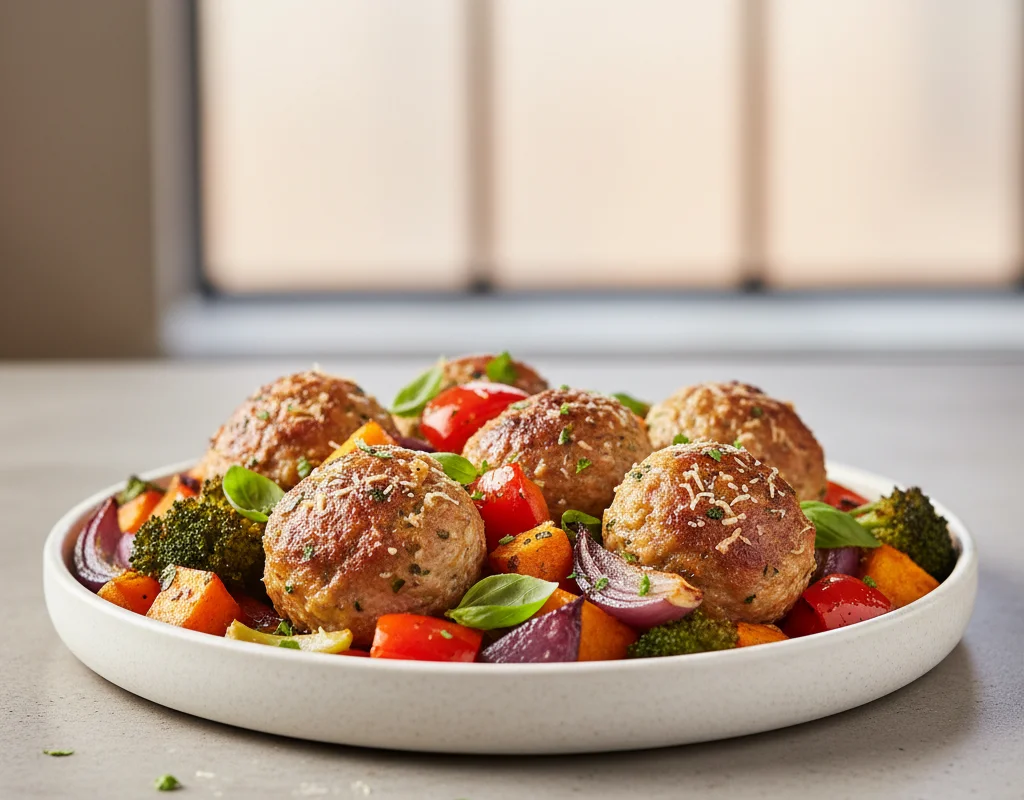
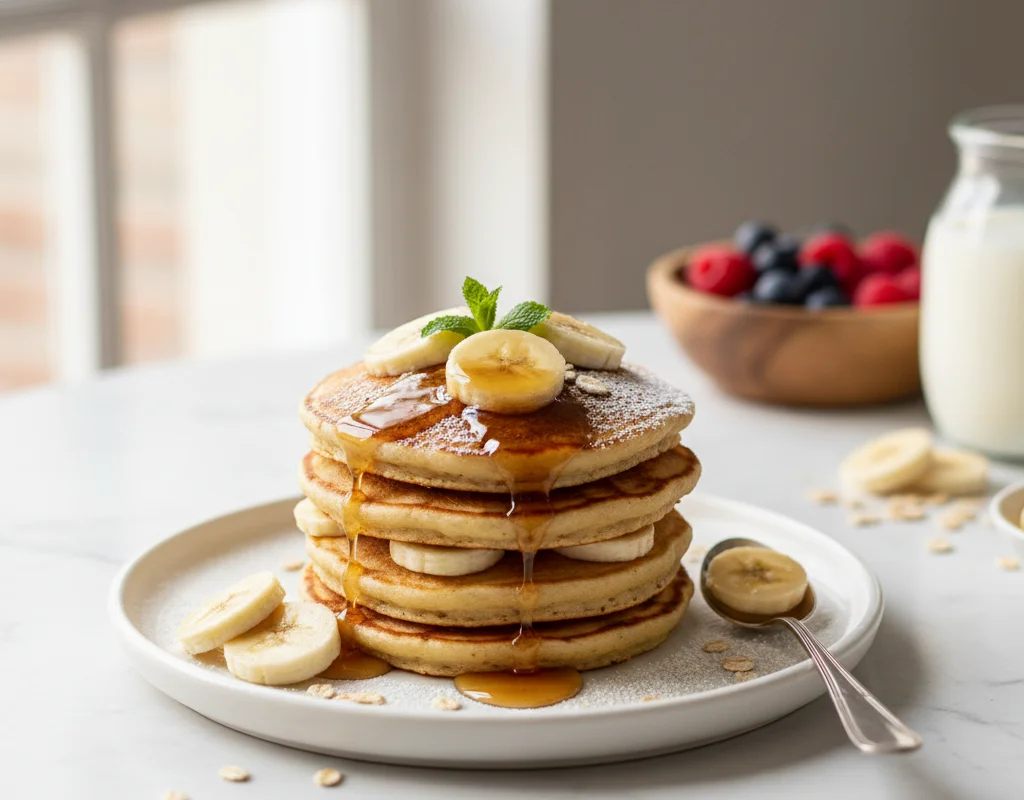
Three easy, no-fuss ways to eat a banana well tonight — each built to keep energy steady rather than spike it.
Want bananas worked into balanced days — without the guesswork?
Our meal planner builds snacks and breakfasts that pair fruit with protein and fiber for steady energy, with portions and macros already calculated and a single grocery list at the end.
Build my weekly plan →SOURCES & REFERENCES · 3
One more thing
Eating well is rarely about willpower. It’s about having a short list of dinners you actually want to eat. Pick two from this list. Make them next week. The rest will follow.
If you want these on autopilot, our weekly meal planner can drop the picks above into your calendar with one click and build a single grocery list from the merged ingredients.
FREQUENTLY ASKED QUESTIONS
Frequently asked questions
Are bananas bad for you because of the sugar?
No. A banana’s sugar comes wrapped in fiber, water and a whole-food structure, so it behaves nothing like the free sugar in sweets and soft drinks. For almost everyone, a banana a day is a healthy choice — the sugar to worry about is the added kind in processed food.
Can diabetics eat bananas?
Generally yes, in moderation. Choose a firmer, less-ripe banana, keep to a normal portion, and pair it with protein or fat such as nuts or yogurt to soften the blood-sugar response. As always, fit it to your own targets and check with your doctor or dietitian.
Is a green or a ripe banana healthier?
Neither is simply “healthier” — they’re suited to different things. Green bananas have more resistant starch, a lower GI and feed your gut bacteria; ripe bananas are sweeter, easier to digest and better quick fuel for exercise. Variety is fine.
When is the best time to eat a banana?
Whenever suits you. Before or during exercise, a ripe banana is excellent fast fuel. As an everyday snack, a firmer banana paired with nuts or yogurt gives steadier energy. There’s no evidence bananas are uniquely fattening at night.
How many bananas a day is too many?
One to two medium bananas a day fits comfortably into most healthy diets. Because they’re carbohydrate-dense, eating several at once — especially blended into smoothies — can push your sugar and calorie intake up faster than you’d expect.
Do bananas help with muscle cramps?
They can help. Bananas supply potassium and magnesium, two minerals involved in muscle function and lost through sweat. They’re not a magic cure for cramps, but they’re a sensible, easy source of both around exercise.
METHODOLOGY
How this article was created
Built using verified nutrition databases, culinary research, and traditional cooking knowledge — every claim is cross-referenced against the sources listed in the article.
· USDA data· Culinary research· Quality reviewed
Read our methodology →TRANSPARENCY
About this content
Articles are curated using trusted food databases (USDA FoodData Central, IFCT), culinary literature, and dietary guidelines, then structured by our editorial team for clarity, accuracy, and usefulness.
· Verified data sources· Culinary research· Quality reviewed
Read our editorial policy →RELATED RECIPES
Cook from this article
EXPLORE OUR MEALS
Meals that fit this article

AMERICAN · 1677 CAL
Almonds with Sliced Apple + supplement + iron

MEDITERRANEAN · 809 CAL
Greek Yogurt with Berries Almonds and Granola + supplement + iron

GENERAL_HEALTHY · 705 CAL
Banana with Peanut Butter Pregnancy + supplement + iron

MODERN · 982 CAL
Hummus with Crudits and Pita with Fresh Orange Snack + supplement + iron
TAGGED
KEEP READING