Lemon: Vitamin C, Low-Calorie Uses, Glycemic Index & Nutrition: verified nutrition facts, glycemic context, serving guidance, and practical cooking ideas.
↑ More than a garnish — a lemon is a low-calorie, high-vitamin C fruit.
The ultimate flavor-adder
A squeeze of lemon can wake up a bland dish, cut through richness, and make everything taste fresher. We do it without thinking. But that zing comes with a real nutritional upside. Unlike most fruits, a lemon's value isn't in its sweetness or bulk, but in its concentration of flavour and micronutrients.
The main story is vitamin C. A single lemon can provide over half of your daily needs. It also contains unique plant compounds like hesperidin and diosmin, which researchers are increasingly interested in for their antioxidant effects. It’s a health food disguised as a simple seasoning.
IN ONE LINE
A lemon offers a huge hit of vitamin C and bright, sharp flavor for almost zero calories, sugar, or fat. Its only real downside is its acidity.
Lemon nutrition facts
Here’s the nutritional profile for about 100 grams of raw lemon (roughly one medium-to-large fruit, without the peel).
The numbers speak for themselves. With only 29 calories and 5.5 grams of carbs in a whole lemon, it barely makes a dent in your daily totals. But that 53 mg of vitamin C is a huge contribution, covering well over half of what you need in a day. The 2.8 grams of fibre is also surprisingly decent, mostly found in the pulp.
WATCH OUT
That sharp, sour taste is citric acid, not sugar. But that same acid can be tough on tooth enamel. It's a good idea to rinse your mouth with plain water after drinking lemon water.
Lemon's glycemic index
Glycemic index (GI) measures how quickly a food raises blood sugar. While many lemons are too sour to eat whole, and thus don't have an official GI value, we can be confident it's extremely low. With only about 2.5 grams of sugar and a decent amount of fibre and acid to slow absorption, its effect on blood sugar is negligible. It’s one of the most blood-sugar-friendly fruits you can find.
GLYCEMIC INDEX · LEMON vs COMMON FOODS
Lemon has a negligible glycemic impact
Lemon
negligible sugar
LOW
Cherries
whole fruit
LOW
Apple
whole fruit
LOW
Pineapple
whole fruit
MEDIUM
White bread
refined
HIGH
SCALE 0–90
04590
How to use lemons right
Getting more lemon into your life is easy. It's less about eating it and more about using it as a tool in your kitchen.
01
Squeeze it on everything.
A wedge of lemon squeezed over roasted vegetables, fish, chicken, or salads just before serving adds instant brightness and vitamin C.
02
Use the zest.
The peel contains aromatic oils and zero acid. Grate it into baked goods, pasta dishes, or marinades for intense lemon flavor without the sourness.
03
Make lemon water.
A slice of lemon in your water bottle makes hydrating more appealing and adds a tiny nutrient boost. Just be mindful of your teeth.
04
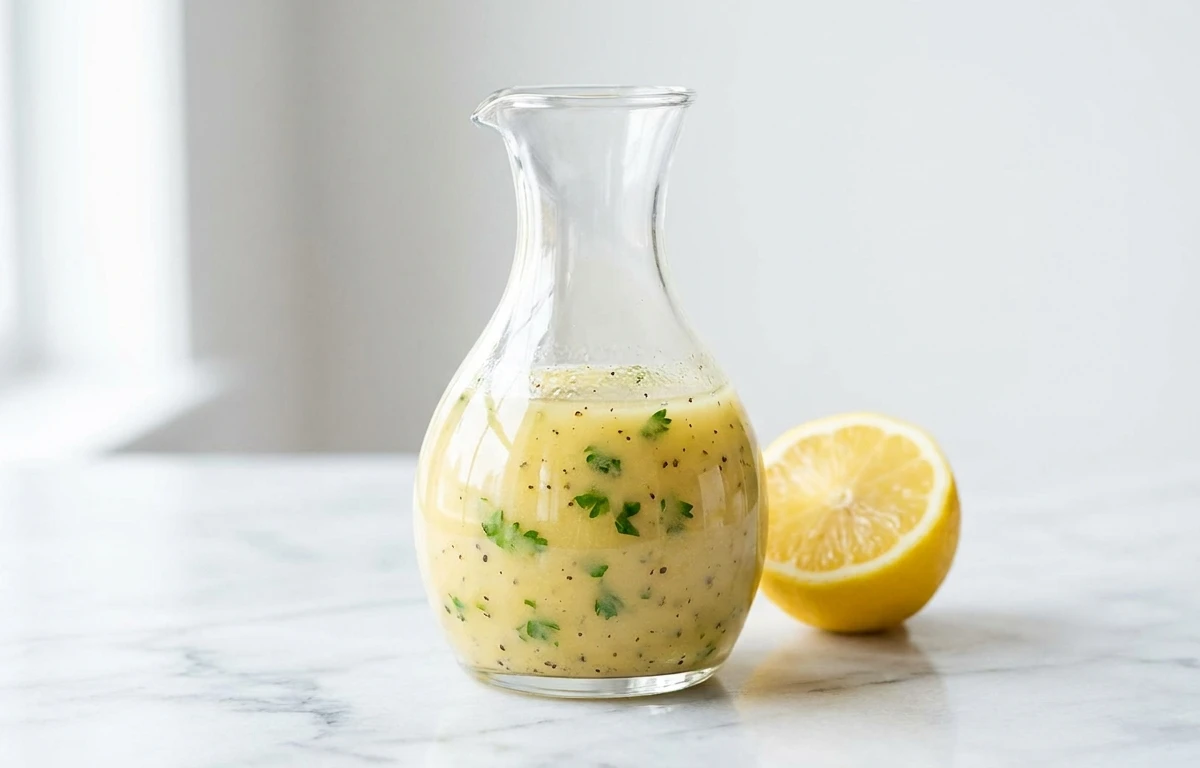
Whip up a simple dressing.
Whisk lemon juice with olive oil, a pinch of salt, and pepper. It's a fresh, healthy dressing for any salad, free from the sugar in many bottled versions.
05
Preserve them.
Salt-preserved lemons are a staple in Moroccan cooking. The process mellows the acidity and creates a deeply savory, umami flavor.
What lemons are good for
01
A massive vitamin C boost
With over half your daily needs in one fruit, lemon is a standout for supporting your immune system, promoting healthy skin, and helping your body absorb iron from plant foods.
59%
vit C DV
02
Flavor without calories
Lemon provides a huge burst of flavor for almost no calories, fat, or sugar. It's an ideal tool for making healthy food taste great, especially if you're managing your weight.
29
calories
03
A salt-free flavor enhancer
The bright acidity of lemon can reduce the need for salt in many dishes, making it a heart-smart choice for adding flavor, especially for those watching their sodium intake.
0g
sodium
What to pair lemon with
Lemon's acidity makes it a perfect partner for a huge range of foods, cutting through richness and brightening flavors.
Squeeze freely — or be careful?
Three simple ways to use it
Beyond a simple squeeze, here are three easy recipes that put lemon center stage.

Want healthy ingredients worked into a balanced week — without the planning?
Our meal planner pairs foods like lemon with protein and fibre for steady energy, with portions and macros already calculated and a single grocery list at the end.
Build my weekly plan →SOURCES & REFERENCES · 3
One more thing
Eating well is rarely about willpower. It’s about having a short list of dinners you actually want to eat. Pick two from this list. Make them next week. The rest will follow.
If you want these on autopilot, our weekly meal planner can drop the picks above into your calendar with one click and build a single grocery list from the merged ingredients.
FREQUENTLY ASKED QUESTIONS
Frequently asked questions
Is lemon good for weight loss?
Yes, it's an excellent tool for weight loss. It adds bright flavor to food and water for virtually no calories, helping you cut back on higher-calorie sauces, dressings, and sugary drinks.
Is drinking lemon water better than plain water?
For hydration, plain water is perfect. Lemon water's main benefit is that it can make water more appealing, so you might drink more of it. It also adds a good dose of vitamin C, but hydration is the primary win.
Can lemon juice damage your teeth?
Yes, the high citric acid content can erode tooth enamel over time, especially with frequent exposure. It's best to drink lemon water through a straw, avoid swishing it around your mouth, and rinse with plain water afterward.
Is lemon keto-friendly?
Absolutely. A whole lemon has very few net carbs (around 2-3g), making it a great way to add flavor on a ketogenic or other low-carb diet.
METHODOLOGY
How this article was created
Built using verified nutrition databases, culinary research, and traditional cooking knowledge — every claim is cross-referenced against the sources listed in the article.
· USDA data· Culinary research· Quality reviewed
Read our methodology →TRANSPARENCY
About this content
Articles are curated using trusted food databases (USDA FoodData Central, IFCT), culinary literature, and dietary guidelines, then structured by our editorial team for clarity, accuracy, and usefulness.
· Verified data sources· Culinary research· Quality reviewed
Read our editorial policy →RELATED RECIPES
Cook from this article
EXPLORE OUR MEALS
Meals that fit this article

AMERICAN · 1677 CAL
Almonds with Sliced Apple + supplement + iron

MEDITERRANEAN · 809 CAL
Greek Yogurt with Berries Almonds and Granola + supplement + iron

GENERAL_HEALTHY · 705 CAL
Banana with Peanut Butter Pregnancy + supplement + iron

MODERN · 982 CAL
Hummus with Crudits and Pita with Fresh Orange Snack + supplement + iron
TAGGED
KEEP READING