Spinach: Nutrition Facts, Glycemic Index & Health Benefits: verified nutrition facts, glycemic context, serving guidance, and practical cooking ideas.
↑ Fresh spinach is incredibly versatile, raw or cooked.
The quiet green hero
Spinach has a bit of a PR problem. People either think of Popeye and mythical strength, or they think of a bland, watery vegetable. The truth is somewhere much more interesting. It's one of the most nutrient-dense foods on the planet. For a tiny calorie cost, you get a massive payload of vitamins, particularly vitamin K and vitamin A, plus minerals and fiber.
It's also incredibly easy to work into your diet. Unlike kale, it doesn't need massaging. Unlike broccoli, it doesn't need chopping. You can toss a handful into almost anything — eggs, pasta, a smoothie, a soup — and instantly upgrade its nutritional profile without really changing the taste.
IN ONE LINE
For just 23 calories, a 100-gram serving of spinach is loaded with fiber, vitamins, and minerals, with a glycemic index so low it's barely measurable.
Spinach nutrition facts
Here’s the nutritional breakdown for a 100-gram serving of raw spinach, which is about 3 cups packed. Cooking it down reduces the volume to about half a cup.
The numbers that jump out are for Vitamin K and Vitamin A. A single serving provides over four times your daily need for Vitamin K, crucial for blood clotting and bone health. It also delivers over half your daily Vitamin A, important for vision and immune function. The iron myth? It contains some, but it's the less-absorbable 'non-heme' type.
Spinach's glycemic index
This is a short section, because there's not much to say. Spinach is a non-starchy vegetable, composed almost entirely of water, fiber, and protein with very few carbohydrates. As a result, its glycemic index (GI) is considered negligible — often estimated to be below 15, but it's so low it's rarely formally measured for tables.
For all practical purposes, spinach has no meaningful impact on your blood sugar levels. This makes it an absolute all-star for anyone managing diabetes or simply looking to maintain steady energy levels.
GLYCEMIC INDEX · SPINACH vs COMMON FOODS
Spinach has a negligible effect on blood sugar
Spinach
negligible GI
LOW
Cherries
whole fruit
LOW
Apple
whole fruit
LOW
Pineapple
whole fruit
MEDIUM
White bread
refined
HIGH
SCALE 0–90
04590
How to get the most from it
A few simple tricks can help you maximize the benefits of spinach and make it a regular habit.
01
Gently cook it.
Slightly cooking spinach (steaming or sautéing) breaks down compounds called oxalates, which can interfere with mineral absorption and may be an issue for people prone to kidney stones. Cooking also makes nutrients like vitamin A more available.
02
Pair it with Vitamin C.
The iron in spinach is 'non-heme' iron, which our bodies don't absorb easily. Squeezing a lemon over your spinach or eating it with bell peppers or tomatoes (rich in vitamin C) can significantly boost iron absorption.
03
Don't boil it to death.
Boiling spinach causes water-soluble vitamins like Vitamin C and folate to leach out into the water. A quick steam or sauté is a much better way to preserve its nutrients.
04
Use it raw for convenience.
While cooking has some benefits, eating spinach raw in salads or smoothies is perfectly healthy and a great way to get in your greens. The fiber is still fantastic for your gut.
What spinach is good for
01
Exceptional for bone health
Spinach is one of the best dietary sources of vitamin K, a nutrient that's essential for creating the proteins that form our bone matrix. Strong bones aren't just about calcium.
402%
Vit K DV
02
Supports healthy vision
The high concentration of carotenoids, which the body converts to Vitamin A, along with lutein and zeaxanthin, helps protect the eyes from sun damage and age-related decline.
52%
Vit A DV
03
Helps manage blood pressure
Spinach is a natural source of nitrates, compounds that our body converts into nitric oxide. This molecule helps relax and widen blood vessels, which can improve blood flow and lower pressure.
Nitrates
natural
04
Great for weight management
Because it's packed with fiber and water but extremely low in calories, spinach helps you feel full and satisfied without adding much to your daily energy intake. It's a classic 'high-volume' food.
23
kcal / 100g
What to pair spinach with
Spinach has a mild, earthy flavor that plays well with almost everything. These pairings are not just tasty, but often add a nutritional advantage.
Eat freely — or be mindful?
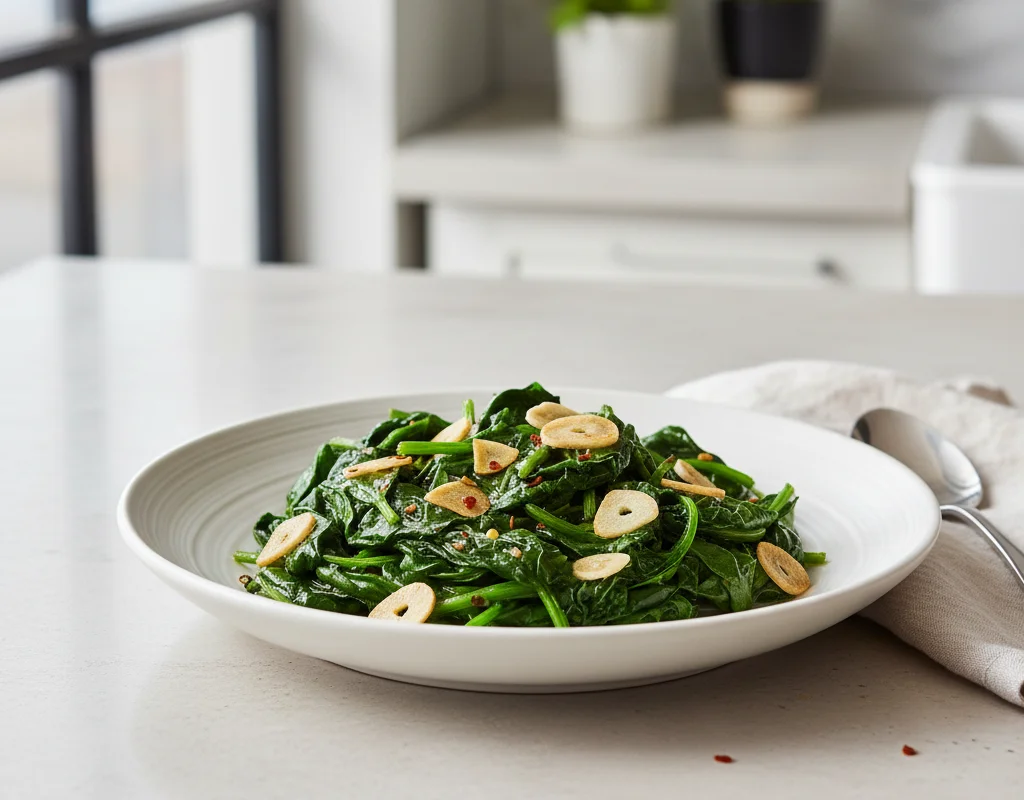
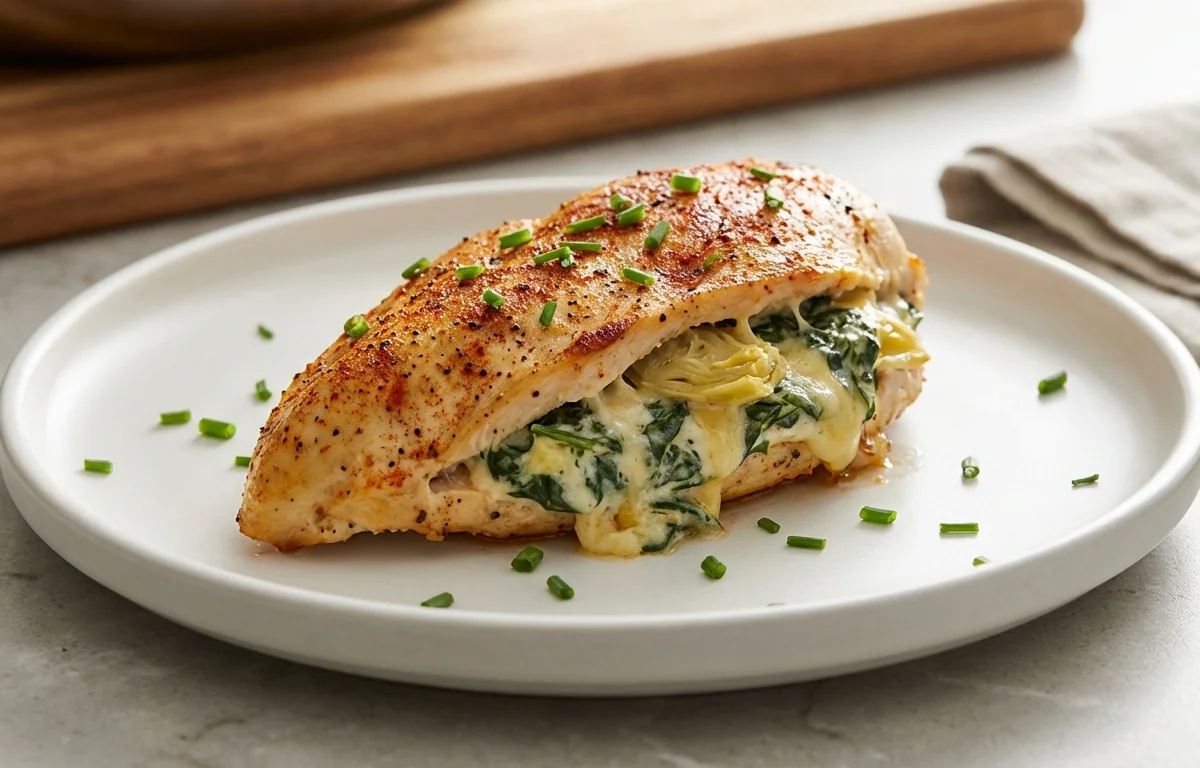
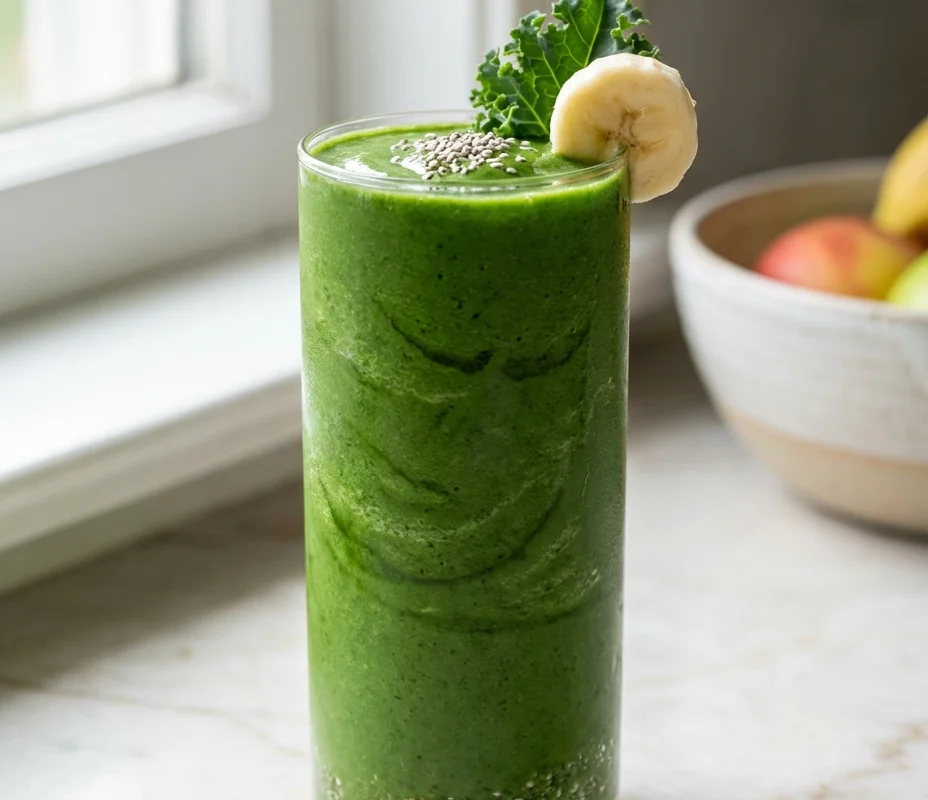
Three simple spinach recipes
Beyond a basic salad, here are three easy ways to make spinach a regular feature on your menu.
Want more nutrient-dense foods in your week, without the guesswork?
Our meal planner builds a balanced week of food around your goals, incorporating vegetables like spinach into delicious, easy meals. Get your macros calculated and a single grocery list ready to go.
Build my weekly plan →SOURCES & REFERENCES · 3
One more thing
Eating well is rarely about willpower. It’s about having a short list of dinners you actually want to eat. Pick two from this list. Make them next week. The rest will follow.
If you want these on autopilot, our weekly meal planner can drop the picks above into your calendar with one click and build a single grocery list from the merged ingredients.
FREQUENTLY ASKED QUESTIONS
Frequently asked questions
Is raw or cooked spinach healthier?
Both are healthy, but they have different advantages. Raw spinach is great for fiber and convenience. Cooking spinach reduces oxalates (which can block mineral absorption) and makes nutrients like vitamin A and iron more bioavailable. A mix of both is ideal.
I'm on blood thinners like Warfarin. Can I eat spinach?
Spinach is extremely high in Vitamin K, which plays a key role in blood clotting and can interfere with these medications. It's crucial to speak with your doctor. Most advise maintaining a consistent intake of vitamin K, rather than avoiding it completely, so your medication dosage can be stabilized accordingly.
What's the deal with spinach and kidney stones?
Spinach is high in oxalates, which can bind with calcium to form calcium oxalate stones, the most common type of kidney stone. If you have a history of these stones, your doctor will likely advise you to limit high-oxalate foods like spinach, rhubarb, and almonds.
Does spinach really have a lot of iron?
It contains iron, but the famous Popeye-level strength is a myth partly based on a misplaced decimal point in an old study. More importantly, the iron in spinach is 'non-heme' iron, which is poorly absorbed by the body compared to 'heme' iron from meat. Pairing it with vitamin C (like lemon juice) helps improve absorption.
METHODOLOGY
How this article was created
Built using verified nutrition databases, culinary research, and traditional cooking knowledge — every claim is cross-referenced against the sources listed in the article.
· USDA data· Culinary research· Quality reviewed
Read our methodology →TRANSPARENCY
About this content
Articles are curated using trusted food databases (USDA FoodData Central, IFCT), culinary literature, and dietary guidelines, then structured by our editorial team for clarity, accuracy, and usefulness.
· Verified data sources· Culinary research· Quality reviewed
Read our editorial policy →EXPLORE OUR MEALS
Meals that fit this article
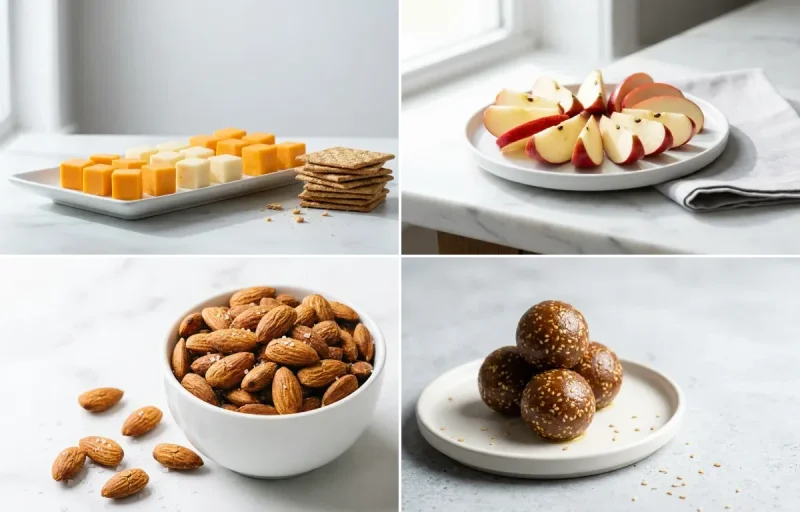
AMERICAN · 1677 CAL
Almonds with Sliced Apple + supplement + iron
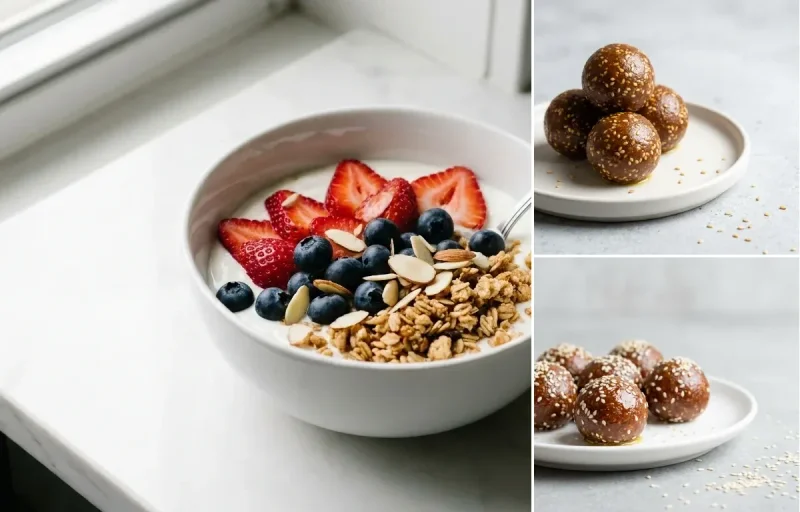
MEDITERRANEAN · 809 CAL
Greek Yogurt with Berries Almonds and Granola + supplement + iron

GENERAL_HEALTHY · 705 CAL
Banana with Peanut Butter Pregnancy + supplement + iron

MODERN · 982 CAL
Hummus with Crudits and Pita with Fresh Orange Snack + supplement + iron
TAGGED
KEEP READING