Butter is back. After decades of being sidelined for processed spreads, real butter — just churned cream, maybe a little salt — is in kitchens again. And for good reason. It's a simple, natural fat that makes food taste incredible. But let's be clear: it's not a health food. It's a pure, delicious fat that's incredibly calorie-dense. The secret to enjoying butter isn't to avoid it, but to understand it: use it in small amounts, for flavour, and enjoy every bit.
↑ Butter isn't a health food, but a natural fat. The key is the dose.
The original natural fat
For something so delicious, butter is incredibly simple. It's just cream that's been churned until the fat globules clump together and separate from the liquid, which is buttermilk. That's it. A little salt is often added for flavour and preservation, but at its heart, butter is a one-ingredient food.
This simplicity is its biggest selling point compared to many margarines and spreads, which can be complex blends of processed oils and additives. But simple doesn't automatically mean 'healthy'. Butter is fat. Delicious, flavourful, satisfying fat. And as with all fats, the dose makes all the difference.
Butter is a simple, natural fat. Its health impact is all about the dose — use small amounts for flavour, and don't treat it like a health food you can eat freely.
Butter nutrition facts
Because it's so concentrated, we rarely eat 100 grams of butter. But it's the standard for comparison. A more typical serving is one tablespoon (about 14 grams), which contains around 102 calories and 11.5 grams of fat.
The numbers speak for themselves. Butter is almost entirely fat, more than half of which is saturated. This is why dietary guidelines recommend limiting it, especially for people concerned about heart health. On the plus side, it's a significant source of Vitamin A, which is important for vision, immune function, and skin health.
Butter's glycemic index
The glycemic index (GI) measures how quickly a carbohydrate-containing food raises blood sugar. Since butter has virtually no carbohydrates, it doesn't have a meaningful GI score. It will not raise your blood sugar on its own. In fact, adding a fat like butter to a carbohydrate-rich food (like spreading it on bread) can actually help slow down the absorption of the carbs, leading to a more gradual rise in blood sugar.
GLYCEMIC INDEX · BUTTER vs COMMON FOODS
Butter has a negligible effect on blood sugar
Butter
pure fat
LOW
Apple
whole fruit
LOW
Pineapple
whole fruit
MEDIUM
White bread
refined
HIGH
Cornflakes
refined
HIGH
SCALE 0–90
04590
The smart way to use it
Enjoying butter is about strategy. It's a finishing touch, not a foundation.
01
Measure your serving.
Don't just scrape from the block. A teaspoon (5g) or tablespoon (14g) is a portion. This is the #1 way to keep calories and saturated fat in check.
02
Use it for flavour.
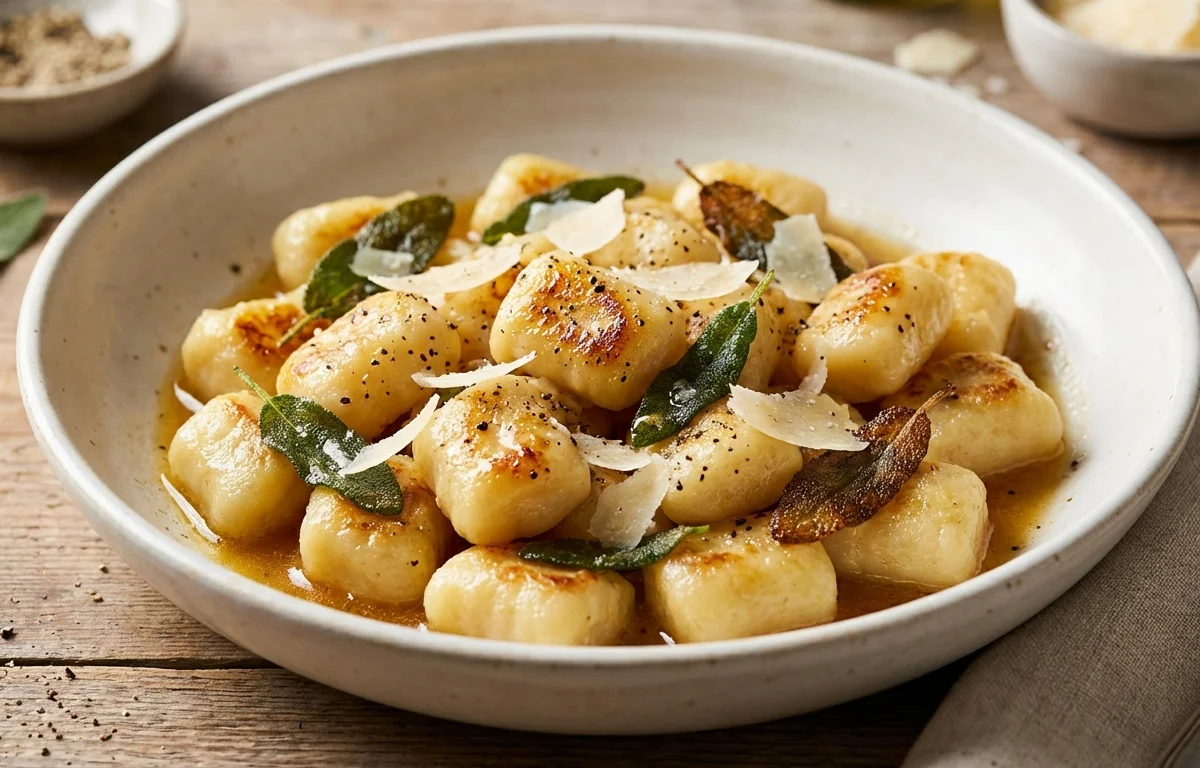
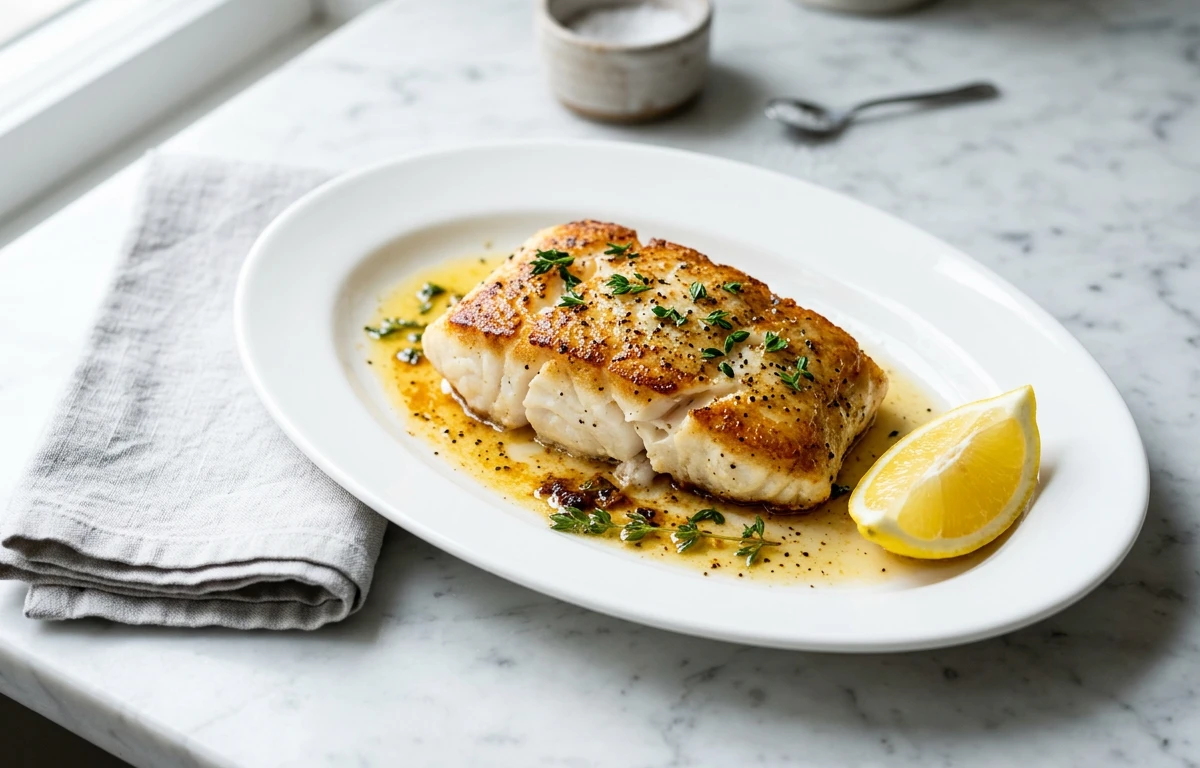
A small knob of butter melted over steamed asparagus or a pan-seared fish adds immense flavour for relatively few calories. Think of it as a seasoning.
03
Choose unsalted for cooking.
This lets you control the total sodium in your dish. Salted butter is delicious on toast, but can easily make a sauce or baked good too salty.
04
Brown it.
Gently heating butter until the milk solids toast creates a nutty, complex flavour ('beurre noisette'). You can use less because the flavour is so much more intense.
What butter is good for
01
Unmatched flavour carrier
Fat carries flavour, and butter does it beautifully. It can make vegetables more appealing and create rich, satisfying sauces.
100%
flavour
02
A natural source of Vitamin A
Butter contains a good amount of Vitamin A, a fat-soluble vitamin crucial for vision, immunity, and skin health.
11%
Vit A DV / tbsp
03
Contains some butyrate
Butter is a dietary source of butyrate, a short-chain fatty acid that serves as a primary fuel source for the cells lining your colon.
~3-4%
butyrate
04
Incredibly simple & versatile
Made from just cream, it's a minimally processed fat that's a cornerstone of cooking, from sautéing to baking to finishing.
1
ingredient
What to pair butter with
Butter's job is to make other whole foods taste better. Pair it with nutrient-dense foods to create a balanced meal or snack.
Use freely — or be mindful?
Three ways to cook with it
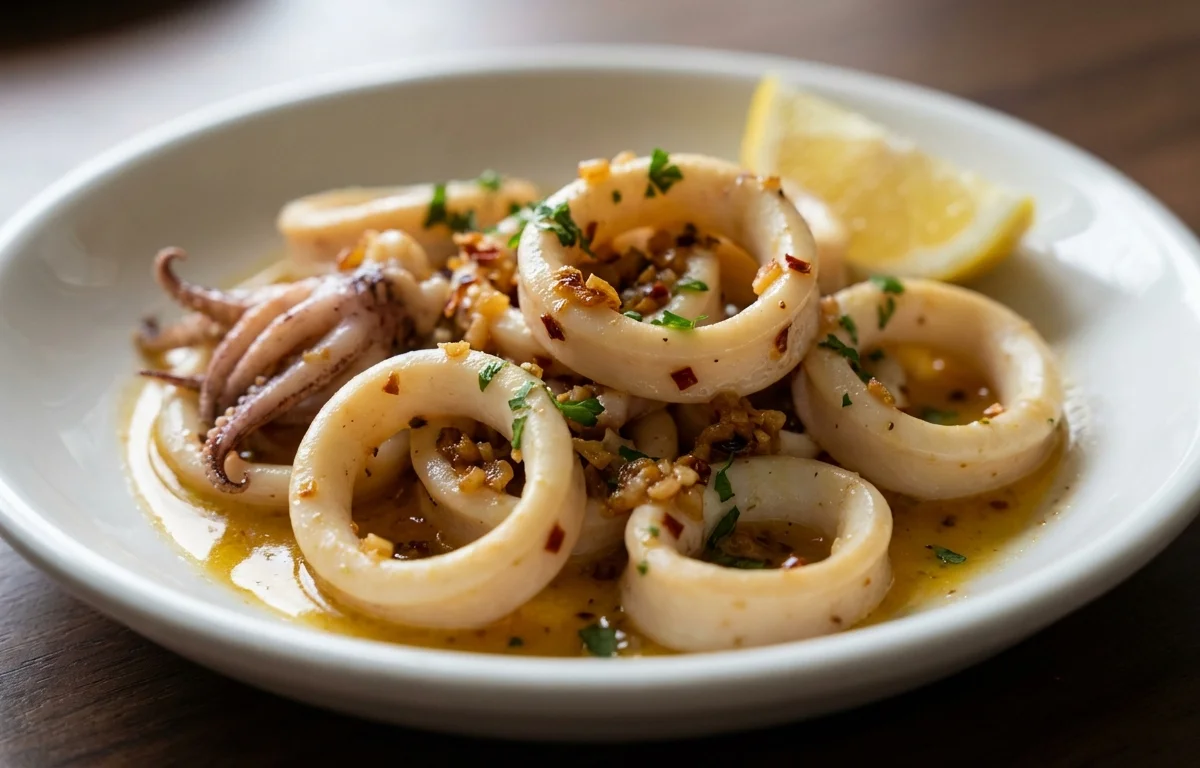
These recipes use butter for what it does best: adding incredible flavour in a focused way.
Want fats and calories balanced for you?
Our meal planner uses fats like butter and olive oil for flavour while keeping calories and saturated fat within healthy targets. Get a balanced weekly plan with a single grocery list.
Build my weekly plan →SOURCES & REFERENCES · 3
One more thing
Eating well is rarely about willpower. It’s about having a short list of dinners you actually want to eat. Pick two from this list. Make them next week. The rest will follow.
If you want these on autopilot, our weekly meal planner can drop the picks above into your calendar with one click and build a single grocery list from the merged ingredients.
FREQUENTLY ASKED QUESTIONS
Frequently asked questions
Is butter actually bad for you?
It's not 'good' or 'bad', it's a very calorie-dense food high in saturated fat. A small amount can fit into a healthy diet, but large amounts are associated with increased LDL (bad) cholesterol and weight gain. Portion size is everything.
Is butter better than margarine?
Butter is a simple, natural product. Margarines vary widely; some are high in unhealthy trans fats, while newer spreads are made from healthier oils. In general, I prefer using a small amount of real butter over a highly processed spread, but a soft tub spread made with olive or avocado oil can be a good choice for heart health.
Can I eat butter if I have high cholesterol?
You should be mindful. The saturated fat in butter can raise LDL cholesterol levels. Most dietary guidelines recommend limiting butter and choosing unsaturated fats (like olive oil) more often. Discuss your specific dietary needs with your doctor or a dietitian.
Does grass-fed butter have more benefits?
Grass-fed butter tends to have a better nutritional profile. It's typically higher in omega-3 fatty acids, Vitamin K2, and beta-carotene (which gives it a deeper yellow color) compared to butter from grain-fed cows. The flavour is often richer, too.
METHODOLOGY
How this article was created
Built using verified nutrition databases, culinary research, and traditional cooking knowledge — every claim is cross-referenced against the sources listed in the article.
· USDA data· Culinary research· Quality reviewed
Read our methodology →TRANSPARENCY
About this content
Articles are curated using trusted food databases (USDA FoodData Central, IFCT), culinary literature, and dietary guidelines, then structured by our editorial team for clarity, accuracy, and usefulness.
· Verified data sources· Culinary research· Quality reviewed
Read our editorial policy →RELATED RECIPES
Cook from this article
EXPLORE OUR MEALS
Meals that fit this article

AMERICAN · 1677 CAL
Almonds with Sliced Apple + supplement + iron

MEDITERRANEAN · 809 CAL
Greek Yogurt with Berries Almonds and Granola + supplement + iron

GENERAL_HEALTHY · 705 CAL
Banana with Peanut Butter Pregnancy + supplement + iron

MODERN · 982 CAL
Hummus with Crudits and Pita with Fresh Orange Snack + supplement + iron
TAGGED
KEEP READING