Let's be honest, cashews feel like an indulgence. That creamy, buttery texture makes them seem more like a treat than a health food. But that's where we get them wrong. Raw cashews are loaded with the good kinds of fat, packed with plant protein, and have a surprisingly gentle effect on blood sugar. They're not just a party snack; they're a genuinely satisfying and smart addition to your diet, as long as you know how to use them.
↑ Raw cashews are technically steamed to remove their toxic shell, but they retain their nutrients and pale color.
The creamy, satisfying nut
Cashews are the kidney-shaped seeds that come from the cashew tree. What we call 'raw' cashews have actually been steamed to remove them from a caustic shell, so they're safe to eat. Their mild, buttery flavor and unique texture make them incredibly versatile — they can be eaten whole as a snack, blended into a cream for vegan sauces, or stirred into curries and stir-fries.
But their real strength is their nutrition. They're a fantastic source of unsaturated fats, plant protein, and essential minerals like copper and magnesium. They're more than just a crunchy garnish; they're a proper, functional food.
IN ONE LINE
Rich in healthy fats and plant protein, raw cashews are a low-glycemic, satisfying snack — just be mindful of the portion size due to their high calorie count.
Raw cashew nutrition facts
Here's the nutritional breakdown for a 100-gram (about 3.5 ounces) serving of raw cashew nuts. A more typical snack-sized portion would be about one-quarter of this, around 28-30 grams.
The numbers that stand out are the fat and protein. Nearly 44 grams of fat per 100g might sound alarming, but the majority is monounsaturated and polyunsaturated fat — the kind that's good for your heart. The 18 grams of protein make cashews incredibly satiating, which helps you feel full for longer.
Always choose unsalted cashews when you can. The sodium in salted nuts can quickly counteract the blood-pressure benefits that the nuts themselves provide.
Cashews & their glycemic index
The glycemic index (GI) tells us how quickly a food containing carbohydrates raises blood glucose levels. Foods below 55 are considered 'low-GI'. While there's no single, universally agreed-upon GI value for cashews, all available testing places them firmly in the low-GI category, often in the 20s. This is because their high fat and protein content significantly slows down the digestion and absorption of their carbohydrates. This makes them an excellent food for maintaining stable energy and blood sugar levels.
GLYCEMIC INDEX · CASHEWS vs COMMON FOODS
Cashews sit in the very low-GI band
Raw Cashews
approx. value
LOW
Apple
whole fruit
LOW
Pineapple
whole fruit
MEDIUM
White bread
refined
HIGH
SCALE 0–90
04590
The smart way to eat them
Cashews are easy to love, but a few simple habits ensure you're getting the most benefit.
01
Watch the portion.
A sensible serving is about a small handful (around 1/4 cup or 30g). This gives you all the benefits without overloading on calories.
02
Go raw and unsalted.
This gives you pure cashew goodness without added inflammatory oils from roasting or excess sodium.
03
Blend them into cream.
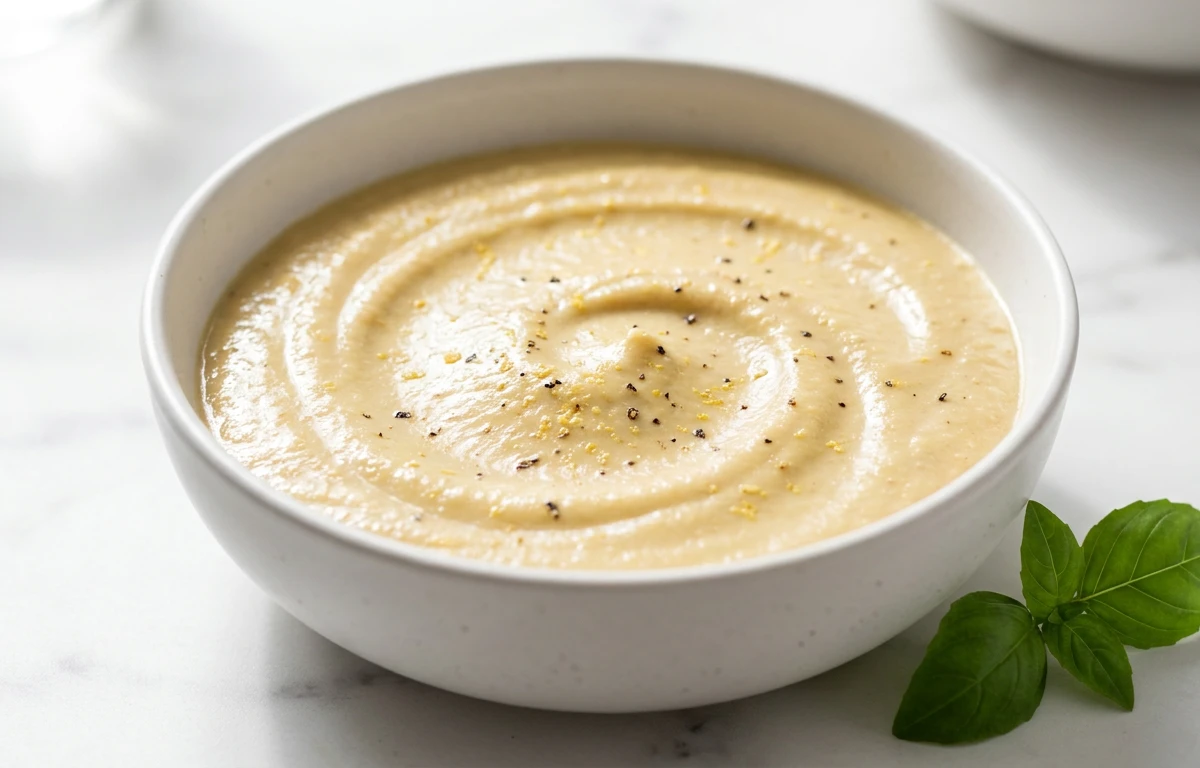
Soak raw cashews in hot water for 30 minutes, then blend with a little fresh water. It makes a fantastic dairy-free cream for soups and pastas.
04
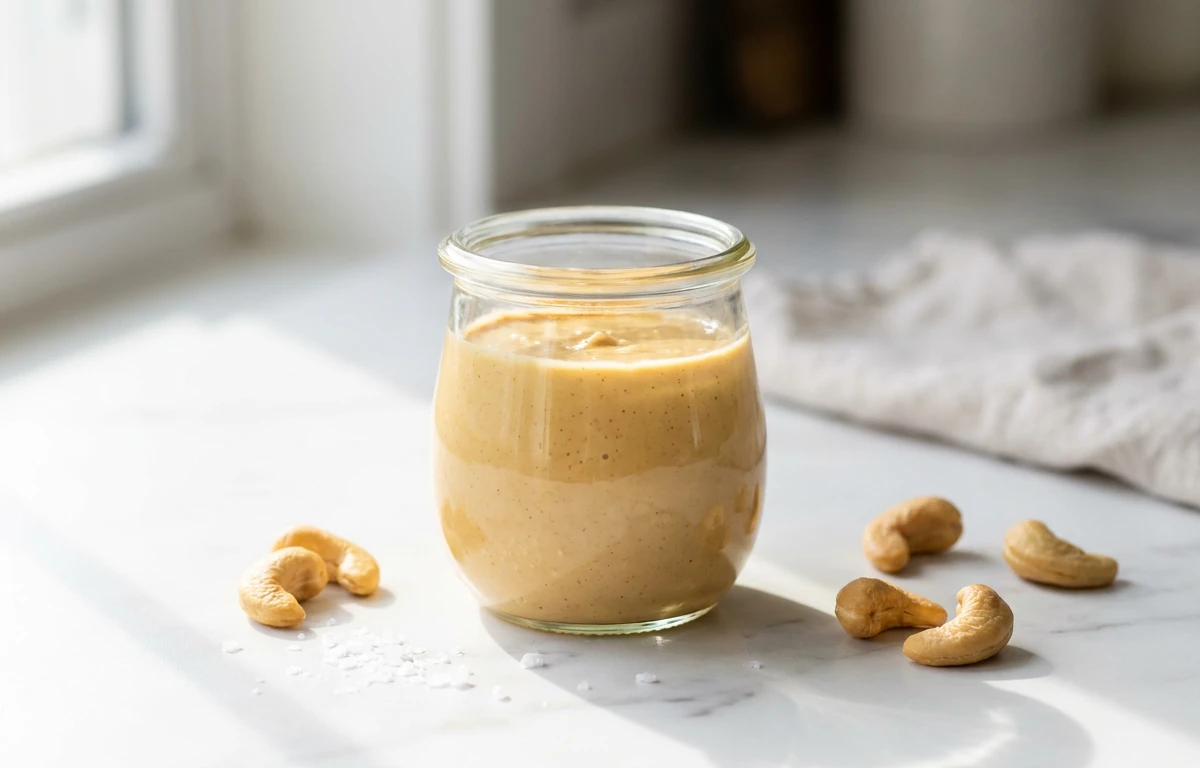
Make your own nut butter.
Roast them lightly (for flavor) and blend in a food processor until smooth. You get pure cashew butter with no added sugar or palm oil.
05
Pair them strategically.
Toss them into a salad, stir through oatmeal, or eat with a piece of fruit to create a balanced, satisfying mini-meal.
What are cashews good for?
01
Supporting heart health
Over 75% of the fat in cashews is monounsaturated and polyunsaturated, which helps lower LDL ('bad') cholesterol and maintain healthy arteries.
43.8g
fat/100g
02
Steady blood sugar control
The combination of low GI, high protein, and healthy fats makes cashews excellent for preventing blood sugar spikes and crashes.
Low
glycemic
03
Providing lasting energy
The blend of protein, fat, and fiber delivers slow-release, sustained energy, making them a perfect antidote to the 3 p.m. slump.
18.2g
protein
04
Building and repairing tissue
With over 18g of protein per 100g, cashews are a great source of plant-based protein for muscle maintenance and overall body repair.
Plant
protein
What to pair cashews with
Cashews' mild flavor makes them a great team player. Pair them with the right foods to create balanced and delicious meals and snacks.
Eat freely — or be mindful?
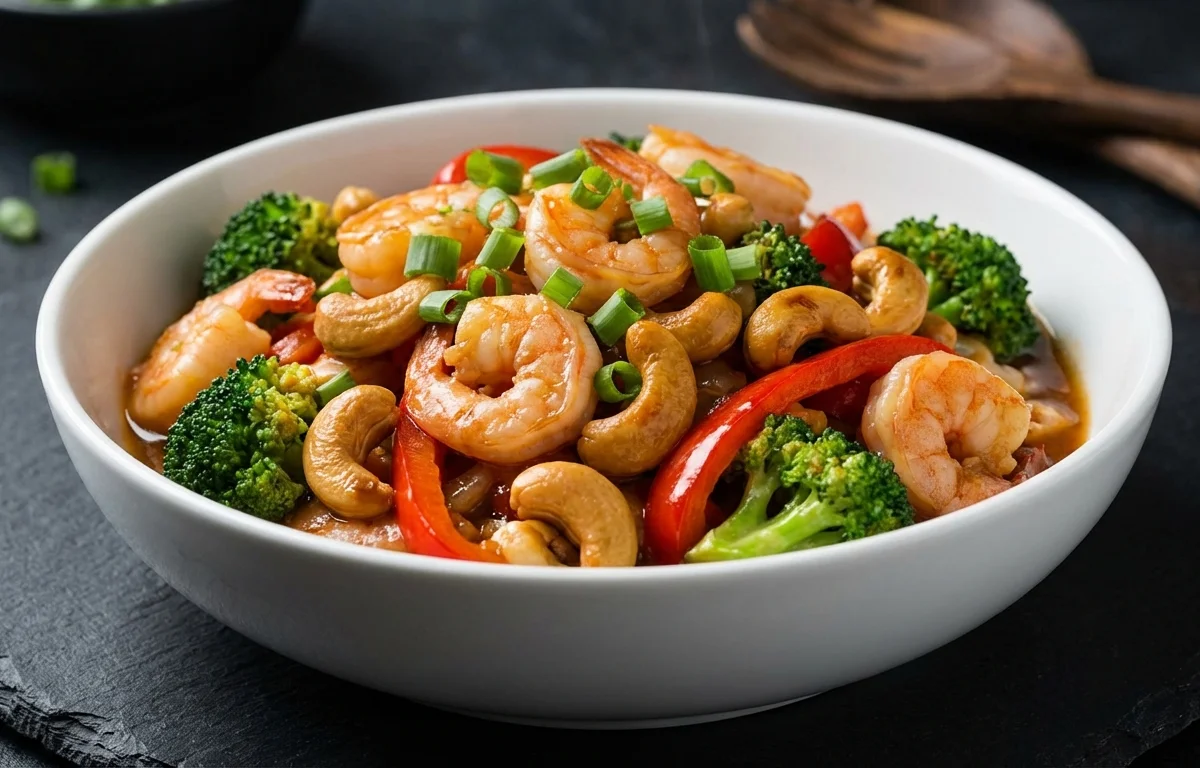
Three ways to use them
Beyond snacking, cashews are a kitchen workhorse. Here are three simple ideas to get you started.
Want smart snacks worked into a balanced week — without the planning?
Our meal planner pairs foods like cashews with fresh ingredients for steady energy, with portions and macros already calculated and a single grocery list at the end.
Build my weekly plan →SOURCES & REFERENCES · 3
One more thing
Eating well is rarely about willpower. It’s about having a short list of dinners you actually want to eat. Pick two from this list. Make them next week. The rest will follow.
If you want these on autopilot, our weekly meal planner can drop the picks above into your calendar with one click and build a single grocery list from the merged ingredients.
FREQUENTLY ASKED QUESTIONS
Frequently asked questions
Are raw cashews good for weight loss?
They can be. While they are high in calories, their protein, fiber, and healthy fat content make them very filling. A small, controlled portion can help manage hunger and prevent overeating later. The key is portion control.
Are 'raw' cashews actually raw?
Not in the truest sense. Cashews grow inside a shell that contains a caustic, toxic oil (related to poison ivy). To make them safe, they are always steamed or roasted to remove the nut from the shell. 'Raw' simply means they haven't been roasted for flavor afterwards.
How many cashews should I eat a day?
A standard serving size is about one ounce, which is roughly 1/4 cup or a small handful (about 18 cashews). This provides around 160 calories and is a good daily amount for most people to get the benefits without overdoing it.
Are roasted cashews less healthy than raw?
It depends on how they're roasted. Dry-roasted cashews are nutritionally very similar to raw ones. However, oil-roasted cashews contain extra fat and calories from the oil. Salted versions also add a lot of sodium. For the purest health benefits, raw or dry-roasted unsalted cashews are best.
METHODOLOGY
How this article was created
Built using verified nutrition databases, culinary research, and traditional cooking knowledge — every claim is cross-referenced against the sources listed in the article.
· USDA data· Culinary research· Quality reviewed
Read our methodology →TRANSPARENCY
About this content
Articles are curated using trusted food databases (USDA FoodData Central, IFCT), culinary literature, and dietary guidelines, then structured by our editorial team for clarity, accuracy, and usefulness.
· Verified data sources· Culinary research· Quality reviewed
Read our editorial policy →EXPLORE OUR MEALS
Meals that fit this article

AMERICAN · 1677 CAL
Almonds with Sliced Apple + supplement + iron

MEDITERRANEAN · 809 CAL
Greek Yogurt with Berries Almonds and Granola + supplement + iron

GENERAL_HEALTHY · 705 CAL
Banana with Peanut Butter Pregnancy + supplement + iron

MODERN · 982 CAL
Hummus with Crudits and Pita with Fresh Orange Snack + supplement + iron
TAGGED
KEEP READING