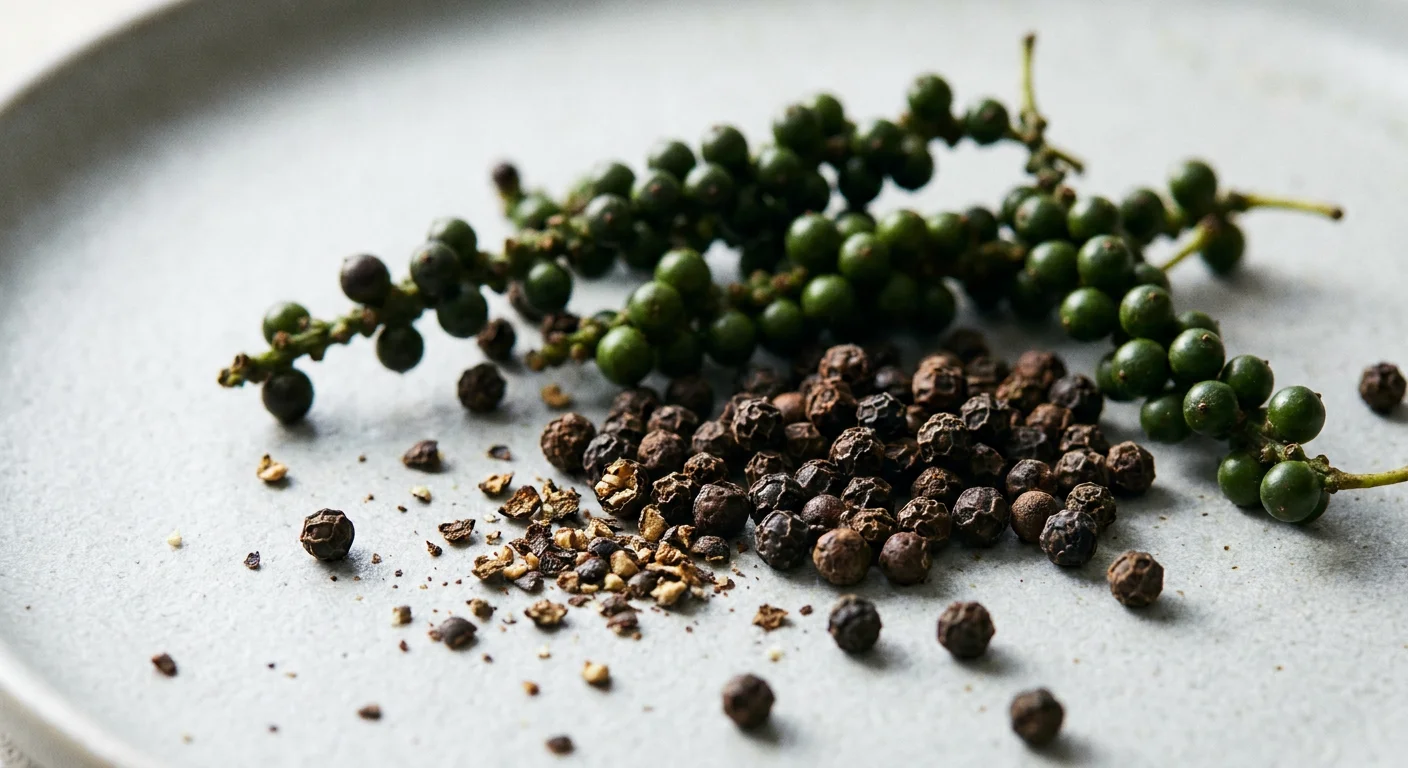
It's the seed of the plant that divides dinner tables, but coriander seed is a world away from fresh cilantro. Warm, citrusy, and nutty, it's a culinary staple. But look closer at the nutrition, and you find something frankly astonishing: it's an absolute fiber heavyweight. We're talking more fiber than digestible carbohydrate. This simple fact changes everything about how it behaves in your body, making it a quiet hero for blood sugar, gut health, and flavor.
↑ Coriander seeds are the dried fruit of the cilantro plant, with a completely different flavor profile.
The wildly underrated fiber hero
Coriander seed is the dried fruit of the Coriandrum sativum plant. When the plant is fresh, we call its leaves cilantro (or fresh coriander). But the seed is a completely different ingredient: earthy, warm, with a bright citrus note that deepens when you toast it. It's a cornerstone of spice blends from Indian garam masala to Egyptian dukkah.
But the real story isn't just its flavor. It's that coriander seed is, gram for gram, one of the most fiber-rich foods in the entire kitchen. It's not just a flavor; it's a functional food hiding in plain sight.
IN ONE LINE
At nearly 42% fiber by weight, whole coriander seed has more fiber than oats, beans, or even chia seeds. A single teaspoon gives you almost 2 grams of fiber.
Coriander seed nutrition facts
The numbers below are for 100 grams, which is a very large reference amount—about a full cup. A typical recipe might call for one or two teaspoons (about 2-5 grams), but this large quantity shows us what the spice is made of.
The headline is impossible to ignore: 41.9 grams of fiber. That means for every 55 grams of carbohydrate, most of it is fiber that your body doesn't digest or absorb as sugar. The 'net' or 'impact' carbohydrate is only about 13 grams. This is why, despite being a 'carb' source on paper, its effect on blood sugar is almost nothing. It also provides a decent amount of plant protein and healthy fats.
Coriander's Glycemic Index
There's no official glycemic index rating for coriander seed, for one simple reason: it's not a food you eat in large enough quantities to measure. More importantly, given it's mostly fiber, its GI is effectively zero. It does not raise blood sugar. In fact, when added to other foods, its high fiber content can help slow down the absorption of sugar and starch from the rest of the meal. It's a tool for flattening the curve, not a cause of spikes.
GLYCEMIC INDEX · CORIANDER vs COMMON FOODS
Coriander's impact is effectively zero
Coriander Seed
spice
LOW
Apple
whole fruit
LOW
Mango
whole fruit
LOW
White bread
refined
HIGH
Cornflakes
refined
HIGH
SCALE 0–90
04590
How to get the most from it
A little technique goes a long way. Pre-ground coriander is fine, but starting with whole seeds unlocks much more flavor.
01
Toast them first.
Heat whole seeds in a dry pan over medium heat for 2-3 minutes, until they're fragrant. This awakens the essential oils.
02
Grind them fresh.
A spice grinder or mortar and pestle gives you a much more vibrant, potent flavor than the pre-ground stuff, which loses its aroma over time.
03
Use them whole.
Whole toasted seeds are brilliant in pickles, brines, stews, and on top of roasted vegetables for a pop of texture and flavor.
04
Pair with cumin.
Coriander's citrusy notes and cumin's earthy depth are a classic combination for a reason. They form the base of countless curries, rubs, and tagines.
What coriander seed is good for
01
A huge boost of fiber
At almost 42g of fiber per 100g, it's a prebiotic powerhouse. Even a teaspoon adds a significant fiber kick to your meal, feeding good gut bacteria.
41.9g
fiber / 100g
02
Blood sugar regulation
The massive fiber content means it has virtually no impact on blood sugar. It can even help blunt the glycemic response of the meal it's part of.
GI ≈ 0
negligible
03
Traditional digestive aid
For centuries, coriander has been used to soothe indigestion and bloating. Its compounds may help stimulate digestive enzymes.
1000s
years of use
04
Source of antioxidants
Coriander seeds contain terpenes like linalool and pinene, plus quercetin, which are antioxidants that help protect cells from oxidative damage.
Flavor
& function
What to pair coriander seed with
Coriander's versatility is its strength. Its warm, citrusy profile complements both savory and even some sweet dishes.
Add freely — or be mindful?
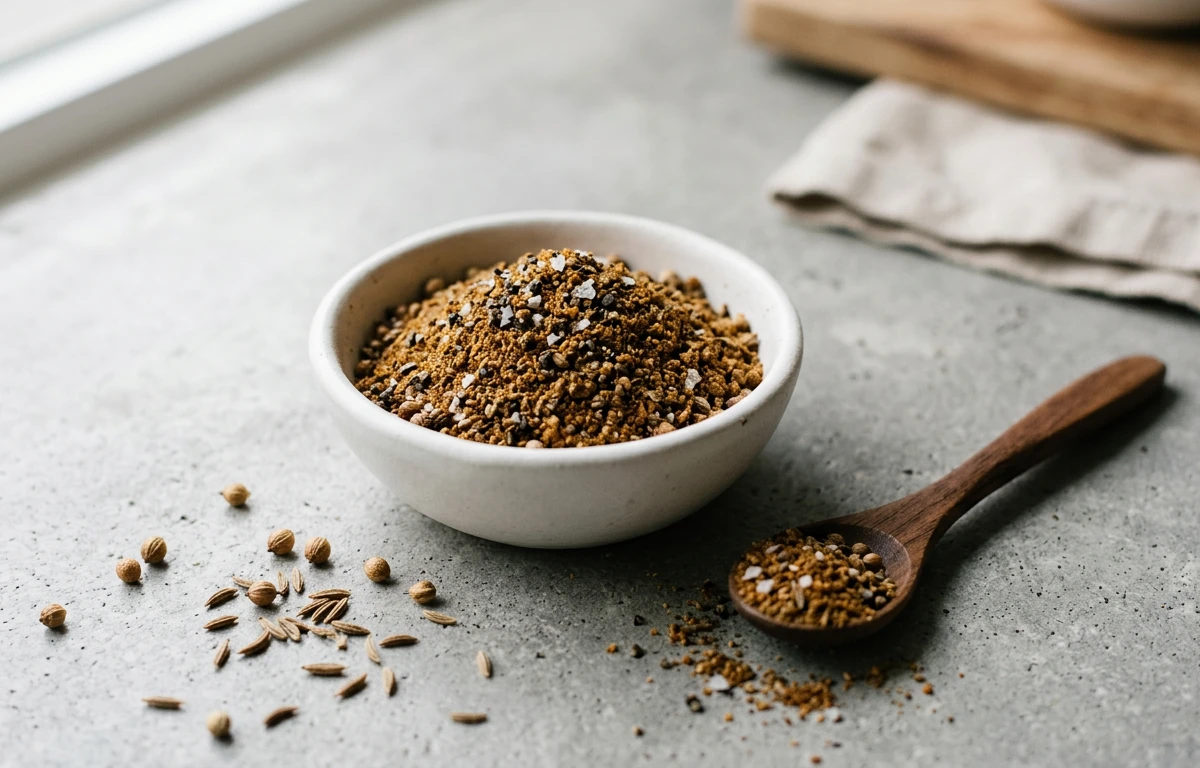
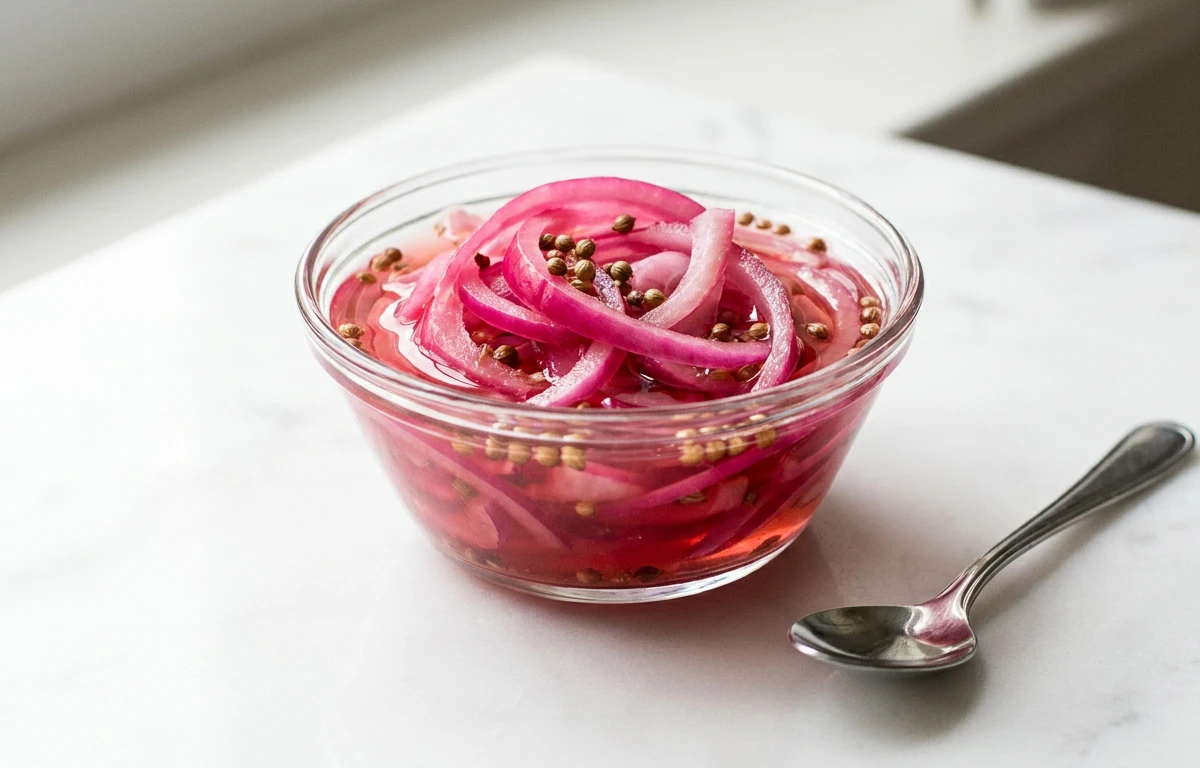
Three ways to use coriander seed
Go beyond just sprinkling it into a curry. These simple recipes put coriander's unique flavor front and center.
Want to build a flavor-packed, healthy week of meals?
Our meal planner uses spices like coriander to create delicious, satisfying meals that are balanced for your health goals. Get a personalized plan with a single, simple grocery list.
Build my weekly plan →SOURCES & REFERENCES · 3
One more thing
Eating well is rarely about willpower. It’s about having a short list of dinners you actually want to eat. Pick two from this list. Make them next week. The rest will follow.
If you want these on autopilot, our weekly meal planner can drop the picks above into your calendar with one click and build a single grocery list from the merged ingredients.
FREQUENTLY ASKED QUESTIONS
Frequently asked questions
Are coriander seeds and cilantro the same thing?
No. They come from the same plant, but cilantro refers to the fresh leaves, which have a bright, pungent, and often polarizing flavor. Coriander seeds are the dried fruit of the plant, with a warm, nutty, and citrusy flavor that most people enjoy.
Are coriander seeds good for you?
Yes, they are exceptionally good for you, mainly due to their incredibly high fiber content. This supports gut health, helps manage blood sugar, and can contribute to heart health. They are also a good source of antioxidants.
Do coriander seeds have a glycemic index?
For all practical purposes, no. Its glycemic index is considered negligible or effectively zero. Because it's so high in fiber and used in small amounts, it does not raise blood sugar.
How much coriander seed should I eat?
Coriander seed is a spice, not a food you eat by the spoonful. A typical serving within a recipe is between one and two teaspoons (2-5 grams). Even at this small amount, you're getting a meaningful dose of fiber.

ABOUT THE AUTHOR
Shreya Chatterjee
NUTRITION WRITER
Shreya is a nutrition writer and the voice behind The Nutrition Pen, where she turns evidence-based nutrition into simple, repeatable eating habits. Her writing focuses on practical food guidance — what to actually put on the plate — for readers who want to eat well without the noise.
Meet the editorial team →METHODOLOGY
How this article was created
Built using verified nutrition databases, culinary research, and traditional cooking knowledge — every claim is cross-referenced against the sources listed in the article.
· USDA data· Culinary research· Quality reviewed
Read our methodology →TRANSPARENCY
About this content
Articles are curated using trusted food databases (USDA FoodData Central, IFCT), culinary literature, and dietary guidelines, then structured by our editorial team for clarity, accuracy, and usefulness.
· Verified data sources· Culinary research· Quality reviewed
Read our editorial policy →EXPLORE OUR MEALS
Meals that fit this article

AMERICAN · 1677 CAL
Almonds with Sliced Apple + supplement + iron

MEDITERRANEAN · 809 CAL
Greek Yogurt with Berries Almonds and Granola + supplement + iron

GENERAL_HEALTHY · 705 CAL
Banana with Peanut Butter Pregnancy + supplement + iron

MODERN · 982 CAL
Hummus with Crudits and Pita with Fresh Orange Snack + supplement + iron
TAGGED
KEEP READING