
Other
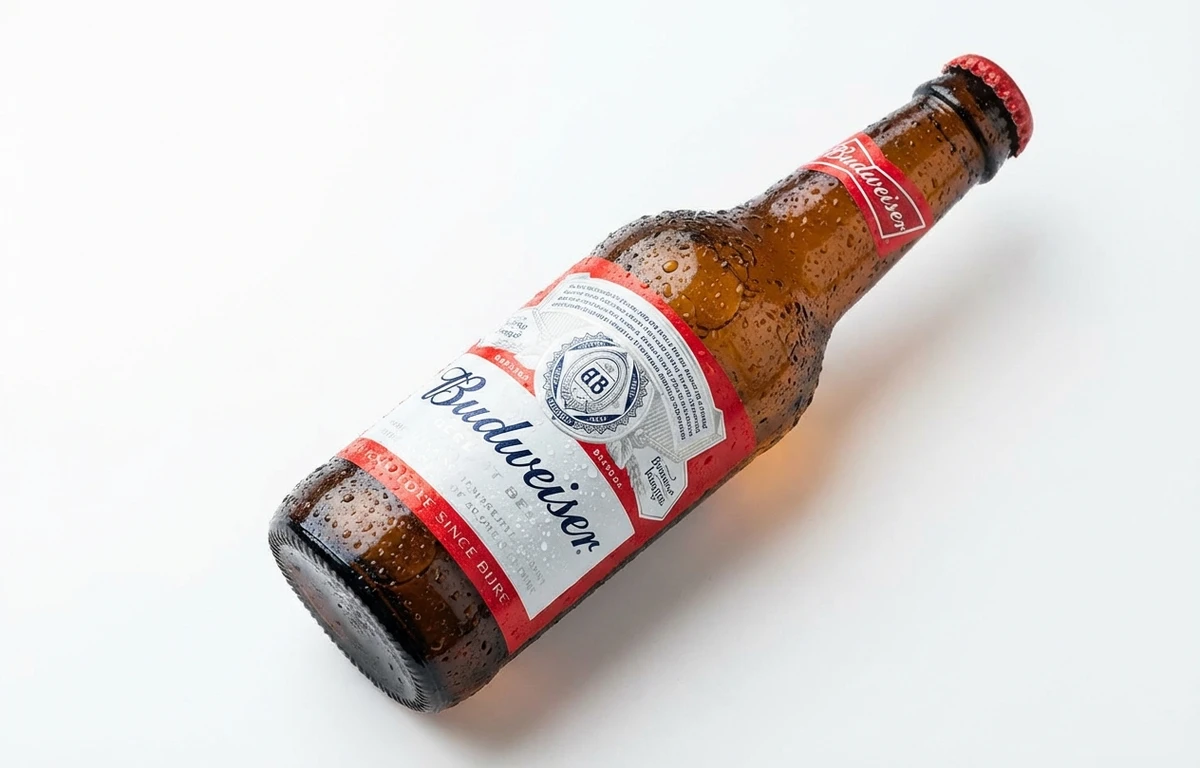
budweiser beer.
VegetarianVeganGluten-freeDairy-freeNut-freePeanut-freeSoy-freeEgg-freeShellfish-freeHoney-freeAlcohol-freeHalalKosherFermented
ALSO KNOWN AS
budamerican lager
SERVING
CALORIES
41
PROTEIN
0.30g
CARBS
3.0g
FAT
0g
FIBER
0g
NUTRITION PROFILE · per 100 g
Everything in this ingredient.
MACRONUTRIENTS
Calories41kcal—
Protein0.30g1%
Carbohydrates3.0g1%
Fiber0g0%
Sugar0g0%
Total fat0g0%
Saturated fat0g0%
Trans fat0g—
Cholesterol0mg0%
Water92.5g—
MINERALS
Sodium4.0mg0%
Potassium27mg1%
Calcium4.0mg0%
Iron0.02mg0%
Magnesium6.0mg1%
Phosphorus14mg1%
Zinc0.01mg0%
Copper0.01mg1%
Manganese0.01mg0%
Selenium0.40µg1%
VITAMINS
Vitamin A0µg0%
Vitamin C0mg0%
Vitamin D0µg0%
Vitamin E0mg0%
Vitamin K0µg0%
Thiamin (B1)0.01mg1%
Riboflavin (B2)0.03mg2%
Niacin (B3)0.50mg3%
Pantothenic acid (B5)0.04mg1%
Vitamin B60.04mg2%
Folate (B9)6.0µg2%
Vitamin B120.02µg1%
%DV based on a 2,000 cal diet. Source: USDA FoodData Central. A dash in the %DV column means there’s no established Daily Value for that nutrient.
MEASUREMENT CONVERSIONS
How much is what.
1 cup240g
1 tablespoon15g
1 teaspoon5g
1 ml1g
1 liter1000g
1 piece341g
HEALTH BENEFITS
Why eat it.
- ✓In moderation, may support heart health by potentially raising HDL (good) cholesterol levels.
- ✓Contains B vitamins (such as niacin, riboflavin, and folate) and minerals like silicon, which contributes to bone health.
- ✓Provides antioxidants in the form of polyphenols derived from barley and hops, which can help combat oxidative stress.
COOKING TIPS
In the kitchen.
- 1Use as a liquid for beer batter for frying fish, onion rings, or chicken; the carbonation helps create a light and crispy crust.
- 2Incorporate into braising liquids for meats like brisket, pork shoulder, or sausages to tenderize and add a malty depth of flavor.
- 3Add to cheese-based dishes, such as beer cheese soup or fondue, to add a tangy complexity that cuts through the richness of the cheese.
- 4Use as a steaming liquid for shellfish like mussels and clams, infusing them with a subtle, savory flavor.
STORAGE
Keep it fresh.
- Store upright in a cool, dark place like a refrigerator, ideally between 38-45°F (3-7°C) to preserve flavor and carbonation.
- Avoid exposure to direct sunlight or fluorescent light, as UV rays can cause the beer to become 'skunky'.
- Consume before the 'best by' date printed on the package for optimal taste, as flavor degrades over time.
FAQ
Frequently asked questions.
Is Budweiser healthy?
When consumed in moderation, Budweiser provides some nutritional benefits including B vitamins, antioxidants, and silicon for bone health. However, as an alcoholic beverage, excessive consumption can lead to negative health impacts, so it should be enjoyed responsibly as part of a balanced lifestyle.
How many calories and carbs are in Budweiser?
Budweiser contains approximately 41 calories and 3 grams of carbohydrates per 100g. For a standard 12 oz (355ml) serving, this equates to roughly 145 calories and 10.6 grams of carbs.
Is Budweiser vegan?
Yes, Budweiser is considered vegan-friendly. The brewing process uses water, barley malt, rice, yeast, and hops, and the company does not use animal-derived fining agents like isinglass or gelatin for filtration.
Is Budweiser gluten-free?
No, Budweiser is not gluten-free. It is brewed with barley malt, which contains gluten proteins. Individuals with celiac disease or gluten intolerance should avoid this beverage.
Is Budweiser keto-friendly?
Budweiser is generally not recommended for a strict keto diet. With over 10 grams of carbohydrates per 12 oz bottle, it can easily consume a significant portion of a daily carb limit and potentially disrupt ketosis.
Can you cook with Budweiser?
Yes, Budweiser is excellent for cooking due to its light and crisp profile. It is commonly used in beer batters for frying fish, as a base for beer cheese soup, or as a braising liquid for sausages and roasts.
What does Budweiser taste like?
Budweiser is a classic American lager known for its clean, crisp, and refreshing taste. It has a light body with subtle notes of malt and a very mild hop bitterness, finished with a smooth texture attributed to the use of rice in the mash.
How should Budweiser be stored and how long does it last?
Budweiser should be stored in a cool, dark place, preferably refrigerated. For the best flavor, it should be consumed within 110 days of its 'born on' date, as light and heat can cause the beer to become skunked or stale over time.
Does Budweiser contain any vitamins or minerals?
Yes, Budweiser contains trace amounts of B vitamins such as niacin, riboflavin, and folate. It is also a source of dietary silicon, which is linked to improved bone mineral density, and polyphenols that act as antioxidants.
Is Budweiser good for weight loss?
Budweiser is not particularly helpful for weight loss because it provides 'empty calories' from alcohol and carbs. If you are trying to lose weight, you must account for the 145 calories per bottle, as liquid calories often do not provide the same feeling of fullness as solid food.



















