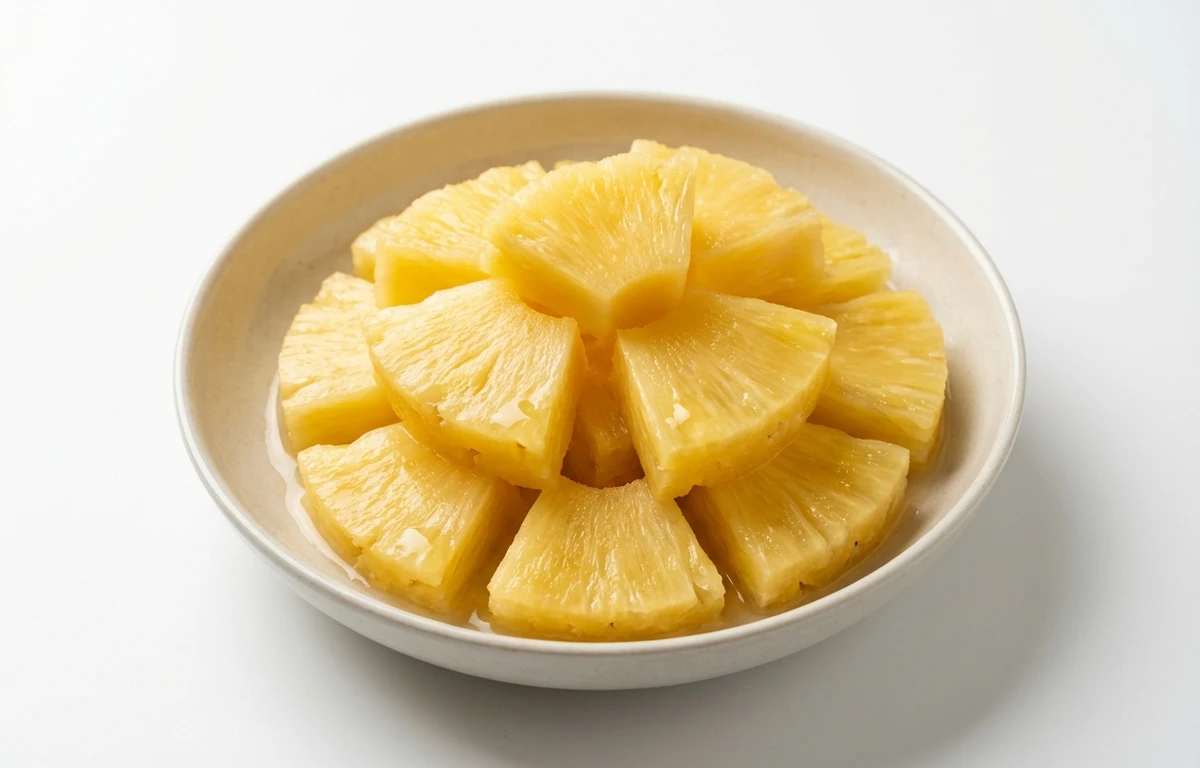
fruit
aau.
VegetarianVeganGluten-freeDairy-freeNut-freePeanut-freeSoy-freeEgg-freeShellfish-freeHoney-freeAlcohol-free

SERVING
CALORIES
39
PROTEIN
0.91g
CARBS
9.5g
FAT
0.25g
FIBER
1.5g
NUTRITION PROFILE · per 100 g
Everything in this ingredient.
MACRONUTRIENTS
Calories39kcal—
Protein0.91g2%
Carbohydrates9.5g3%
Fiber1.5g5%
Sugar8.4g17%
Total fat0.25g0%
Saturated fat0.02g0%
Trans fat0g—
Cholesterol0mg0%
Water88.9g—
MINERALS
Sodium0mg0%
Potassium190mg4%
Calcium6.0mg0%
Iron0.25mg1%
Magnesium9.0mg2%
Phosphorus20mg2%
Zinc0.17mg2%
Copper0.07mg8%
Manganese0.05mg2%
Selenium0.10µg0%
VITAMINS
Vitamin A16µg2%
Vitamin C6.6mg7%
Vitamin D0µg0%
Vitamin E0.73mg5%
Vitamin K2.6µg2%
Thiamin (B1)0.02mg2%
Riboflavin (B2)0.03mg2%
Niacin (B3)0.81mg5%
Pantothenic acid (B5)0.15mg3%
Vitamin B60.03mg2%
Folate (B9)4.0µg1%
Vitamin B120µg0%
%DV based on a 2,000 cal diet. Source: USDA FoodData Central. A dash in the %DV column means there’s no established Daily Value for that nutrient.
MEASUREMENT CONVERSIONS
How much is what.
1 cup150g
1 tablespoon10.5g
1 teaspoon3.5g
HEALTH BENEFITS
Why eat it.
- ✓Rich in antioxidants like vitamin C and polyphenols, which help protect the body from oxidative damage.
- ✓A good source of dietary fiber, which supports digestive health and can help maintain regular bowel movements.
- ✓Contains potassium, a mineral essential for maintaining healthy blood pressure and heart function.
- ✓Provides vitamin A (in the form of beta-carotene), which is important for vision health, immune function, and skin integrity.
- ✓Low in calories and fat, making it a suitable fruit for weight management diets.
COOKING TIPS
In the kitchen.
- 1To easily peel a peach, score the bottom with an 'X', blanch in boiling water for 30-60 seconds, then plunge into an ice bath. The skin should slide off easily.
- 2Grilled or roasted peaches bring out their natural sweetness and are delicious served as a dessert with yogurt, ice cream, or a drizzle of honey.
- 3Incorporate sliced peaches into salads, salsas, or smoothies for a fresh, sweet flavor.
STORAGE
Keep it fresh.
- Store unripe peaches at room temperature in a single layer to avoid bruising until they are fragrant and give slightly to pressure.
- Once ripe, transfer peaches to the refrigerator where they can be stored for up to a week.
- For long-term storage, slice peaches, remove the pit, and freeze them in an airtight container or freezer bag.
FAQ
Frequently asked questions.
Is aau healthy?
Yes, aau is highly nutritious. It is rich in antioxidants like vitamin C and polyphenols that protect cells from damage, and it provides essential minerals like potassium for heart health and vitamin A for vision and skin integrity.
Is aau good for weight loss?
Aau is an excellent choice for weight management as it is very low in calories, containing only 39 calories per 100g. Its dietary fiber content also helps promote a feeling of fullness, which can prevent overeating.
Is aau keto-friendly?
Aau contains approximately 9.54g of carbohydrates per 100g. While it can be included in a ketogenic diet in small, measured portions, it is higher in natural sugars than berries and should be consumed mindfully to stay within daily carb limits.
What are the primary health benefits of eating aau?
The primary benefits include improved digestive health due to its fiber content, better immune function from vitamin C, and regulated blood pressure thanks to potassium. Its antioxidants also help reduce inflammation throughout the body.
How do you prepare and eat aau?
Aau can be eaten fresh after washing, either whole or sliced. It is also a popular ingredient in smoothies, fruit salads, and desserts, or it can be grilled or poached for a more complex flavor profile.
What does aau taste like?
Aau has a sweet and slightly floral flavor with a mild tanginess. When ripe, the texture is soft and juicy, making it a refreshing snack or a versatile ingredient for both sweet and savory dishes.
How should you store aau to keep it fresh?
Store firm, unripe aau at room temperature until they soften and become fragrant. Once ripe, transfer them to the refrigerator to prevent spoilage; they will typically stay fresh for an additional 3 to 5 days.
Can you eat the skin of the aau fruit?
Yes, the skin of the aau is completely edible and safe to consume. In fact, much of the fruit's fiber and many of its antioxidants are concentrated in the skin, so eating it provides maximum nutritional value.
Is aau safe for people with diabetes?
Aau can be part of a diabetic diet because it has a relatively low glycemic index and provides fiber, which helps slow down the absorption of sugar. However, it is important to monitor portion sizes to manage total carbohydrate intake.
Is aau vegan and gluten-free?
Yes, aau is a natural fruit and is inherently both vegan and gluten-free. It is a safe and healthy option for individuals with celiac disease, gluten sensitivities, or those following a strict plant-based lifestyle.
RECIPES
Cook with aau.
0 recipes · sorted by what’s quick